Iceland's Hidden Gems: Places Most Tourists Miss
Published
Skip the crowds and discover Iceland's best-kept secrets — from secret hot springs to dramatic landscapes most visitors never see.

Let me be honest with you. I've done the Golden Circle. I've stood at Gullfoss with approximately four hundred other people, elbowing for a photo. I've queued for forty-five minutes to stick my hand in the water at Geysir. And look — those places are famous for a reason. But after several trips to Iceland, I've learned that the real magic happens the moment you veer off the well-worn path. Iceland rewards the curious, the spontaneous, and the slightly stubborn traveler who refuses to follow the tour bus. Here's where I'd send my closest friends.
The Westfjords: Iceland's Forgotten Frontier
If you ask most Iceland first-timers about the Westfjords, you'll get a blank stare. This remote peninsula in the northwest is arguably the most dramatic landscape in the entire country, yet it sees a fraction of the tourist traffic. Think towering bird cliffs, mirror-flat fjords, and roads so empty you'll wonder if you've driven off the edge of the world. Látrabjarg, Europe's largest bird cliff, is home to millions of puffins, razorbills, and gannets — and unlike Jökulsárlón, you won't be sharing the moment with a tour coach.
Getting there takes commitment. The roads can be rough, and you'll want a 4WD rental in shoulder seasons. But that commitment is exactly what keeps the crowds away. A few local guesthouses offer guided hiking and kayaking tours through the fjords, and some operators now run small-group day trips from Ísafjörður, the charming regional capital that deserves at least one night of your time.


Kerlingarfjöll: The Highland Highlands
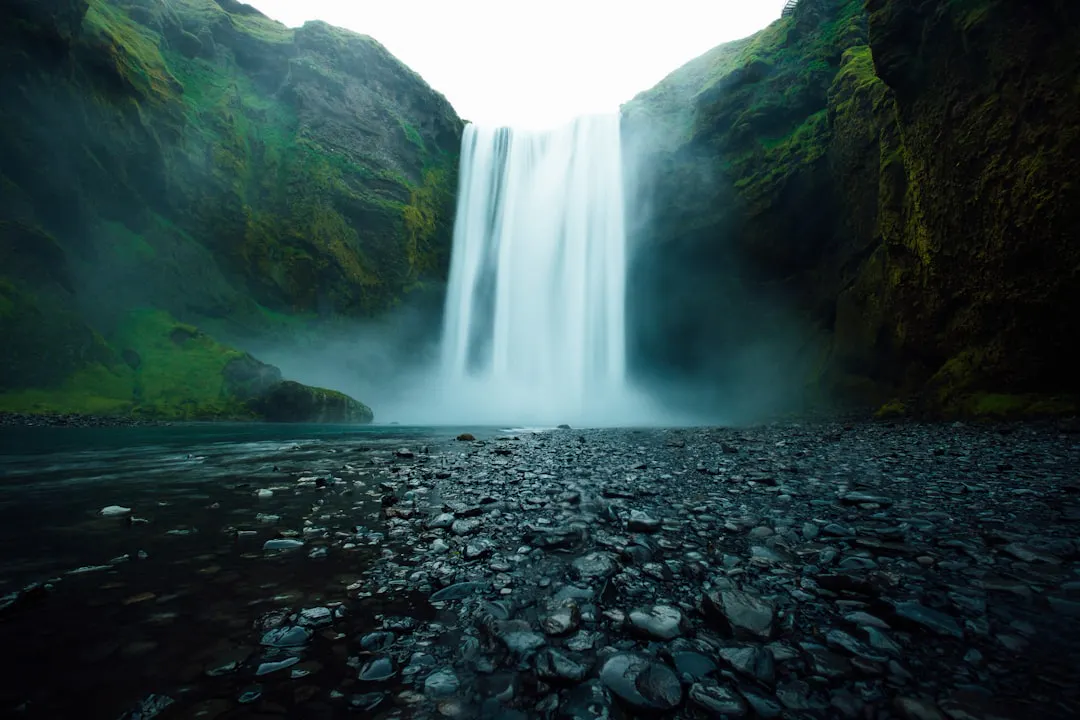
Most people who venture into Iceland's interior head straight for Landmannalaugar, the rainbow-coloured rhyolite mountains that headline every Iceland highlands itinerary. Landmannalaugar is stunning, full stop. But Kerlingarfjöll, located deeper in the Highlands along the Kjölur route, is just as jaw-dropping and sees far fewer visitors. The geothermal area here is genuinely otherworldly — steaming fumaroles, bubbling hot springs, and vivid orange and yellow mineral deposits set against snow-capped peaks.
You can only reach Kerlingarfjöll during summer (roughly June to September), and you'll need an F-road capable vehicle. Once you're there, the hiking trails through the geothermal valley are some of the most surreal I've ever walked. There's a mountain lodge on-site that offers guided hiking and multi-day trekking packages — absolutely worth booking in advance, because word is slowly getting out.
Snæfellsnes Peninsula: More Than Just a Glacier
Snæfellsnes gets a respectable amount of attention, mainly because the glacier-capped volcano Snæfellsjökull sits at its tip and inspired Jules Verne's Journey to the Center of the Earth. Glacier hikes up Snæfellsjökull are genuinely excellent, and booking a guided glacier tour here is one of the best experiences in western Iceland — crampons on, ice axe in hand, clouds swirling around the summit crater.
But the peninsula itself is so much more than the glacier. Most day-trippers from Reykjavík rush to the glacier and back, completely bypassing the extraordinary black lava fields at Búðahraun, the dramatic basalt sea stacks at Lóndrangar, and the tiny fishing village of Arnarstapi, where you can watch Arctic terns dive-bomb the coastal cliffs. Spend two nights on the peninsula, not one, and explore the northern shore road for near-total solitude.
The Reykjanes Peninsula's Secret Side
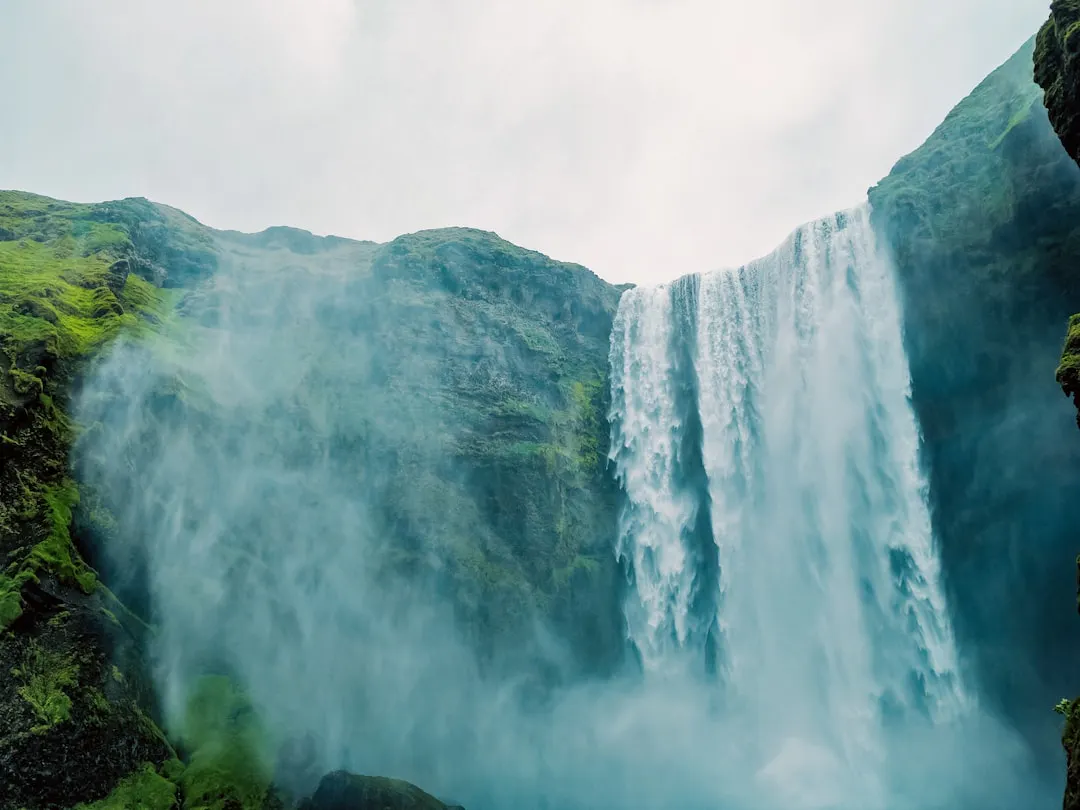
Here's a local tip most tourists completely ignore: the Reykjanes Peninsula, sitting right beneath Reykjavík, is one of the most geologically active places on Earth and has been erupting intermittently since 2021. While everyone rushes past it on the way to the Blue Lagoon, Reykjanes is littered with lava tubes, volcanic craters, and geothermal fields that you can often explore with just a small guided tour group. The fishing town of Grindavík, the Gunnuhver hot springs, and the Bridge Between Continents — where you can literally walk between the Eurasian and North American tectonic plates — are all within thirty minutes of Keflavík airport.
If your flight lands early or you have a layover day, skip the airport hotel and book a small-group geology tour of Reykjanes instead. It's one of the most underrated half-days in Iceland.
Húsavík: Whale Watching Capital of Europe 🐋
Húsavík in north Iceland has earned its reputation as the best place in Europe for whale watching, and honestly, it deserves every bit of the hype. While whale watching tours also run out of Reykjavík and Akureyri, Húsavík sits right at the edge of Skjálfandi Bay, where humpback whales feed in extraordinary numbers from May through September. I've been on whale watching tours in a dozen countries, and this is the one that made me genuinely emotional.
The town itself is charming and walkable, with a brilliant Whale Museum (Hvalasafnið) that gives you serious context before you head out on the water. Book your Húsavík whale watching tour early in peak season — the best operators fill up weeks in advance. If you want to combine it with a trip to see puffin colonies or explore the nearby Jökulsárgljúfur canyon (home to the thundering Dettifoss waterfall, the most powerful in Europe), you can easily build a three-day north Iceland loop.
Ice Caves Beyond the Tourist Trail
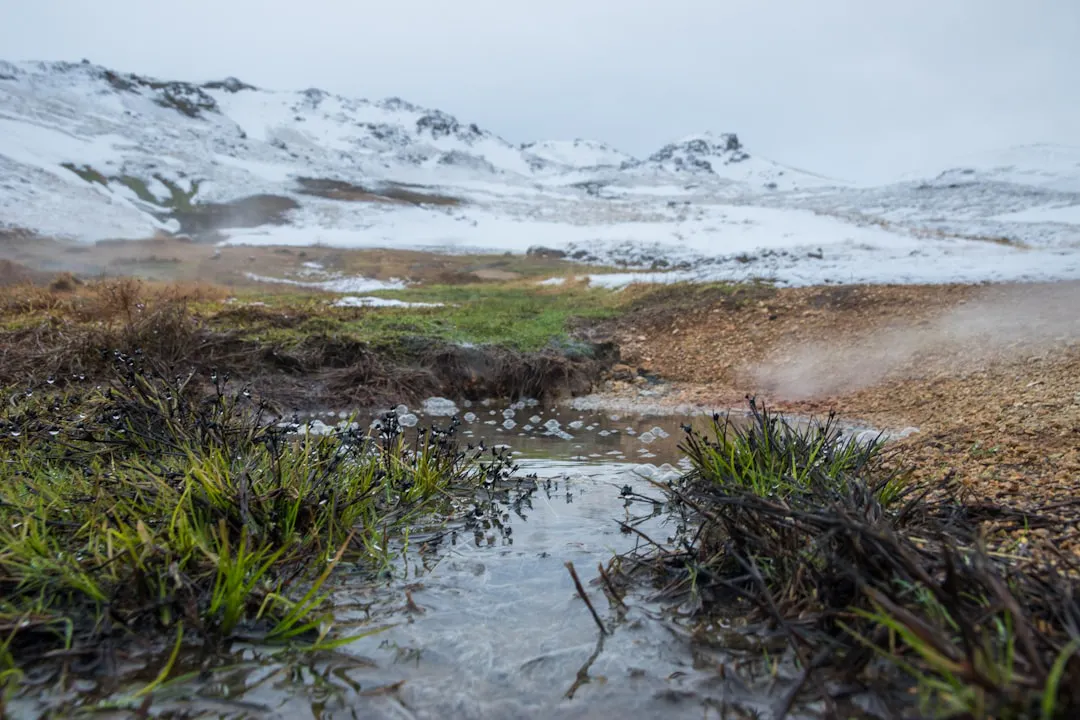
Everyone's heard of the Vatnajökull ice caves. And yes, a guided ice cave tour inside Europe's largest glacier is absolutely as spectacular as Instagram suggests — the deep blue crystal ice is genuinely unlike anything else on the planet. But beyond the well-known caves near Jökulsárlón glacier lagoon, there are ice cave experiences on Mýrdalsjökull and Langjökull that attract far smaller crowds. Some operators run year-round ice cave tours inside Langjökull through man-made tunnels that go deep into the glacier's heart — a completely different, and surprisingly intimate, experience.
Northern lights tours are another area where going local pays off. Instead of booking a big-bus tour from Reykjavík, ask smaller operators in the north — around Akureyri or even the village of Vík — about their aurora hunting trips. Smaller groups, darker skies, and guides who genuinely know the local weather patterns make all the difference between a mediocre light show and a night you'll talk about for the rest of your life.
Plan Smart, Go Far
The honest secret to Iceland is this: the further you go from the Ring Road, the more rewarding the experience. Rent the right vehicle, book your tours with knowledgeable local guides, and give yourself more time than you think you need. Iceland has a way of slowing you down — and that's entirely the point. Whether you're lacing up crampons for a glacier hike, scanning the horizon for a humpback tail, or simply pulling over because an unnamed waterfall just appeared out of nowhere, the island gives back exactly as much as you're willing to put in. Start planning your off-the-beaten-path Iceland adventure with QRTours, and go find the version of Iceland most visitors never get to see.

