How to See the Northern Lights in Iceland: A Complete Guide
Published
When to go, where to go, and what actually improves your chances of seeing the aurora. No fluff, just a practical guide.

The northern lights are not guaranteed. Anyone who tells you otherwise is selling something. What Iceland does offer is a long season, minimal light pollution outside Reykjavík, and enough clear nights — if you stay long enough — to give yourself a real shot. Here is what actually matters.
When to Go
The aurora season in Iceland runs roughly from late August to mid-April. That window exists because you need darkness, and Iceland's summers have almost no night at all. The sweet spot for most travellers is October through February: long dark nights, and statistically more clear sky hours than the depths of November. September and March are also strong — equinox periods tend to coincide with higher geomagnetic activity, though scientists still debate exactly why.
You need a minimum of three or four nights to give yourself a reasonable chance. One-night aurora chasers do get lucky, but it is genuinely just luck. Five to seven nights puts the odds firmly in your favour.
Related experiences


What You Actually Need
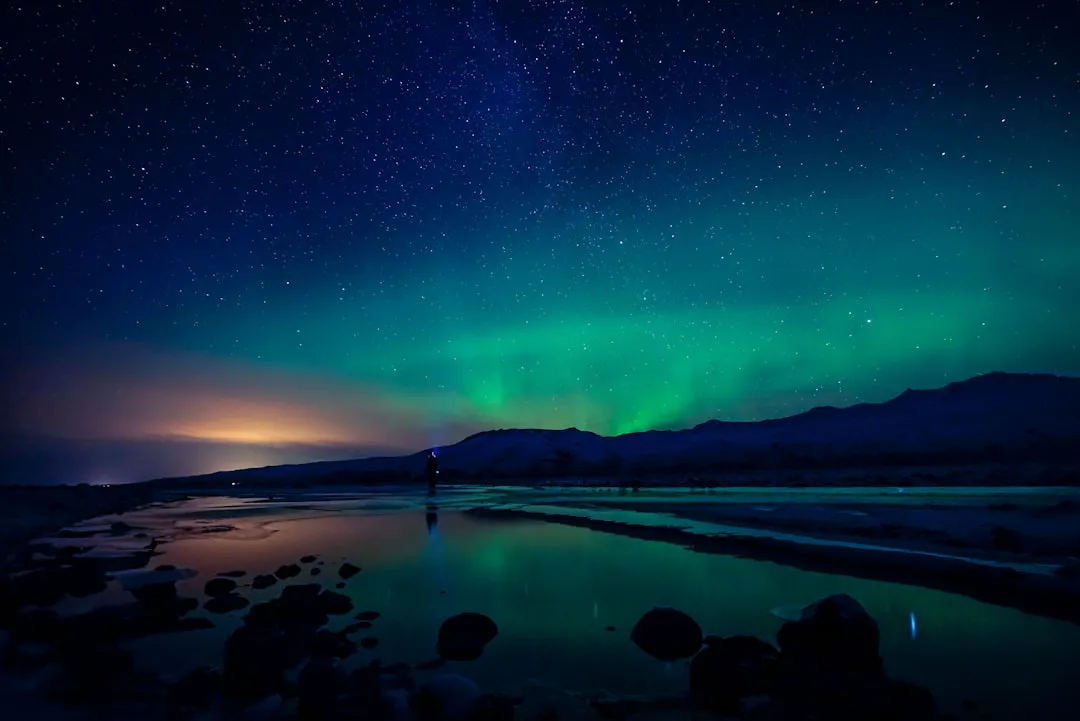
Three things have to line up: solar activity, clear skies, and darkness. You can check all three before you go out.
For solar activity, use the Kp index. It runs from 0 to 9. In Iceland, a Kp of 2 or 3 is often enough to see the lights at higher latitudes, especially away from city lights. A Kp of 5 or above means the aurora can be visible even from Reykjavík. The Icelandic Meteorological Office publishes a dedicated aurora forecast at vedur.is — it combines cloud cover and geomagnetic activity into a single map, and it is the most useful free tool available.
Cloud cover is the thing that kills most aurora attempts. Iceland's weather moves fast, so a cloudy forecast at 8pm can clear by midnight. If it is overcast in Reykjavík, drive. Even 30 to 40 minutes east or north can put you under a clear patch.
Where to Go
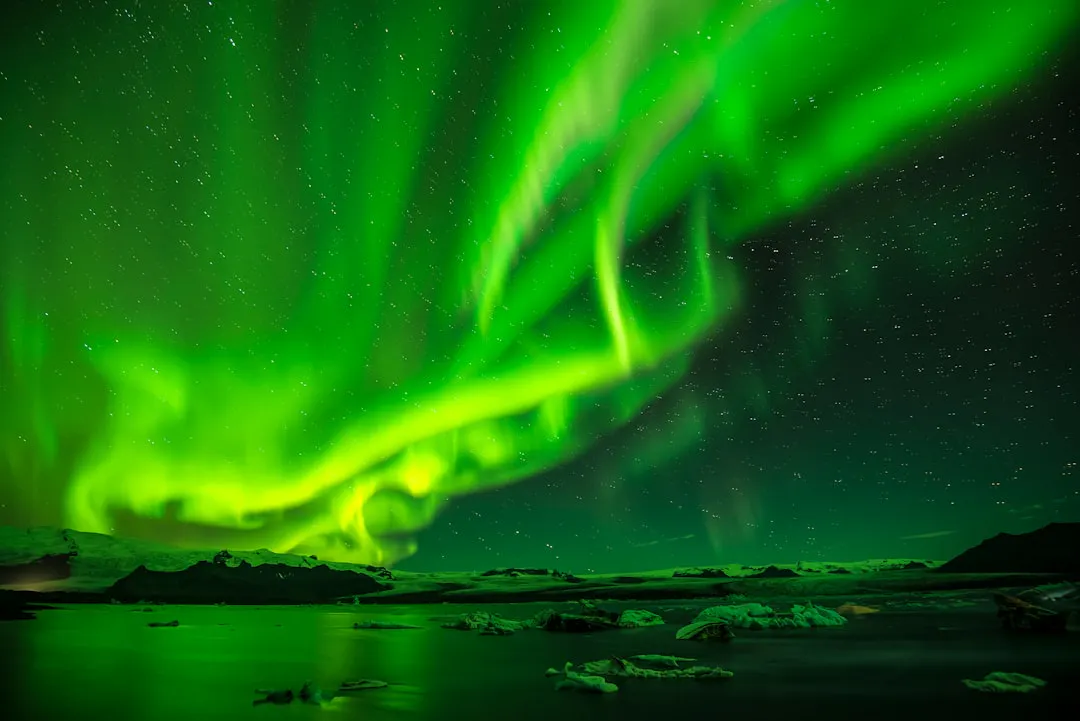
You do not need to travel far from Reykjavík for a decent dark-sky location, but you do need to get away from streetlights. Grótta lighthouse, at the western tip of the Seltjarnarnes peninsula, is about 15 minutes from the city centre and popular for good reason — it is dark enough on a clear night with strong activity. The carpark at Öskjuhlíð hill is another quick option.
If you are willing to drive an hour or two, the Snæfellsnes peninsula and the Þingvellir (roughly 'Thing-vet-lir') area both offer dark skies and interesting foregrounds for photos. The Reykjanes peninsula, despite being close to the city, has some genuinely dark spots near the coast.
Further afield, the north of Iceland around Akureyri and the Westfjords offers some of the darkest skies in the country. If you are basing yourself there, your odds per clear night are better than in the south.
Tours vs Going It Alone
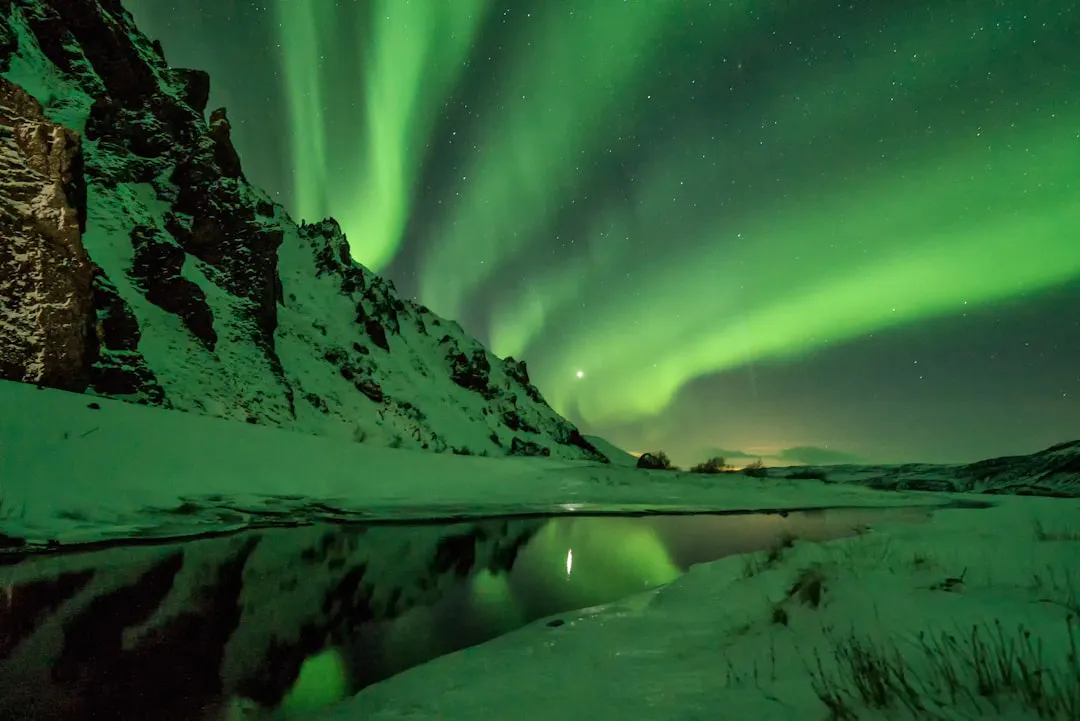
Dedicated northern lights tours run from Reykjavík most evenings during the season. The main advantage is that guides track cloud cover and Kp readings in real time, and they drive — meaning you can cover more ground than you would in an unfamiliar rental car at midnight. Most tours run for three to four hours and include transport from central Reykjavík.
Going solo is absolutely viable if you have a rental car and are comfortable driving Icelandic roads at night. Stick to paved roads after dark unless you have a 4WD and experience with gravel. The aurora can appear and disappear in minutes, so having the flexibility to pull over instantly is a genuine advantage.
How to Photograph the Aurora
You do not need expensive gear, but you do need manual controls. A wide-angle lens, a tripod, and a shutter speed of around 5 to 15 seconds at ISO 800 to 3200 will get you a decent shot. Start with f/2.8 or the widest aperture your lens allows. The exact settings depend on how active the display is — brighter aurora means you can shorten the exposure.
Phone cameras have improved significantly. Recent iPhone and Android flagships have dedicated night modes that can capture a faint aurora, though strong activity photographs better.
A Few Things Worth Knowing
The aurora is silent. There is a long-running debate about whether some people hear sounds during displays, but there is no scientific consensus, and most visitors hear nothing. Do not let anyone tell you that you missed an audible experience.
Dress for standing still in the cold. Walking keeps you warm; standing in a field at 11pm in January does not. Layers, windproof outer shell, warm hat, gloves, and decent footwear matter more than any camera setting.
If you see a faint greenish smear on the horizon and think it might just be light pollution — check your phone camera. The sensor picks up aurora more easily than the human eye, so a quick photo will confirm whether you are looking at the real thing.
The best practical move you can make is to stay flexible with your evenings. Book dinners early, keep nights free, and check vedur.is before you go to bed. The aurora rarely announces itself at a convenient hour.

