Whale Watching in Iceland: The Complete Guide
Published
From humpbacks to minkes, Iceland is one of the best places in the world to see whales. Here's everything you need to plan your trip.

Iceland sits in waters rich enough to support over 20 species of whale, and boat tours run from multiple ports across the country. The success rates on most tours are genuinely high — operators in Húsavík regularly report sightings on over 95% of departures during peak season. If you're coming to Iceland and want to see whales, this is one of the more reliable wildlife experiences you can book.
Where to Go Whale Watching in Iceland
Related experiences


Húsavík — The Dedicated Whale Capital
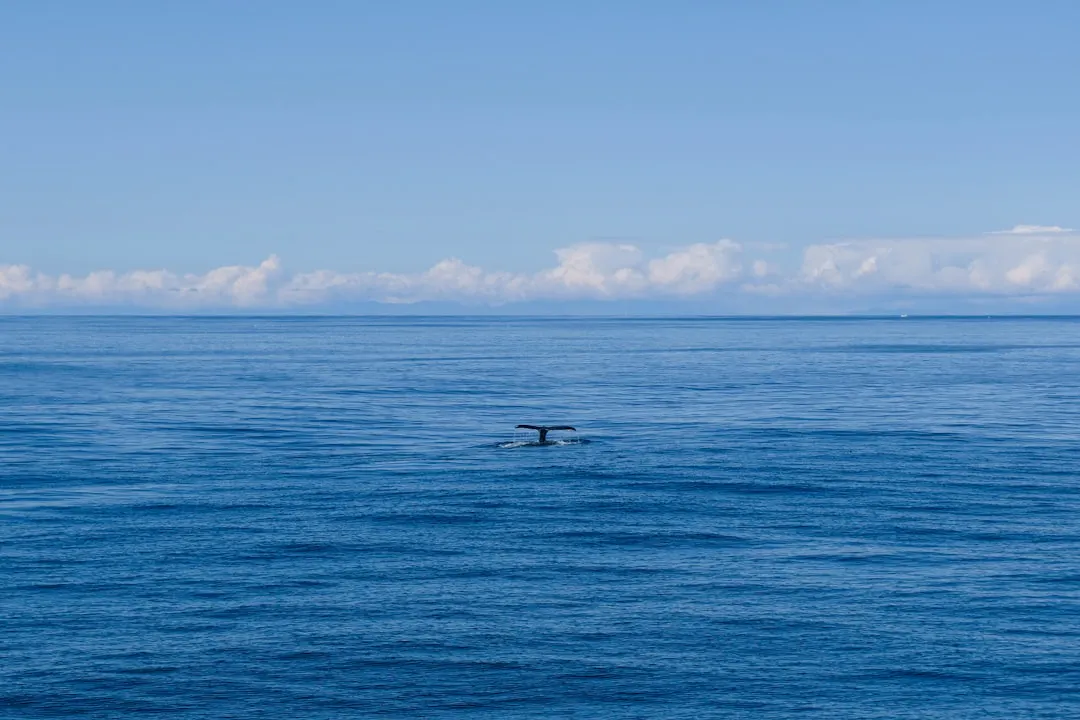
Húsavík (say: HOO-sa-veek), on Iceland's north coast, has built its entire identity around whale watching. Tours here head into Skjálfandi Bay, which has a strong upwelling of cold, nutrient-rich water that keeps whales feeding in the area throughout summer. Humpback whales are the star attraction — large, active, and prone to breaching — and minke whales are frequently spotted too. White-beaked dolphins are common, and blue whales, the largest animals on Earth, are occasionally seen.
The journey from Reykjavík to Húsavík is around 490 kilometres, which is roughly a 5-hour drive. Most visitors either fly to Akureyri and drive 90 minutes east, or include it as part of a longer Ring Road trip. If Húsavík is your main reason for going north, it's worth it — but plan to stay at least one night rather than rushing back.
Reykjavík — Whale Watching from the Capital
If you're short on time, whale watching tours operate directly from the Old Harbour in Reykjavík. Minke whales are the most common sighting, with harbour porpoises also appearing regularly. The experience is less consistently spectacular than Húsavík — the feeding conditions in Faxaflói Bay are not as concentrated — but the convenience is hard to argue with. Tours run year-round, with summer giving the best odds.
Several operators depart from Reykjavík's Old Harbour, including Elding and Special Tours, both of which have long-running reputations and offer 'free follow-up tours' if you don't spot any whales.
Akureyri and Dalvík
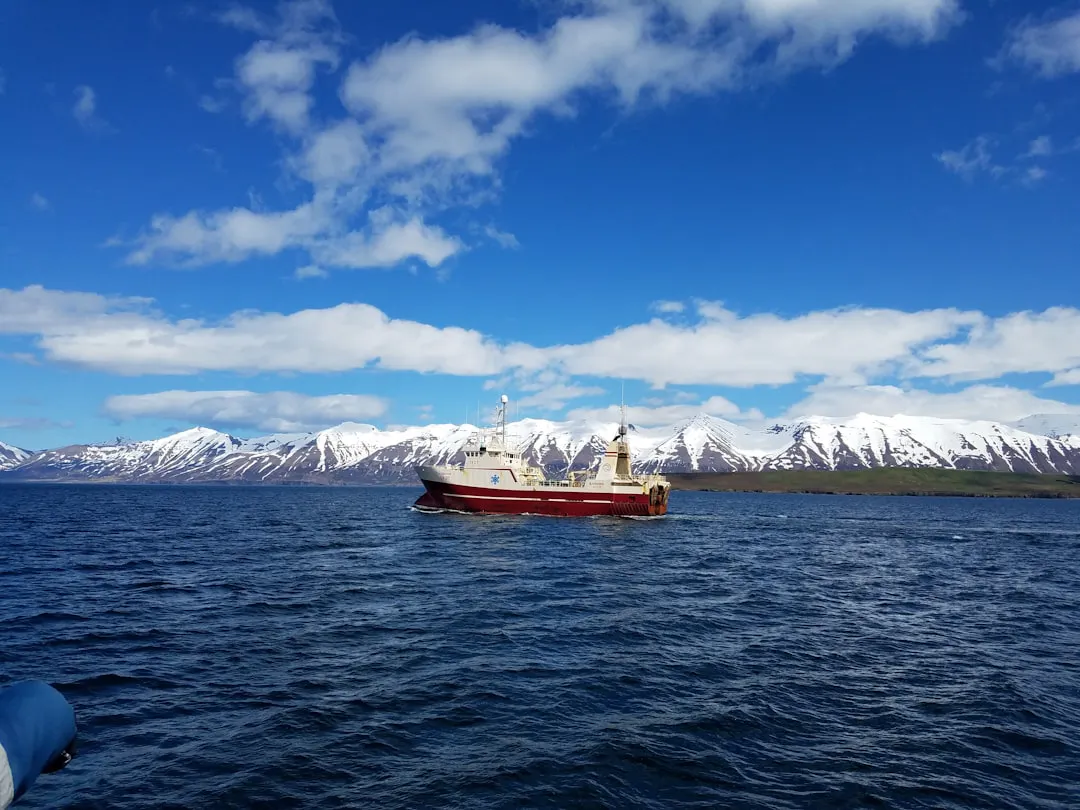
Tours also run from Dalvík, a small fishing town about 35 kilometres north of Akureyri on the Eyjafjörður fjord. Humpback whales move into the fjord during summer, making this another solid option in the north without the full trek to Húsavík. If you're already based in Akureyri, this is the most practical choice.
When to Go
The season runs roughly from April through October, with June, July, and August being the peak months. Whale activity is highest in summer because that's when feeding is most intense — the long daylight hours fuel enormous plankton and fish blooms, which bring the whales in close. Humpbacks in particular are far more frequently spotted in summer.
Winter whale watching does exist, mainly from Reykjavík, and orca sightings in the Snæfellsnes area have been reported during the colder months when herring schools move inshore. But if you specifically want reliable humpback sightings, plan for June through August.
What Species Can You See?
Minke whales are the most commonly spotted species across Iceland — they're small (around 8-10 metres), fast, and curious around boats. Humpback whales are larger, slower, and dramatically more showy, and Húsavík gives you the best odds of seeing them. White-beaked dolphins are not whales, but they're frequently seen on tours and worth mentioning — they're fast, social, and tend to surf bow waves.
Blue whales are occasionally spotted off the north and west coasts, but sightings are unpredictable. Orcas appear most reliably in the Snæfellsnes Peninsula area, particularly in winter when herring concentrate in those waters, though dedicated orca tours are a more specialist offering.
What to Expect on a Tour
Most tours last 2-3 hours and operate on traditional wooden or RIB (rigid inflatable boat) vessels. RIB tours are faster and more exhilarating but expose you to the elements fully — they suit people who want a more active experience and don't mind getting wet. Traditional boats are slower and more comfortable, and better suited to families or anyone prone to seasickness.
The North Atlantic is cold, and even on a calm summer day the wind on the water drops the temperature significantly. Dress in more layers than you think you need. Most operators provide overalls or weatherproof suits, which helps, but thermal underlayers are still a good idea.
Seasickness is worth taking seriously. Faxaflói Bay off Reykjavík can be choppy, and even in summer conditions can change quickly. If you're prone to motion sickness, take medication before you board — waiting until you're already queasy is too late.
Booking a Whale Watching Tour
Book in advance during July and August — tours sell out, especially in Húsavík where capacity is limited and demand is high. Most operators allow online booking and have flexible cancellation policies tied to weather conditions. Tours are cancelled or rescheduled when seas are too rough, so build some flexibility into your itinerary if whale watching is a priority.
If you're travelling the Ring Road, combining a Húsavík whale watching tour with a stop at the nearby Mývatn area makes good logistical sense — you get the volcanic landscape of Mývatn and the marine wildlife of Húsavík in the same leg of the trip.
One Practical Tip
The front of the boat gets wet and bouncy. The back is warmer and more stable. If you're worried about seasickness or cold, position yourself at the stern. The views are the same either way — whales surface where they want to, not where you're standing.

