Puffins in Iceland: Where and When to See Them
Published
Iceland hosts the world's largest Atlantic puffin colony. Here's exactly where to find them, when they arrive, and how to get close.

Iceland is home to the largest Atlantic puffin population in the world, with an estimated 8-10 million birds arriving each summer to breed. They're not here year-round — puffins spend most of their lives at sea — so timing your visit correctly makes the difference between seeing thousands of them and seeing none.
When Do Puffins Arrive in Iceland?
Puffins typically arrive in Iceland in late April or early May and leave again in August or early September. The peak viewing window is June and July, when colonies are at their busiest and the birds are actively feeding chicks in their burrows. If you're visiting outside this window, don't count on seeing them.
Late August is actually a fascinating time to visit if you want to witness something unusual: the 'puffling rescue.' Young puffins leaving their burrows for the first time often get disoriented by artificial lights in coastal towns and end up stranded in streets rather than heading out to sea. Locals — especially children in Vestmannaeyjar — collect them and release them safely from the shore. It's a genuine community tradition, not a tourist event.
Related experiences


The Best Places to See Puffins in Iceland
Vestmannaeyjar (Westman Islands)
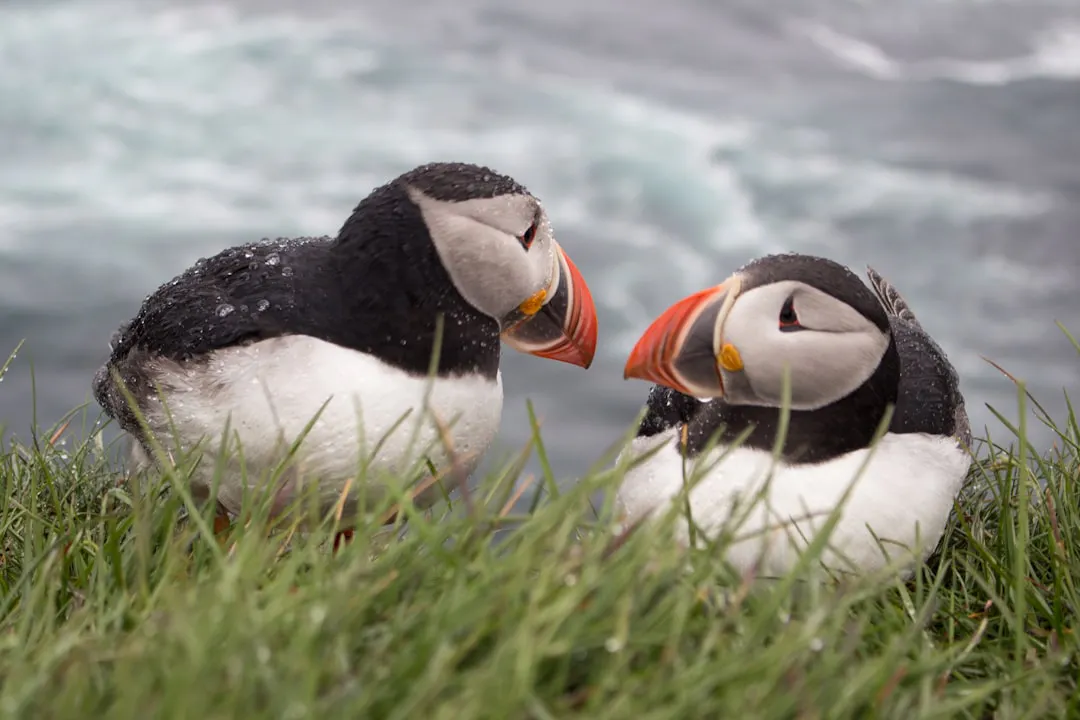
Vestmannaeyjar, off Iceland's south coast, is the single most important puffin site in the world. Roughly 20% of the global Atlantic puffin population breeds here. You can reach the islands by ferry from Landeyjahöfn — the crossing takes around 35 minutes — or by a short flight from Reykjavík. The cliffs around Heimaey, the only inhabited island, give you close views without needing a boat. A puffin watching boat tour gets you right to the cliff faces where thousands of birds are nesting.
Látrabjarg
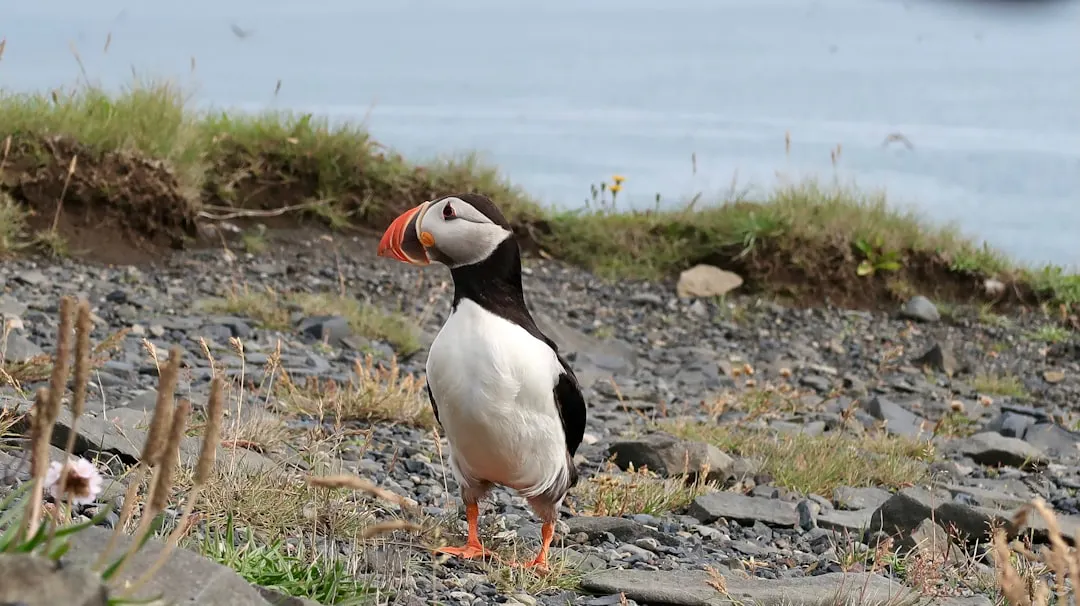
Látrabjarg is the westernmost point in Iceland and one of the longest bird cliffs in Europe, stretching around 14 kilometres. Puffins here are famously unbothered by people — it's common to get within a metre or two of them as they sit outside their burrows. The drive from Reykjavík takes around 5-6 hours, so most people combine it with a wider Westfjords itinerary rather than making it a day trip. It's genuinely worth the detour if you're already heading to the Westfjords.
Dyrhólaey
Dyrhólaey is a peninsula on the south coast, about a 2-hour drive from Reykjavík, and one of the easier puffin spots to reach as a day trip. The cliffs and rock arch here host a puffin colony each summer, though numbers are smaller than Látrabjarg or Vestmannaeyjar. Note that part of Dyrhólaey closes to visitors during the nesting season to protect the birds — check current access before you go.
Borgarfjörður Eystri

If you're travelling in East Iceland, Borgarfjörður Eystri has a well-known puffin colony right at the harbour. There's a wooden viewing platform built specifically to let visitors watch the birds without disturbing the nesting area. It's one of the most accessible puffin spots in the country — you can walk there in minutes from the village.
Þórsmörk and the Ingólfshöfði Promontory
Ingólfsfjall — specifically the Ingólfshöfði promontory on the south coast — is another reliable puffin spot, accessible only by tractor across tidal flats. Guided tours run from the nearby farm during summer. It's a smaller colony but the experience of crossing the flats by tractor makes it memorable for the right reasons.
Tips for Watching Puffins Responsibly
Stay on marked paths near cliff edges — not just for your own safety, but because puffin burrows are in the ground and easy to collapse underfoot. Keep noise down near nesting areas. And give birds space when they're coming in to land with sand eels; they're clumsy on approach and easily startled.
A standard camera lens will get you decent shots at Látrabjarg given how close the birds come. For Vestmannaeyjar boat tours, a zoom helps since you're shooting up at cliff faces.
Booking Tours to See Puffins
From Reykjavík, puffin boat tours operate out of the Old Harbour during summer and are one of the most popular short activities in the city — though the city harbour colony is much smaller than the west or south coast sites. For a more immersive experience, a day trip to Vestmannaeyjar or a multi-day Westfjords tour that includes Látrabjarg will show you puffins in genuinely large numbers.
If you're planning around puffins specifically, June and July give you the longest daylight hours and the highest chance of good weather. Book ferry tickets to Vestmannaeyjar in advance during peak summer — they fill up.

