Best Time to Go Whale Watching in Iceland
Iceland is one of the best places in the world to see whales up close. Here's exactly when to go and what species to expect.

Iceland sits in the middle of some of the North Atlantic's most productive feeding grounds, which is why whale watching here is genuinely excellent rather than just a tourist tick-box. You're not peering at a distant splash — humpbacks and minkes regularly surface close to boats, and sightings are common enough that most operators offer a free return trip if you don't spot anything.
When Is the Best Time to Go Whale Watching in Iceland?
The short answer: May to September. That's when warmer water pushes plankton and fish into Icelandic waters, and the whales follow. June, July, and August are peak months for both whale activity and calm seas, which makes the boat ride considerably easier on the stomach.
April and October can still produce good sightings, but success rates drop and weather becomes less predictable. Winter whale watching does happen — particularly out of Reykjavík — but conditions are rougher and sightings less frequent. Some operators run year-round tours specifically targeting humpbacks that have started appearing in Faxaflói Bay during colder months, so it's not impossible, just less reliable.
Related experiences


Where to Go Whale Watching in Iceland
Húsavík
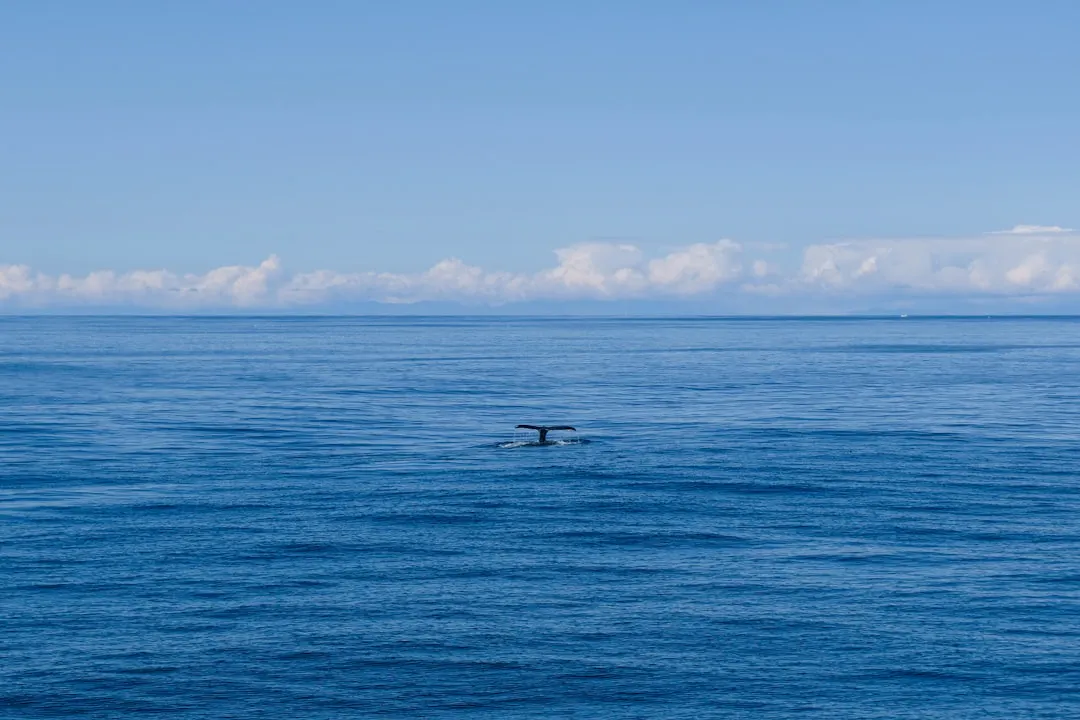
Húsavík, on Iceland's north coast roughly 75 kilometres east of Akureyri, is the country's best-known whale watching base. The town sits on Skjálfandi Bay, which is exceptionally rich feeding ground. Humpback whales are the main draw here, and sightings rates in summer regularly exceed 95%. Minke whales, white-beaked dolphins, and harbour porpoises are also common. On rarer occasions, blue whales and fin whales appear in the bay. Tours from Húsavík typically run 2.5 to 3.5 hours. The town also has a dedicated Whale Museum worth an hour of your time before or after the trip.
Reykjavík
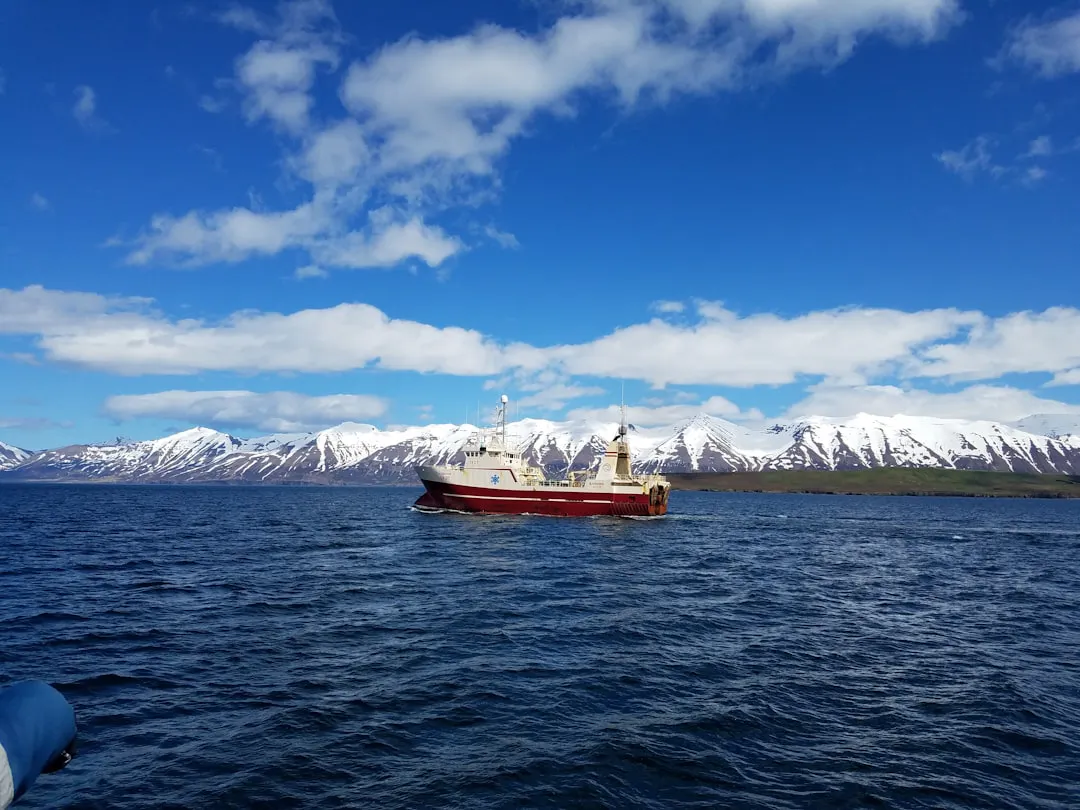
Whale watching from Reykjavík Old Harbour is the most convenient option if you're based in the capital. Tours head out into Faxaflói Bay and take around 3 hours. Minke whales and harbour porpoises are the most consistent sightings, with humpbacks becoming more frequent in recent years. Success rates are generally lower than Húsavík, but you're saving yourself a six-hour round trip to the north.
Dalvík and Akureyri
Tours also depart from Dalvík and Akureyri in North Iceland, offering access to similar waters to Húsavík. Humpbacks and minkes are the main species. If you're already in the Akureyri area, this is a solid option that doesn't require backtracking.
What Whales Will You Actually See?
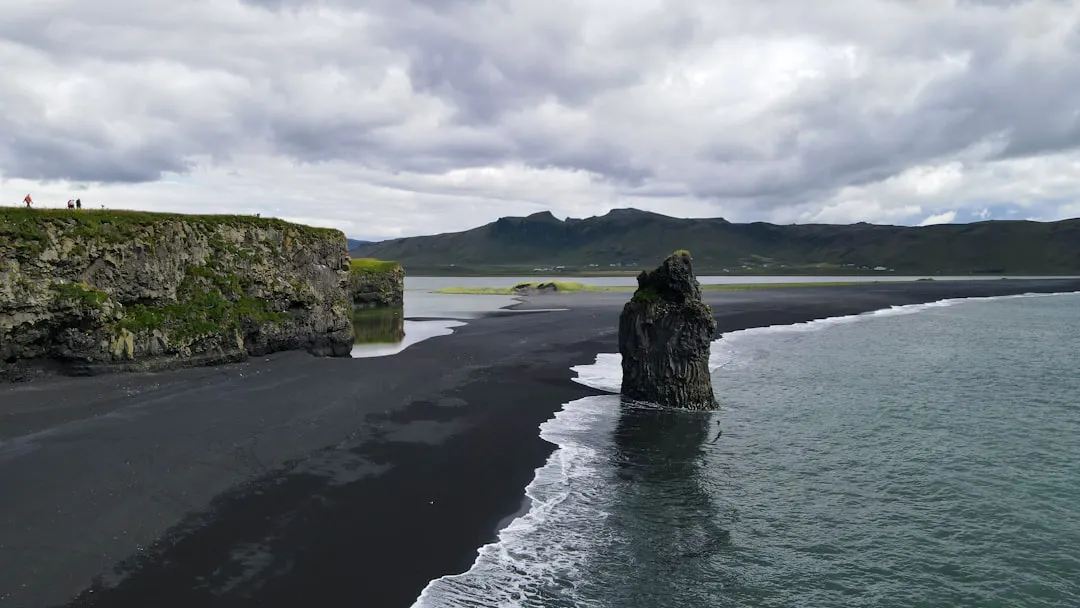
Humpback whales are the highlight for most visitors — they're large, active at the surface, and regularly breach or slap their fins. Minke whales are smaller and less showy but more frequently spotted overall. White-beaked dolphins are common in summer and often ride the bow wave of tour boats. Sperm whales are occasionally spotted on deeper water tours, particularly off the Snæfellsnes Peninsula.
Blue whales, the largest animals on the planet, do feed in Icelandic waters — primarily off the south and west coasts and around Húsavík in peak summer. Sightings aren't guaranteed and tours don't specifically target them, but it happens. Orca (killer whales) are spotted mainly in winter around the Snæfellsnes Peninsula and Westfjords, often following herring migrations.
Tips for Booking a Whale Watching Tour
Book morning tours if you can — seas tend to be calmer earlier in the day, particularly in summer. Dress in significantly warmer layers than you think you need. Even in July, being out on the water for three hours in a North Atlantic wind is cold, and most operators will tell you the same. Many tours provide overalls, but bring a base layer regardless.
If seasickness is a concern, take medication before you board rather than after symptoms start. Sitting at the back of the boat and keeping your eyes on the horizon helps too. Most vessels have indoor seating, but you'll want to be outside when whales appear.
Tours from Húsavík tend to use smaller, traditional oak boats alongside larger vessels — the smaller boats get you closer to the water, which makes for a more immediate experience but a rougher ride in choppy conditions. Check what vessel you're booking onto if that matters to you.
The bottom line: if whale watching is a priority, plan your Iceland trip for June or July, base yourself in Húsavík for at least one night, and book your tour a few days in advance during peak season. The sighting rates up there in summer are hard to beat anywhere in the North Atlantic.

