Diamond Beach Iceland: The Complete Visitor's Guide
Published
Chunks of glacier ice wash up on a black sand beach next to one of Iceland's largest glacial lagoons. Here's everything you need to plan your visit.

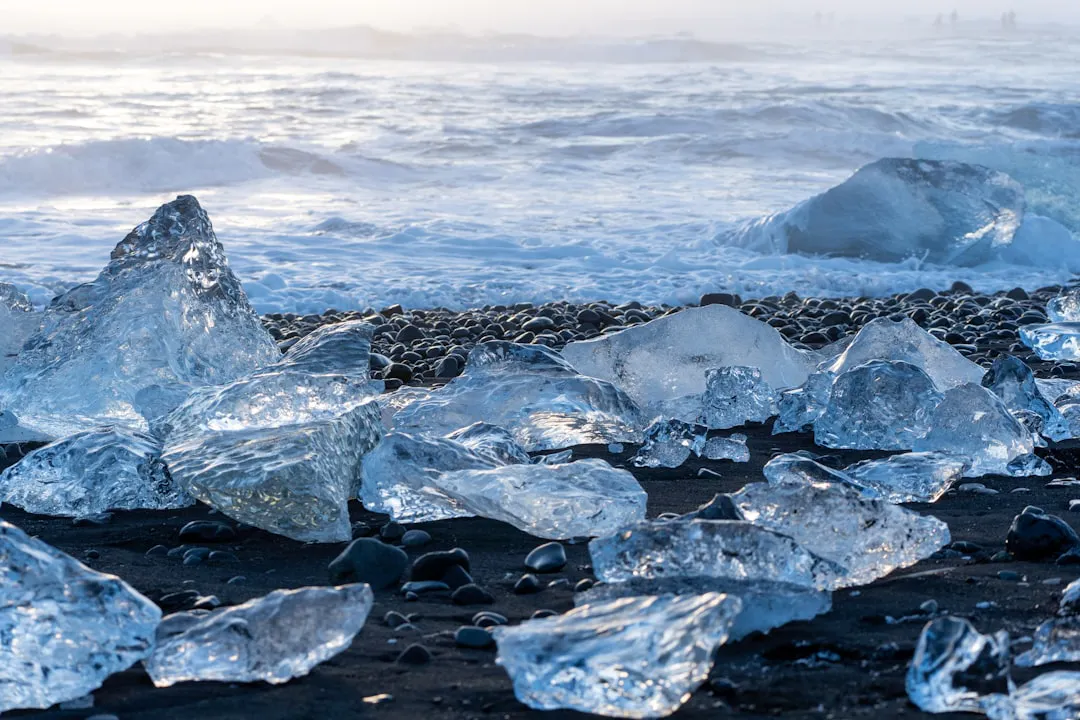
Diamond Beach sits directly across the ring road from Jökulsárlón glacial lagoon, on Iceland's south-east coast. Chunks of ice that have calved from the Breiðamerkurjökull glacier outlet, floated across the lagoon, and been pushed out to sea eventually wash back up here — landing on jet-black volcanic sand. The contrast is stark, the ice pieces are enormous, and it costs nothing to visit.
The beach is roughly 378 kilometres from Reykjavík, about a 4.5-hour drive along the Ring Road (Route 1). Most people combine it with a stop at Jökulsárlón on the same day, which makes sense — they're separated by less than 500 metres.
What You'll Actually See
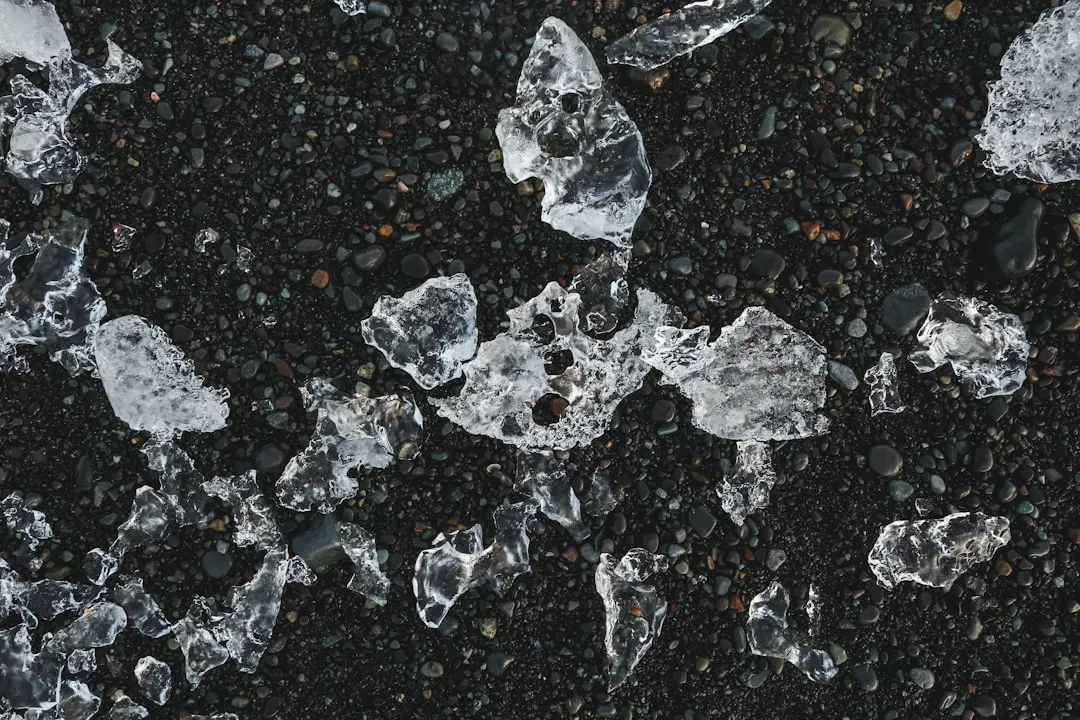
The ice blocks range from fist-sized chunks to pieces taller than a person. Some are completely clear, others are a deep blue where air has been compressed out over centuries of glacial pressure. Seals occasionally haul out on the larger pieces — both in the lagoon and sometimes on the beach itself.
The ice is constantly shifting. What's on the beach today won't be there tomorrow. Some mornings the sand is packed with ice; on other days it's almost empty, depending on tides and wind. There's no predicting it, which means every visit is genuinely different.
Related experiences


How Long Should You Spend Here
Most visitors spend 30 to 45 minutes on the beach itself. Factor in another hour or two if you're also visiting Jökulsárlón. If you're doing a boat tour on the lagoon, budget half a day for the whole stop.
Don't just walk to the nearest ice chunk and leave. Walk further down the beach away from the car park — the crowds thin out quickly and you'll often find larger, more photogenic ice formations. The beach stretches for several kilometres.
When to Visit Diamond Beach
The beach is accessible year-round, and each season has a genuine case for it. Winter gives you the chance of seeing the Northern Lights reflected in the ice after dark. Summer means almost 24 hours of daylight, which is useful for photography but removes the dramatic low-angle light. Shoulder seasons — April to May and September to October — tend to offer the best combination of light, manageable crowds, and road conditions.
For photography, come at sunrise or sunset when the light is low. In summer, that means very early or very late. In winter, golden hour can last most of the afternoon.
Avoid visiting in severe weather if you're not experienced with Icelandic conditions. Waves on this beach can be dangerous and come in fast. The warning signs are there for a reason — people have been swept off this beach. Stay well back from the water's edge and never turn your back on the ocean.
Jökulsárlón: Worth Combining Your Visit
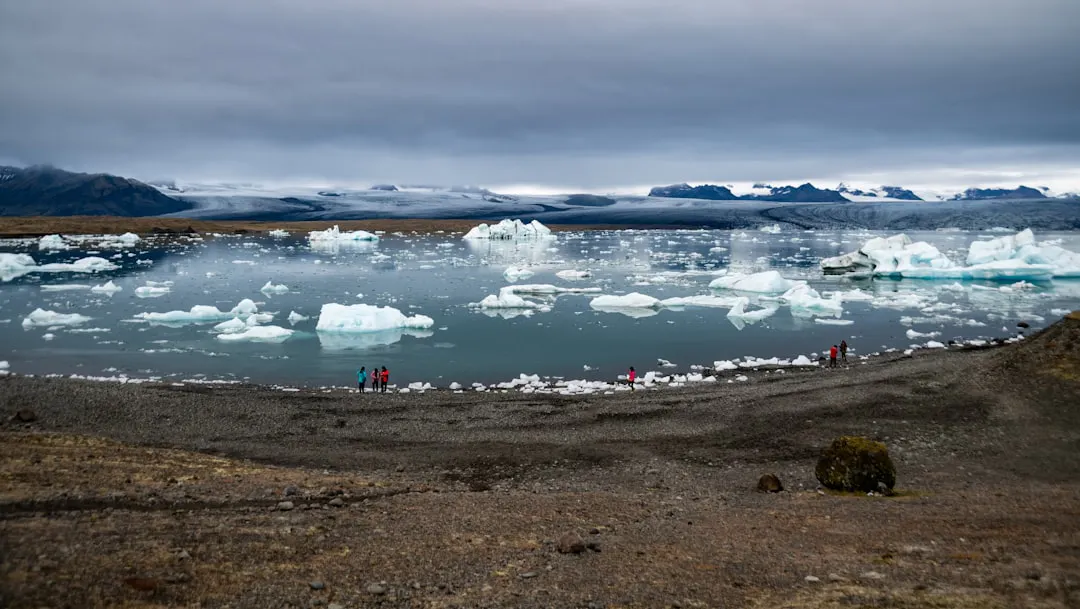
Jökulsárlón (roughly pronounced Yo-kuls-ow-lon) is one of Iceland's largest glacial lagoons, covering around 78 square kilometres. The lagoon has been growing steadily as the glacier retreats — it didn't exist before 1935. Amphibious boat tours and zodiac boat tours operate on the lagoon seasonally, getting you close to the floating icebergs. Check current operator availability and season dates before you go, as these vary year to year.
The lagoon is also a good spot for birdwatching. Arctic terns nest nearby and dive aggressively around the water's edge in summer — they will actually strike if you get too close to a nest. Skuas patrol overhead. Seals are a near-constant presence.
Getting There and Practical Info
Diamond Beach is on Route 1, the Ring Road, between the towns of Höfn to the east and Kirkjubæjarklaustur to the west. There's a car park on both sides of the road — one for the lagoon, one for the beach. Both are free.
There are no entrance fees for either the beach or the lagoon viewing area. Boat tours on the lagoon are ticketed separately.
Facilities are limited. There are public toilets near the lagoon car park and a small café that operates seasonally. Don't rely on finding food here — bring your own or stock up in Höfn (about 80 kilometres east) or at one of the petrol stations along the Ring Road.
If you're driving from Reykjavík in a single day, it's doable but long. Most travellers prefer to base themselves in or around Höfn for a night, which also lets you visit in the early morning before tour buses arrive from the west.
Practical Tip
I'd book a glacier hike on Sólheimajökull or Skaftafell on the same trip rather than trying to cram Diamond Beach into a long day from Reykjavík. The south-east coast rewards slow travel. Give yourself two nights minimum in the region — you'll see more, feel less rushed, and the ice will still be there in the morning.

