Reykjavík City Guide: What to See, Eat & Do
Published
Reykjavík is small enough to walk in a day but has enough to fill a week. Here's how to spend your time in Iceland's capital.

Reykjavík is home to about 130,000 people — nearly 40% of Iceland's entire population — and it shows. This is where the nightlife is, where the restaurants are, and where you'll find the infrastructure to plan the rest of your trip. But it's also genuinely worth exploring on its own terms, not just as a launchpad for the Golden Circle.
Most of the city centre is walkable. The main drag, Laugavegur, runs about 1.2 km from Hlemmur bus terminal down toward the old harbour, and the bulk of the shops, cafés, and bars are within a few blocks either side of it. If you've got two days, you can cover the highlights comfortably without a car.
Start With Hallgrímskirkja — But Don't Skip the Tower
The 74.5-metre church dominates the city skyline and is visible from almost anywhere in Reykjavík. Most people photograph it from the front and move on. That's a mistake. Pay the small fee to take the lift to the observation tower — the view over the coloured rooftops, the harbour, and Mount Esja on a clear day is the best free orientation you'll get of the city. The church itself is Lutheran and deliberately stark inside, which makes the enormous Klais organ (one of the largest in the world) all the more striking by contrast.
In front of the church stands a statue of Leifur Eiríksson, the Norse explorer credited with reaching North America around 1000 AD — roughly 500 years before Columbus. The statue was a gift from the United States in 1930 to mark the 1000th anniversary of the Icelandic parliament.
Related experiences


The Old Harbour Is Worth More Than an Hour
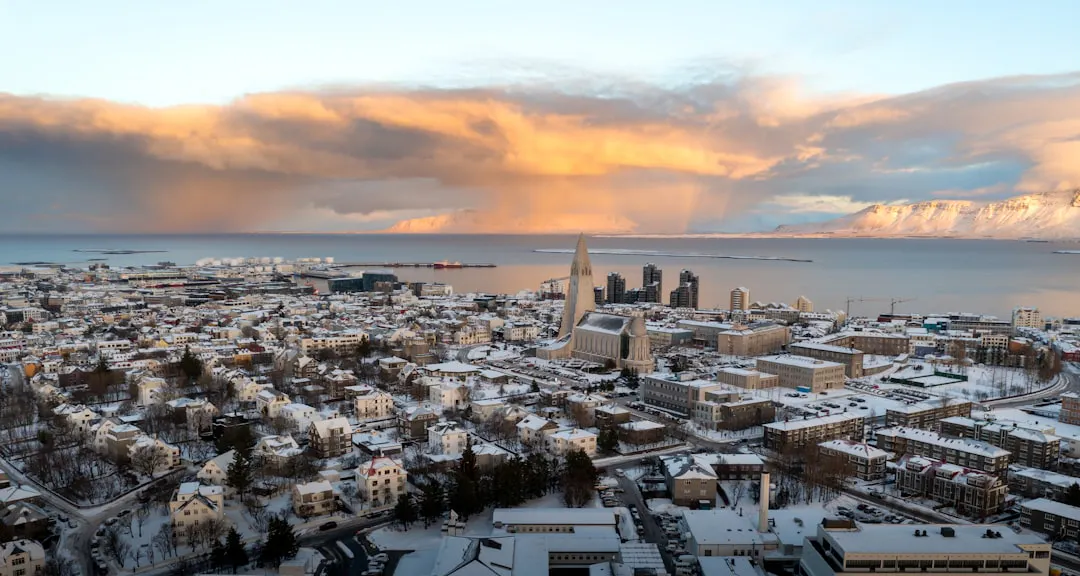
Reykjavík's harbour has shifted over the decades from a working fishing port to a mix of whale watching boats, seafood restaurants, and cultural venues. The Harpa Concert Hall sits right on the waterfront — the geometric glass facade was designed by Henning Larsen Architects in collaboration with artist Olafur Eliasson. Even if you're not attending a concert, step inside. The interior light play through the honeycomb glass panels is genuinely impressive, and entry to the building itself is free.
The harbour area is also where you'll depart for whale watching tours, which run year-round from Reykjavík. Summer (June to August) gives you the best odds of seeing humpbacks and minkes. Winter tours are quieter but you're more likely to have dolphins and harbour porpoise rather than large whales. Most tours run about three hours.
Eating in Reykjavík: Skip the Tourist Traps
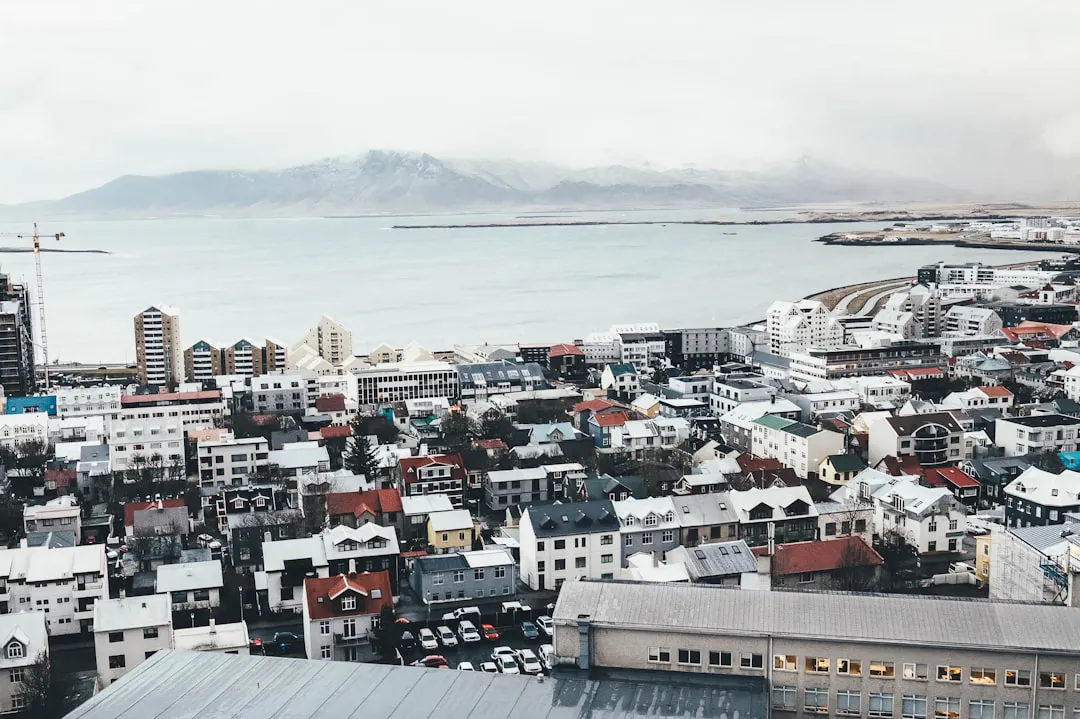
Laugavegur has plenty of options, but the closer you are to the main shopping stretch, the more you're paying for location. A few places worth knowing about: Bergsson Mathús near Templarasund does a reliable brunch and is popular with locals on weekends. For Icelandic lamb — genuinely one of the best things you'll eat in the country — look for restaurants that source from local farms and list the origin on the menu. The lamb here grazes free-range on highland pastures through summer, which affects the flavour noticeably.
The Hlemmur Food Hall at the east end of Laugavegur opened in 2017 and has become a solid option for lunch if you want variety without committing to one restaurant. It gets busy around midday on weekdays. Skyr — the thick Icelandic dairy product — is everywhere and worth trying in its plain form rather than the flavoured supermarket versions.
What to Do When the Weather Turns
Reykjavík weather is unpredictable in the way that anyone who's been to the North Atlantic will recognise: four seasons in one afternoon is not a cliché here. When it's raining sideways, the National Museum of Iceland on Suðurgata is the best way to spend two or three hours. It covers Icelandic history from the settlement period in the 9th century through to the 20th century, and the medieval artefacts section alone justifies the entry fee.
The Reykjavík Art Museum operates across three venues in the city — Hafnarhús, Kjarvalsstaðir, and Ásmundarsafn — and a single ticket covers all three. The Hafnarhús building in the harbour area is the most central and shows rotating contemporary exhibitions alongside a permanent collection of works by Erró, the Icelandic pop artist.
Day Trips From Reykjavík
The Golden Circle — Þingvellir National Park, the Geysir geothermal area, and Gullfoss waterfall — is a 230-300 km loop that most people do in a day. You can hire a car and do it independently, or join a guided tour that departs from Reykjavík daily. If you're short on time, Þingvellir alone is about 45 minutes from the city and worth an afternoon visit even without continuing the full loop.
The Blue Lagoon is 50 km from Reykjavík and about 20 minutes from Keflavík Airport, which makes it a logical stop if you're arriving or departing from the international airport. It requires advance booking — walk-up entry is not available. Entry prices vary by package, so check the official Blue Lagoon site before you go.
Practical Tips for Getting Around
Reykjavík's public bus network (Strætó) covers the city and some surrounding areas, and the app makes it easy to plan routes and buy tickets. Taxis are available but expensive by most European standards. For getting to the Golden Circle or South Coast, renting a car gives you the most flexibility — most rental agencies are based near the city centre or at the airport.
Parking in the city centre is metered and monitored strictly. If you're renting a car mainly for day trips, it's often easier to leave it at your accommodation and walk or bus around the city itself. Most hotels and guesthouses in the centre are within 15-20 minutes' walk of the main sights.

