Akureyri and North Iceland: A Complete Travel Guide
North Iceland is more than a detour from the Ring Road. Here's how to plan a proper trip to Akureyri and the region around it.

Most people fly into Reykjavík, do the Golden Circle, and never make it north. That's a mistake. North Iceland has a completely different feel — less crowded, more varied terrain, and Akureyri itself is a proper town with good restaurants and a local culture that the south coast doesn't really offer. If you have five days or more in Iceland, this region deserves at least two of them.
Getting to Akureyri
Akureyri sits about 390 kilometres from Reykjavík via the Ring Road (Route 1), which takes roughly four to five hours to drive without stops. That's a solid day of driving if you're going straight through, but most people break it up — there's plenty worth stopping for along the way.
The faster option is to fly. Domestic flights from Reykjavík's Domestic Airport (RVK) to Akureyri Airport take around 45 minutes, and Air Iceland Connect operates this route regularly. If you're short on time or planning a one-way road trip, flying one leg makes sense.
The town itself is walkable. You won't need a car once you're there, but you'll want one to explore the wider region.
Related experiences


What to Do in Akureyri
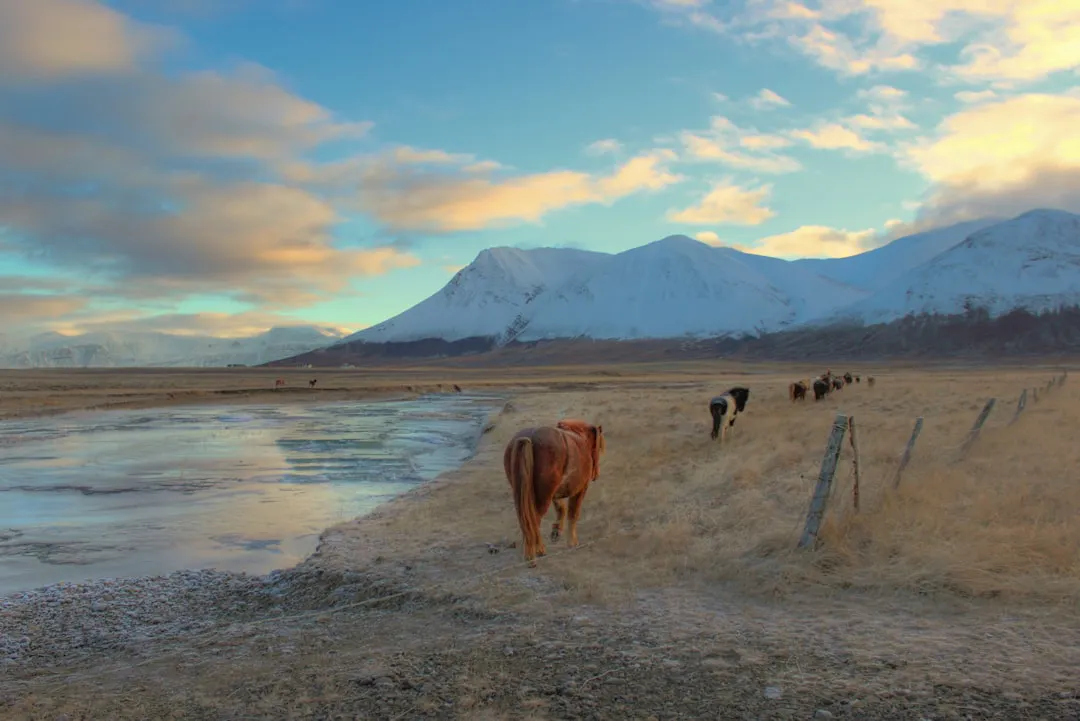
Akureyri (roughly pronounced 'AK-ur-ay-ree') is Iceland's second-largest urban area, though with a population of around 20,000 it's a small city by any international standard. That works in your favour — everything is easy to reach and it doesn't feel overrun.
The Akureyri Botanical Garden is worth an hour of your time. It's one of the northernmost botanical gardens in the world and free to enter. Visiting in summer, you'll find an impressive range of plants flowering at 65 degrees north latitude, which says a lot about the microclimate this fjord creates.
The town centre along Hafnarstræti has independent shops, bakeries, and the kind of café culture you'd expect from a university town. The iconic Akureyrarkirkja church sits on the hill above the main street — the walk up gives you a good view over the fjord, Eyjafjörður.
For skiing, Hlíðarfjall ski area is just outside town and one of the best in Iceland. It operates in winter, and lifts and conditions vary by season so check current status before planning around it.
Day Trips from Akureyri
Goðafoss
Goðafoss ('GOH-tha-foss', meaning Waterfall of the Gods) is about 50 kilometres east of Akureyri on the Ring Road — roughly a 40-minute drive. The falls are around 12 metres high and 30 metres wide, curving in a horseshoe shape across the Skjálfandafljót river. There's a car park on both sides of the river, and both viewpoints are worth seeing. Allow 45 minutes to an hour here. It's accessible year-round and there's no entry fee.
Mývatn
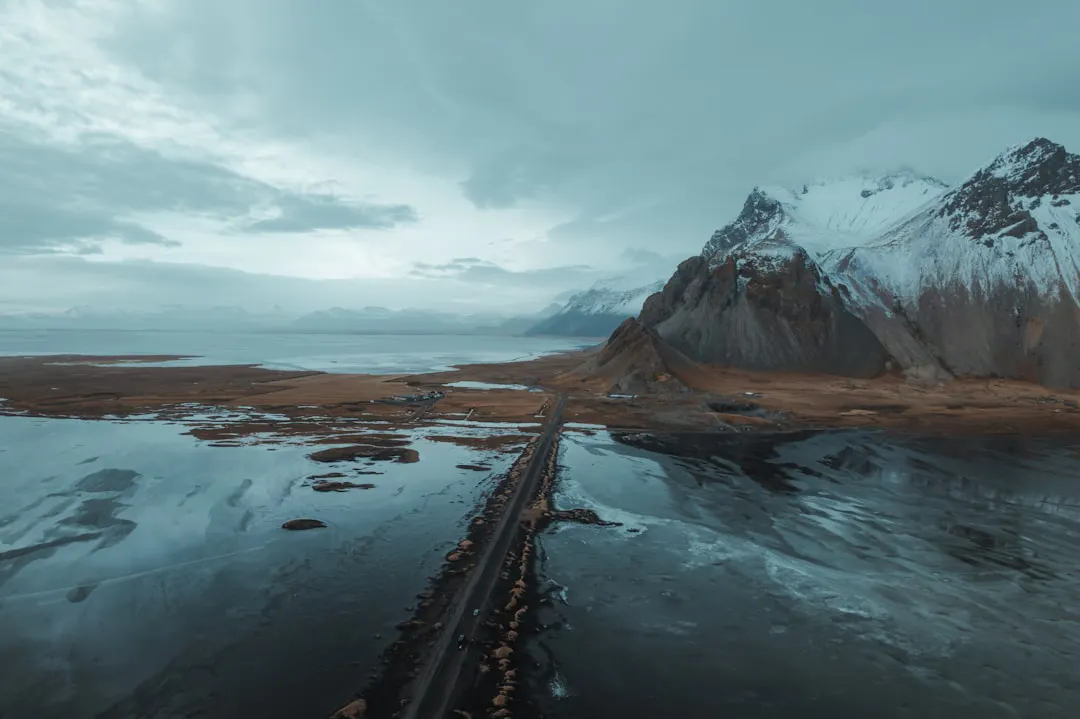
Lake Mývatn is about 100 kilometres from Akureyri, making it a comfortable day trip. The area packs in a lot: volcanic craters at Skútustaðagígar, the lava formations at Dimmuborgir, the hot spring bathing at Mývatn Nature Baths, and the geothermal area at Hverir near Námaskarð, where you'll find boiling mud pools and sulphur vents. Budget a full day for Mývatn — you could easily spend six to eight hours if you visit more than one or two spots.
The Mývatn Nature Baths are the north's answer to the Blue Lagoon, smaller and less commercialised. Entry fees apply and booking ahead is advisable in summer.
Húsavík
Húsavík, about 90 kilometres northeast of Akureyri, is Iceland's most established whale watching base. The bay, Skjálfandi, is productive feeding ground, and humpback whales are commonly sighted from May through October. Several operators run tours from the harbour, and Húsavík also has a well-regarded whale museum, the Húsavík Whale Museum, if you want context before or after going out on the water.
The town is small but pleasant — worth combining with a Mývatn visit if you're up for a longer day out.
Siglufjörður
Siglufjörður ('SIG-lu-fyur-thur') is about 65 kilometres northwest of Akureyri, tucked into one of the narrowest fjords in Iceland. It was once the centre of Iceland's herring industry, and the Herring Era Museum there is genuinely one of the best regional museums in the country — it won the Council of Europe Museum Prize. The drive is scenic and the town is quiet, making it a good option if you want something off the more travelled routes.
When to Visit North Iceland
Summer (June to August) gives you the midnight sun, full access to hiking trails, whale watching season, and the most reliable road conditions. Mývatn and the surrounding area are at their most accessible, and Akureyri itself is lively.
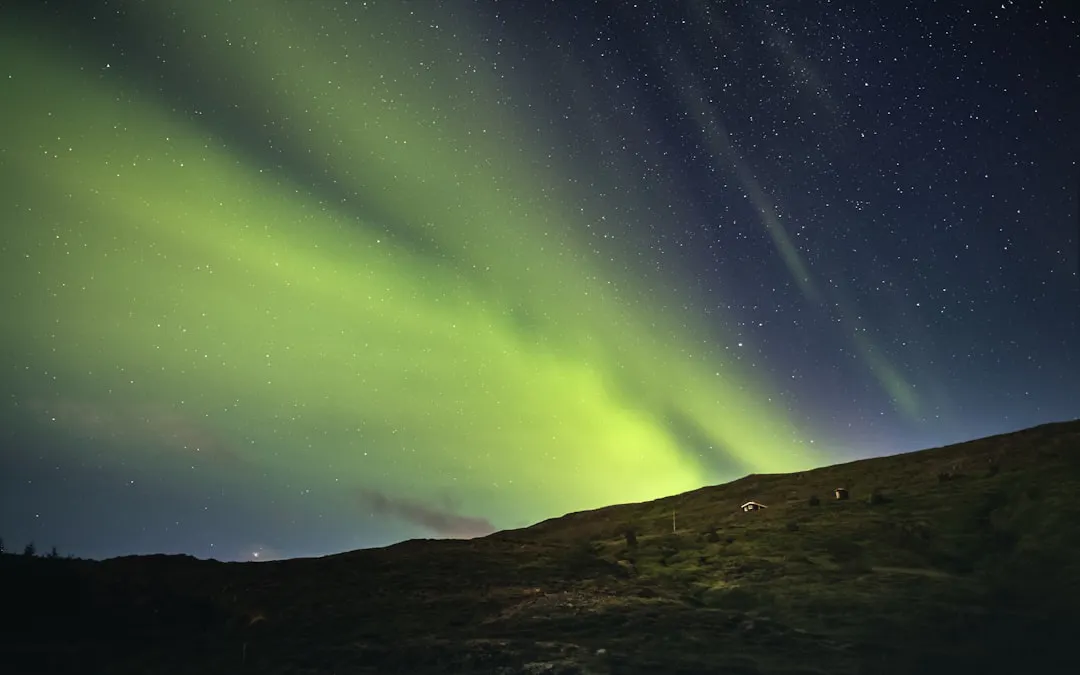
Winter (November to March) is the best time for northern lights. Akureyri's position away from Reykjavík's light pollution helps. The ski area at Hlíðarfjall is also in operation, and the landscape around Mývatn looks completely different under snow. Some attractions have reduced hours or close seasonally, so check ahead.
Spring and autumn are quieter and cheaper, but weather is unpredictable and some services run on reduced schedules.
Practical Tips
If you're doing the Ring Road, Akureyri makes a natural overnight stop — it's roughly the halfway point heading clockwise from Reykjavík. Two nights gives you time for the town itself plus at least one or two day trips. Three nights lets you do Mývatn and Húsavík properly without rushing.
One thing most people don't know: Akureyri's traffic lights have heart-shaped red lights. It started as a morale initiative during the 2008 financial crisis and became permanent. Small detail, but it's the kind of thing that tells you a lot about the place.

