Geysir and Strokkur: Iceland's Golden Circle Geothermal Stop
Strokkur erupts every 5-10 minutes, 20-30 metres high. Here's what to know before you visit the Geysir geothermal area on the Golden Circle.

Strokkur erupts every 5-10 minutes without fail, blasting boiling water 20-30 metres into the air. You don't need to time your visit or get lucky — just show up, stand back from the edge, and wait. It's one of the few natural spectacles in Iceland that delivers on a schedule.
The Geysir geothermal area sits in the Haukadalur valley in southwest Iceland, about 115 kilometres east of Reykjavík — roughly a 90-minute drive. It's a core stop on the Golden Circle route, which most visitors combine with Þingvellir National Park and Gullfoss waterfall in a single day.
The Great Geysir vs Strokkur
The area is named after the Great Geysir, which was once one of the most powerful geysers in the world. It's been largely dormant for decades now, erupting only occasionally after earthquakes. The name 'Geysir' itself comes from the Old Norse word 'gjósa', meaning to gush — and it's the origin of the word 'geyser' used in every language.
Strokkur is the one doing the work these days. It sits just a short walk from Geysir and erupts far more reliably. Most visitors spend their time clustered around Strokkur waiting for the next blast. Watch for the water to bulge upward into a blue-green dome just before it erupts — that's your cue to have your camera ready.
Related experiences


What Else Is There to See
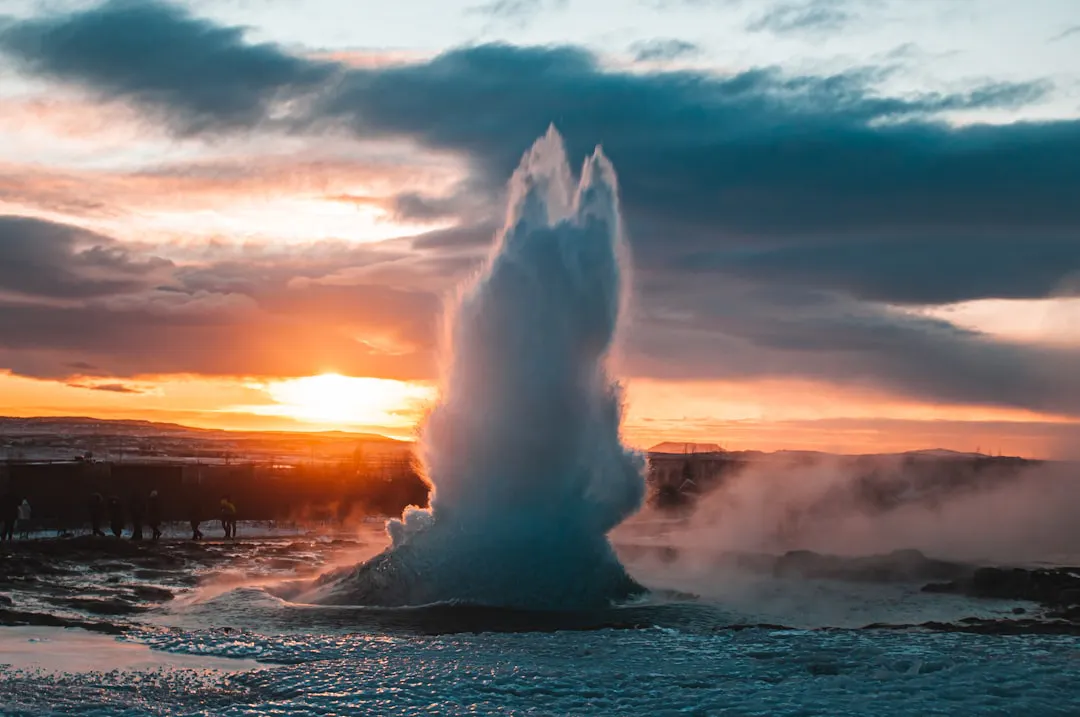
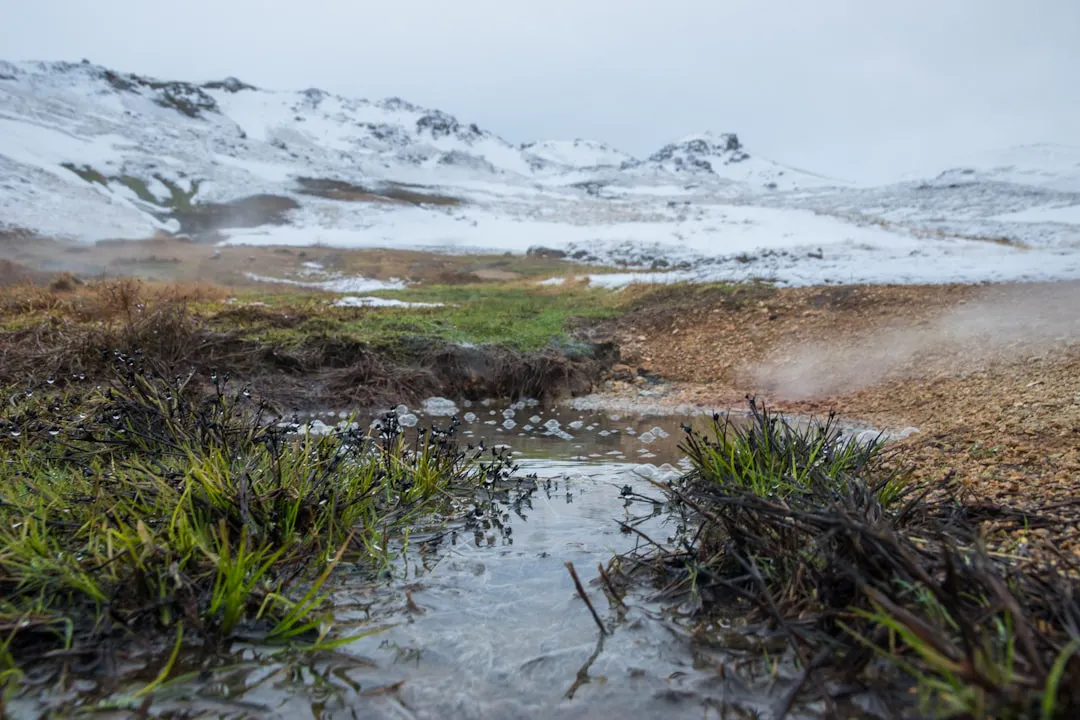
Beyond the two main geysers, the area has a dozen smaller hot pools and vents scattered across the hillside. Most people walk the loop in 20-30 minutes and head straight back to the car park. Don't. Follow the path uphill behind Strokkur and you'll find quieter pools with vivid orange and yellow mineral deposits around the edges, plus a better vantage point over the whole valley.
The area also has a visitor centre, café, and gift shop on site. Entry to the geothermal area itself is free. The car park charges a fee.
When to Visit
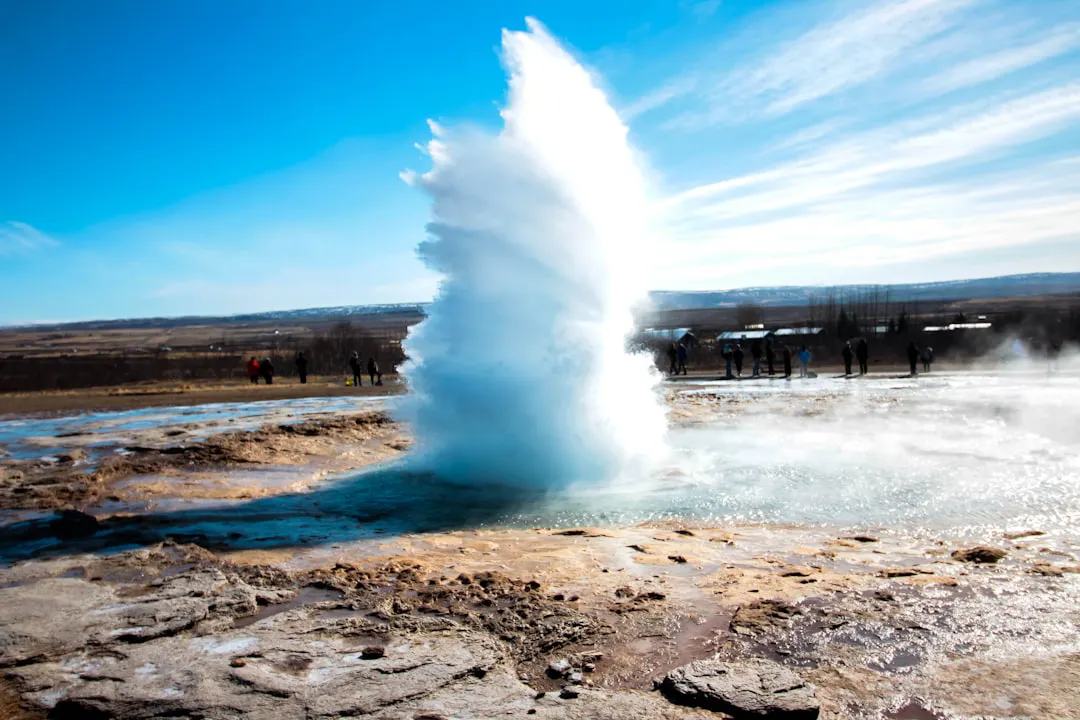
The Geysir area is open year-round and Strokkur erupts regardless of season or weather. That said, visiting in winter means shorter daylight hours, and the steam from the hot pools is far more dramatic in cold air — the whole area looks like it's actively boiling. Summer visits mean longer hours and larger crowds, particularly between 11am and 3pm when Golden Circle tour buses tend to cluster here.
If you're driving yourself, arriving before 10am or after 4pm significantly reduces the crowds around Strokkur. You'll get more space to stand, and better odds of a clean shot without twenty other people in the frame.
How to Book a Tour
Most Golden Circle day tours from Reykjavík include a stop at Geysir, typically spending 30-45 minutes at the site. If you want more time — and the walk up the hillside is genuinely worth it — consider a self-drive Golden Circle itinerary where you control the schedule. Some tours also combine the Golden Circle with a geothermal bathing experience at Fontana in nearby Laugarvatn, which is about 15 kilometres from Geysir.
If you want to go deeper into Iceland's geothermal geology, a dedicated geothermal or geology-focused tour will give you context that a standard Golden Circle stop won't. Knowing why Strokkur erupts on such a consistent cycle — the shape of the underground channel, the way pressure builds — makes the experience more interesting than just watching water go up.
Practical Tips
Stand upwind of Strokkur. The steam and water droplets come down fast, and you will get wet if the wind shifts. The ground around the hot pools and vents is fenced off for good reason — the water temperature is well above boiling at the source, and the crust around some pools is thin. Stay on the marked paths.
Allow at least 45 minutes at the site if you want to explore beyond the main geyser loop. If you're on a tight Golden Circle schedule, 30 minutes covers the essentials. Combine your visit with Gullfoss, which is only about 10 kilometres further east — it makes no sense to visit one without the other.

