25 Best Things to Do in Iceland: A Complete Guide
Published
From glacier hikes to geothermal pools, here are 25 genuinely unmissable Iceland experiences — with honest tips to help you plan the perfect trip.

Iceland has a way of making you feel like you've arrived somewhere that shouldn't quite exist. Volcanoes and ice sit side by side. You can swim in naturally warm water while snow falls around you. The light in summer never fully disappears, and in winter the sky does things that no photograph ever fully captures. If you're trying to decide how to fill your time here, this guide is your starting point.
I've broken this down into experiences rather than a rigid itinerary, so you can mix and match based on your travel style, season, and how long you're staying. Some of these are best done with a guide; others you can tackle independently with a decent map and a hire car.
The Classic Experiences Worth Every Bit of the Hype
Related experiences


1. Walk the Golden Circle
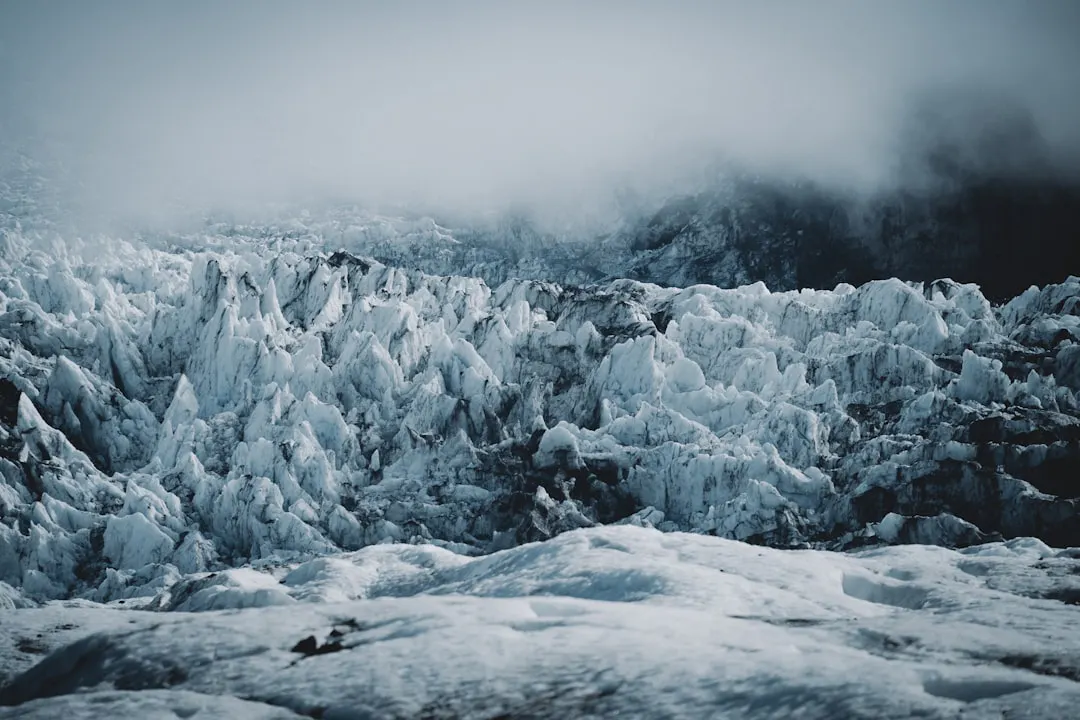
The Golden Circle connects three of Iceland's most visited sites — Þingvellir National Park (say it roughly like 'Thing-vet-lir'), the Geysir geothermal area, and Gullfoss waterfall — in a roughly 300 km loop from Reykjavík. It's popular for good reason. You can cover it in a day, but slowing down and spending a night in the area rewards you with emptier mornings and better light.
2. See Strokkur Erupt at Geysir
The original geyser that gave the world the word 'geyser' no longer erupts reliably, but its neighbour Strokkur puts on a show every five to ten minutes. Standing close when it fires a column of boiling water up to 30 metres into the air is genuinely startling, no matter how many times you've seen videos of it.
3. Stand in Two Continents at Þingvellir
Þingvellir is the only place on Earth where you can stand on the Mid-Atlantic Ridge above sea level, with the North American and Eurasian tectonic plates visibly pulling apart around you. It's also the site of Iceland's original parliament, the Alþingi, established in 930 AD. The rift valley here is strikingly beautiful, particularly in autumn when the low scrub turns amber and gold.
4. Snorkel or Dive Silfra
The Silfra fissure in Þingvellir National Park lets you snorkel or dive directly in the gap between the two tectonic plates. The glacial meltwater here is filtered through lava rock for decades before reaching the fissure, making it some of the clearest water on the planet. Visibility regularly exceeds 100 metres. Dry suit diving and snorkelling tours run year-round — this is one you'll want to book in advance.
5. Chase the Northern Lights
The northern lights are visible in Iceland from roughly September through to April, with the darkest nights in winter offering the best conditions. You need clear skies, darkness, and solar activity — none of which are guaranteed — which is exactly what makes seeing them so special. Joining a northern lights tour from Reykjavík means an experienced guide who monitors forecasts and drives you away from cloud cover and light pollution.
Glaciers, Ice Caves, and Everything Frozen
6. Hike on Sólheimajökull Glacier
Sólheimajökull, an outlet glacier of the larger Mýrdalsjökull ice cap, is one of the most accessible glaciers in Iceland and a fantastic introduction to glacier hiking. Guided tours depart regularly from the car park at the glacier's edge, taking you up onto the ice with crampons and ice axes. The glacier itself has retreated significantly in recent decades — the changes are visible and sobering.
7. Explore an Ice Cave in Vatnajökull
Natural ice caves form inside Vatnajökull — Europe's largest glacier by volume — each winter, carved by meltwater and constantly shifting. The caves near Jökulsárlón are the most visited, and for good reason: the blue ice inside can be extraordinary. These caves are only safe to enter with a certified guide, and the season runs roughly from November through March, depending on conditions.
8. Walk on Skaftafell's Glaciers
Skaftafell, within Vatnajökull National Park, offers glacier hikes for all fitness levels, from short introductory walks to full-day mountaineering routes. The park itself is worth exploring beyond the ice — the Svartifoss waterfall, framed by black basalt columns, is a short walk from the visitor centre.
9. Visit Jökulsárlón Glacier Lagoon
Watching icebergs calve from the glacier and drift slowly across Jökulsárlón before floating out to sea is one of those experiences that stays with you. The lagoon sits right beside the Ring Road in southeast Iceland, and you can walk the shore independently. Amphibious boat tours and zodiac tours run on the lagoon itself during summer.
10. See the Diamond Beach
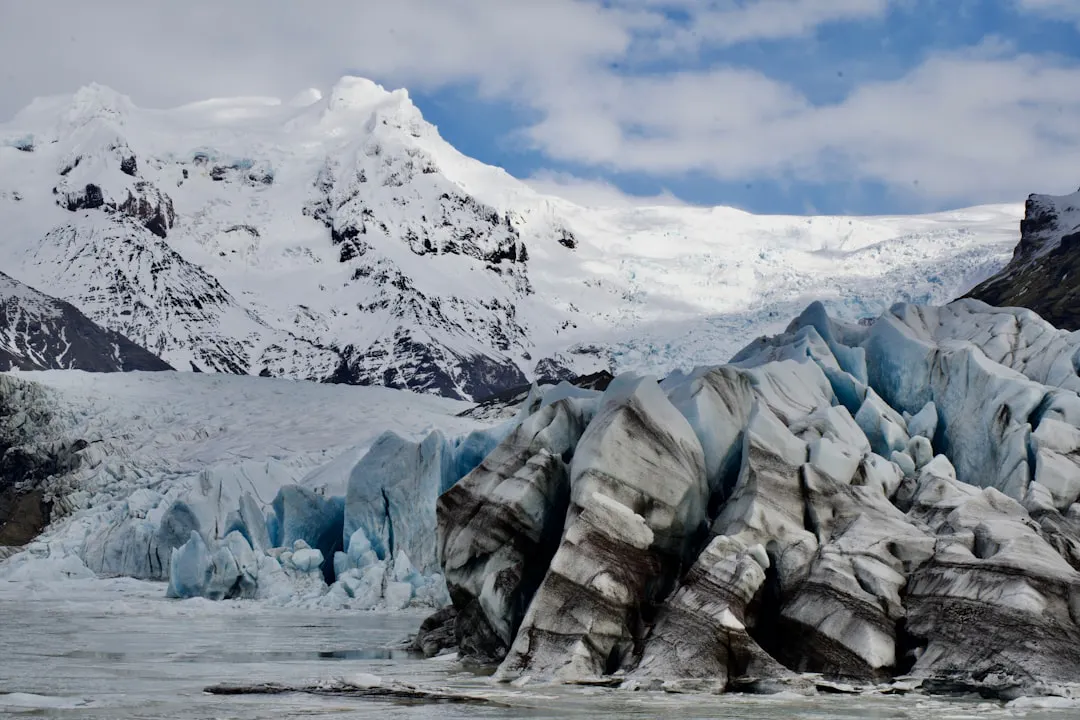
Just across the road from Jökulsárlón, chunks of ice washed back from the sea come to rest on a black sand beach known as Diamond Beach. The contrast of translucent ice against dark volcanic sand is striking at any time of day, but sunrise and sunset light here is genuinely special.
Waterfalls, Black Sand, and South Coast Scenery
11. Stand Behind Seljalandsfoss
Most waterfalls you watch from a distance. Seljalandsfoss, on Iceland's south coast, has a path that loops behind the curtain of water. It's wet — bring waterproofs — but walking behind a waterfall and looking out through the cascade is a fairly unique experience. The falls drop around 60 metres.
12. Photograph Skógafoss
Skógafoss is one of Iceland's largest waterfalls, roughly 25 metres wide and 60 metres tall. On sunny days a rainbow is almost always visible in the spray. A staircase of around 400 steps climbs to the top, where a hiking trail continues up into the highlands along the old Fimmvörðuháls route.
13. Walk on Reynisfjara Black Sand Beach
The black sand and basalt sea stacks at Reynisfjara near Vík are impressive. The beach is also genuinely dangerous — sneaker waves here are unpredictable and powerful, and people have been seriously injured by them. Stay well back from the water and pay attention to the warning signs. The hexagonal basalt columns stacked into the cliffside at Reynisdrangar are well worth the stop.
14. Visit Dyrhólaey
A short drive from Vík, the Dyrhólaey headland has a natural stone arch that you can view from the clifftops, along with wide views across the south coast. It's also one of the best spots in Iceland to see Atlantic puffins during the summer nesting season, roughly May through August.
Reykjavík and the Capital Region
15. Explore Reykjavík Properly
Reykjavík is the world's northernmost capital city and it's genuinely worth more than a day. The old harbour area, Harpa concert hall, Hallgrímskirkja church, the Laugavegur shopping street, and the Reykjavík Art Museum all deserve time. The food scene here has developed enormously — look for restaurants focused on Icelandic lamb, fresh fish, and skyr-based desserts.
16. Soak in the Blue Lagoon
The Blue Lagoon near Grindavík is geothermal seawater — a by-product of the nearby Svartsengi power plant — and the milky blue colour comes from silica in the water. It's become very popular and pre-booking is essential. The lagoon is conveniently located between Reykjavík and Keflavík International Airport, making it easy to visit at the start or end of your trip.
17. Try the Sky Lagoon
Opened in 2021 in Kópavogur just outside Reykjavík, the Sky Lagoon offers geothermal bathing with an infinity edge overlooking the ocean. It's a more controlled and design-conscious experience than the Blue Lagoon, with a traditional Icelandic ritual spa sequence included in most tickets.
18. Go Whale Watching from the Old Harbour
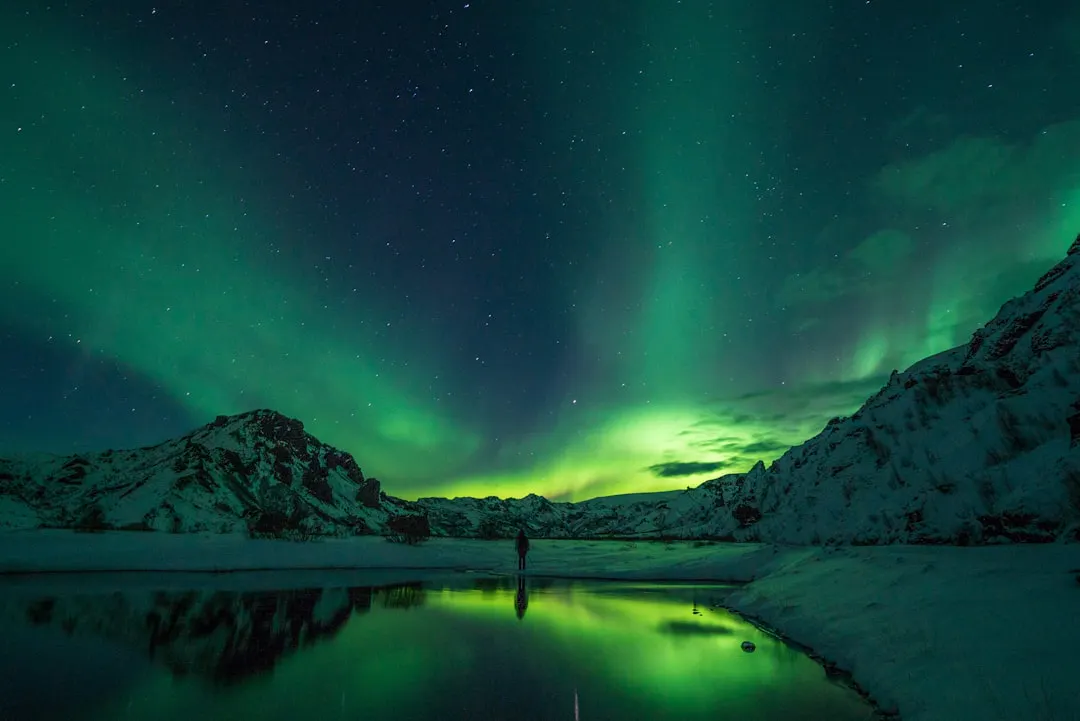
Reykjavík's old harbour is one of the main departure points for whale watching tours. Humpback whales, minke whales, and white-beaked dolphins are among the species regularly spotted in the waters around Iceland. The season runs year-round, though summer offers the calmest seas and highest sightings success rates.
The Highlands and the Road Less Travelled
19. Drive the Snæfellsnes Peninsula
Snæfellsnes — about two hours north of Reykjavík — packs an enormous range of landscapes into a single peninsula. The Snæfellsjökull glacier and volcano at its tip, which Jules Verne used as the entrance to the Earth in his 1864 novel, dominates the view for much of the drive. The peninsula also has lava fields, fishing villages, dramatic cliffs at Arnarstapi, and a national park.
20. Hike Landmannalaugar
The Landmannalaugar area in the central highlands is famous for its multicoloured rhyolite mountains — purples, pinks, greens, and yellows created by different mineral compositions. A natural hot spring in the valley lets you soak after hiking. The area is only accessible in summer, typically from late June or July, and requires a 4WD vehicle to reach via the F-roads.
21. Walk Part of the Laugavegur Trail
The Laugavegur Trail runs roughly 55 km from Landmannalaugar to Þórsmörk and is considered one of the world's great multi-day hikes. Most people complete it in four days, staying in mountain huts along the way. Booking hut spaces well in advance is essential — they fill up quickly. The trail passes through terrain that shifts dramatically every few kilometres.
22. Explore the Westfjords
The Westfjords are the most remote and least visited part of Iceland, and they reward the effort to reach them considerably. Ísafjörður is the main town — quiet, charming, and surrounded by deep fjords. The Hornstrandir Nature Reserve, accessible only by boat, offers some of the wildest hiking in Iceland. Arctic foxes here have no fear of humans, which makes for remarkable wildlife encounters.
Adventure and Activity
23. Go Horse Riding on an Icelandic Horse
The Icelandic horse is a breed unique to Iceland, brought by Viking settlers in the 9th and 10th centuries. They're compact, incredibly sure-footed, and known for a fifth gait — the tölt — which is smooth and fast. Riding tours operate across Iceland, ranging from short introductory rides to multi-day expeditions through the interior.
24. Try Sea Angling or Arctic Fishing
Iceland's waters are some of the most productive fishing grounds in the North Atlantic. Sea angling tours operate from several harbours around the country, and catching your own fish and having it cooked for you afterwards is a satisfying way to spend a few hours.
25. See Dettifoss — Europe's Most Powerful Waterfall
Dettifoss in northeast Iceland carries more water and drops further than any other waterfall in Europe. The sheer volume of water — glacial meltwater from Vatnajökull — and the roar it produces are hard to prepare for. It's remote, around five hours from Reykjavík, but pairing it with a trip to Mývatn lake, the Ásbyrgi canyon, and the Jökulsárgljúfur canyon makes a compelling route.
One Final Thought
Iceland rewards slow travel. The temptation is to fill every hour with the next landmark, but some of the best moments here happen when you pull over for no particular reason — a light you've never seen before, a waterfall with nobody else around, a sky that starts doing something unexpected. Leave room for that.
If you're ready to start planning, take a look at our guided glacier hikes, northern lights tours, and South Coast day trips — all bookable directly through QR Travel with local guides who know these landscapes well. 🧭

