Verslunarmannahelgi 2026: Survive Iceland's Biggest Weekend
Published
Stefanía breaks down Iceland's wild early-August long weekend — Þjóðhátíð, packed roads, and how visitors can plan around it.

Every year, on the first Monday of August, Iceland essentially shuts down. Not in a quiet, polite way — in a very loud, very smoky, everyone-has-a-beer-in-hand way. Verslunarmannahelgi, the Commerce Workers' Holiday weekend, is Iceland's biggest domestic travel event of the year, and if you happen to be visiting at the same time, it will absolutely reshape your trip. Whether that's a good thing or a slightly chaotic one depends entirely on how prepared you are.
I grew up watching my parents pack the car on the Friday afternoon of that weekend, squeezing sleeping bags and a gas burner into whatever space was left after the cooler went in. We'd drive somewhere — sometimes Þórsmörk, sometimes up north, once memorably to Snæfellsnes — and spend three days outdoors with half the country. It felt enormous and communal and a little bit lawless. It still does.
What Verslunarmannahelgi actually is
The holiday itself falls on the first Monday of August, but Icelanders treat the entire preceding weekend as a national escape. Shops close, offices are empty, and a huge portion of the population leaves Reykjavík. Some head to summer cottages — summerhouses, we call them, and there are thousands scattered across the country. Others go camping. Others go to Vestmannaeyjar.
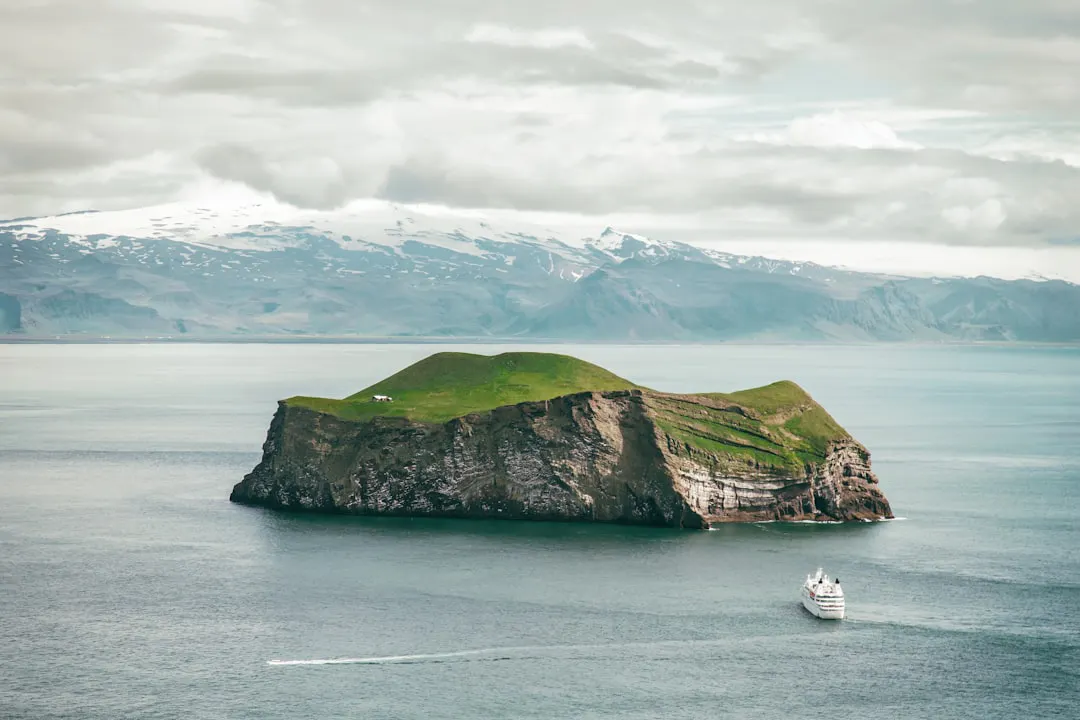
The Vestmannaeyjar — the Westman Islands — are the real heart of the weekend. Þjóðhátíð, the National Festival held on the islands every year, is one of the oldest outdoor festivals in the country, running since 1874. Tens of thousands of people descend on a natural amphitheatre called Herjólfsdalur, just outside Heimaey town, for music, bonfires, and a general sense of organised chaos. The bonfire on Saturday night is genuinely spectacular — one of the largest in Iceland. There's also a famous moment each year where the crowd sings together in the dark, and I won't oversell it, but it is the kind of thing you remember.
Getting to the islands during Þjóðhátíð requires advance planning. The ferry, Herjólfur, runs from Landeyjahöfn on the south coast, and the crossing takes around thirty-five minutes. During the festival weekend, spaces sell out weeks — sometimes months — ahead. If you want to go, book now. The campsite at Herjólfsdalur fills completely. If you haven't pre-booked a tent spot or accommodation on the island, your chances of getting sorted last minute are very low.
Pro Tip: The ferry to Vestmannaeyjar can be affected by weather, particularly wind and swell. If conditions are bad, sailings are cancelled. Build a buffer day into your plans if you're going for Þjóðhátíð — missing the last ferry back has happened to more people than will admit it.
Related experiences


The roads, the campsites, and the traffic
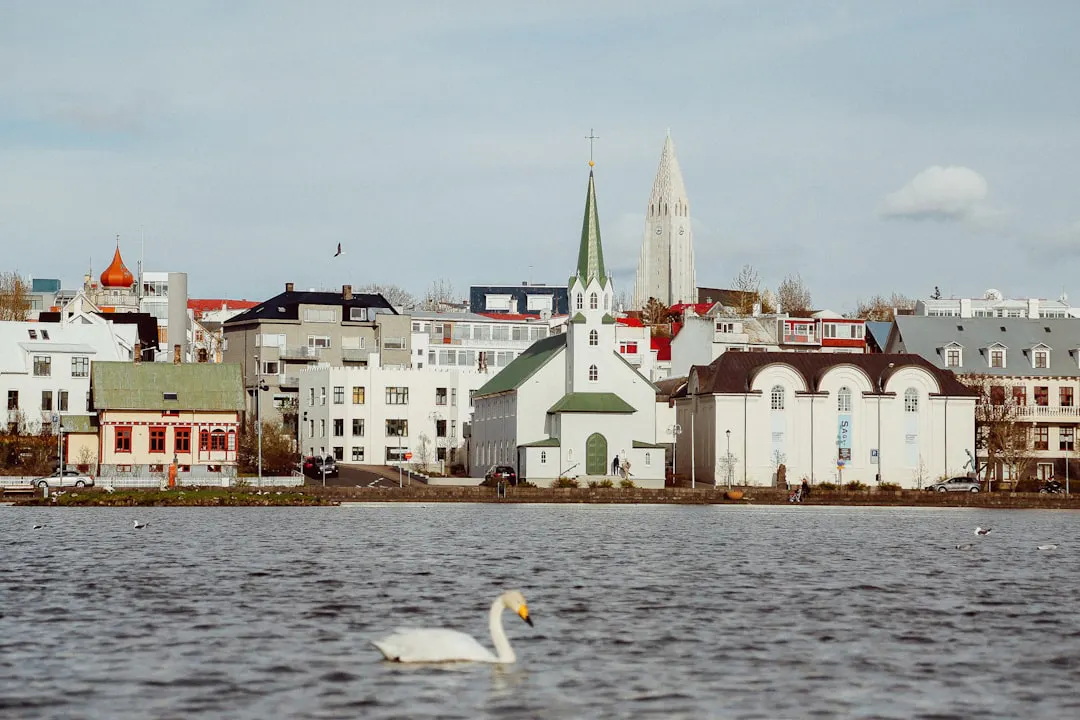
Here is the honest picture of Iceland on Verslunarmannahelgi weekend: the Ring Road south of Reykjavík is busy. The campsites at Þórsmörk, Landmannalaugar, and around the south coast get very full. Popular spots that are usually quiet on a Tuesday in June will have queues.
Þórsmörk in particular draws enormous numbers of Icelanders for the weekend. The roads into the valley require a 4WD vehicle — there are river crossings — and during the holiday the car parks fill early. If you're planning to hike the Fimmvörðuháls trail or spend time in the valley, arriving by Thursday or early Friday gives you a much better experience than arriving Saturday morning. We run organised day tours into Þórsmörk from Reykjavík that handle the logistics, including the river crossings, which removes a lot of the stress.
Landmannalaugar is the same story. The F-road into the highlands — the F225 — gets heavy use that weekend, and the campsite there books up. If your heart is set on the hot springs and lava fields of Landmannalaugar, plan it for the days before or after the main holiday Monday rather than the peak Saturday and Sunday.
The capital region itself empties out, which is actually interesting. Reykjavík on the Sunday of Verslunarmannahelgi is quieter than usual, and some visitors find they enjoy the city more. Worth knowing.
Menningarnótt — Culture Night, the city's own version
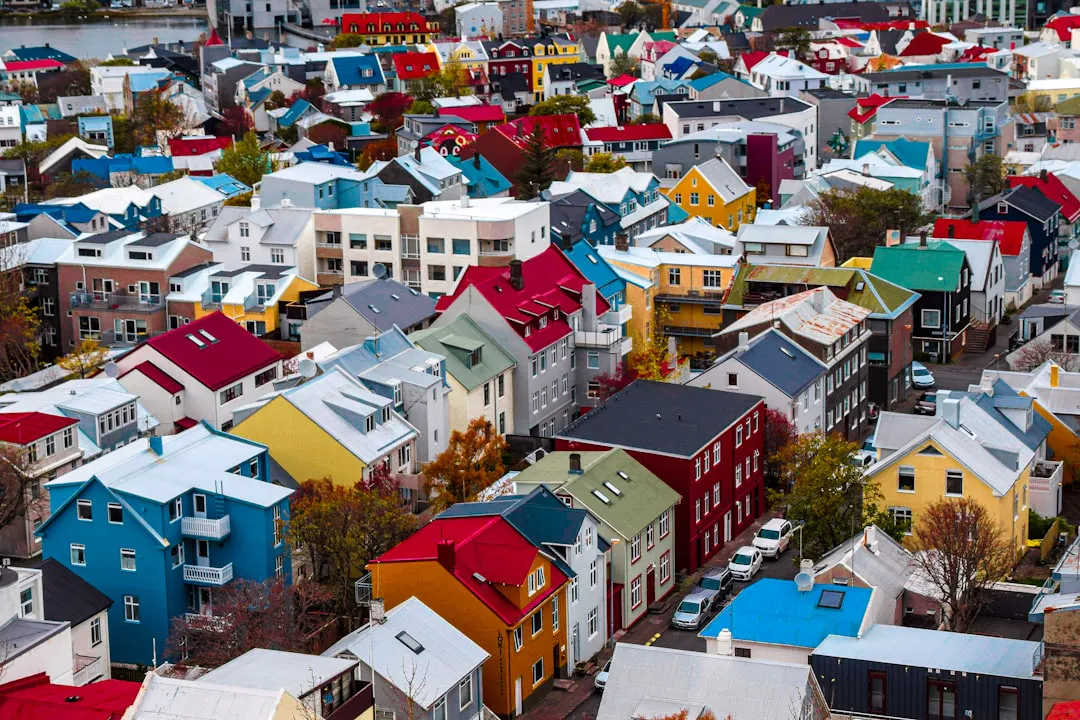
Not everyone leaves town. Reykjavík holds its own event: Menningarnótt, or Culture Night, which takes place annually in August, usually around the same period. The city's museums, galleries, churches, and public spaces open for a long evening of free programming. The streets fill with performances, installations, and the kind of improvised outdoor socialising that Icelanders are very good at when the weather cooperates.
Menningarnótt is genuinely good. It's one of the few times you can walk into Hallgrímskirkja at an unusual hour, catch a choir somewhere on Skólavörðustígur, and eat a pylsa — a hot dog — while listening to a band playing in a car park, all within the same evening. It's free, it's local, and it rewards wandering without a fixed plan.
The crowds are manageable compared to major European city festivals. Reykjavík isn't that big. But the city centre does get lively, and restaurants fill up — book dinner in advance if you want a sit-down meal that evening.
How to actually plan your trip around this weekend
The most important thing is to decide early what your priority is. You can't do everything. Þjóðhátíð and Menningarnótt happen at the same time, and they're in different places.
If you want Þjóðhátíð: book your ferry and campsite as soon as you have confirmed dates. Book accommodation in Heimaey if you're not camping. Accept that the island will be loud and full and festive and that this is the point. Don't plan a quiet nature trip around it.
If you want to use the weekend for hiking and nature: plan around the crowds rather than into them. Consider going north — the Snæfellsnes peninsula, the Westfjords, or the area around Akureyri — where domestic holiday traffic is lighter than in the south. These areas are beautiful in early August and often overlooked during Verslunarmannahelgi.
If you're flexible: the Thursday before the holiday and the Tuesday after it are genuinely easier days for popular sites like Seljalandsfoss, Skógafoss, and the glacier lagoon at Jökulsárlón. The weekend itself isn't impossible at these spots, but you'll be sharing them with a lot more people.
Pro Tip: Petrol stations and supermarkets can run low on supplies during the holiday weekend, particularly in rural areas. Fill your tank before Friday evening, and stock up on food if you're heading somewhere remote. The N1 stations along the Ring Road will be open, but queues happen.
What the weather is actually doing
Early August in Iceland is, statistically, one of the better times to visit. But 'better' is relative. You can have bright, warm days in the high teens — occasionally low twenties — and you can also have a southerly bringing rain sideways across the Reykjanes peninsula for three days. I have experienced both versions of Verslunarmannahelgi. The good ones feel like the whole country is golden. The wet ones are still fine, but you need the right gear.
Whatever you've packed, add a proper waterproof layer. Not a light shell — something that actually keeps water out. Icelandic summer rain isn't always heavy, but it is persistent, and being cold and wet on a campsite with no shelter is not the experience anyone planned for.
The south coast and the highlands can also get wind, which affects the ferry to Vestmannaeyjar (as mentioned) and makes camping at higher elevations more of a project. Check the Icelandic Met Office — vedur.is — daily. It's in English, it's reliable, and it's free.
A few things worth booking before you arrive
The rental car situation in Iceland during peak summer is tight. Verslunarmannahelgi makes it tighter. If you need a 4WD to access highland roads — and for Þórsmörk or Landmannalaugar, you do — book it as far ahead as possible. Walking in to a car rental desk at Keflavík Airport on the Friday of the holiday weekend and asking for a Dacia Duster is not a plan.
Accommodation in the south — Vík, Selfoss, anywhere near Þórsmörk or the glacier outlets — will be full or nearly full for the holiday weekend. Book accommodation in the north or west if you're being flexible, or book south coast accommodation months out if that's where you want to be.
If you're interested in joining organised activities — glacier walks, whale watching, tours around the Golden Circle — booking ahead for the holiday weekend is worth it. Our Golden Circle day tour from Reykjavík, for instance, runs on the holiday Monday and tends to sell out well in advance during August. There's also something to be said for having a fixed plan on a weekend when everything else is in flux.
Pro Tip: If you're driving the Ring Road east from Reykjavík on the Friday afternoon of the holiday weekend, expect company on the road as far as Vík. After Vík, things thin out. If you can leave Thursday, or very early Friday, the drive is a different experience.
Verslunarmannahelgi is worth experiencing. Not as a spectacle, but as a genuinely Icelandic thing — the way the whole country seems to move at once, the bonfires visible from far off, the singing at Herjólfsdalur that you didn't expect to feel anything about and then did. If you're here at the start of August, you're arriving at the right time. Just know what you're walking into, have your ferry booked, and leave space in your plan for the fact that Iceland in a holiday mood moves on its own terms, not yours. Come find us at QR Travel if you want help putting the pieces together — we've navigated this weekend a few times.

