Iceland in Autumn: Where the Birch Turns Gold in September
Published
A Reykjavík local's guide to Iceland's brief, vivid autumn season — golden birch, crimson heath, and the first northern lights of the year.

Every September I find myself driving out towards Þingvellir on a Tuesday morning when I should be doing something sensible. It starts with one yellow birch tree glimpsed from the Reykjanesbraut on my way to pick up my son from football, and then that is it. I am gone. The car turns itself north.
Iceland's autumn is short — genuinely short, not travel-brochure short. You are looking at maybe three weeks, sometimes less, when the birch scrub and blueberry heath shift from green to gold to deep wine red before the first serious wind strips everything bare. September is when it happens. Not late September, not October. September. If you are planning a trip around the colours, build your visit around the first three weeks of the month and leave yourself some flexibility, because the exact peak moves around year to year depending on how warm August was.
The other thing that happens in September, quietly and without much fuss, is that the aurora returns. After the white nights of summer when darkness never quite arrives, the sky finally goes properly dark again around the autumn equinox. On a clear night in mid-September you can often see the northern lights by 22:00 or even earlier. The two things together — colour by day, lights by night — make this my favourite month in Iceland. I will not argue about it.
Why most visitors miss the foliage entirely
Iceland is not famous for autumn colour the way New England or Japan are, and I think that actually works in your favour. There are no coach parties pulling up at a famous maple tree. No one is selling foliage forecasts. You just have to know where to look, and the honest answer is that most tourists staying in Reykjavík or doing the Golden Circle in a single day will drive straight past it.
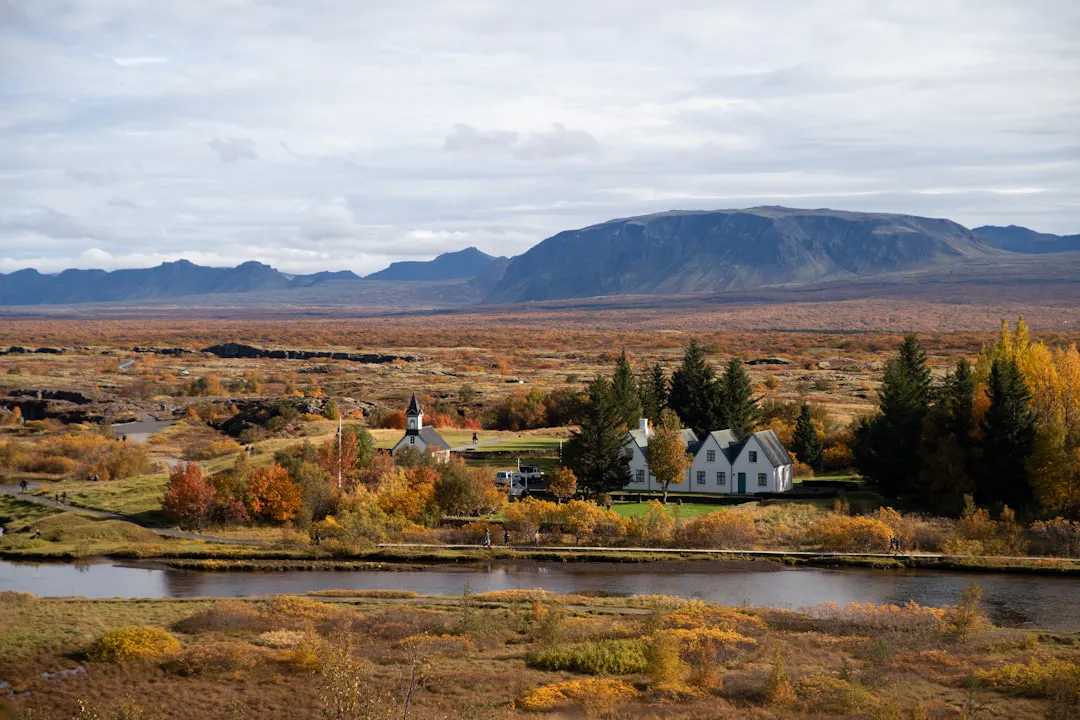
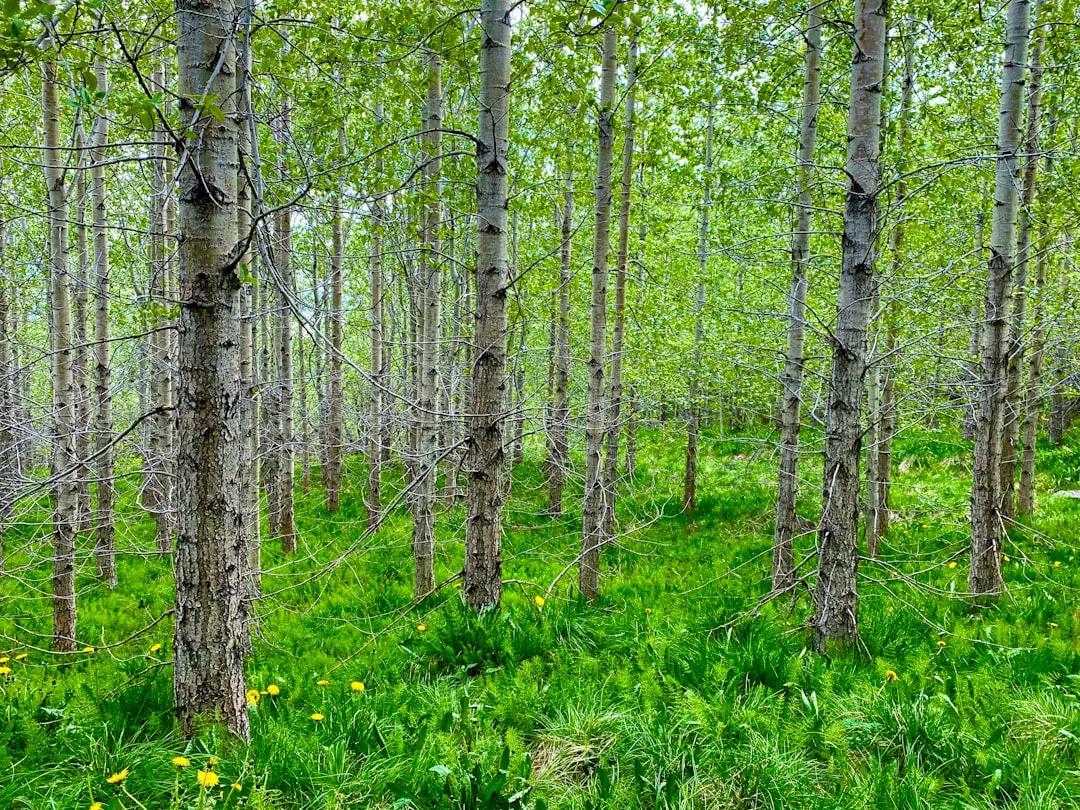
The birch in Iceland is low and scrubby — Betula pubescens, if you want the name — because thousands of years of grazing and wind have kept it from growing tall. Do not arrive expecting the birch forests of Scandinavia. What you get instead is something more like a carpet: vast sweeps of hillside that go from dusty green to warm gold to amber, with the blueberry heath underneath turning rust and crimson. When the light is low and raking, which it is for most of the day in September, the whole landscape glows.
The places where this is most dramatic are not always on the main tourist routes. Þingvellir National Park has some of the best birch scrub in the country and is only about 45 minutes from Reykjavík on Route 36. Walk away from the Öxará river and the visitor centre, up into the lava fields to the east, and you will find hillsides thick with colour that almost nobody else is standing in. Heiðmörk, the recreational woodland just southeast of Reykjavík, is genuinely beautiful in September and most visitors have no idea it exists.
Pro Tip: Heiðmörk has a network of walking trails and is accessible by city bus. On a clear September afternoon the birch there turns a warm, almost orange gold. It takes about 20 minutes from the city centre and costs nothing to visit.
Related experiences


The highlands before they close
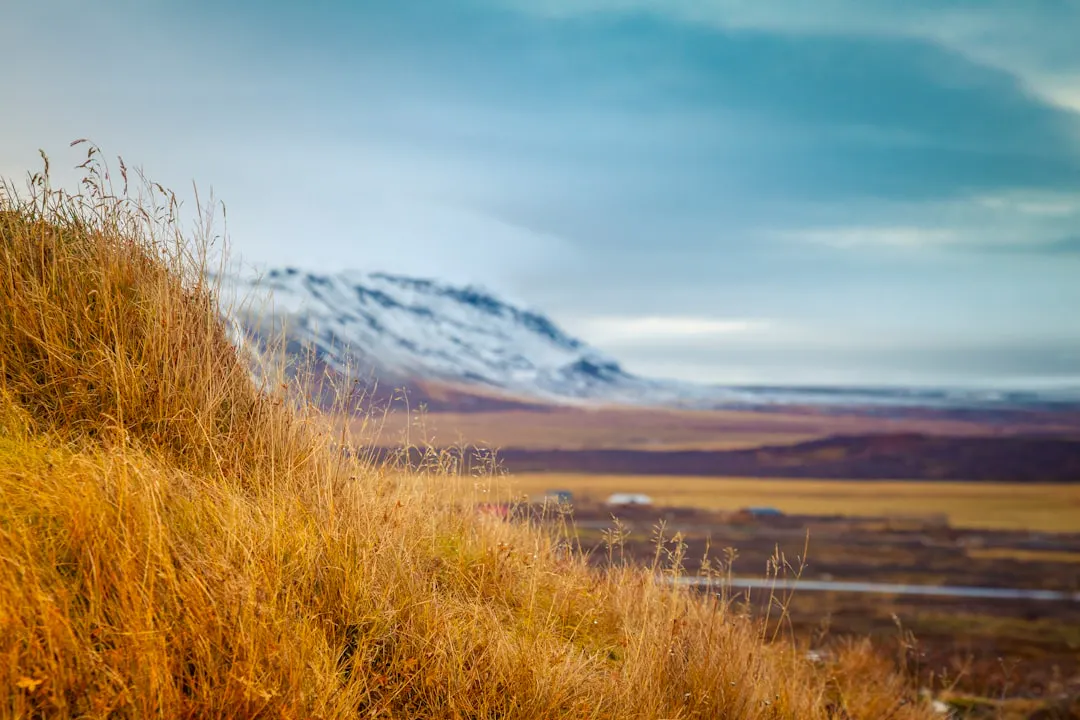
The interior of Iceland — the Highlands, or hálendið — closes for winter somewhere between mid-September and mid-October depending on conditions. The F-roads, which require a four-wheel-drive vehicle, become impassable or are officially closed by the Vegagerðin, the Icelandic Road Administration. This means September is your last real window to get up into the high interior and see the autumn colour there at altitude.
Landmannalaugar is the place I always bring people when I want them to understand what I mean. The rhyolite mountains are already extraordinary — streaked pink and green and sulphur yellow — but in September the foreground fills in with crimson bearberry and rust-coloured heath. The contrast is something I find genuinely hard to describe without sounding ridiculous, so I will just say: go. The drive in on the F208 from the south is itself worth the trip.
Kerlingarfjöll, in the central highlands off the F35 Kjölur route, is another place where September colour is exceptional. The Kjölur route is one of the few highland routes accessible to regular four-wheel-drive vehicles — you do not need a serious expedition truck — and it connects the north and south of the country through the interior. Stopping at Kerlingarfjöll for a few hours and walking into the geothermal valley there is something I have done probably six or seven times and I still stop and stand still when I come around the corner.
If you do not want to drive an F-road yourself, which is a reasonable position — they are rough, river crossings can be unpredictable, and rental car insurance gets complicated fast — QR Travel runs highland day tours into the interior in September that take care of all of that. Worth looking at if the F-road question is making you nervous.
Chasing the aurora in September
The aurora borealis does not appear on a schedule. I feel I have to say that plainly because there is a lot of content online that implies otherwise. What September gives you is darkness, which summer simply does not. From around mid-August the nights start getting meaningfully dark again, and by mid-September in Reykjavík you have real astronomical darkness for several hours in the middle of the night.
Solar activity in 2025 and into 2026 has been high — we are in or near the peak of Solar Cycle 25 — which means the aurora has been more frequent and more intense than it was a few years ago. September 2026 should still benefit from elevated activity. But cloud cover is the variable that matters most in Iceland, and in September the weather can change completely within a few hours. The trick is to be mobile and to check the Veður forecast alongside the aurora forecast from the Veðurstofa, the Icelandic Met Office, which publishes an aurora prediction on its website.
Away from Reykjavík's light pollution, you do not need a particularly strong aurora to see something spectacular. I often drive out to the Reykjanes Peninsula, or up towards Þingvellir, when there is a forecast of level 3 or above. Forty minutes from the city you can be standing in real darkness. The south coast around Vík is also excellent for this — dark skies, dramatic coastline, and you can be there in under two hours.
Pro Tip: The Veðurstofa aurora forecast uses a scale of 0 to 9. Anything at 3 or above, combined with a clear sky forecast, is worth getting in the car for if you are outside the capital. In September, nights of level 4 or 5 happen several times a month during active periods.
QR Travel's northern lights tours run through September and into October, and they adjust routes on the night based on cloud forecasts — which is genuinely how you have to approach it. I would not book a fixed-location stargazing experience in Iceland in September. You need to be able to move.
What to eat and where to stay
September is shoulder season. Hotels that were booked solid in July and August have rooms again, and prices drop noticeably. Reykjavík is the obvious base for day trips in all directions, but if you are focusing on the south coast and the highlands I would suggest staying somewhere like Selfoss or Hvolsvöllur for a few nights, which puts you closer to Landmannalaugar and cuts the morning drive time considerably.
The thing to eat in September is lamb. The réttir — the traditional sheep round-up, when farmers bring their flocks down from the mountains — happens in September and October, and fresh Icelandic lamb is at its absolute best right now. It has been grazing on wild herbs and grasses in the highlands all summer and it tastes completely different from anything you will find in a supermarket at home. Find it at any decent restaurant in Reykjavík — Matur og Drykkur on Grandagarður does a version of traditional lamb dishes that is worth the trip on its own. Fiskmarkaðurinn and Snaps are also reliable. I am less enthusiastic about some of the tourist-focused places on Laugavegur; the food is often fine but the prices assume you are not paying attention.
The réttir itself, if you happen to be in the right area, is one of those things that is genuinely worth going to see. It is not staged for tourists. It is farmers on horseback and quad bikes bringing thousands of sheep through the valley, and it has been happening the same way for centuries. If you ask locally you can usually find out where and when the nearest one is happening.
Packing for a month that cannot make up its mind
September in Iceland is not summer and it is not winter. It is something in between that changes its mind daily. I have had September days in a t-shirt watching my children swim in a river, and I have had September days with sleet sideways and snow above 400 metres. Both are normal.
Layers are not optional. Waterproof outer layers are not optional. What I actually bring: a wool base layer, a fleece mid-layer, a waterproof and windproof shell, and one genuinely warm down jacket for the cold nights. Good waterproof walking boots. The temperatures in the highlands at altitude can drop to near zero at night in September even when Reykjavík is mild.
Sunset in Reykjavík in early September is around 20:30, moving to around 19:00 by the end of the month. This gives you long golden-hour light in the morning and evening, which is when you want to be outside with a camera anyway. The middle of the day in September is often the time to drive between locations, eat something, check the forecast.
Come in September, before everyone remembers it exists
I keep half-expecting September to get busy in the way that August is busy. It has not happened yet, or not in the way I fear. There is something about Iceland in autumn that feels like a quieter, more honest version of the place — the coach tours have thinned out, the highland roads are still open but the window is closing, and there is a quality of light on the birch scrub in the late afternoon that I find myself thinking about in January when the world is dark and flat.
If you are planning a September 2026 trip and want help putting together an itinerary that actually hits the peak foliage and gives you real aurora chances, have a look at what QR Travel offers for that month — the highland tours and aurora experiences especially. Or just get in the car and drive out to Þingvellir on a Tuesday when you should be doing something sensible. That works too.
Come in September. Tell the yellow birch I sent you.

