Iceland Ice Caves 2026-27: When to Go & How to Book
Published
Natural blue ice caves under Vatnajökull open mid-October. Here's how to plan, book early, and not miss out — straight from an Icelandic guide.

The first time I crawled into a natural ice cave under Vatnajökull, I was not prepared. Not emotionally, not physically — I had the wrong gloves on, for a start. The ceiling was this deep, saturated blue that you do not get anywhere else, not in photographs, not in your imagination. The kind of blue that makes you stop talking mid-sentence.
That was a few seasons ago. I have been guiding cave tours every winter since, and every single year the same thing happens: people wait too long to book, they check the website in January, and the best time slots are gone. So I am writing this now, in the shoulder season before the caves even open, because that is genuinely when you need to be thinking about this.
Why the caves disappear every spring — and come back every autumn
Here is the thing that surprises most people: natural ice caves are not permanent structures. They are not a fixed attraction you can visit whenever. The caves beneath Vatnajökull — Europe's largest glacier by volume — form through a specific process that happens in cold months and collapses in warm ones. Meltwater carves channels through the glacier during summer, and once temperatures drop in autumn, those channels freeze over and the water drains out, leaving hollow chambers inside the ice.
Every year, the caves are different. Different shapes, different sizes, sometimes different locations entirely. The guides who work Vatnajökull spend the weeks before season opening — usually late September into October — literally crawling around under the glacier to assess what has formed, what is stable, and what is off-limits. A cave that was a major route last January might be completely gone this year. A new one might open up somewhere unexpected.
This is also why the season is fixed and non-negotiable. Natural ice cave tours on Vatnajökull typically run from mid-to-late October through to around March or early April, depending on conditions. Outside those months, the ice is not safe to enter. Not 'less comfortable.' Not 'a bit tricky.' Actually unsafe. The glacier surface destabilises as temperatures rise, and no responsible operator will take you in.
Related experiences


When the season actually opens — and why October bookings go fast
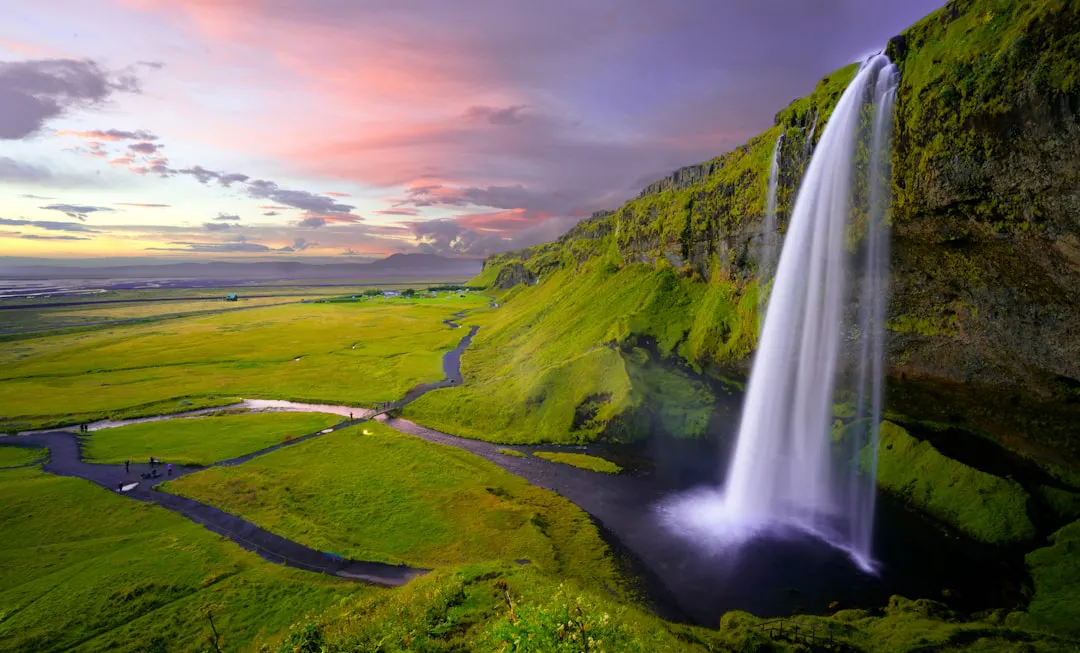
The 2026-27 season will almost certainly open sometime in mid-to-late October 2026, consistent with how the season has run in recent years. I say 'almost certainly' because glaciers do not run on a calendar — the actual opening date each year depends on whether the ice has stabilised enough for guides to declare a specific cave route safe. Tour operators announce confirmed opening dates as conditions develop, which is usually a few weeks before tours actually begin.
October and November slots sell out quickly. People who have been planning an Iceland winter trip for months already have those dates circled. By the time December rolls around and someone thinks 'oh, we should do an ice cave while we're there,' the morning departures on the best dates are gone. December and January tours do still have availability sometimes, but you are rolling the dice. I have seen groups drive all the way to Skaftafell and get their tour cancelled same-morning because overnight conditions changed. That is nobody's fault — it is just glaciers. But if you were already in the second-choice time slot, you have less flexibility.
Pro Tip: If you can be at all flexible with your trip dates, aim for late October through November for smaller group sizes and better odds of stable, cold conditions that keep the ice colour vivid. Mid-winter is fine too, but the shorter daylight hours affect how you structure the rest of your day around a cave tour.
Jökulsárlón, Skaftafell, and which caves you can actually access
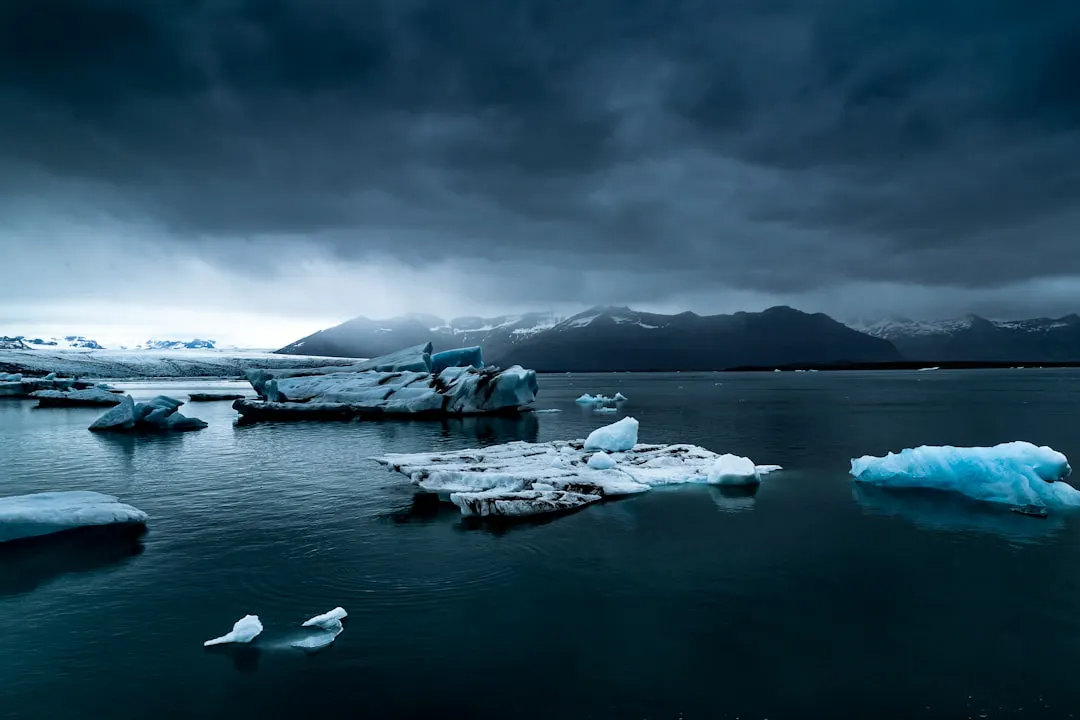
The natural ice cave tours that operate on Vatnajökull depart primarily from two areas: the Jökulsárlón glacier lagoon area, and from Skaftafell, which is part of Vatnajökull National Park. Both are on the south coast, roughly 370 kilometres from Reykjavík along Route 1, the ring road.
Jökulsárlón-area tours — sometimes called Crystal Cave or Sapphire Cave tours depending on which formation is active that season — are the ones you have probably seen photos of. The ice at glacier tongue level tends to show that deep blue colouring most dramatically, partly because the ice there is older and denser, with less trapped air scattering the light. These tours usually involve a short drive in a modified super-jeep across the glacier edge, followed by a guided walk into the cave itself.
Skaftafell-based tours tend to involve more hiking on the glacier surface to reach the cave entrance — which I personally love, because you get a proper sense of the scale of Vatnajökull before you drop down into it. We run a glacier hike from Skaftafell on QR Travel that covers the approach route many of these tours use, and honestly doing that in the weeks before or after an ice cave tour gives you a completely different perspective on the glacier. You start to understand what you are actually standing on.
A note on the so-called 'tourist caves': there are also man-made or artificially expanded ice tunnels in Iceland, notably near Langjökull glacier, that operate year-round. They are fine. They are not this. The colour is different, the experience is different, the scale is different. I am not telling you to skip them if you are travelling outside the natural cave season — but do not confuse them for the real thing and think you have ticked the box.
What the guides are not telling you in the brochure
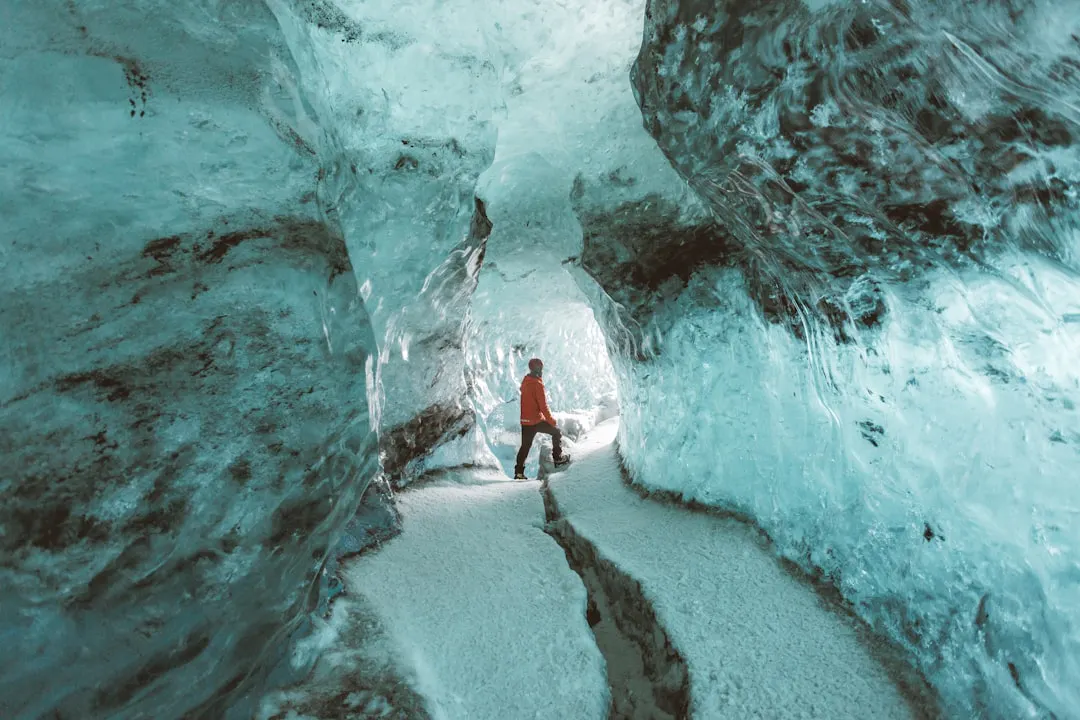
Look, the brochure says 'moderate difficulty.' The brochure is being generous to itself. Getting into and through a natural ice cave involves crouching, crawling in places, walking on uneven ice with crampons, and navigating low ceilings in full winter gear. If you have knee problems, back problems, or serious claustrophobia, talk to the operator before you book — not after you have driven four hours and are standing at the glacier.
Crampons are provided. Helmets are provided. A good operator will give you a full kit briefing before you set off. What they cannot give you is appropriate base layers, and this is where people consistently underestimate things. The temperature inside a glacier cave is cold and damp — roughly around zero degrees Celsius, sometimes slightly below — and you are not moving fast enough to generate much body heat. Merino wool or proper thermal base layers, mid-layer fleece, waterproof outer. Bring gloves you can actually grip in. I have lent my spare gloves to so many tourists who showed up in their airport-bought fashion ones.
Also: the caves are dark. Your phone camera will struggle. Some operators allow tripods, some do not, depending on the cave dimensions and group size. If photography matters to you, ask specifically before you book.
Pro Tip: Book a morning departure if you can get one. Cave tours typically run in shifts throughout the day, and morning groups often get the cave before it has been walked through by multiple previous groups — the ice surface stays cleaner, and if there is any natural light filtering through the glacier above, it is at its best earlier in the day.
How to actually book — without getting stung
There are a lot of operators running ice cave tours in Iceland, and the quality varies more than you would expect from the photos. A few things I would check before handing over your card details.
First: is the cave route certified safe for that season? Reputable operators on Vatnajökull work with the national park and have guides who are trained and certified for glacier travel. If a tour is priced suspiciously low and vague about guide qualifications, keep looking. Second: what is the cancellation policy? Glacier tours get cancelled due to weather and ice conditions — it happens to everyone, including our own QR Travel ice cave tours, and any honest operator will tell you that upfront. Make sure you know whether you get a full refund or a reschedule if conditions prevent the tour from running.
On QR Travel, the ice cave tours to Vatnajökull are listed with seasonal availability dates, group size limits, and cancellation terms all in one place — which saves you having to chase three different operators for the same information. If you are combining an ice cave with other south coast stops like Reynisfjara or Seljalandsfoss, booking a multi-day tour package tends to work out better logistically than stringing single-day tours together from Reykjavík.
The other thing worth knowing: prices for natural ice cave tours reflect the logistics involved. Getting a group of people safely onto a glacier and into a cave requires super-jeep transport, specialist equipment, and guides with serious training. If you are comparing prices and something seems dramatically cheaper, that is worth investigating rather than celebrating.
Pro Tip: The season announcement — when operators confirm that a specific cave is open for the 2026-27 season — usually lands in October. Sign up for alerts from your chosen operator before then. Availability for November and December dates can disappear within days of that announcement going out.
Come find me on the glacier
I will be out there from October, same as every year — checking conditions, briefing groups, watching first-timers go quiet when the cave opens up around them. That part does not get old.
If you are planning an Iceland trip for winter 2026-27 and the ice caves are on your list, do not sit on it. Have a look at the QR Travel glacier and ice cave tours now, figure out which dates work for you, and get your spot confirmed before the season opens and takes the decision out of your hands. The glacier will do its thing regardless. The only question is whether you are there for it.

