Late August & September in Iceland: The Sweet Spot
Published
F-roads still open, crowds gone, northern lights back. Orri breaks down why late summer to autumn is Iceland's best-kept timing secret.

Sometime around the third week of August, something shifts. The tour buses are still running, yes, but the lines at Geysir get shorter. The campsite at Þórsmörk stops smelling like two hundred wet tents. The light goes golden earlier in the evening, and you can feel — not metaphorically, actually feel — the air start to carry something colder. That's the window. And if you're not in Iceland right then, I genuinely think you're missing the best version of the country.
I've lived here my whole life and I still look forward to late August and September more than any other time of year. Not because it's dramatic or photogenic in some postcard way — it's more practical than that. The things that make Iceland worth visiting are finally accessible without half of Europe standing in front of them.
The F-Roads Are Open and Nobody Told the Tourists
The highland interior — the part of Iceland that actually looks like another planet — is only accessible by F-road. These are mountain tracks that require a four-wheel-drive vehicle, proper clearance, and the sense to turn around when the river crossing looks wrong. They open in late June or early July depending on snowmelt, and they close again usually by mid to late October. But here's the thing most visitors don't know: the crowds in the highlands peak in July, not August. By late August, the campsite at Landmannalaugar is manageable. The Laugavegur trail has space. You can park at Kerlingarfjöll without someone reversing into you.
The F-roads themselves don't change. Þjóðvegur F35 — Kjölur — is still rough. The unbridged rivers on F210 toward Þórsmörk still need respect. What changes is how many vehicles are on them. And that matters a lot when you're trying to actually enjoy the place rather than queue through it.
Pro Tip: Check road.is every single morning in September. F-road closures can happen fast — an early storm or a flood can shut a route overnight. Don't plan a highland day without checking it the morning you leave, not the night before.
If you want to see Landmannalaugar without organising the whole thing yourself — the vehicle, the fuel, the navigation — we run a highland day tour from Reykjavík that covers the route and the geothermal pools. It's the kind of trip where you don't have to worry about whether your rental car can actually handle F208.
Related experiences


The Colours, Which Are Real and Not Exaggerated
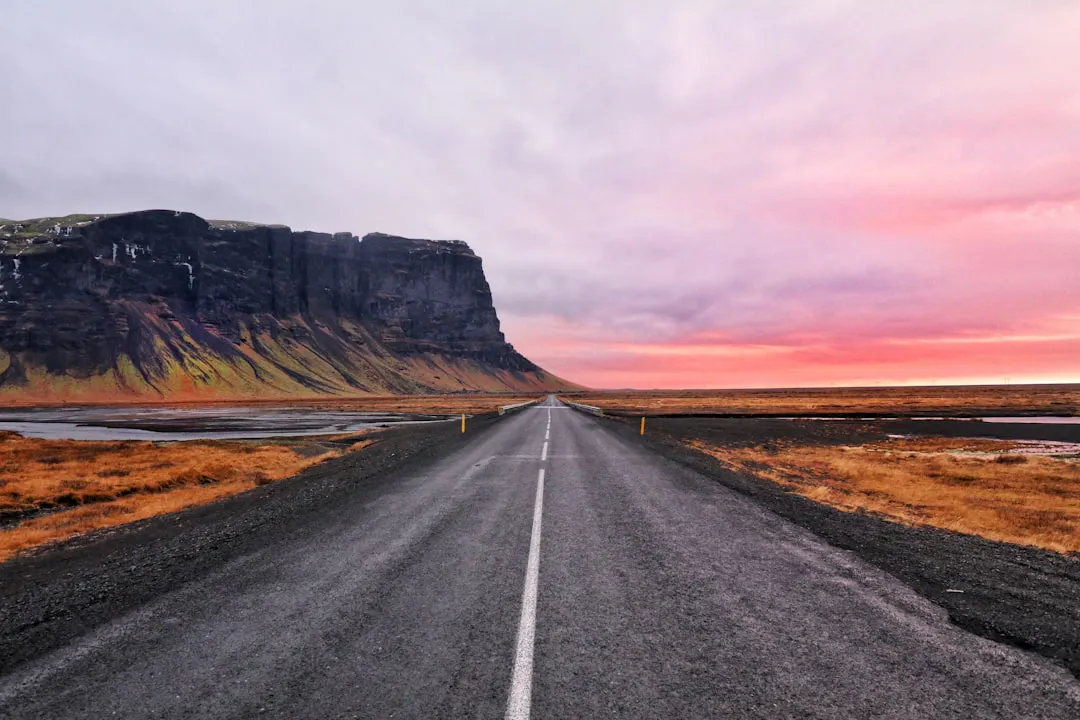
Iceland doesn't have forest autumn the way Scandinavia or New England does. We have birch scrub, crowberry, blueberry, and arctic willow. Low to the ground, covering hillsides and lava fields. And in late August, it starts to turn. The crowberry goes dark red. The birch goes yellow. The mossy areas catch the low light differently. By mid-September, the Þórsmörk valley and the slopes around Landmannalaugar are genuinely striking — deep reds and oranges against grey rhyolite and black lava.
It doesn't last long. That's the point. You're not going to see this in October — by then the colour is mostly gone and the highlands are closing. Late August to late September is the window, and it moves fast depending on the year.
The Westfjords do their own version of this too, though the timing runs slightly ahead of the south — the hillsides above Ísafjörður start changing colour earlier. If you're heading up there, go in August rather than September for the colours.
The Nights Get Dark Again (Finally)
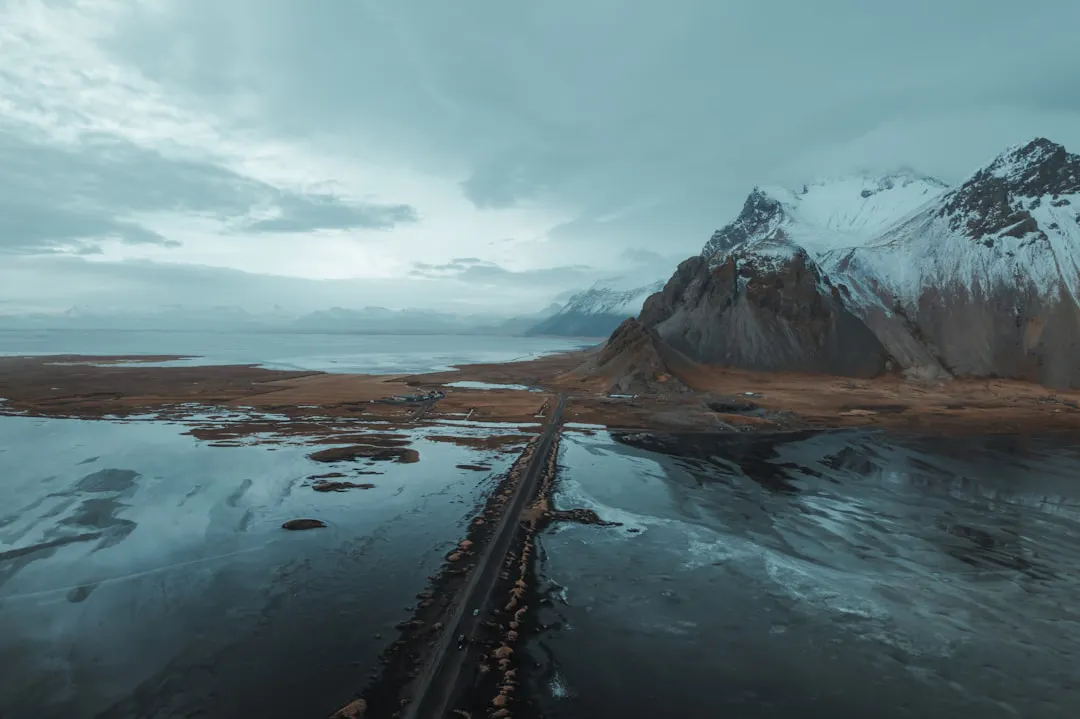
This is the thing that actually excites me most. In June and July, it doesn't get dark. Not really. There's this endless grey twilight at midnight that is wonderful for exactly one week and then makes it impossible to sleep. By mid-August, you're getting actual darkness again — a few hours of proper night sky. By September, you've got four, five, six hours of dark. And with dark comes the aurora.
The northern lights don't have a season exactly — they depend on solar activity, which doesn't care what month it is. But you physically cannot see them in summer because the sky never gets dark enough. The return of autumn darkness is what makes late August the earliest you'd ever chase them in Iceland. September is better. October is better still, but by then you're dealing with worse driving conditions and shorter days overall.
Aurora forecasting in Iceland is genuinely unreliable beyond 24 hours. The Icelandic Met Office — vedur.is — publishes a cloud cover forecast and a geomagnetic activity forecast. You want low cloud cover and a Kp index of 3 or above for a decent chance from southern Iceland. Even then, it can switch off in minutes. Anyone who books a northern lights tour and expects a guarantee is going to be disappointed — but a clear September night with a bit of solar activity is one of the more impressive things you'll see.
Pro Tip: Get out of Reykjavík. Light pollution from the city and Keflavík washes out weak auroras. Drive thirty minutes east or north — even pulling off Route 1 somewhere around Þingvellir makes a real difference. You don't need a tour to do this, you just need a clear night and a dark road.
We do run a northern lights tour from Reykjavík that takes you away from the city light and includes a weather-based rerouting so you're not just staring at clouds for two hours. Worth considering if you don't have a hire car or you'd rather someone else make the call on where to go.
What the Weather Is Actually Doing
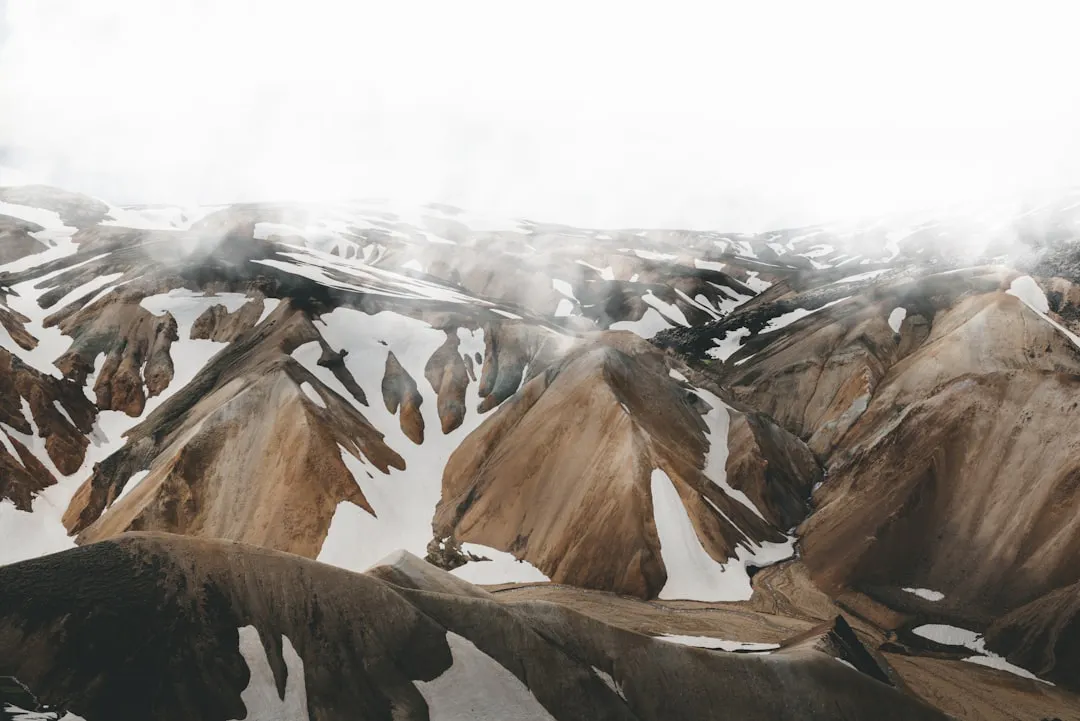
Late August in Iceland averages somewhere around 10–12°C in the south. September drops toward 7–10°C. Sounds manageable. It is manageable — if you're dressed for it and you understand that the wind is doing half the work. A 10°C day with a 15 m/s wind and rain feels closer to 2°C in terms of what it does to you. This is not a dramatic warning, it's just physics. Pack a proper waterproof, pack layers, and pack more than you think you need.
The weather window in late August tends to be more stable than September — more high-pressure days, less storm activity overall. September is genuinely variable. You can get three days of sun followed by two days of horizontal rain and then sun again. I've had September days that felt almost warm, sitting outside in Vík eating a hot dog from the Vínbúðin forecourt. I've also driven the south coast in September with visibility of maybe 50 metres and winds that made overtaking genuinely stupid. Both of those are September.
What this means practically: don't plan your trip so tightly that one bad weather day collapses the whole itinerary. Build in flexibility. If the plan was Snæfellsnes on Tuesday but Tuesday looks grim, move Snæfellsnes to Thursday. The peninsula will still be there.
The Practical Stuff That Makes a Real Difference
Accommodation prices drop noticeably after the peak summer weeks. Not dramatically, but enough that you're paying less for the same guesthouse room in Selfoss in September than you were in July. Booking last-minute is more viable in September than it would have been in June — though I wouldn't push your luck on a Friday night in the south coast or anywhere near Jökulsárlón.
The days are still long enough to be useful. In late August you have 14–15 hours of daylight. By the end of September you're down to around 12 hours, which is still a full working day of light. This is not winter Iceland — you're not scrambling to see everything in five hours of pale grey light. You've got time.
Petrol stations in the highlands close or reduce hours in September. Some don't close exactly, but the automated pumps in remote areas are all you've got. Fill the tank whenever you see a staffed station. Don't let it drop below half if you're heading into the interior. This is not me being dramatic — running low on fuel on Kjölur in September with a weather system coming in is not a theoretical problem.
Pro Tip: The Strætó bus service and the highland buses operated by various companies wind down in September. If you're relying on public transport or scheduled highland buses rather than a hire car, book early and confirm the schedule for your exact dates. Some routes stop running after the first week of September.
If you want to cover the south coast properly — Skógafoss, Reynisfjara, Jökulsárlón, and the glacier — without the logistics of driving it yourself, we run a south coast day tour that works well in September precisely because the crowds have thinned and the light at Jökulsárlón in the afternoon is genuinely worth photographing.
Come in September. Or Late August. Just Not the First Week of August.
The first week of August is still peak season. Every flight from Europe is full, every guesthouse is booked three months out, and the Golden Circle has the energy of a motorway services on a bank holiday. I'm not telling you not to come in summer — summer in Iceland is wonderful in its own way. But if your dates are flexible and you're choosing between, say, the 5th of August and the 25th of August, take the 25th. You'll have a better trip.
What you're getting in that late August and September window is a version of Iceland that requires less patience. The highlands are open. The colours are coming. The nights are dark enough for the aurora to actually show up. The roads are quieter. The prices are lower. The staff at every guesthouse and café and petrol station have recovered from the relentlessness of peak July and are, frankly, nicer to talk to.
Iceland in September is the country at a pace I recognise. It moves the way it moves when you live here — not rushed, not performing for anyone, just doing what it does. If that sounds like your kind of trip, I'd come sooner rather than later. The highlands close when the snow decides they close, and the snow doesn't ask anyone's permission.

