Landmannalaugar & the Highlands: Your Summer F-Road Guide
Published
The F-roads into Iceland's central highlands open in summer. Here's how to reach Landmannalaugar, what to hike, and whether you need a 4x4.

Landmannalaugar sits in the middle of Iceland's interior, surrounded by rhyolite mountains streaked with green, red, yellow, and grey — the result of slow-cooling lava reacting with hydrothermal activity. It's one of the few places in Iceland where you can soak in a natural hot spring, hike through genuinely varied terrain, and feel like you've left the tourist trail behind — all within a day trip from Reykjavík, if you plan it right.
The catch: the only roads in are F-roads, which means river crossings, rough lava tracks, and a vehicle with real 4x4 capability. They typically open in late June or July depending on snowmelt. Before you go, check road conditions at road.is — it's updated daily and is the only source worth trusting.
Getting There: Three Real Options
Related experiences


Self-Drive
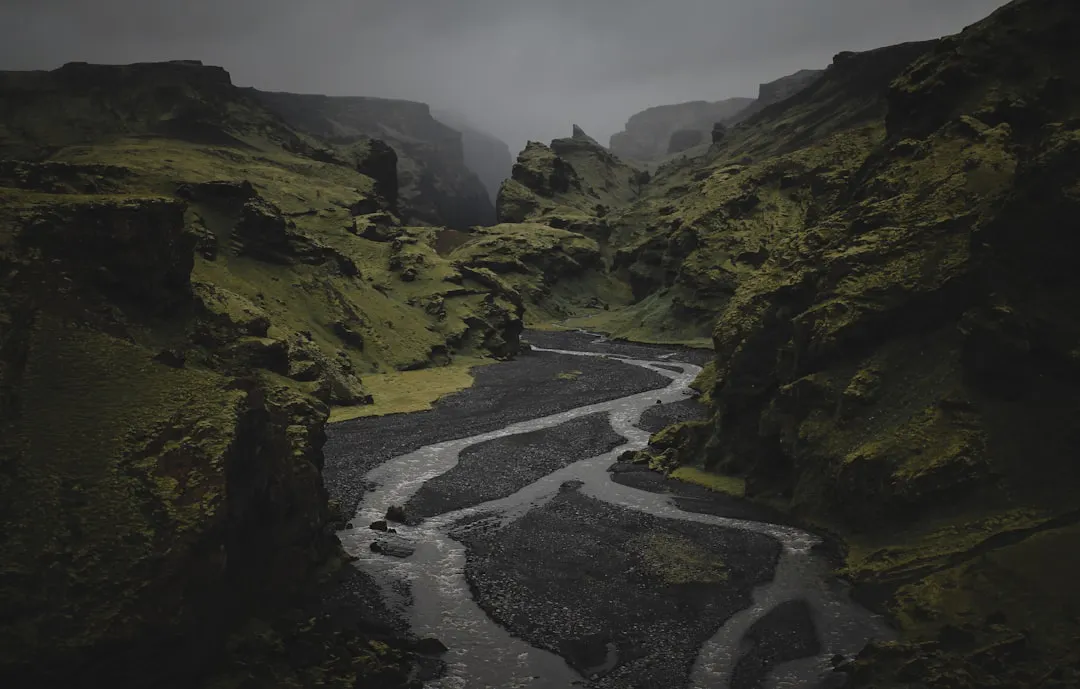
The main route is via F208 from the south (off Route 26) or from the north via F208 over Sigölduleið. Both require a high-clearance 4x4 with low-range gearing. A regular SUV or crossover is not enough — the river crossings on the approach can run 50-70cm deep, and rental insurance won't cover you if you attempt them in a vehicle not rated for it. Check your rental agreement before you book the car, not after.
If you're self-driving, budget roughly 3-4 hours from Reykjavík depending on road conditions. The F-road sections themselves are slow — 30-40 km/h is realistic on the rougher stretches.
Highland Bus
If you don't have a 4x4 or don't want the stress of river crossings, the highland bus is a solid option. Reykjavík Excursions operates the Highlands Bus Pass (also called the Útvistur routes), with scheduled services into Landmannalaugar from Reykjavík, typically running from late June through early September. Seats need to be booked in advance — these buses do fill up, especially in July.
The bus takes longer than driving yourself (around 4-5 hours each way with stops), but you arrive in one piece with no vehicle stress, and you can use the return journey to sleep.
Super Jeep Tour
A guided super jeep tour gets you there in a purpose-built vehicle, usually with a driver who knows the river crossings well. It costs significantly more than the bus, but if you want to combine the journey with a knowledgeable guide and don't want to self-drive, it's the most comfortable option. Several operators run day trips from Reykjavík, and QR Travel lists bookable options if you want to compare.
What to Do When You're There
The Natural Hot Spring
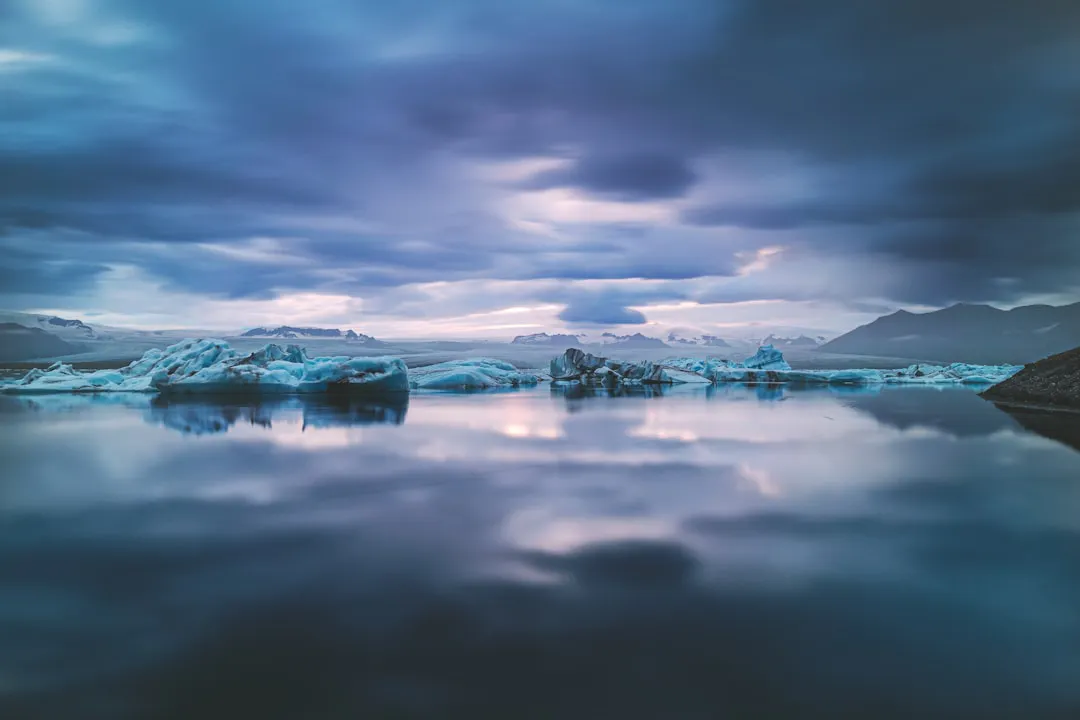
The hot spring at Landmannalaugar sits right next to the hut operated by the Ferðafélag Íslands (Iceland Touring Association). It's a mix of geothermally heated water and a cold stream — you can find the balance yourself by moving between the two. Bring your swimsuit and a towel; there's a basic changing area at the hut. Entry to the hot spring is free. The pool is small and gets crowded mid-afternoon, so aim for early morning or evening.
Day Hikes
The most popular hike from Landmannalaugar is Brennisteinsalda (roughly translated as 'sulphur wave') — a 2-3 hour loop that takes you over rhyolite ridges, past steaming vents, and along obsidian lava fields. The colour contrast is genuinely striking, and this hike gives you a good overview of the area without being physically demanding. Total elevation gain is around 300 metres.
Bláhnúkur ('Blue Peak') is the harder option — a steeper 3-4 hour out-and-back with more elevation, but the views from the top over the surrounding mountains and lava fields are worth the effort. The ridge near the summit is narrow, so poles help if you have them.
Both trails start from the main camping area and are marked. Pick up a trail map from the hut when you arrive.
Other Highland Destinations Worth Adding
Kerlingarfjöll
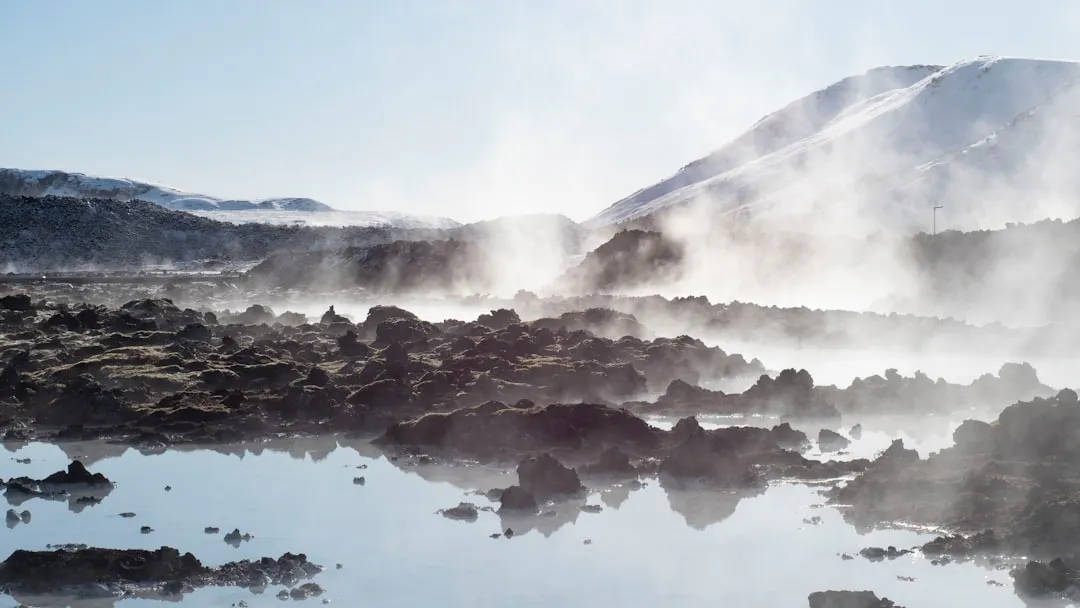
Kerlingarfjöll is a geothermal mountain range in the interior, accessible via F35 (the Kjölur route, which runs between Gullfoss and Akureyri). The Kjölur route is one of the more accessible highland roads — it doesn't have major river crossings — though you still need a 4x4. Kerlingarfjöll has its own accommodation and camping, a network of short hiking trails through steaming, mineral-coloured ravines, and far fewer visitors than Landmannalaugar. It's worth a separate trip, or you can combine it with a north-to-south highland crossing if you're doing a longer Iceland itinerary.
Þórsmörk
Þórsmörk (pronounced roughly 'thors-mork') sits at the southern edge of the highlands, accessible via F249 and requiring multiple river crossings. It's the finish point of the Laugavegur trail, but you don't need to hike four days to get there — you can drive in (with the right vehicle) or take a highland bus from Reykjavík. The area has dense birch woodland, glacial rivers, and views up to Eyjafjallajökull. If you want a half-day or full day in Þórsmörk without doing the full Laugavegur, the hike up to Valahnúkur viewpoint takes about 2 hours return and is one of the better short walks in the southern highlands.
Practical Things Worth Knowing
There is no petrol station in the highlands. Fill up before you turn onto any F-road — Hella and Hvolsvöllur are your last reliable options coming from the south. Facilities at Landmannalaugar are limited to the FÍ hut (which has basic food and sleeping bag accommodation, bookable in advance at fi.is), toilets, and the camping area. There is no shop.
Weather in the highlands changes fast. Even in July, snow is possible at elevation, and fog can settle over the mountains with little warning. Pack layers, waterproofs, and sturdy footwear regardless of what the forecast says the morning you leave Reykjavík.
The F-roads typically close again in September or October, sometimes earlier if there's early snowfall. If you're visiting in late August, check road.is before committing to the drive.

