How to Cross Glacial Rivers on Iceland's F-Roads (2026)
Published
Orri breaks down how to read, judge and safely ford unbridged glacial rivers in Iceland's highlands — before you get it badly wrong.

The first time I watched a tourist drive into Þórsa without checking the depth, I was standing on the bank eating a skyr. They made it about four metres before water started coming in under the door. Nobody was hurt. The car was a write-off. The driver looked at me, and I looked back at them, and there really was nothing useful to say at that point.
River crossings in the Icelandic highlands are not dramatic. They are not adventurous. They are a technical task, like changing a tyre or reading a fuel gauge, and when you treat them that way, you cross safely. When you treat them like an experience, you end up calling the rental company on a satellite phone.
The highlands are fully open for summer 2026, and the F-roads are busier than they have ever been. That means more people driving into rivers they should not be in, and more people who got lucky last year coming back with false confidence. This is a guide for both groups.
Before you leave the tarmac, understand what you are dealing with
Glacial rivers in Iceland are fed by meltwater. That sounds obvious, but it has real consequences. The flow changes throughout the day — lower in the morning, higher in the afternoon as the sun warms the glacier above. It also changes with weather. Rain upstream or on the icecap itself can raise a river by half a metre in a couple of hours, and you will not see that rain from where you are standing.
The colour tells you something. Milky grey-blue water means glacial silt — you cannot see the bottom, which means you cannot judge depth visually. Clear water you can read. Murky glacial water you cannot. This is the single most important thing to absorb before you attempt any crossing: if the water is glacially cloudy, your eyes are useless.
Temperature is another factor people underestimate. Glacial meltwater sits around zero to two degrees Celsius. If you go in — even up to your thighs — your legs will stop working properly within minutes. This is not hypothermia in the classic sense, it is cold shock and rapid loss of muscle control. You do not have as much time as you think you do.
Related experiences


The only way to actually read a ford
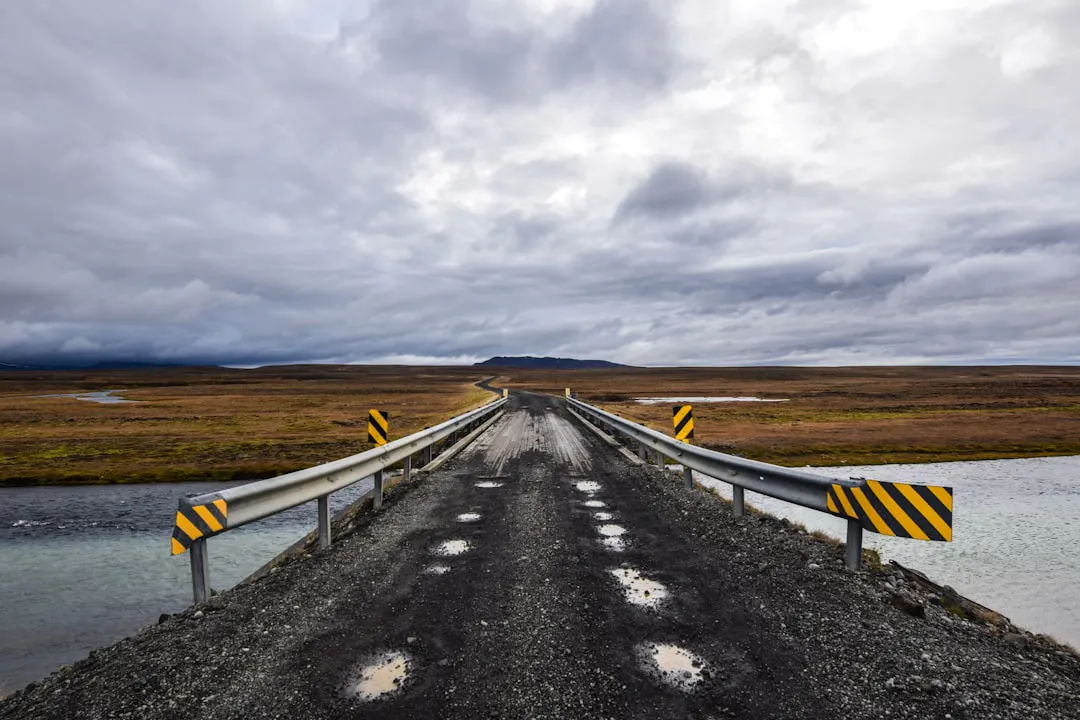
Get out of the car. Every time. Without exception.
I know people who have done hundreds of crossings. They still get out. You are looking for three things: the width of the crossing, the speed of the water, and where the shallowest line runs — which is almost never a straight line across.
Walk the bank first. Look at the surface. Fast, choppy, white-edged water is moving with energy; avoid that line. Slower, smoother water with a slight ripple is better. Riffles — that broken, bubbly surface — usually indicate shallower sections, because the riverbed is close enough to the surface to disturb it. Use that.
Then wade it on foot before you drive it. Use a walking pole or a sturdy stick held upstream of you — it gives you a third point of contact and you can feel the riverbed shifting underfoot. If you are mid-thigh in cold glacial water and still a third of the way across, turn around. The car will not thank you for continuing.
Pro Tip: The downstream side of a river bend is almost always deeper. The upstream side of a bend tends to be shallower and slower. If you have a choice of where to cross, aim for the inside of any bend, or for a straight section where the water spreads widest — spread means shallow.
Four things that will finish your crossing before it starts
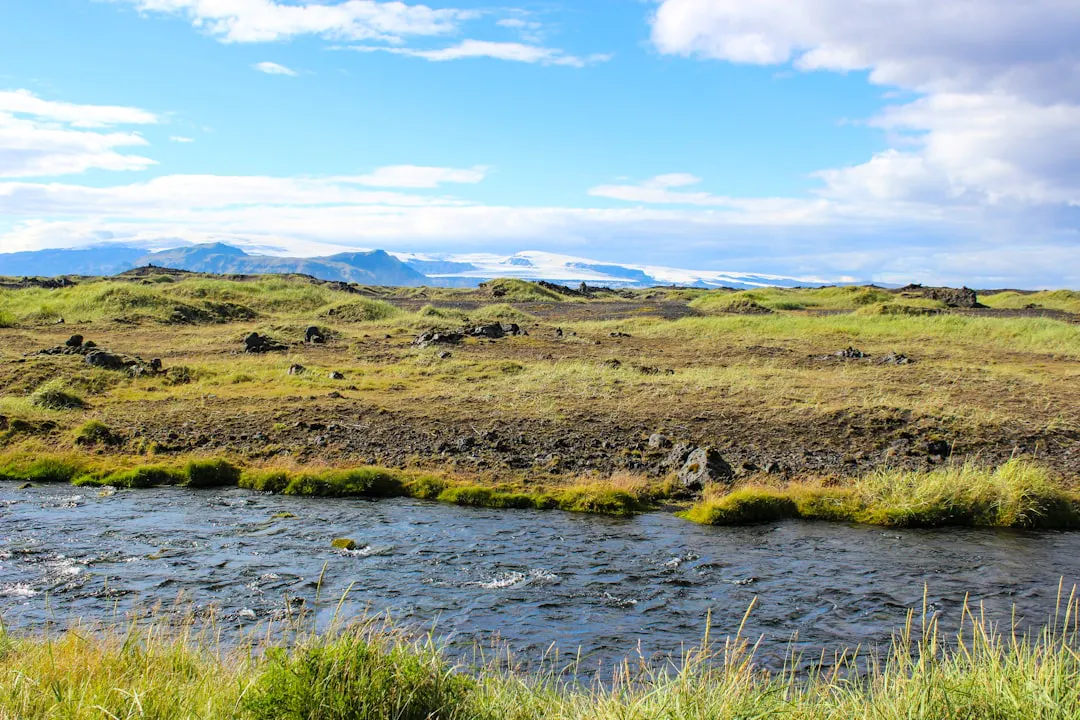
Crossing alone, without another vehicle, is a significant risk. Not because you need a tow — though you might — but because if the car stalls mid-river and you cannot restart it, water pressure against the doors can make it impossible to open them from inside. A second car and a tow rope changes that situation completely. If you are driving solo into the interior, the F-roads where unbridged crossings are common — Fjallabaksvegur Nyrðri, Sprengisandur, Kjölur — are not the place to find that out alone.
Engage your diff lock if you have one. Select low range before you enter the water, not halfway through. Keep momentum steady — not fast, not crawling. If you crawl, water backs up against the chassis and risks ingestion through the air intake. If you go too fast, you create a bow wave that washes back over the bonnet. Both outcomes are bad. A steady, controlled pace — roughly walking speed — is what you want.
Never stop mid-crossing. If the engine cuts out, do not try to restart immediately. Attempting to crank a flooded engine will destroy it. Keep your foot off the accelerator, assess whether you can restart safely, and if there is any doubt, get the tow rope out first.
Finally: crossing point research. The Vegagerðin (Icelandic Road and Coastal Administration) website and app gives road condition updates in real time, and the F-road condition reports will often note when specific crossings are running high. Check these the morning of your drive, not the night before. Conditions change fast.
The car you have and the car you need
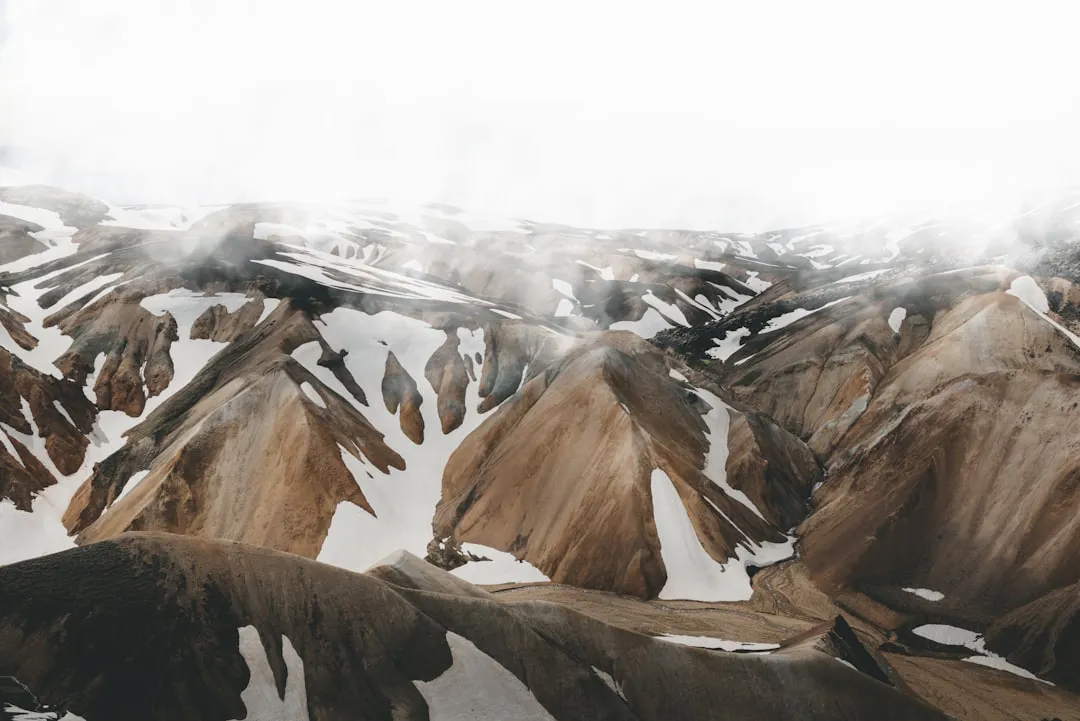
Standard rental 4x4s — the kind with normal road clearance — will manage many highland crossings in normal summer conditions. But many is not all. The fords on Sprengisandur or on the approach tracks to the interior huts can run deep enough in July that you genuinely need a high-clearance vehicle with a proper skid plate.
Water should not come above the centre of your wheels. That is roughly the safe limit for most vehicles without a snorkel. If you cannot confirm clearance before entering, you are guessing. Guessing is how rental deposits disappear.
The rental agreement matters here too. Most Icelandic rental companies explicitly exclude F-road river damage, even on vehicles that are nominally F-road-approved. Read it. The excess on water damage can run to several thousand euros and insurance add-ons do not always cover it. This is not a small-print technicality — it is a real bill that real people receive.
What the highlands are actually like right now
Kjölur — the F35 — is the most accessible highland route and has a proper bridged crossing at most major river points. It is where most people should start if they have not done this before. It gives you a feel for highland driving, the terrain, and the conditions without throwing you into deep unbridged fords immediately.
Fjallabaksvegur Nyrðri (F208) through the Fjallabak Nature Reserve has crossings that range from fine to genuinely serious depending on the time of year. The section around Landmannalaugar is popular enough that you will rarely be alone, which helps. But later in the route, heading east, it gets quieter and the crossings get less forgiving.
Sprengisandur (F26) is long, remote, and runs through some of the emptiest terrain in Iceland. Some crossings there should not be attempted at all in a standard rental vehicle during high melt in July. If you are planning that route, either go with someone experienced or look at joining a guided convoy. We run a highland day tour from Reykjavík with QR Travel that covers Sprengisandur in a properly equipped vehicle with a local guide — if you want to see that interior without the river stress, that is the honest option.
Pro Tip: The busiest crossing times are early afternoon, when melt peaks. If you can reach significant unbridged crossings before noon, the water will typically be lower. Plan camp stops or lunch breaks to put you at major fords in the morning rather than mid-afternoon.
When to turn around — and mean it
There is a type of person who drives to the bank, sees the water, knows it is wrong, and crosses anyway because they have driven two hours to get there. I understand this person completely. I have been this person.
Turning around is a legitimate outcome of an F-road trip. The road will be there next week, or next year. Your group can walk back to the car, you can find somewhere to camp or drive out to a guesthouse, and you can try again when conditions are better. The highlands are not going anywhere.
If the current is strong enough to push you sideways while wading, it will move the car. If you cannot clearly see the riverbed at the shallowest point, you do not know what you are driving into. If there has been significant rainfall or a warm night on the glaciers, treat every crossing as suspect until you have checked it that morning.
Rescue in Iceland is carried out by the volunteer Björgunarsveit groups and coordinated through 112. The emergency app works without mobile coverage in many areas via satellite. Register your highland trip at safetravel.is before you go — it takes two minutes and means if you do not check out, someone notices.
If you want to get into the highlands and see real river crossings up close without being the one making the call alone, the QR Travel super jeep tours are worth looking at — we cover routes including crossings on Landmannalaugar tracks in vehicles that are actually built for it, and you can watch how experienced drivers read and approach water before you attempt it yourself in your own rental.
Hvernig sem þú ferð — however you go — take the river seriously. It is not trying to kill you. It just does not particularly care either way.

