Wild Berry Picking in Iceland: A Local's Late-Summer Guide
Published
Stefanía shares where to find wild blueberries and crowberries in Iceland, plus the foraging rules every visitor should know before they pick.

My daughter has purple fingers every August. Knees too, usually. She drops more blueberries than she keeps, and she eats roughly half of what survives the drop, but she comes home with a full tub every single time — because in late summer, the Icelandic moorland is absolutely loaded with them.
Berry picking is one of those things that doesn't make it into many travel itineraries, and I understand why. It sounds modest. It doesn't photograph as dramatically as a glacier or a geyser. But if you are here in late August and you drive even a short way off the ring road and step out onto the low heathland, you will find yourself on your hands and knees within about four minutes. I promise you that.
This is a practical guide — what grows here, where you can legally pick it, how to do it without being that tourist who trampled someone's land — but it's also a small argument for slowing down enough to notice what's literally underfoot.
What actually grows out there
Let's start with the two you'll encounter most. Aðalbláber — wild blueberries, or more precisely bilberries — are the main event. They grow low to the ground on woody little stems, and the berries are deep blue-purple all the way through, not white inside like a shop-bought blueberry. They taste more intense, more tart, and they will absolutely stain your hands, your bag, and the light-coloured fleece you decided to wear.
Crowberries, krækiber in Icelandic, look deceptively similar from a distance — dark, small, growing in heathery mats — but they're blacker, slightly larger, and the taste is much more astringent. On their own they're not the most exciting thing you've ever eaten. But crowberry jam, or crowberries cooked down with sugar and spooned over skyr, is something different entirely. My grandmother made crowberry sauce for lamb every autumn. She would be horrified if I called it a condiment, so I won't.
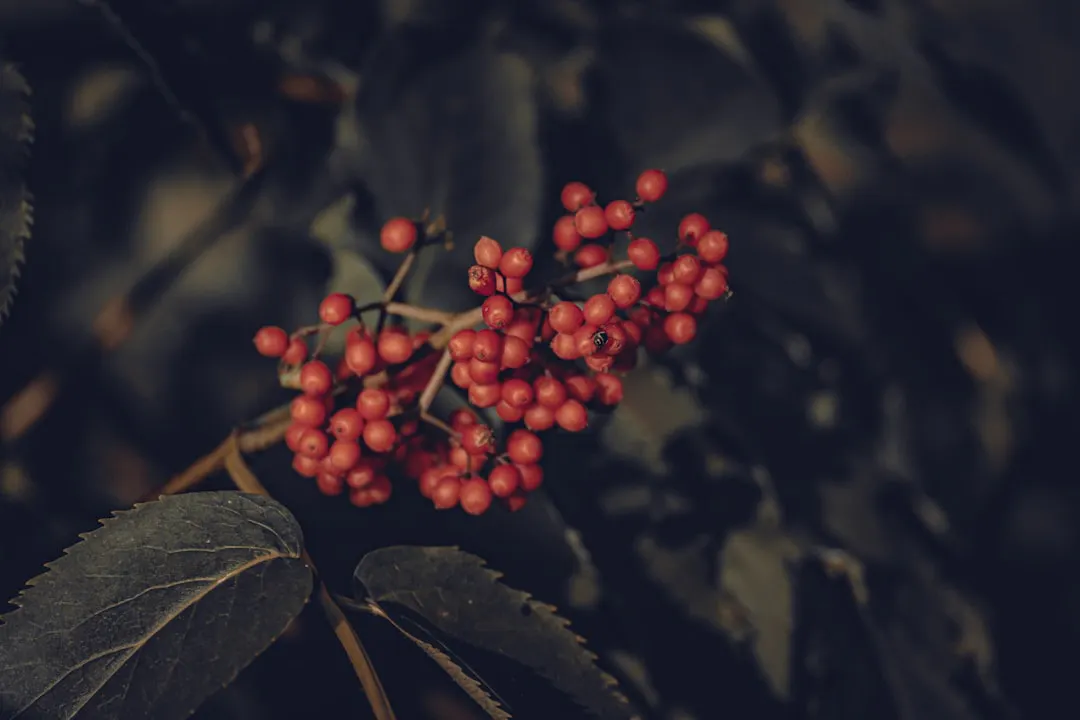
You'll also come across wild strawberries — especially along south-facing slopes and roadsides — and occasionally Arctic thyme, which smells extraordinary when you crush it underfoot. Bog bilberry (blueberry's slightly more waterlogged cousin) turns up in wetter areas. Rowanberries, the bright orange-red clusters on mountain ash trees, ripen later and are too bitter to eat raw but work well in jelly.
Pro Tip: If you're unsure whether what you've found is a crowberry or a blueberry, cut one open. Crowberries are white inside with visible seeds. Blueberries are purple all the way through. Both are safe to eat. Iceland has no toxic wild berries that resemble these two, but if you find something you genuinely don't recognise, leave it.
Related experiences


When to go — and 'late August' is not a loose suggestion
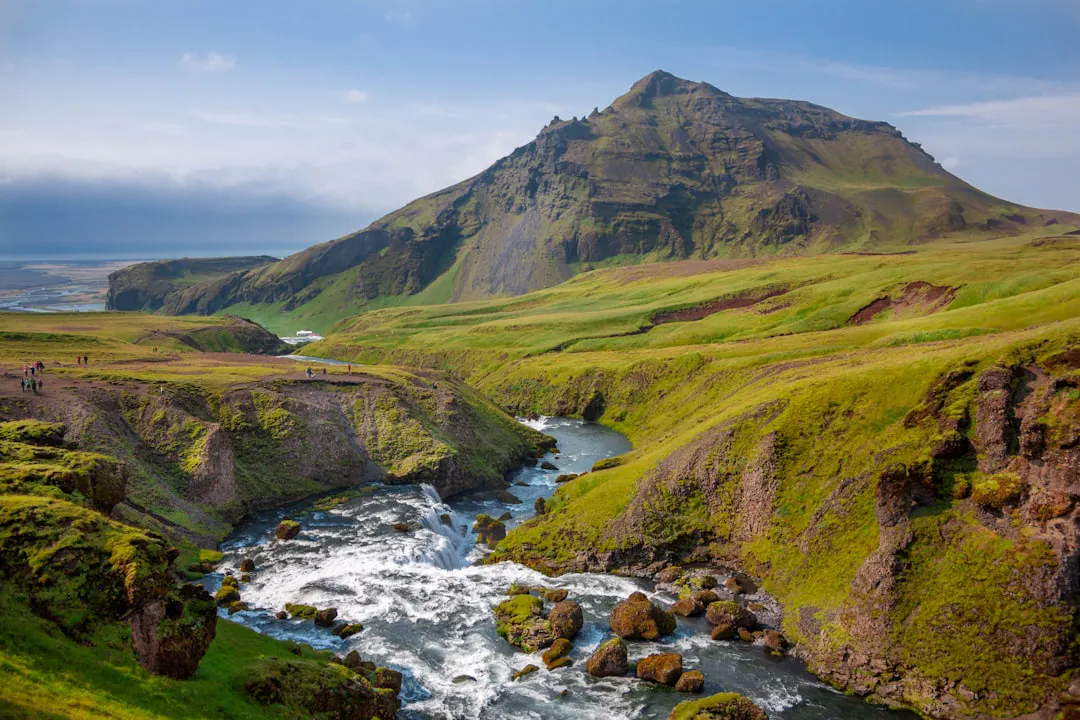
The window is real and it is not very long. In most years, the blueberries are reliably ripe from around the second or third week of August through to mid-September, with late August being the sweet spot. Crowberries tend to peak slightly later, from late August into September.
Go too early and the berries are hard and pale and sour in a way that puts people off foraging forever. Go too late and the first hard frosts have turned them to mush, or the birds — fieldfares especially — have eaten the lot. I've arrived at a patch in September that looked perfect from the road and found nothing but picked-over stems.
The weather also matters in a very Icelandic way: after a warm July, the berries come earlier. After a cold, grey summer, everything shifts back by a week or two. Check conditions locally if you can, or ask at guesthouses along the south or north coast. People here pay attention to this.
Where to find them — and where you're allowed to pick
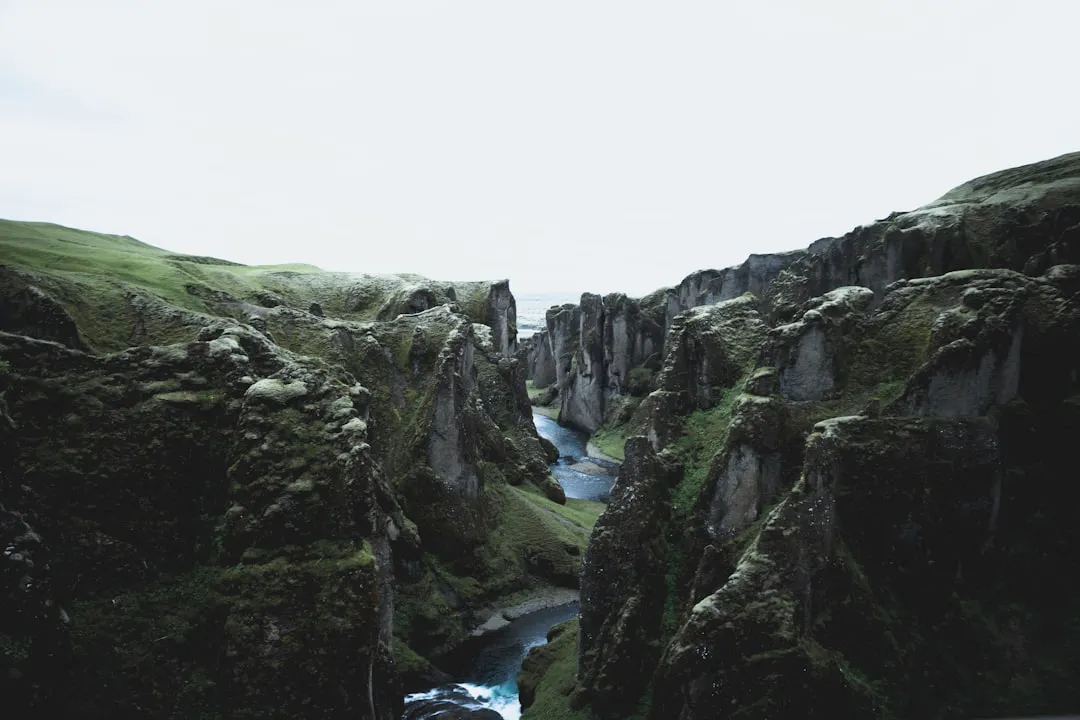
Here is the thing that confuses a lot of visitors: Iceland's rules around access to nature are genuinely different from many other countries, but they are not a free-for-all either.
Under Icelandic law, you are generally permitted to pick wild berries on uncultivated land for personal use — not for commercial sale. The key distinction is between land types. On public land and common areas, picking is straightforward and accepted. On private farmland, you technically need permission from the landowner, though for berry picking specifically, the tradition has always been that it's quietly tolerated as long as you're not damaging anything and you're not selling what you pick. If there is a gate, close it. If there is a sign asking you to stay out, stay out.
Do not drive off-road to reach a berry patch. Ever. Iceland's off-road driving laws are strict and the fines are significant — but more than that, the damage to the fragile surface vegetation is real and takes decades to recover. Park on the verge, walk in.
Þingvellir national park is visited by enormous numbers of people and the berries there get heavily picked. Better options for actual abundance: the moorlands of the Snæfellsnes peninsula, particularly inland from Grundarfjörður. The heathland around Mývatn in the north is genuinely excellent in a good year. Along the south coast, the slopes above Vík and the hillsides of the Þórsmörk area reward anyone willing to walk slightly uphill for twenty minutes. And the Eastfjords — less visited generally — have some of the best crowberry patches I've come across.
Pro Tip: Elevation matters. In the highlands and at altitude, the season runs slightly later than at sea level. If you've missed the blueberries on the coastal lowland, drive up and you may find them still going strong another five hundred metres higher.
Fitting it into a road trip without planning your life around it
You don't need to build a foraging day into your itinerary. Berry picking in Iceland works best as a spontaneous stop — you're driving the south coast, you pull over at a rest area near Skógar, you step off the tarmac and you're immediately in it.
That said, if you are road-tripping in late August and you want to make the most of the season, a few adjustments help. Give yourself at least one morning with no fixed checkout time — foraging does not respond well to being rushed. Bring a container with a lid. I use a wide-mouth plastic box, something like a one-litre food storage tub. The small punnet idea sounds charming and does not work. Dress for the fact that you will be crouching on damp ground: waterproof trousers or at least non-precious ones.
If you're joining one of our QR Travel tours along the south coast, the route passes through some of the best berry country in Iceland in late August. Ask your guide to factor in a stop — most of them know exactly where to pull over and will happily give you twenty minutes on the heathland if conditions are right. It's one of those small additions to a day that people consistently talk about afterwards.
For those doing self-drive, the ring road between Vík and Höfn is particularly good for roadside stops near moorland. The stretch east of Kirkjubæjarklaustur has heathland that drops right to the road edge in places. You won't have to go far.
What to do with them when you get home (or back to the guesthouse)
Eat some immediately. That's the first instruction and it's non-negotiable.
Beyond that: blueberries go brilliantly with skyr, which you can get at any Bónus or Krónan supermarket. A bowl of skyr, fresh blueberries, and a little honey is a genuinely good breakfast and also a very Icelandic one. If you're in a guesthouse with a kitchen, you can make a quick compote — just simmer berries with a little sugar and a splash of water until they break down. It takes ten minutes and it transforms pancakes or porridge entirely.
Crowberries, as I said, need sugar and cooking to really come into their own. They also freeze extremely well if you want to take some home, though check your country's rules on bringing plant matter across borders. Within Iceland, obviously, no issue.
Some visitors ask about foraging tours — guided experiences where someone else does the knowing and you do the picking. We do offer guided nature walks through QR Travel that include foraging elements in the right season, and if you'd rather have an Icelander show you exactly what you're looking at and where to find it in quantity, that's a genuinely good way to go, especially if you're not confident identifying plants on your own.
The part where I tell you it's also just nice to stop
I live here and I still find August berry picking one of the most grounding things about the end of summer. Not because it's dramatic. Because it's slow. You're low to the ground, you're paying attention to something very small, and Iceland — which can feel overwhelming in scale when you're chasing waterfalls and glaciers — suddenly becomes the size of the patch of ground in front of you.
My daughter knows the difference between a blueberry and a crowberry by touch now. She can tell you which slopes face south and warm up fastest. She knows to look after rain because the berries swell. None of this was formally taught — it happened through August afternoons on the moor, which is exactly how it happened for me, and for my mother, and probably for a very long time before that.
If you're in Iceland in late August, give yourself one morning with no agenda and a container in your bag. The ring road will still be there when you're done.
Come pick berries with us — whether that means joining one of our south coast routes through QR Travel or just following the directions above with your own rental car and your own good sense. Either way, I hope you come home with purple fingers.

