Exploring the Westfjords: Iceland's Most Remote Region
Published
The Westfjords take real effort to reach — and that's exactly why they're worth it. Here's what to expect from Iceland's most remote region.

The Westfjords get a fraction of the visitors that the Golden Circle or South Coast see. That's not because they're less impressive — it's because getting there takes commitment. The reward is a version of Iceland that feels genuinely uncrowded, where you can stand at the edge of a 440-metre cliff and have the whole place to yourself.
Getting to the Westfjords
The Westfjords peninsula sits in the northwest of Iceland, connected to the rest of the country by a narrow strip of land. Most visitors drive from Reykjavík — allow around 5 to 6 hours to reach Ísafjörður (pronounced EES-a-fyur-thur), the region's main town, depending on your route. Domestic flights from Reykjavík's domestic airport to Ísafjörður run regularly and cut the journey to around 45 minutes, which is worth considering if your time is tight.
You can also reach the Westfjords by ferry. The Baldur ferry runs seasonally between Stykkishólmur on the Snæfellsnes peninsula and Brjánslækur in the southern Westfjords, crossing Breiðafjörður. It's a practical option if you're doing a loop rather than backtracking.
The roads in the Westfjords are largely unpaved and involve a lot of switchbacks over mountain passes. A 4WD isn't always legally required, but it's strongly recommended — especially outside of summer. Check road conditions at road.is before you drive anywhere.
Related experiences


What to See in the Westfjords
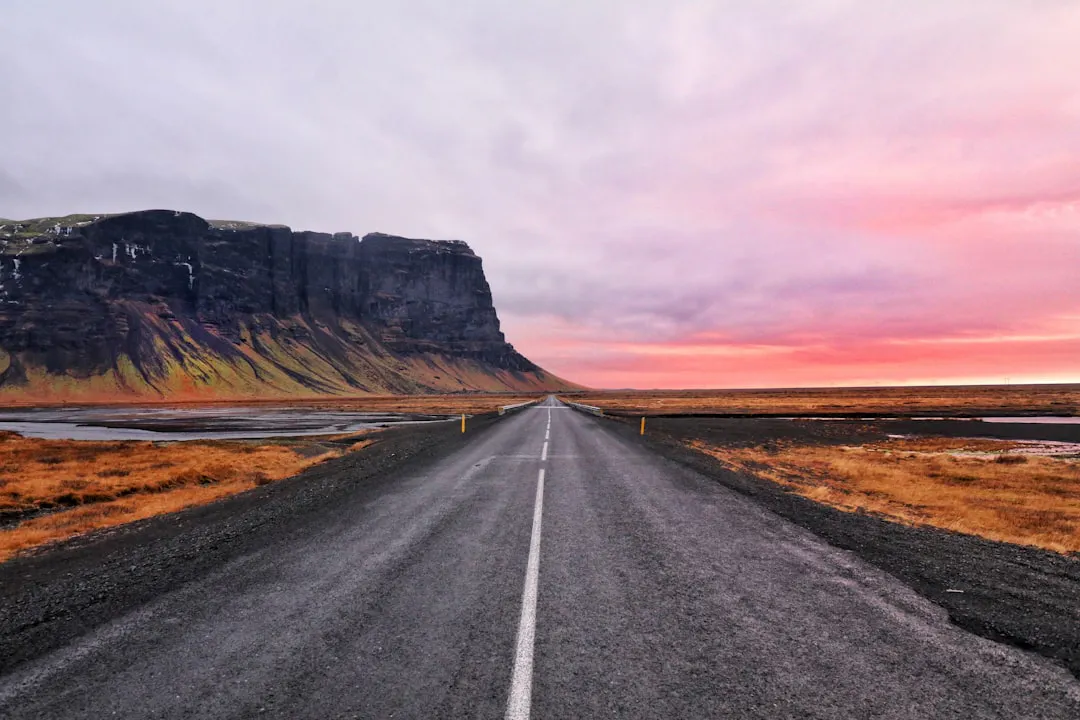
Látrabjarg Bird Cliffs
Látrabjarg is the westernmost point in Iceland and one of Europe's largest seabird cliffs, stretching around 14 kilometres and reaching up to 440 metres in height. During summer, the ledges are packed with razorbills, guillemots, and puffins — and the puffins in particular are famously unbothered by humans. You can get within a metre or two of them, which makes for photos that would cost you a boat trip almost anywhere else in Europe. The cliffs face west, so late afternoon light is your friend here. Allow at least 2 hours.
Dynjandi Waterfall
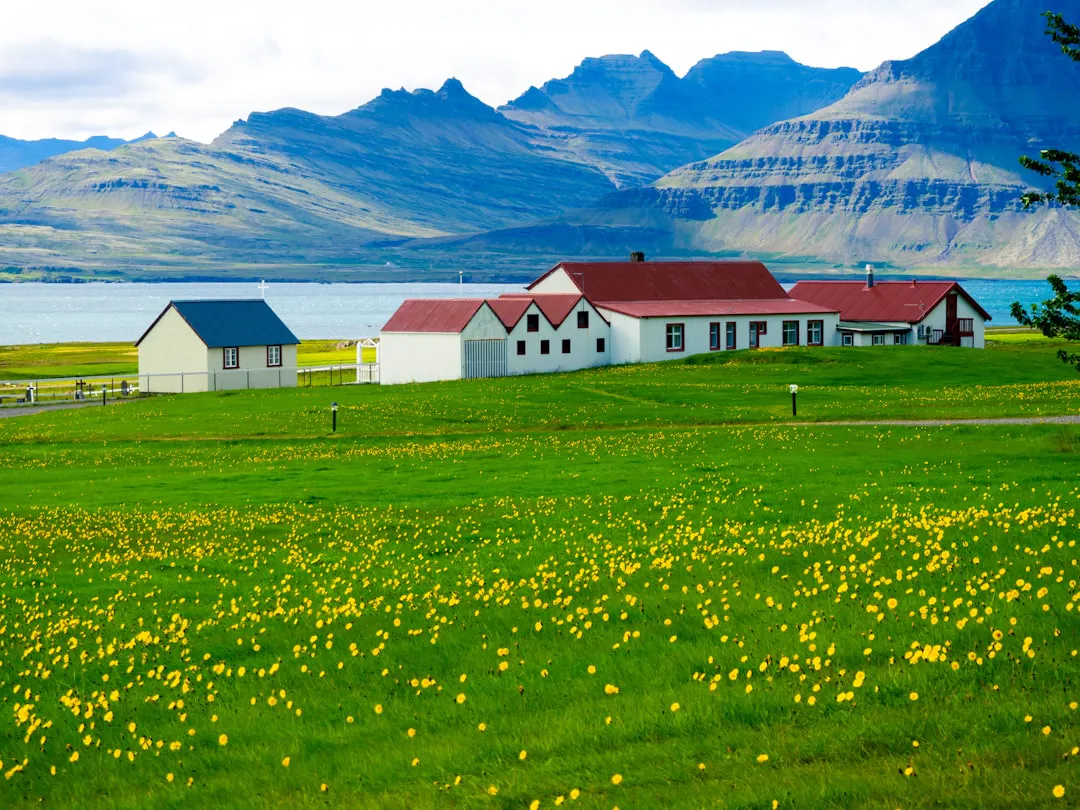
Dynjandi (din-yan-di) is the most recognisable waterfall in the Westfjords and genuinely one of the most impressive in Iceland. It fans out from a width of about 30 metres at the top to around 60 metres at the base, dropping roughly 100 metres in total. A short trail leads up past several smaller cascades before you reach the main fall. The walk up takes about 20 minutes. It's accessible in summer and worth building your entire route around if you can.
Ísafjörður Town
Ísafjörður is small — around 2,600 people — but it's a proper functioning town with restaurants, a supermarket, accommodation, and a strong local character. The old harbour area has some of the best-preserved 18th-century buildings in Iceland, several of which now house the Westfjords Heritage Museum. It's a good base for kayaking tours in the surrounding fjords, and in winter it's one of the few places in Iceland that hosts a ski area.
Hornstrandir Nature Reserve
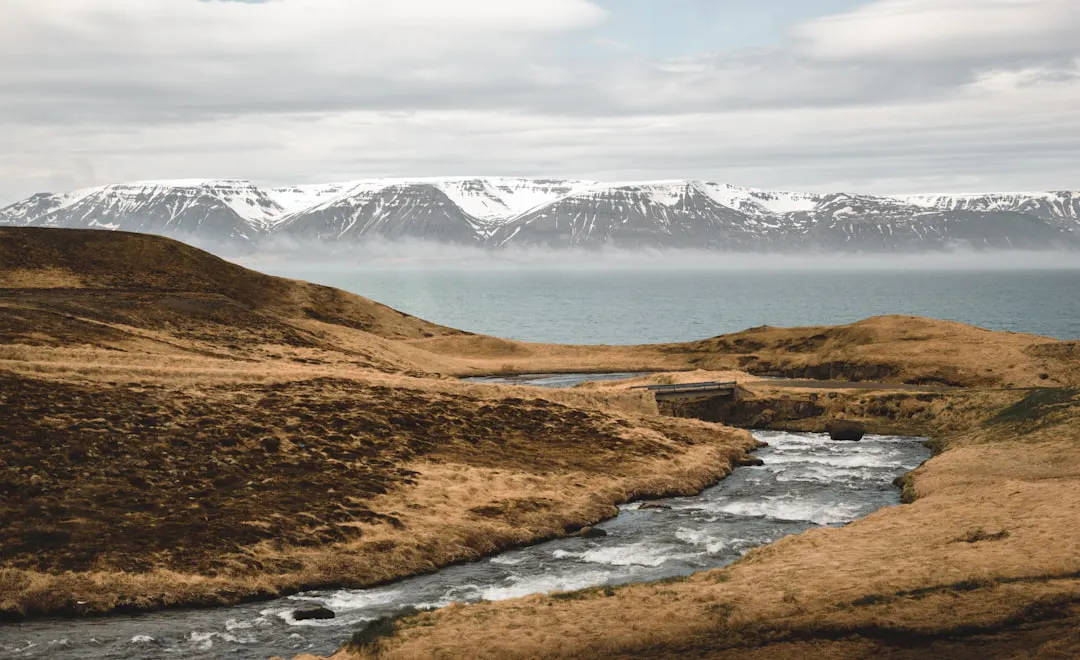
Hornstrandir is a peninsula in the far north of the Westfjords with no roads and no permanent residents. It was abandoned in the mid-20th century and has since been designated a nature reserve. Access is by boat from Ísafjörður, and it's a destination for serious hikers — the terrain is demanding and weather changes fast. Arctic foxes are common here and have no fear of humans. Day trips and multi-day hiking options run from Ísafjörður during summer.
When to Visit the Westfjords
Summer — June through August — is by far the most accessible time. Roads are open, the ferry runs, boat tours to Hornstrandir operate, and the bird cliffs at Látrabjarg are at their best. Puffins typically arrive in late May and leave by mid-August.
Spring and autumn are possible but require more flexibility. Mountain passes can close without much warning, and some services don't operate outside the main season. Winter travel in the Westfjords is for experienced Iceland travellers only — the roads are serious, daylight is limited, and many guesthouses close entirely.
How Long Do You Need?
Three days is a minimum if you're driving from Reykjavík and want to see Dynjandi, Látrabjarg, and Ísafjörður without rushing. Five to seven days lets you explore the smaller fjords, do a boat trip to Hornstrandir, and actually slow down rather than just drive between stops.
The Westfjords don't reward a quick drive-through. The distances look manageable on a map, but the roads are winding and the scenery stops you constantly. Build in more time than you think you need.
Practical Tips
Book accommodation early — the region has limited beds and popular guesthouses fill up well in advance during summer. Fuel stations are sparse outside Ísafjörður, so fill up whenever you have the chance. Mobile coverage is patchy in many areas, so download offline maps before you go.
If you'd rather not self-drive the whole thing, small group tours departing from Reykjavík cover the Westfjords highlights over several days, with transport, accommodation, and guiding included. It's a significantly easier way to see the region, particularly if the driving conditions make you nervous.

