Hot Springs & Aurora: Iceland's Best Autumn Soak-and-Watch
Skip the crowded pools. Óðinn shares the real spots to soak under northern lights on cool Iceland autumn nights.

There is a specific kind of cold that hits you when you step out of a geothermal pool at eleven o'clock on an October night in Iceland. Not unpleasant. Just — clarifying. Your skin is steaming, the air is maybe three or four degrees, and if the sky is doing what the sky sometimes does out here, there are green lights folding and unfolding above you like something got switched on by accident. I have been a guide here for years and I still stop talking mid-sentence when it happens.
Here is the thing nobody in a brochure will tell you: the Blue Lagoon is not the move for this. I know. Everyone wants to go. It is fine. But if you are trying to actually lie back in warm water and watch the aurora without a hundred people bumping into you and someone's cocktail drifting past your elbow, you need different spots. Autumn — September through November — is genuinely the sweet window. Long enough nights for aurora, temperatures that make the steam dramatic, fewer tourists than midwinter, and the landscapes doing that thing where they go orange and brown and the lava fields look even more like the moon than usual.
This is where I send people. The spots I actually use, not the ones that appear first on a search engine.
The part where I tell you to stop googling 'best hot spring Iceland'
Reykjadalur is the first place I recommend to almost everyone who asks, and it has nothing to do with it being convenient — though it is, from Reykjavík, about 45 minutes down the Ringroad and then up through Hveragerði. It is a geothermal river. An actual river, warm enough to sit in, that runs through a valley in the hills above the town. You hike in — roughly three kilometres each way, not technical but the path gets genuinely muddy in autumn, wear proper boots — and you find a place along the bank where the temperature suits you.
The upstream sections run hotter. The downstream sections are cooler. You figure it out by testing with your hand like you are checking a bath. No entry fee. No wristbands. No cocktail menu. Just you, the river, and whatever the sky decides to do.
Pro Tip: Go on a weeknight. Weekends in autumn still pull Reykjavík locals out here — it is a popular evening trip — and while it never gets truly crowded compared to the commercial pools, you will have a more solitary experience on a Tuesday. Check the aurora forecast before you set off; vedur.is gives you cloud cover by region, which matters more than the KP index if you ask me.
The hike back in the dark is worth planning for. Head torch, obviously. The path is well-trodden but the terrain is uneven and the steam vents near the start of the valley are real — stay on the marked path and do not wander off to test the ground temperature with your foot. I have seen people do this. It does not go well.
Related experiences


The pools that are actually worth paying for
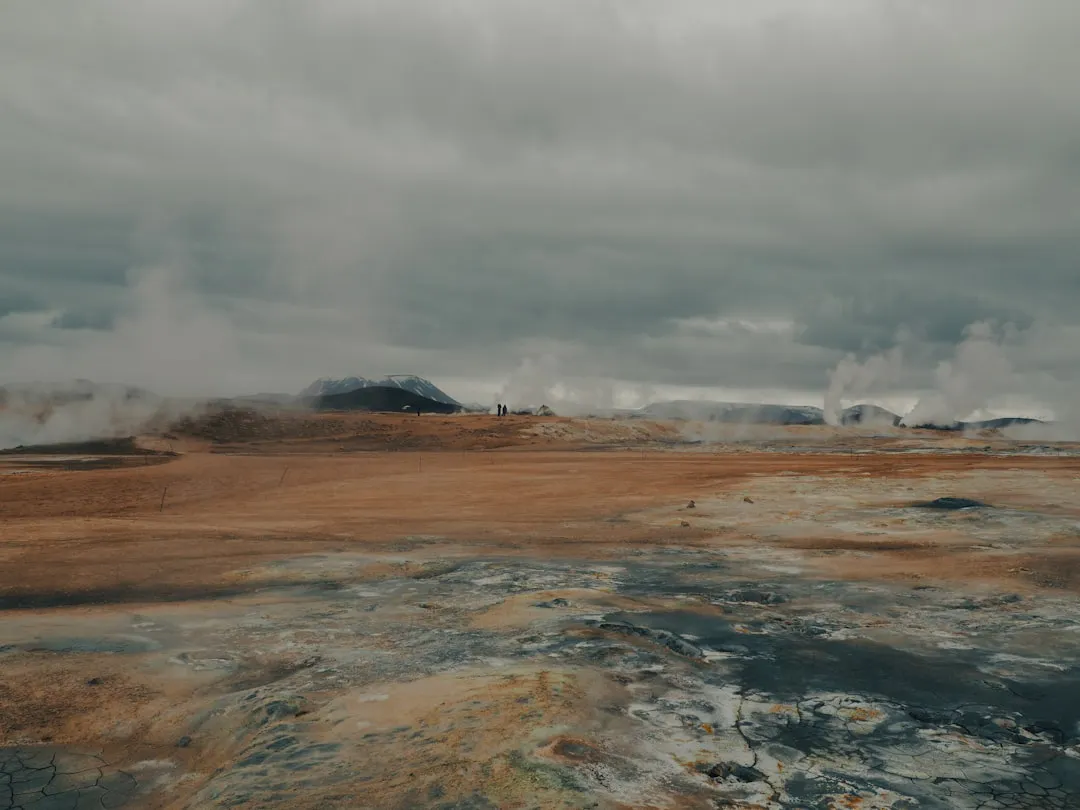
I will give the commercial pools their due when they earn it. Laugarvatn Fontana sits right on the edge of Laugarvatn lake in the south, and the combination of the outdoor pools, the steam rooms built over natural geothermal vents in the ground, and the view across the water is genuinely good. This is Golden Circle territory — about 75 kilometres from Reykjavík — so if you are doing that route anyway, an evening soak here makes sense rather than rushing back to the city.
The pools face roughly north-west across the lake, which means on clear nights you are looking at open sky over water with very little light pollution from the surrounding area. I have watched the aurora reflect off the lake surface from in here. That is a real thing that happens and it is disorienting in the best possible way.
It is worth checking their current opening hours directly before you go — seasonal hours shift in autumn and I would rather you confirm than arrive at a closed gate.
Sky Lagoon, the newer facility out on the Kársnes peninsula just outside Reykjavík, gets a lot of attention and I think some of it is deserved. The infinity edge looks out over the North Atlantic. On a clear autumn night with an active aurora, that western sky view delivers. It is more expensive than Fontana and significantly more polished — this is a designed experience, not a natural pool — but they have clearly thought about the aurora viewing angle when they built it. If someone in your group is not into roughing it, this is the compromise that still actually works.
Getting out of the south-west entirely
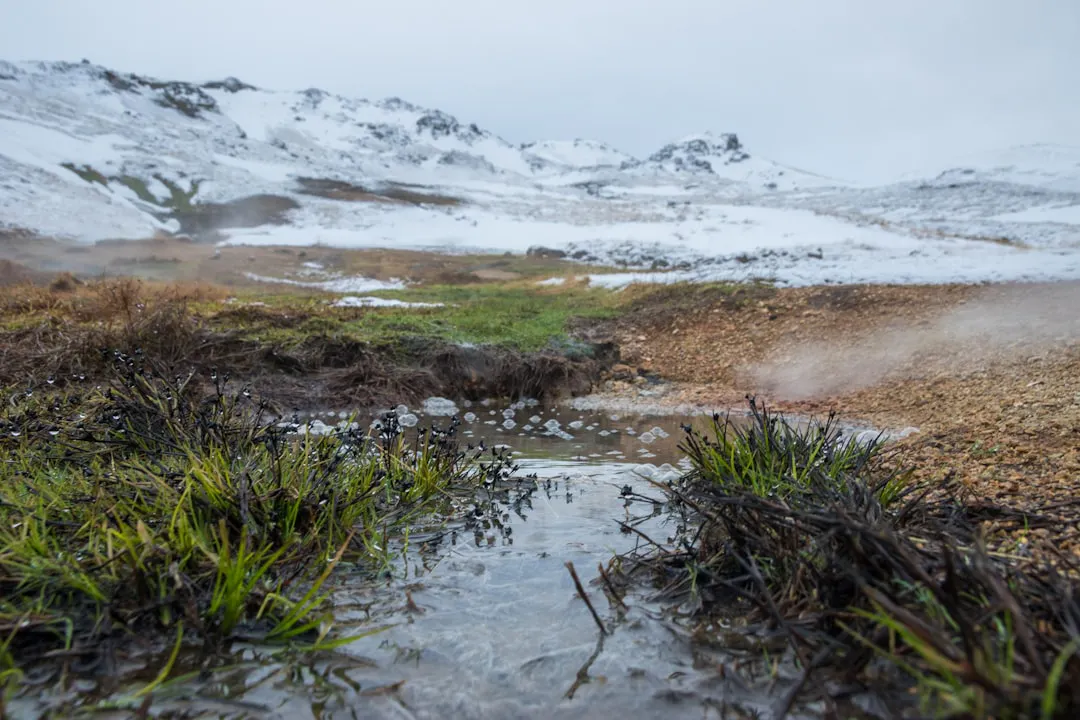
Here is where I am going to lose some people, and I am fine with that. The Westfjords in autumn are not for everyone. The roads are slower than you expect, the weather is more unpredictable than anywhere else in the country, and the services are limited. But Pollurinn, a small natural hot pot near Tálknafjörður in the Westfjords, sits right at the edge of a fjord and has essentially zero light pollution and essentially zero other people on most autumn evenings.
It is free, it is informal — concrete tub, hot water piped in, a bench — and on the right night it is the most purely excellent aurora-watching spot I have ever soaked in. I am not going to dress that up with unnecessary language. It just works.
Getting there means committing to the Westfjords as a destination, not a detour. You are not swinging by on your way somewhere else. Fly into Ísafjörður or drive the full route from Reykjavík — either way, you are committing a proper chunk of your trip. If you are already going to the Westfjords, do not skip this.
Pro Tip: The Westfjords get aurora activity that the south-west misses regularly because the cloud systems move differently up there. A night when Reykjavík is completely overcast can be perfectly clear over the fjords. I have checked the satellite imagery and watched this happen in real time while people in the capital are refreshing aurora apps in frustration.
Why autumn specifically, and what you are actually dealing with weather-wise
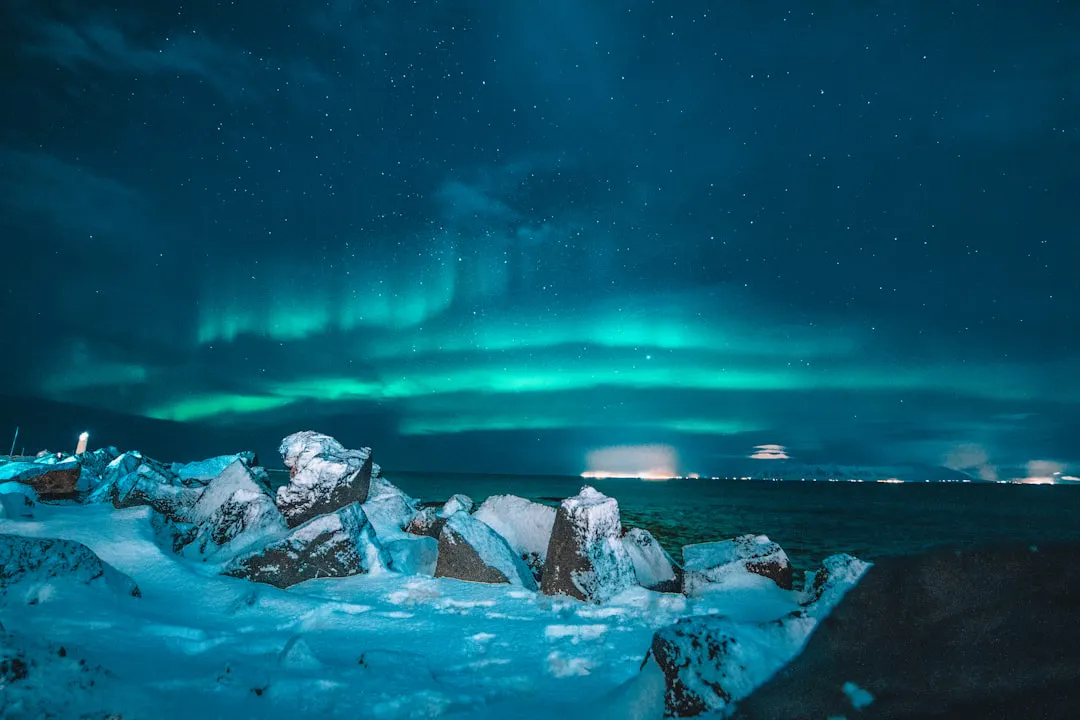
September gives you genuinely dark nights again after the bright summer — real darkness returns around the equinox, so early September is marginal but by mid-September you have enough night sky to work with. October is arguably the sweet spot: dark enough, geothermal pools at their most dramatic because of the steam contrast with cold air, foliage in the highlands still doing interesting things. November works too but the daylight hours get short enough that driving unfamiliar roads in the dark becomes more of a factor you need to plan around.
Autumn weather in Iceland is — I will be honest — chaotic. You can have three different types of weather in the same afternoon. The aurora forecast and the cloud cover forecast are almost two separate problems, because you can have a KP5 aurora event completely invisible under a solid overcast, and you can have a KP2 event look spectacular under a clear sky with good visibility. Learn to read the cloud cover charts. vedur.is is the Icelandic Met Office and it is the tool I use, not the tourism-facing apps.
Wind is also a factor for the natural pools specifically. Reykjadalur in a full south-westerly gale is a cold and unpleasant walk, and the steam blows all over the place so it feels colder in the water too. It is not dangerous, just not the dreamy experience you came for. Check the forecast before you commit to the hike.
What to actually bring, because I have watched people get this wrong
Microfibre towel, changing robe or a large towel you do not mind getting muddy, a dry bag for your phone and car keys, and footwear you can get wet. For natural spots like Reykjadalur and Pollurinn, there are no lockers, no showers, no changing rooms with any real weather protection. You are changing outside in October. Plan accordingly.
Phone camera in cold and wet conditions will fog up when you move it from warm water to cold air. Give it a minute before you expect it to take a decent photo. Video tends to work better than stills for aurora anyway — a longer exposure requires a tripod and most people are not travelling with one.
Headtorches for any natural spot after dark. This is not optional. Not a phone torch — an actual head torch that leaves your hands free.
If you want a guide who actually knows the sky
We run a northern lights tour out of Reykjavík through QR Travel that takes a different approach to the standard bus tours — smaller groups, flexible routing based on where the cloud cover is actually breaking, and we spend real time at each stop rather than driving you past a green smudge at 60 kilometres an hour. If you want to combine aurora chasing with a glacier hike the following day, we have packages that link those up — the south coast gives you both Jökulsárlón for the evening light and Skaftafell for a morning glacier walk, which is one of my favourite two-day combinations on the island.
The glacier side of that trip — if glaciers are on your list alongside the hot springs and aurora — QR Travel runs a guided ice walk from Skaftafell that I would point you toward over the generic tour options. It is the terrain I know best and the guides there do not just point at ice and call it a day.
Look, you can plan this entire trip yourself and do it well. I have given you enough to work with here. But if you want someone to check the forecast, make the call on which spot is worth driving to on a given night, and actually get you under a clear sky with active aurora, that is what we are here for. Come find me on the QR Travel booking page and we will sort it out.

