Ring Road Iceland: The Complete Guide to Route 1
Everything you need to know about driving Iceland's Route 1 — the 1,332 km road that circles the entire island.

Iceland's Route 1 — known as the Ring Road, or Þjóðvegur 1 — is one of the world's great road trips. It loops around the entire island for roughly 1,332 km, connecting fishing villages, lava fields, glaciers, and some of the most dramatic coastline you'll ever drive along. If you're planning a trip to Iceland and have at least a week to spare, this is the journey to do.
The road was fully completed in 1974, and since then it's become the backbone of Icelandic travel. Most of it is paved and well-maintained, though some connecting side roads — particularly in the Westfjords or highlands — are gravel or require a 4x4. For the main Ring Road itself, a standard 2WD car will get you around just fine in summer.
How Long Does the Ring Road Take?
The honest answer: it depends entirely on how much you want to see. Technically you could drive the full loop in about 17-20 hours of non-stop driving, but nobody does that. Most travellers spend between 7 and 14 days on the Ring Road, and even two weeks can feel rushed if you want to take detours.
I'd recommend a minimum of 10 days if this is your first time. That gives you enough breathing room to chase a waterfall on a whim, linger at a glacier lagoon, or take an afternoon to hike without feeling like you're racing the clock.
Related experiences


Where to Start: Reykjavík
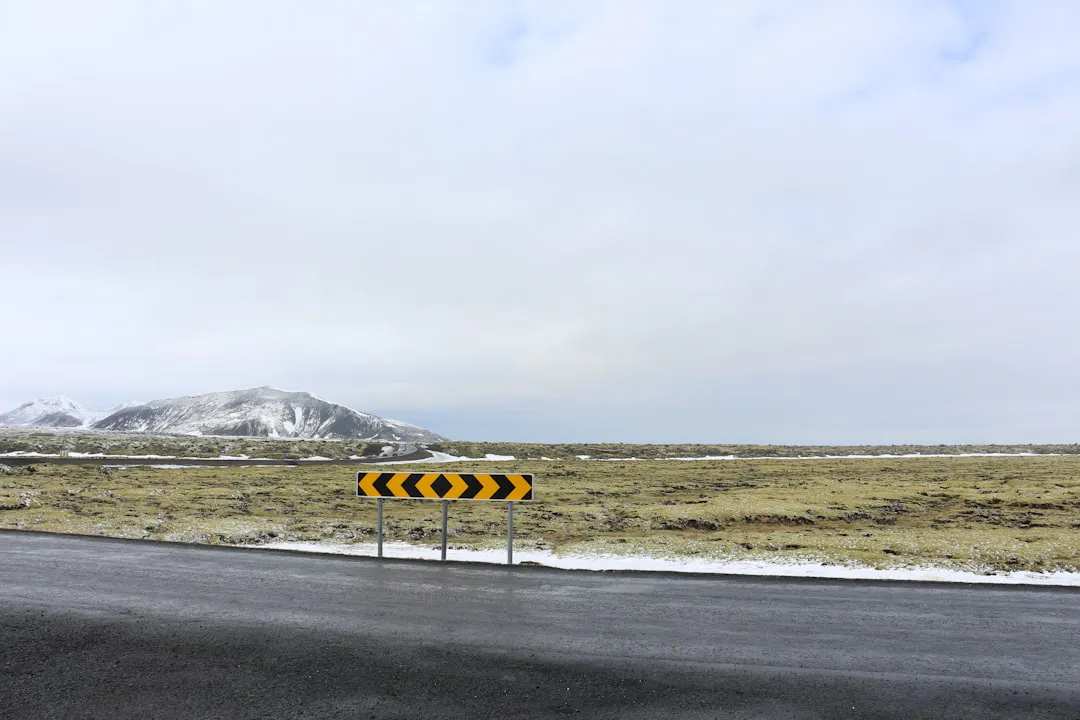
Almost everyone begins in Reykjavík, the capital and home to Keflavík International Airport (about 50 km from the city centre). You can drive the Ring Road clockwise or anticlockwise — both directions work equally well. Many travellers go clockwise, heading east along the South Coast first, but there's no wrong choice.
If you have an extra day or two before setting off, Reykjavík is worth exploring properly. The Hallgrímskirkja church, the old harbour, and the Laugavegur shopping street are all worth your time — and you can stock up on snacks and supplies before leaving the city.
The South Coast: Waterfalls, Black Beaches, and Glaciers
The South Coast is probably the most-visited stretch of the Ring Road, and it earns that reputation. Within a couple of hours east of Reykjavík you'll reach Seljalandsfoss, a waterfall you can actually walk behind (bring a waterproof jacket), and a little further along, Skógafoss, which drops 60 metres and has a staircase alongside it leading to views across the surrounding plains.
Keep driving east and you'll hit Vík í Mýrdal, a small town with one of Iceland's most photographed black sand beaches — Reynisfjara. The basalt columns and sea stacks here are genuinely striking, but take the warning signs about sneaker waves seriously. People have been swept out to sea here.
Past Vík, the road runs alongside Vatnajökull National Park, home to Europe's largest glacier by volume. This is where you'll find Skaftafell, a popular area for glacier hiking and nature walks. It's also where you'll find Jökulsárlón glacier lagoon, one of Iceland's most remarkable sights — a lake filled with icebergs calved from the Breiðamerkurjökull glacier. You can take a boat tour on the lagoon, and just down the road, Diamond Beach is where the ice washes ashore onto black sand.
East Iceland and the Eastfjords
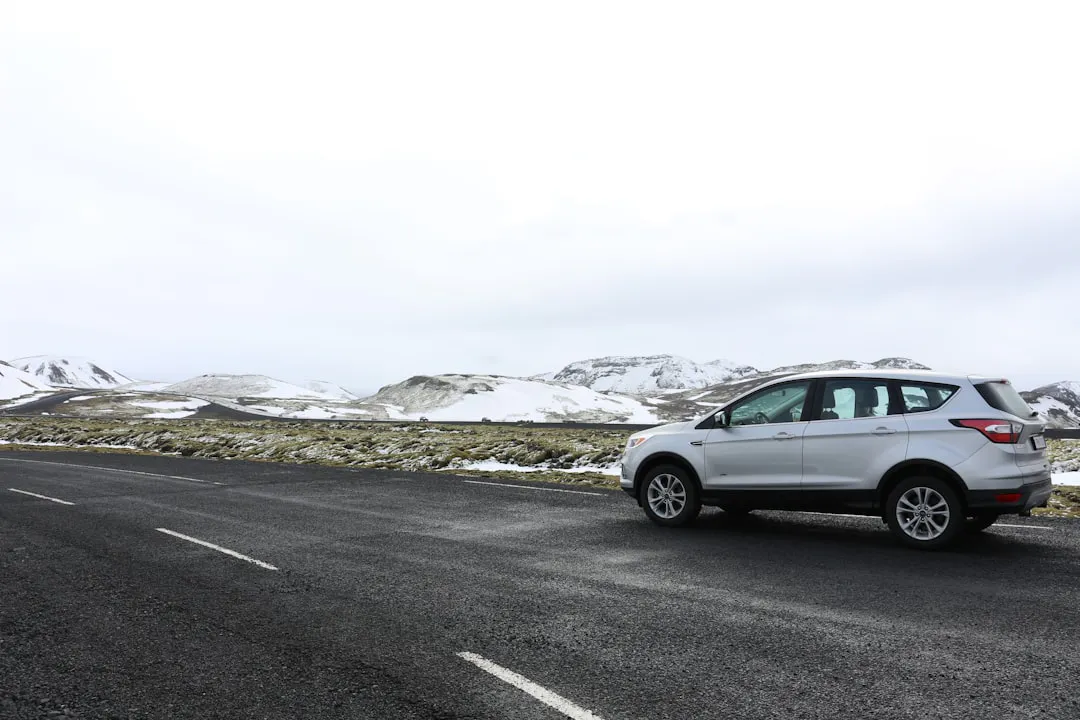
After the drama of the South Coast, East Iceland has a quieter, more intimate feel. The Eastfjords are a series of long, narrow fjords cutting into the coastline, with small fishing towns at their heads. Egilsstaðir is the main hub of the east and a good base for a night.
The driving through the Eastfjords is winding and takes longer than the map suggests — allow more time than you think you need. The reward is that it's genuinely beautiful and noticeably less crowded than the south. Keep an eye out for reindeer, which roam freely in the east of Iceland.
North Iceland: Waterfalls, Whales, and Geothermal Weirdness
The north is where Iceland starts to feel more remote. Mývatn is a must-stop: a volcanic lake surrounded by lava formations, pseudo-craters, and the Námaskarð geothermal area, where the ground bubbles and hisses in a way that feels genuinely otherworldly. The Mývatn Nature Baths are a quieter alternative to the Blue Lagoon if you want a geothermal soak without the crowds.
Akureyri is Iceland's second-largest town and a proper base for exploring the north — it has good restaurants, a botanic garden, and easy access to whale watching tours out of the nearby port of Húsavík. Húsavík is widely considered one of the best places in Europe for whale watching, with humpback whales regularly spotted on tours between April and October.
Goðafoss — the 'waterfall of the gods' — sits right on the Ring Road between Mývatn and Akureyri. It's one of those places where you pull over, walk to the edge, and just stand there for a while.
The West and the Snæfellsnes Peninsula
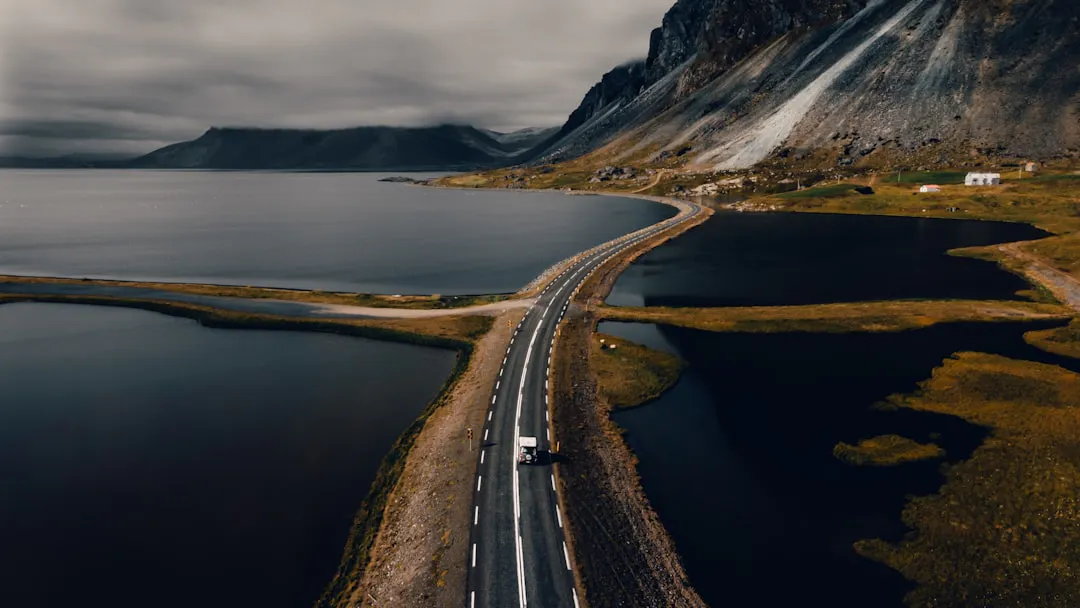
As you complete the loop heading back south and west, it's worth taking the detour out to the Snæfellsnes Peninsula (about 150 km from Reykjavík). This isn't technically on the Ring Road, but it's one of Iceland's finest areas — Snæfellsjökull glacier sits at the tip of the peninsula and is said to be the entrance to the centre of the Earth in Jules Verne's novel. Glacier hikes and snowmobile tours run here, and the drive itself is spectacular.
Practical Tips for Driving the Ring Road
Road conditions change fast in Iceland — always check road.is before you drive, every single day. It's Iceland's official road and weather information site, and it's genuinely essential. Don't trust yesterday's forecast.
Petrol stations can be far apart in rural areas, especially in the east. Fill up whenever you're below half a tank, not when the warning light comes on. Most stations in Iceland accept credit cards at unmanned pumps, but you'll need a PIN.
If you're travelling between October and April, be prepared for winter driving conditions — even on the Ring Road. Snow tyres are legally required in winter, and most rental cars will come fitted with them, but always confirm this when you book.
When Is the Best Time to Drive the Ring Road?
June to August gives you the most reliable driving conditions, the midnight sun (which genuinely never gets old), and access to all roads. July and August are the busiest months, so book accommodation well in advance.
September and October are excellent for fewer crowds, autumn colours, and a good chance of seeing the northern lights. Winter driving on the Ring Road is absolutely possible but requires experience and preparation — some sections can close temporarily in severe weather.
Whatever time of year you go, book your accommodation as early as you can. The Ring Road is popular for good reason, and the best guesthouses fill up months ahead. Sort your car hire early too — demand in summer is high and prices reflect that.
The Ring Road is one of those trips that stays with you. Plan it properly, give yourself enough time, and it'll be one of the best things you ever do. 🚗

