Menningarnótt 2026: Your Real Guide to Reykjavík Culture Night
Published
Stefanía's honest guide to Reykjavík's biggest single-day festival on 22 August 2026 — road closures, marathon chaos, and all.

Every year, without fail, my cousin texts me at about half past ten on Culture Night to say she can't find her kids. They're fine — they always are — but that's what Menningarnótt does to you. It swallows the city whole, and suddenly 100,000 people are standing in the same few streets eating pönnukökur and watching fire dancers, and absolutely nobody is where they said they'd be.
Menningarnótt — Culture Night — falls on 22 August in 2026. It's the single biggest event on the Reykjavík calendar, and it has been running since 1996. The basic idea is this: museums, galleries, churches, theatres, studios, and public spaces across the city centre open their doors for free, all day and into the night, while the streets fill with performances, food stalls, and live music. The evening ends with a fireworks display over the harbour. That's the official version. The reality is louder, more chaotic, and honestly more fun than any brochure will tell you.
If you're visiting Iceland in late August and you happen to be in Reykjavík on this date, you're lucky. But you do need to know what you're walking into.
The Marathon Comes First — and It Closes Everything
Here's what catches visitors completely off guard every single year: Menningarnótt shares its date with the Reykjavík Marathon. The marathon and associated races start in the morning, and the road closures go up early. Large sections of the city centre and the running route along Sæbraut and around the lake at Tjörnin are closed to vehicles for most of the morning.
If you're staying in a guesthouse or apartment inside the closure zone, talk to your host the day before. Some streets reopen by midday, others stay closed well into the afternoon as the festival setup takes over. Driving into the centre on Culture Night itself is not really an option — the city is functionally car-free from early afternoon onwards. This is not a soft suggestion. You will not find parking. The streets are full of people.
Pro Tip: Book accommodation within walking distance of Laugavegur or the old harbour area so you can simply step outside and be in it. If you're staying further out — say, near Keflavík airport or in a summer cabin — plan your journey in on the bus. Strætó, the city bus service, runs extra capacity on Culture Night, and the buses are free after a certain point in the evening as part of the festivities. Check the Strætó app or website closer to the date for exact times.
Related experiences


What Actually Happens (Beyond the Fireworks Photo)
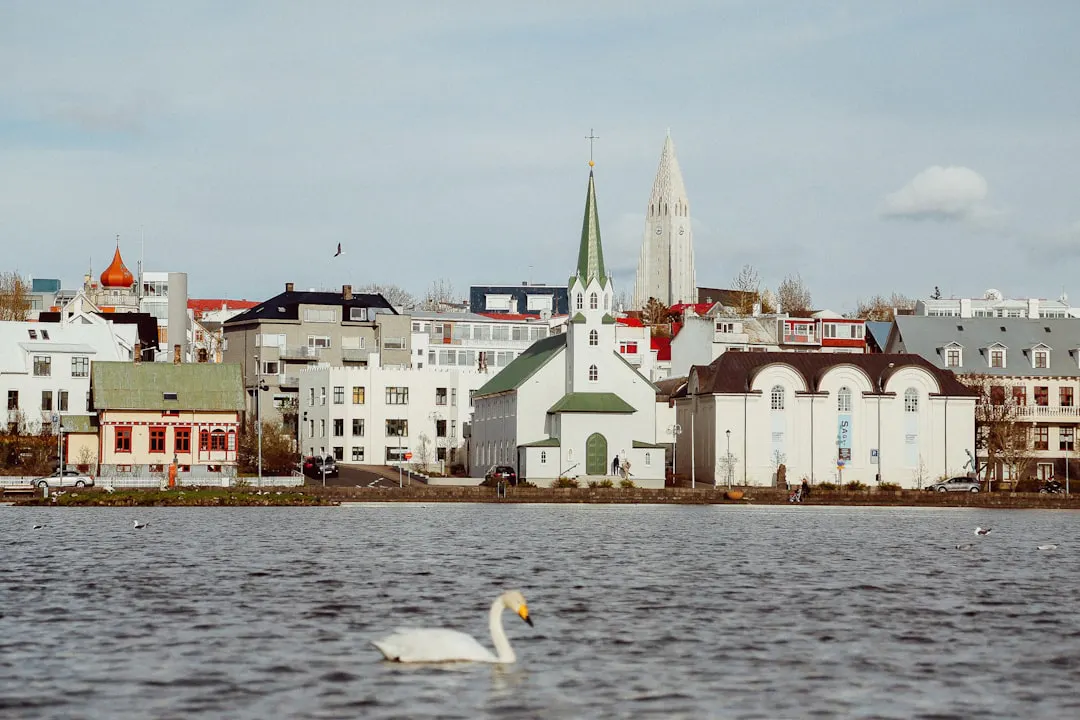
The day splits naturally into two halves. In the afternoon, it's more family-oriented — the streets around Austurvöllur square and down Aðalstræti fill up with children's activities, craft stalls, and small stage performances. This is when the queues at the National Museum and Reykjavík Art Museum (Listasafn Reykjavíkur) are shortest, if you want to duck inside somewhere quieter.
Tjörnin, the small lake in the city centre, is always worth a slow walk around at this time of day. People set up on the grass, musicians play near the benches, and the light in late August still has that long golden quality that doesn't quite make sense to visitors from further south. It gets dark later than you'd expect.
As the evening builds — from around seven or eight onwards — the energy shifts. The stages get louder, the crowds get denser, and Laugavegur becomes almost impossible to walk quickly. Don't try. This is not a street you rush down on Culture Night. You stop, you watch something, you buy a waffle from a stall, you lose your cousin's children. That's the experience.
The fireworks happen over the old harbour, Grandi-side, usually late in the evening. The exact time varies year to year, so keep an eye on the official Menningarnótt website as the date approaches. The best viewing spots fill up well in advance — the area around Harpa concert hall and the waterfront promenade gets extremely crowded. Go early if you want a good spot. Or go to one of the side streets slightly further back and watch from higher ground — Skólavörðustígur, the street that runs up towards Hallgrímskirkja church, gives you an elevated view over the rooftops.
The Things Nobody Tells You
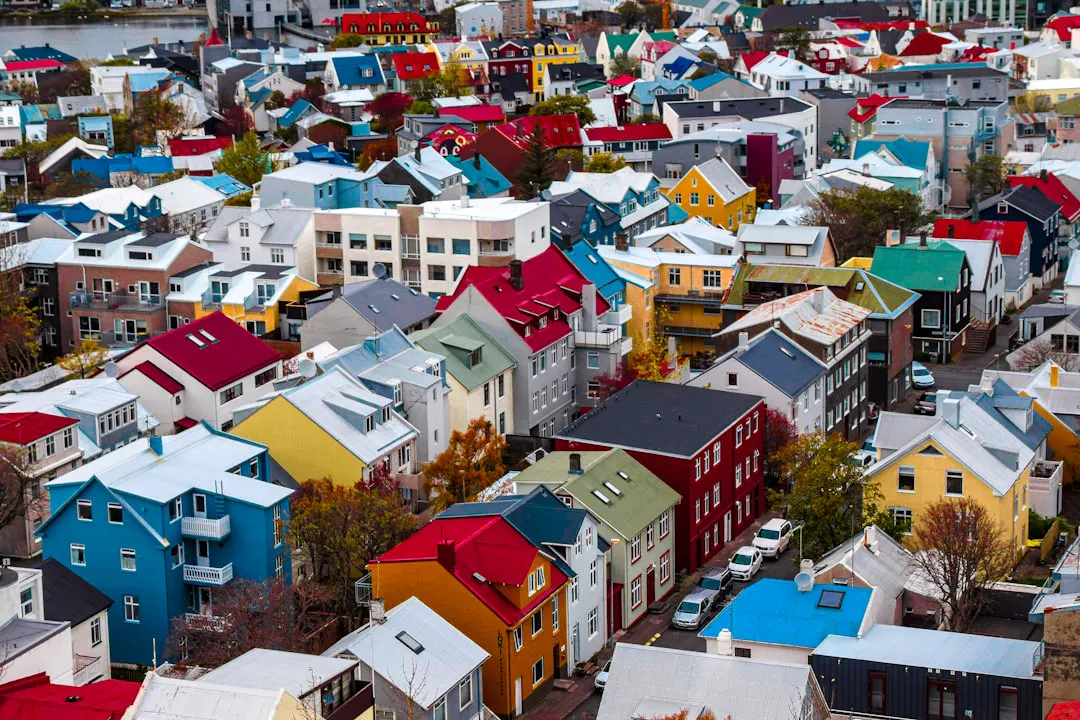
The queues. Oh, the queues. Every venue with a free open house develops a queue that bears no relationship to what's actually inside. I have stood in a 40-minute queue to see a printmaking studio that, lovely as it was, took six minutes to walk through. My advice: if the line wraps around the building, skip it and come back. The city has dozens of open venues — you will not run out of things to do.
Dress for an Icelandic August evening, which means layers you can actually remove and carry. The afternoon can be genuinely warm — we do get real summer days — but by ten at night, standing still near the harbour waiting for fireworks, you will feel the cold. A light waterproof is not overkill. It is common sense.
Food: the stalls are good, but they get expensive and they run out of things. If you want a proper sit-down meal, eat before five. After that, every restaurant in the centre has a queue out the door or has stopped taking walk-ins entirely. Alternatively, pick up supplies from a Bónus or Krónan supermarket earlier in the day — both have central locations — and eat on a bench by Tjörnin like half of Reykjavík does anyway.
Pro Tip: Smaller venues — artist-run studios, independent galleries on the side streets off Laugavegur, some of the old historic buildings around Aðalstræti — are often far more interesting than the headline venues and have no queue at all. Wander. The programme booklet is published in advance on the Menningarnótt website and it lists every participating venue. Download it before you go.
Getting Your Bearings: The Streets That Matter
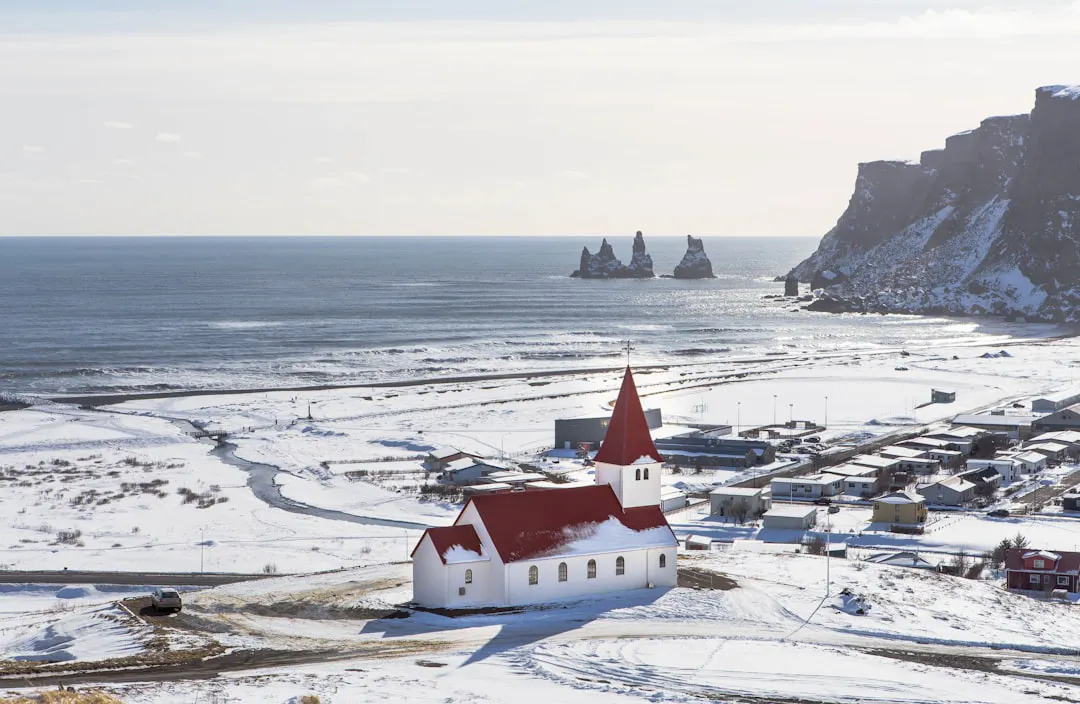
Reykjavík's city centre is genuinely small. You can walk from Hallgrímskirkja down to the harbour in about fifteen minutes at a normal pace — longer on Culture Night, obviously, but the point stands. You don't need a car and you don't need a taxi. You need comfortable shoes.
The main artery is Laugavegur, running roughly east to west through the centre, which becomes pedestrianised for the event. Bankastræti connects it westward towards Austurvöllur and the parliament building, Alþingishús. South of Tjörnin, things get quieter — the streets around Suðurgata and over towards the university area are good to know if you need to decompress away from the main crowds.
The old harbour area — particularly the stretch near Grandi, where Reykjavík's restaurant and cultural scene has expanded considerably in recent years — is worth heading to both early in the day and for the fireworks. The Saga Museum and the Whales of Iceland exhibition are both in this part of town and sometimes participate in Culture Night programming.
If you've built any time around your Reykjavík visit to explore beyond the city, we offer day tours departing from the capital that work well on the days either side of Culture Night — you can see the south coast or the Golden Circle and be back in the city in time for the evening. It means you're not burning your one full day in Reykjavík on logistics.
The Morning After
Reykjavík is quiet on the 23rd. Wonderfully, completely quiet. The streets that were packed twelve hours earlier are nearly empty by mid-morning. This is actually one of my favourite times in the city — the post-festival calm, the occasional food wrapper blowing past Hallgrímskirkja, the café staff who look like they haven't slept.
The pools are open. Go to a pool.
Vesturbæjarlaug in the Vesturbær neighbourhood is smaller and less known than the famous Laugardalslaug, and on a Sunday morning after Culture Night it will have maybe twenty people in it. Sit in the hot pot — heitur pottur — and say nothing to anyone. That is also Reykjavík culture, and it requires no programme booklet.
Pro Tip: Some of the venues that opened for free on Culture Night offer reduced admission in the days immediately following. Check individual venue websites — it's not guaranteed, but it happens.
One Last Thing Before You Go
I've been to Menningarnótt more times than I can count — as a child holding my mother's hand near the fireworks, as a teenager getting lost on purpose, as an adult trying to keep track of my own small people in the crowd. It is never the same twice. The lineup changes, the weather does what it wants, and something always goes slightly wrong in a way that becomes the story you tell afterwards.
Don't try to see everything on the programme. Pick three or four things you actually want to do, leave the rest open, and let the city take you somewhere unexpected. That's not advice I'd give you for a glacier hike — those need a plan, and if you're doing one of our guided hikes out of Skaftafell, you follow the guide, full stop. But Culture Night in Reykjavík rewards the people who put the programme away at some point and just walk.
If you're coming to Iceland in late August and you want to make the most of both the festival and the surrounding days, have a look at what we have available through QR Travel — we can help you build something that doesn't leave you exhausted before the fireworks even start.
Come find us by the harbour. I'll be the one who can't find her cousin.

