The Diamond Circle: North Iceland Done Right in Summer
Published
Stefanía breaks down the Diamond Circle loop — Dettifoss, Ásbyrgi, Mývatn, Goðafoss, Húsavík — and why summer is the only time to do it properly.

My father drove us to Dettifoss when I was nine years old. I remember the sound before I saw anything — this low, physical rumble that you feel in your chest before your brain registers it as noise. Then the spray. Then the falls themselves, and me standing there with my mouth open like a fish. He laughed. He still brings it up.
That memory is why I find it genuinely baffling that so many visitors spend their entire Iceland trip on the Ring Road between Reykjavík and Vík, ticking off the Golden Circle like a school register, and never make it north. The Diamond Circle — the loop taking in Dettifoss, Ásbyrgi, Mývatn, Goðafoss, and Húsavík — is not a consolation prize for people who've already done the south. It's a different Iceland altogether. Quieter roads, rawer geology, and in June and July, that particular quality of midnight-sun light that makes everything look slightly unreal without being at all soft.
Why summer, specifically
Let me be direct about this: the Diamond Circle is theoretically driveable year-round, but the roads around Dettifoss (particularly Route 862 on the eastern side) are unpaved and can be rough or closed entirely in winter and early spring. Ásbyrgi is a canyon and can hold snow and ice well into May. And Húsavík's whale watching — which I'd consider essential — runs from April through October, with the richest sightings typically in June and July when humpbacks are feeding in Skjálfandi Bay.
But the real reason to come in summer is the light. Between roughly mid-May and late July, the sun doesn't fully set in north Iceland. You can be standing at the edge of Dettifoss at midnight with your shadow stretching long across the basalt, the spray catching the low golden light, and there's nobody else there. No tour coaches. No queue for the viewpoint. Just the falls and that chest-rattling noise my father introduced me to thirty years ago.
Pro Tip: If you're doing the loop in late June or early July, consider flipping your schedule — sleep in the early afternoon, drive the canyon and the falls in the evening hours. The light between 10pm and 2am is genuinely something else, and the car parks are empty.
Related experiences


The route itself, and how long it actually takes
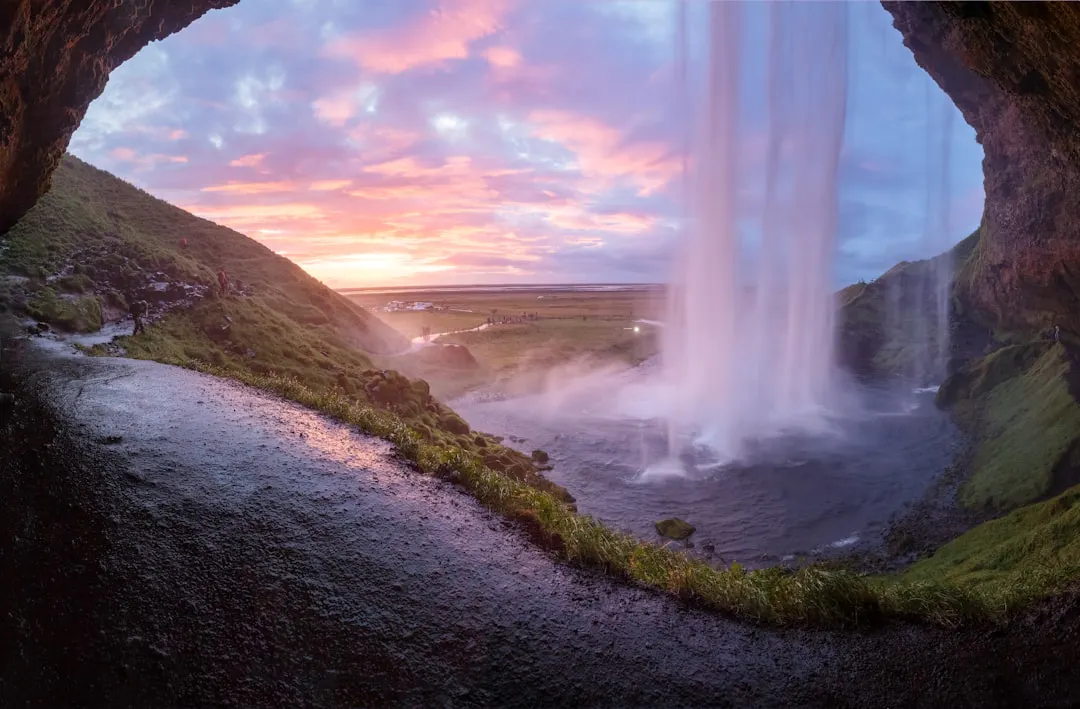
The Diamond Circle is roughly 250 kilometres of driving if you're looping from Húsavík or Akureyri as a base. People will tell you it's a day trip. Those people are wrong, or they're not stopping properly.
If you're starting from Húsavík, the logical order is: head east on Route 85 toward Ásbyrgi first, then south down Route 862 to Dettifoss, back up and west through Mývatn, then north again to Goðafoss, and back to Húsavík. That's the geographic logic of it. But it does mean you hit Dettifoss mid-morning, which is when the tour buses also arrive. If you have the flexibility, reverse it — start at Goðafoss early, continue to Mývatn, then push east to Dettifoss in the late afternoon.
Allow two full days if you can. One long day is possible but you'll spend the whole time feeling rushed, which is a waste. Mývatn alone deserves half a day — more on that in a moment.
Ásbyrgi and Dettifoss: the canyon and the falls
Ásbyrgi is a horseshoe-shaped canyon about 3.5 kilometres long, and the story behind it matters: it was carved by catastrophic glacial flooding, likely from the Vatnajökull glacier system. The scale only makes sense when you're standing at the Botnstjörn pond at the canyon floor, looking up at basalt walls that rise around 100 metres above you. There are easy walking trails here. Bring something to eat and just sit for a while. It costs nothing and most people rush through it in forty minutes. Don't be those people.
Then Dettifoss. Europe's most powerful waterfall by flow rate — around 193 cubic metres per second on average, though this varies enormously with glacial melt. The western viewpoint, accessed via the paved Route 862, is the more popular side and the easier access. The eastern side, Route 864, gives you a different angle and you'll often have more space, but the road is unpaved F-road-adjacent gravel and you need to check conditions before you go. Don't attempt it in a small city car after rain.
Upstream from Dettifoss, about a kilometre's walk, is Selfoss — a wider, shallower set of falls that most people skip because they haven't heard of it. It's calmer, beautiful in a completely different way, and in summer the light hits the water differently there. Worth the short walk.
Mývatn: more than just the midges
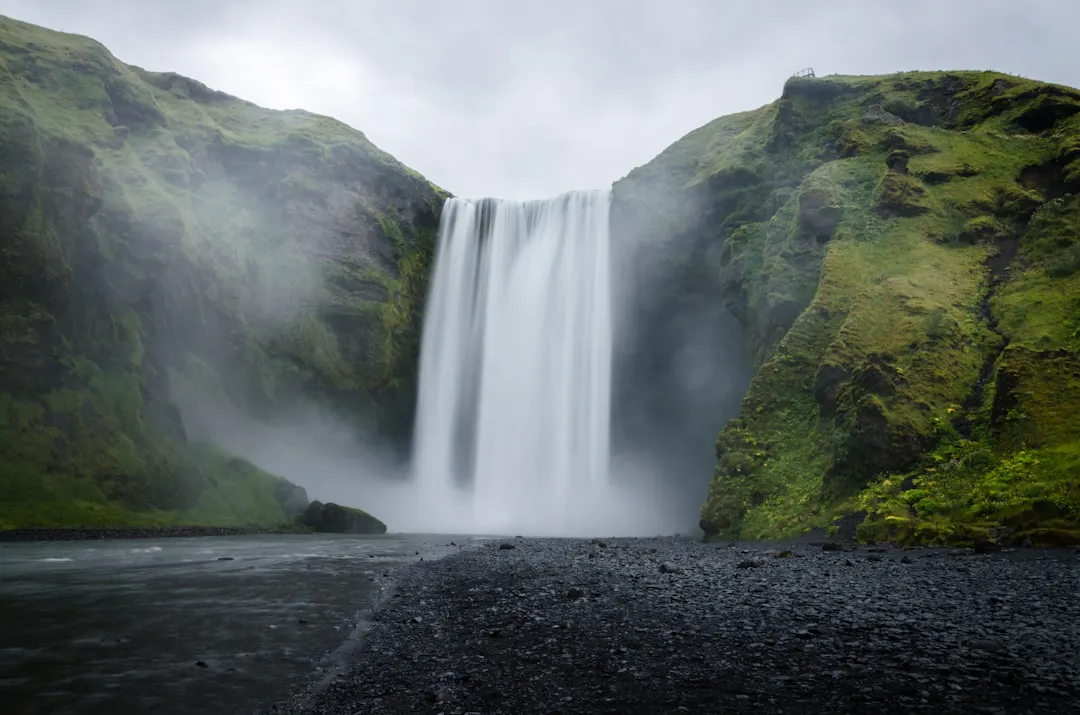
Yes, the midges (mýflugur — literally 'midge flies', which is also where the lake gets its name) are real. In calm, warm summer weather they can be genuinely dense around the lake shore. Pack a fine mesh midge net for your head if you're visiting in July — you can buy them at petrol stations in Akureyri or Reykjahlíð. Don't let anyone tell you it's not an issue. It is. But it doesn't ruin anything; you just adapt.
Mývatn is a shallow lake sitting on top of one of the most geologically active areas in Iceland. The landscape around it shifts every few kilometres — pseudocraters at Skútustaðagígar (formed by steam explosions when lava flowed over the wet lakebed), the extraordinary lava formations at Dimmuborgir, the geothermal area at Hverir with its boiling mud pots and sulphur vents. Hverir smells intensely of sulphur. Some people find it overpowering; I've always found it thrilling in a slightly transgressive way, like the earth is doing something it probably shouldn't.
The Mývatn Nature Baths (Jarðböðin við Mývatn) are the northern alternative to the Blue Lagoon — smaller, less commercial, genuinely lovely. Check current opening hours and prices directly on their website before you go, as these change. I'd book in advance in summer; it gets busy.
QR Travel runs a dedicated Mývatn and Dettifoss day tour from Akureyri that covers Hverir, Dimmuborgir, and the falls — if you'd rather not navigate the gravel roads yourself or want the context that comes from a guide who actually grew up near here, it's worth looking at.
Goðafoss: the one that earns its name
Goðafoss means 'waterfall of the gods', and the name comes from a specific moment in Icelandic history: in the year 1000, the lawspeaker Þorgeirr Ljósvetningagoði threw his statues of the Norse gods into the falls after Iceland formally adopted Christianity at the Alþingi. That really happened. Whether it happened exactly here is something historians continue to discuss, but the tradition is old and the name stuck.
It sits right on the Ring Road (Route 1), which means it's easy to reach and therefore busier than the other Diamond Circle stops. Go early morning or late evening. The falls are about 30 metres wide and 12 metres high — not Dettifoss's brute force, but the horseshoe shape and the turquoise colour of the water on a clear day are genuinely striking. There are viewpoints on both sides of the river; take both.
Húsavík, and why you should stay the night
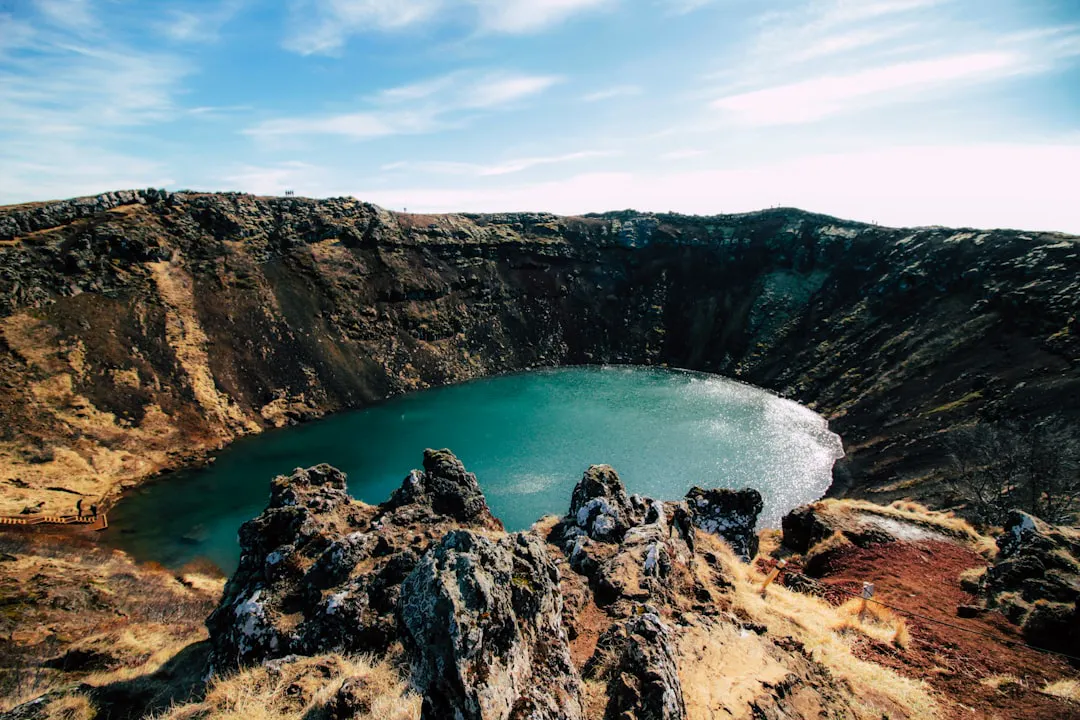
Most people treat Húsavík as a lunch stop. I think that's a mistake. It's a proper small town — about 2,300 people, a beautiful wooden church (Húsavíkurkirkja) overlooking the harbour, good restaurants, and the best whale watching in Iceland.
I'm not being promotional about the whale watching. Skjálfandi Bay's geography and the cold nutrient-rich water genuinely concentrate large numbers of humpback whales in summer. I've been out on those boats three times and seen humpbacks breaching close enough to soak the deck. I've also been out and seen nothing but seabirds and a distant blow on the horizon — that happens too, and any operator who promises you whales is overselling it. What I can say is that the probability in June and July is high enough to make it worth your time.
QR Travel offers whale watching departures from Húsavík harbour throughout the summer season — worth booking ahead because the boats fill up quickly and you want to choose a slot that works with your loop driving schedule rather than the other way around.
Stay at least one night in Húsavík. Have dinner somewhere on the harbour. Walk up to the church in the evening light. The town has a rhythm that you miss entirely if you're just passing through on your way back to Akureyri.
Pro Tip: The Húsavík Whale Museum (Hvalasafnið) is a serious natural history museum, not a tourist attraction. If you have even a passing interest in cetaceans, it's worth an hour of your time. Check current entry fees on their website.
A few things nobody tells you before you go
Route 862 on the eastern side of Dettifoss is gravel and not suitable for all rental cars — check your hire agreement before you drive it. Damage to tyres and undercarriage on F-roads and rough unpaved roads is typically not covered by standard insurance.
Petrol stations in the northeast are spread out. Reykjahlíð has a station at the Mývatn service centre; there's one in Húsavík; there's one in Ásbyrgi / Kópasker area. Fill up when you can rather than when you need to.
The Diamond Circle doesn't have its own dedicated road signs the way the Golden Circle does. Navigation here means actually looking at a map and knowing your route numbers. Download an offline map before you leave mobile coverage, which happens frequently in this part of the country.
And one more thing: don't plan this as a bolt-on to a south Iceland itinerary where you fly into Reykjavík, do the south coast and Golden Circle for four days, then rush north for one day. It doesn't work. North Iceland is a five-hour drive from Reykjavík on a good day. If you're going, commit to it properly — fly into Akureyri, base yourself there or in Húsavík, and give it three days minimum.
If you're putting together a northern Iceland itinerary and want some help building the route around ferry connections, road conditions, and whale watching timing, QR Travel's north Iceland self-drive planning service is genuinely useful — it's not just a brochure, it's actual local knowledge.
That nine-year-old standing open-mouthed at Dettifoss is still somewhere in me every time I go back. Come north. Give it the time it deserves. I'll be very annoyed if you don't.

