The Best Hot Pools in Iceland: A Local's Guide
Published
From free roadside pools to famous geothermal lagoons, here's where to actually soak in Iceland — and which ones are worth your time.

Iceland has more geothermal pools than you could visit in a month. Some cost nothing and sit empty on a Tuesday afternoon. Others charge a premium, require advance booking, and are still worth it. The trick is knowing which is which before you show up.
I've soaked in pools at midnight in January and in full summer daylight at 11pm. Here's what I'd tell you if you asked me over coffee which ones to actually bother with.
The Blue Lagoon (Bláa Lónið)
Yes, it's crowded. Yes, it's expensive. And yes, it's still worth doing once — just go in knowing what it is: a designed experience built around geothermal seawater from the nearby Svartsengi geothermal plant, not a naturally occurring pool. The water is genuinely good for your skin, rich in silica and minerals, and the steam-and-lava-field setting is striking. It's located near Grindavík on the Reykjanes Peninsula, about 50 minutes from Reykjavík and conveniently close to Keflavík Airport — which makes it a logical first or last stop on any trip.
Book well in advance, especially in summer. Walk-ins are rarely possible. They sell out weeks ahead.
Related experiences


Sky Lagoon
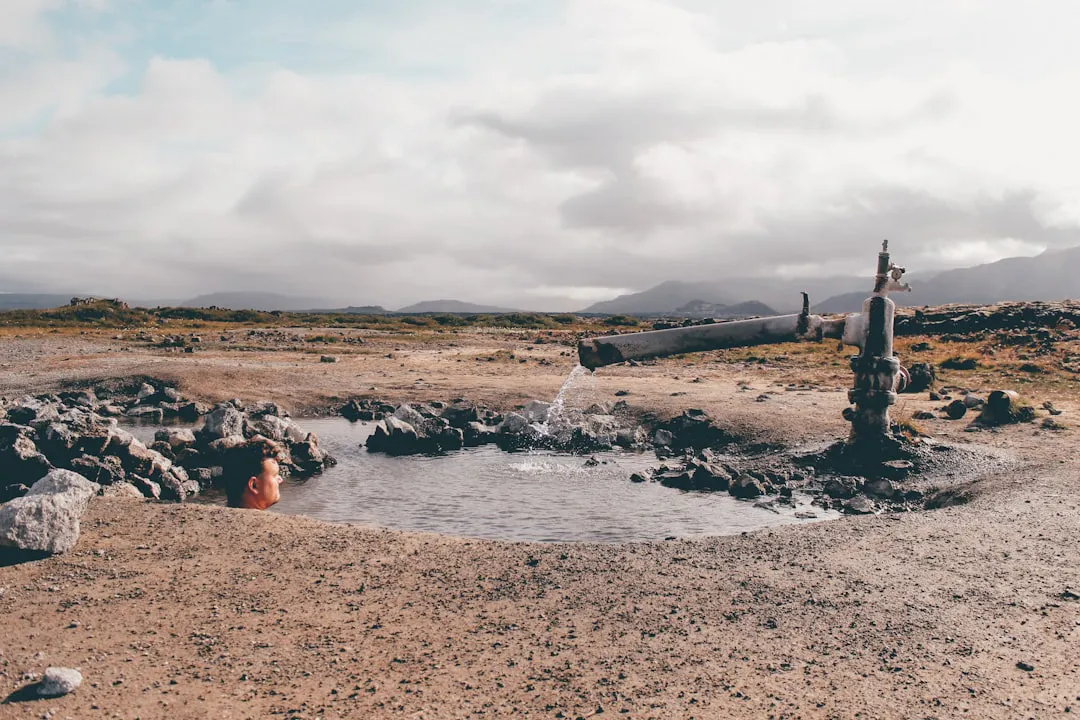
Opened in 2021 on the outskirts of Reykjavík in Kópavogur, Sky Lagoon has quickly become the go-to for travellers who want the geothermal spa experience without driving an hour out of the city. The main pool sits at the edge of a cliff overlooking the North Atlantic, and on a clear day the view stretches to the Reykjanes Peninsula. It also has a seven-step ritual — cold plunge, sauna, steam, cold mist, and so on — which is worth doing properly rather than rushing through.
It's about 10 minutes by car from central Reykjavík. Book ahead, especially for weekend evenings.
Mývatn Nature Baths (Jarðböðin við Mývatn)
If you're doing the Ring Road or spending time in North Iceland, the Mývatn Nature Baths are the obvious stop. They're often compared to the Blue Lagoon, but the atmosphere is much quieter. The milky blue water is geothermally heated and sits at around 36-40°C. The surrounding landscape — volcanic craters, lava fields, the lake itself — makes the setting genuinely different from anything in the south.
Mývatn is roughly 490 kilometres from Reykjavík, so this isn't a day trip from the capital. Build it into a longer journey. The baths are open year-round.
The Secret Lagoon (Gamla Laugin)
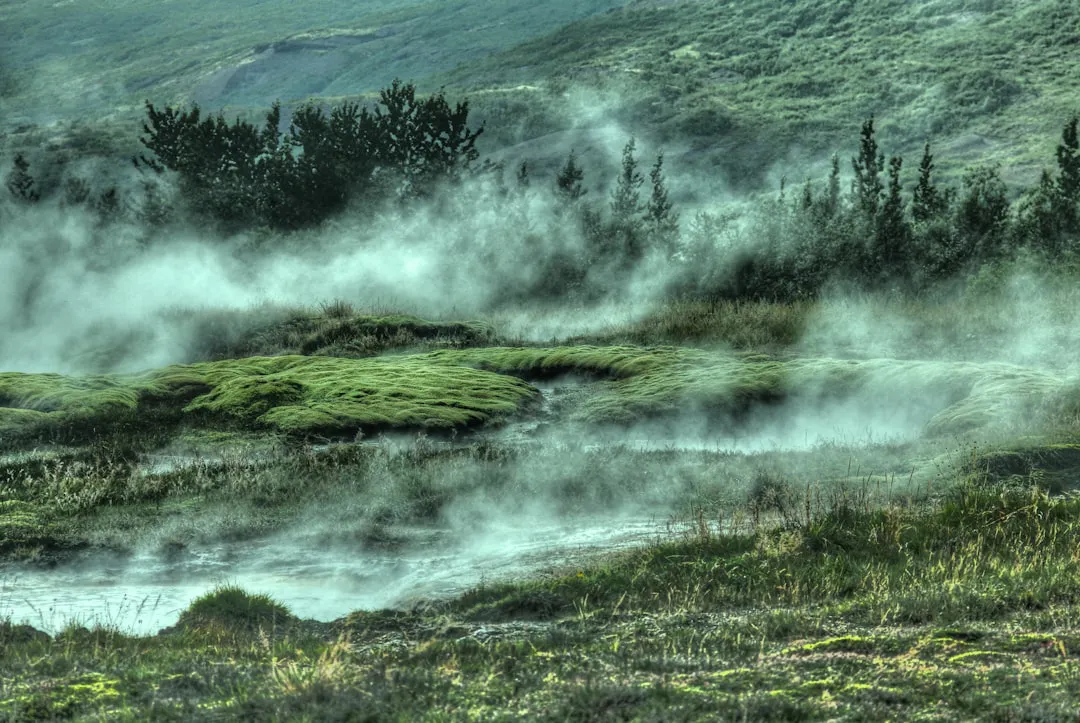
Near the village of Flúðir in South Iceland, the Secret Lagoon is one of Iceland's oldest swimming pools — records suggest it was first used around 1891. It's a natural geothermal pool, not a spa, which means no swim-up bars or silica mud masks. Just hot water, a small geyser nearby that erupts every few minutes, and a relaxed crowd.
It's about a 90-minute drive from Reykjavík and pairs well with the Golden Circle route since it's not far off the standard loop. Entry is paid, and it's popular in summer, but rarely as busy as the Blue Lagoon.
Free Hot Pools Worth Knowing About
The best free pools take a bit more effort to reach, which is exactly why they're quieter.
Seljavallalaug
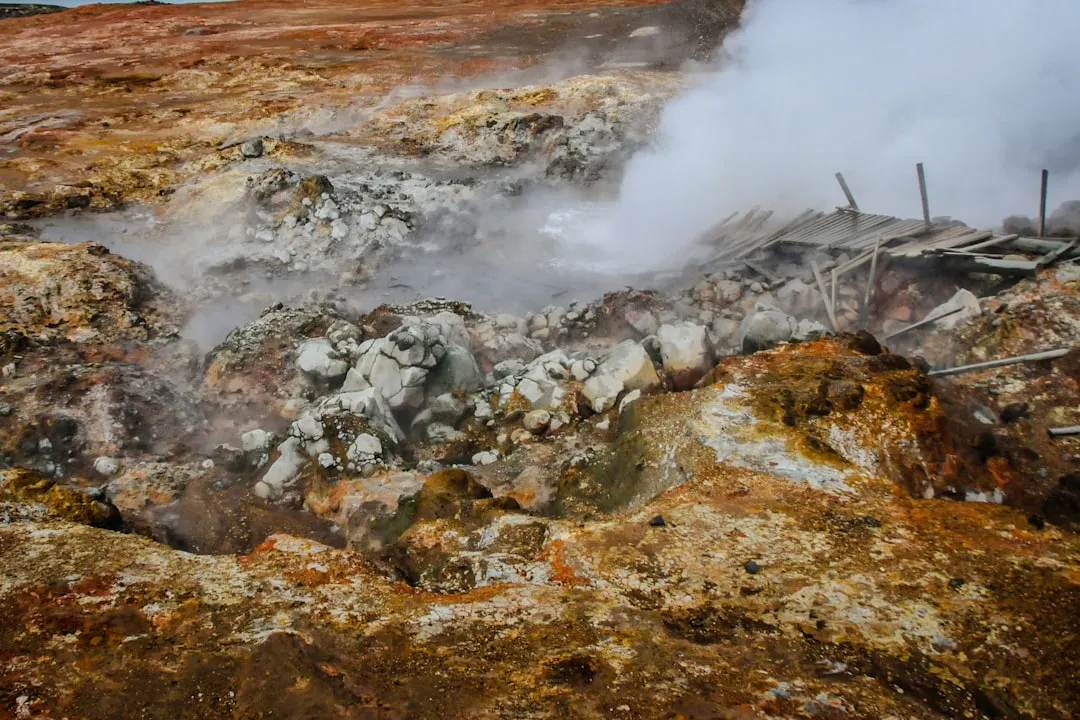
Built in 1923, Seljavallalaug is one of the oldest public swimming pools in Iceland. It sits in a narrow valley near the south coast, about a 15-minute walk from the car park. The water is around 30-35°C — warm rather than hot — and the pool itself is basic: no changing rooms worth speaking of, no facilities. It's free to use. The setting, tucked between steep valley walls, is what makes it. A short detour from the Ring Road between Hvolsvöllur and Vík.
Hrunalaug
A small, naturally formed hot pool near Flúðir in South Iceland. It holds maybe 8-10 people comfortably, is free to use, and has a basic wooden changing hut. The landowners ask visitors to respect the site and not visit late at night. Go early morning if you want it to yourself. It's around a 90-minute drive from Reykjavík.
Landmannalaugar
Inside the Fjallabak Nature Reserve in the Highlands, Landmannalaugar has a natural hot spring where warm geothermal water mixes with a cold river. You can wade in for free. The area is only accessible in summer (roughly late June to early September, depending on road conditions) and requires a 4WD vehicle or the scheduled bus service. It's a proper detour — about 180 kilometres from Reykjavík, much of it on unpaved roads — but if you're doing any hiking in the Highlands, this is the base.
A Few Things Worth Knowing Before You Go
Icelandic pool culture has one firm rule: shower thoroughly without a swimsuit before entering any public pool or geothermal facility. This is a hygiene requirement enforced everywhere, and attendants will turn you back if you skip it. It's not optional.
Water temperatures vary a lot between pools. The Blue Lagoon and Sky Lagoon sit at around 38-40°C. Seljavallalaug is cooler. Always check before you go if temperature matters to you.
If you're visiting in winter, the contrast between cold air and hot water is at its most extreme between November and February — which is also when you have the best chance of seeing the northern lights from the water. Sky Lagoon and Mývatn Nature Baths both work well for this. Just book ahead; winter weekends fill up quickly.
My honest recommendation: skip the Blue Lagoon on your first visit if you're short on time, and go to Sky Lagoon instead. Save the Blue Lagoon for a return trip when you can stop on the way to or from the airport. And if you're driving the Ring Road, don't skip Mývatn — it's the one that feels the most like Iceland actually is.

