What to Pack for Iceland: The Essential Checklist
Published
Iceland's weather changes fast and the wrong gear ruins trips. Here's exactly what to pack, whatever season you're visiting.

I've seen people show up to Iceland in October wearing a rain jacket from Primark and canvas trainers. By lunchtime on the Golden Circle, they were soaked through, cold, and miserable. The good news: packing for Iceland isn't complicated, but it does require a specific approach. The weather here can run through all four seasons in a single afternoon, so the goal is layers and waterproofing, not bulk.
This guide covers what you actually need — not a padded list of 'nice to haves'. Whether you're visiting in summer or winter, the core principles are the same.
The Layering System
The standard advice is three layers, and it holds up. A moisture-wicking base layer keeps sweat off your skin. A mid layer — fleece or down — traps warmth. A waterproof, windproof outer shell goes over everything. This system works because you can add or remove layers depending on whether you're hiking in sun or standing on an exposed cliff in horizontal rain. Buying all three as a set before you leave is significantly cheaper than replacing anything in Reykjavík, where outdoor gear prices are high.
For your base layer, merino wool is worth the investment. It regulates temperature better than synthetic alternatives and doesn't hold odour, which matters if you're doing multi-day hikes or moving between accommodation every night.
Related experiences


Footwear: The Most Important Decision You'll Make
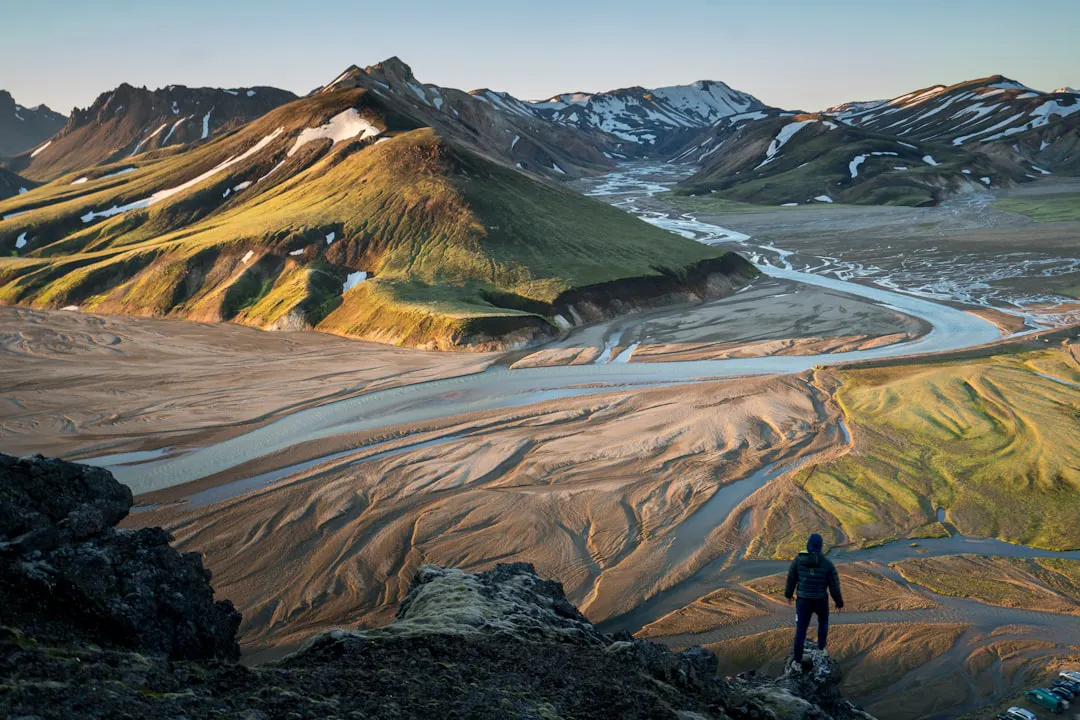
Waterproof, ankle-supporting hiking boots are non-negotiable if you're planning any outdoor activities. Trails in Iceland are often wet, uneven, and rocky — low-profile trail runners won't cut it on lava fields or near waterfalls where the ground is permanently damp. If you're only exploring Reykjavík and doing day tours by bus, sturdy waterproof walking shoes will do the job.
Pack two pairs of socks per day if you're hiking. Wet feet in cold conditions are miserable and can escalate quickly. Wool socks (again, merino) are the standard recommendation among guides and seasoned Iceland visitors alike.
Rain Gear
Your outer shell jacket needs a hood, a proper waterproof rating (look for a hydrostatic head rating of at least 10,000mm), and taped seams. A 'water-resistant' jacket is not the same as a waterproof one — the difference becomes obvious the moment you're standing at Skógafoss in a headwind.
Waterproof trousers often get dropped from packing lists to save space. Don't drop them. They're light, they pack small, and you'll want them on any hike near waterfalls or in exposed highland terrain.
Cold Weather Extras (Year-Round, Not Just Winter)
Even in July, temperatures in Iceland can drop to single figures Celsius, especially at elevation or on the coast. Pack a hat that covers your ears, gloves, and a neck gaiter or scarf. These take up almost no space and make a significant difference when the wind picks up.
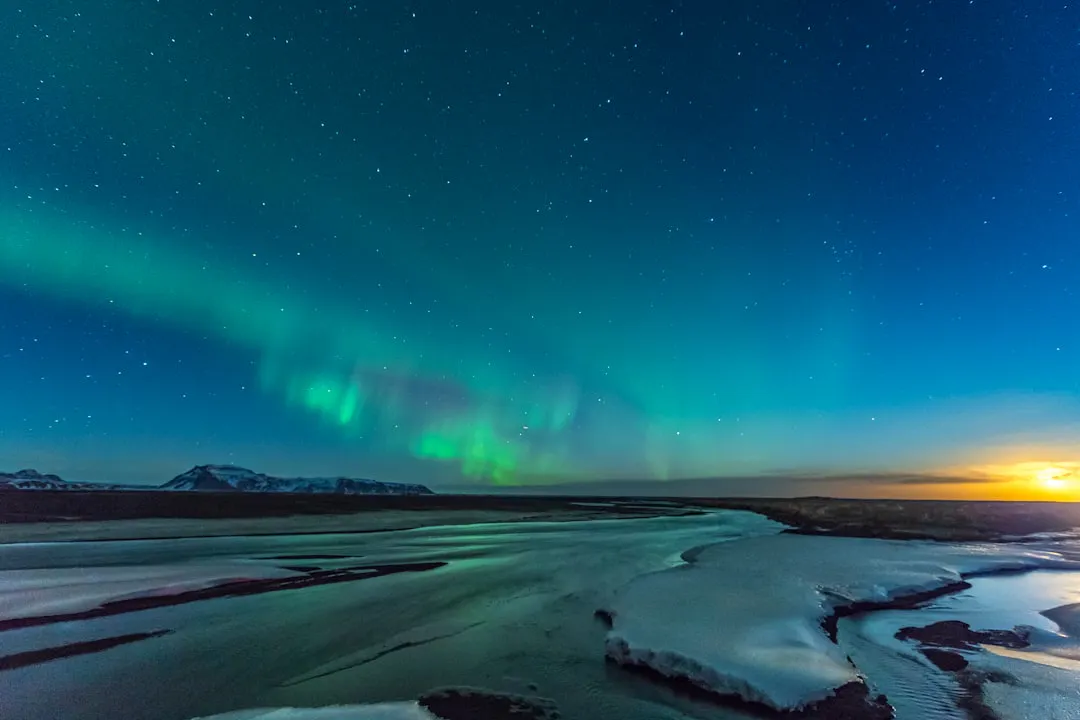
In winter (roughly November through March), add thermal base layers, thicker mid-layer insulation, and waterproof gloves rather than standard ones. If you're planning to watch the Northern Lights, you'll be standing outside in the dark for extended periods — warmth matters more than aesthetics.
Daypack and Gear
A 20-25 litre daypack is the right size for day trips. You need enough room for a water bottle, snacks, an extra layer, and a camera or phone charger. Larger packs get unwieldy on tours and don't fit under bus seats easily.
Bring a reusable water bottle. Icelandic tap water is some of the cleanest drinking water in the world, and refilling as you go saves money and reduces plastic. A 1-litre bottle is enough for most day hikes, though longer or more remote routes warrant carrying more.
A good pair of sunglasses is worth including in any season. In summer, Iceland gets up to 24 hours of daylight, and reflected light off snow or water in winter can be surprisingly intense.
Electronics and Practical Items
Iceland uses Type F power sockets (the round two-pin standard used across much of Europe) at 230V. If you're travelling from the US, UK, or elsewhere, check your adaptor before you leave — buying one at Keflavík airport costs more.
A portable battery pack is useful, especially if you're shooting photos constantly or using your phone for navigation. Cold temperatures drain batteries faster than normal, so keep your phone in an inner pocket when you're not using it.
Sunscreen and lip balm are easy to forget and worth having. Even on overcast days, UV exposure at high altitude or on snow-covered ground adds up faster than expected.
What Not to Pack
Leave the umbrella at home. Wind in Iceland makes them useless and occasionally dangerous near cliffs or in open terrain. Your hood is your umbrella. Smart, packable clothing beats bulky items every time — there are laundry facilities at most hostels and guesthouses if you need to wash mid-trip.
Booking Tours: What to Wear
Most Icelandic tour operators are specific about kit requirements for activities like glacier hiking, ice caving, or snowmobiling. For glacier hikes, you'll be provided with crampons and a helmet, but you'll need your own base and mid layers underneath whatever gear the guide company supplies. Check the kit list when you book — reputable operators send one automatically.
If you're travelling light and don't want to invest in full outdoor gear for a short trip, several outfitters in Reykjavík rent waterproof jackets and trousers by the day. It's not the cheapest option, but it works if Iceland is a one-off trip rather than a regular destination.
The honest summary: get the boots right, get the waterproofing right, and everything else is manageable. Most people over-pack clothes and under-pack weather protection — don't make the same call.

