Snæfellsnes Peninsula: Iceland's Greatest Day Trip
Published
Glaciers, lava fields, fishing villages, and sea cliffs — Snæfellsnes packs everything Iceland does well into a two-hour drive from Reykjavík.

People call Snæfellsnes 'Iceland in miniature' because in roughly 90 kilometres of peninsula, you get a glacier-capped volcano, black sand beaches, basalt sea stacks, lava fields, and a string of fishing villages that haven't changed much in decades. If you only have one day to leave Reykjavík, this is the trip to take.
The drive from Reykjavík to the tip of the peninsula — Snæfellsjökull glacier — takes around two hours via the Hvalfjörður tunnel. You can loop the whole peninsula in a day if you're efficient, but you'll enjoy it more if you allow a full day and don't rush the stops.
Snæfellsjökull: The Glacier Jules Verne Used as a Doorway
Snæfellsjökull glacier sits on top of a dormant volcano at the western tip of the peninsula. Jules Verne used it as the entry point to the Earth's core in his 1864 novel, and standing at the base of it, you can see why it captured his imagination. The glacier and surrounding area are protected as Snæfellsjökull National Park — the only national park in Iceland that includes a coastline.
You can drive partway up the mountain on a gravel road (summer only, 4WD recommended), but the summit itself requires a guided glacier hike. Several operators run tours from the base that take you up onto the ice with crampons and poles — no prior experience needed. If you want to summit, allow a full half-day.
Related experiences


Djúpalónssandur: The Black Sand Beach Worth Stopping For
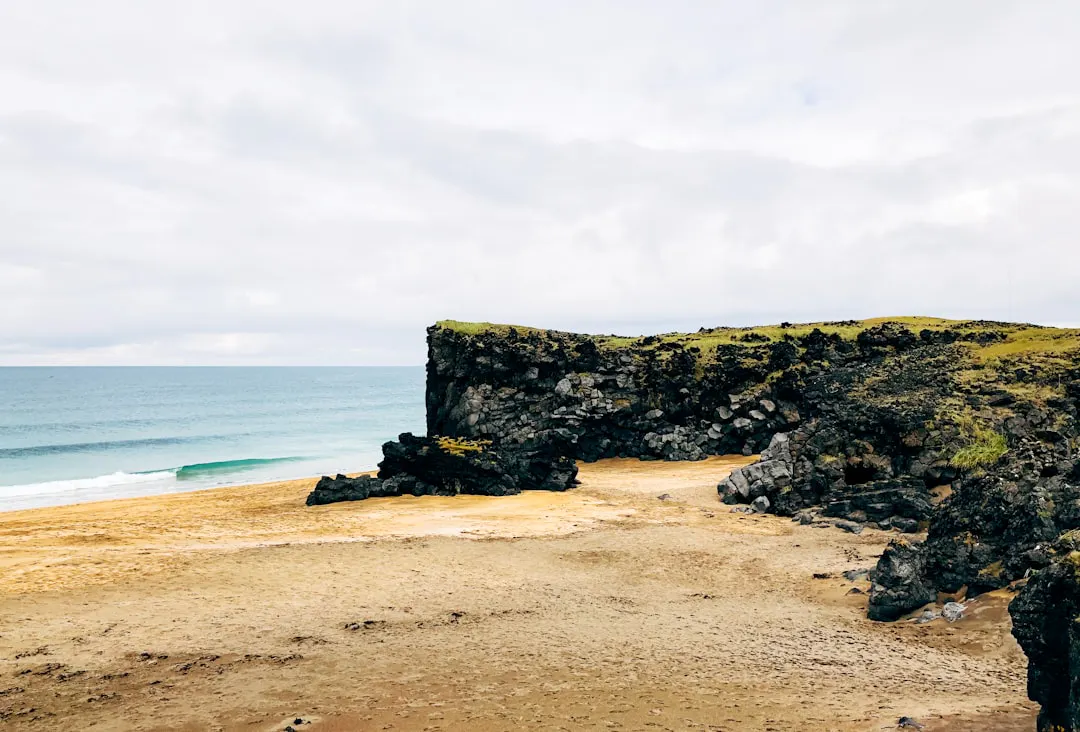
On the south-western edge of the peninsula, Djúpalónssandur is a black sand beach strewn with rusted metal wreckage from a British trawler that sank here in 1948. The remnants were left where they fell and are now protected — you can walk among them. The beach itself is flanked by dramatic basalt rock formations, and the walk down from the car park takes about 10 minutes.
Near the beach entrance, look for four lifting stones ranging from 23 kg to 154 kg. Historically, fishermen used these to test whether they were strong enough to work the boats. The heaviest is called Fullsterkur (full strength) and the lightest Amlóði (useless). Most visitors try at least the smallest one.
Arnarstapi and Hellnar: Walk the Clifftop Path Between Them
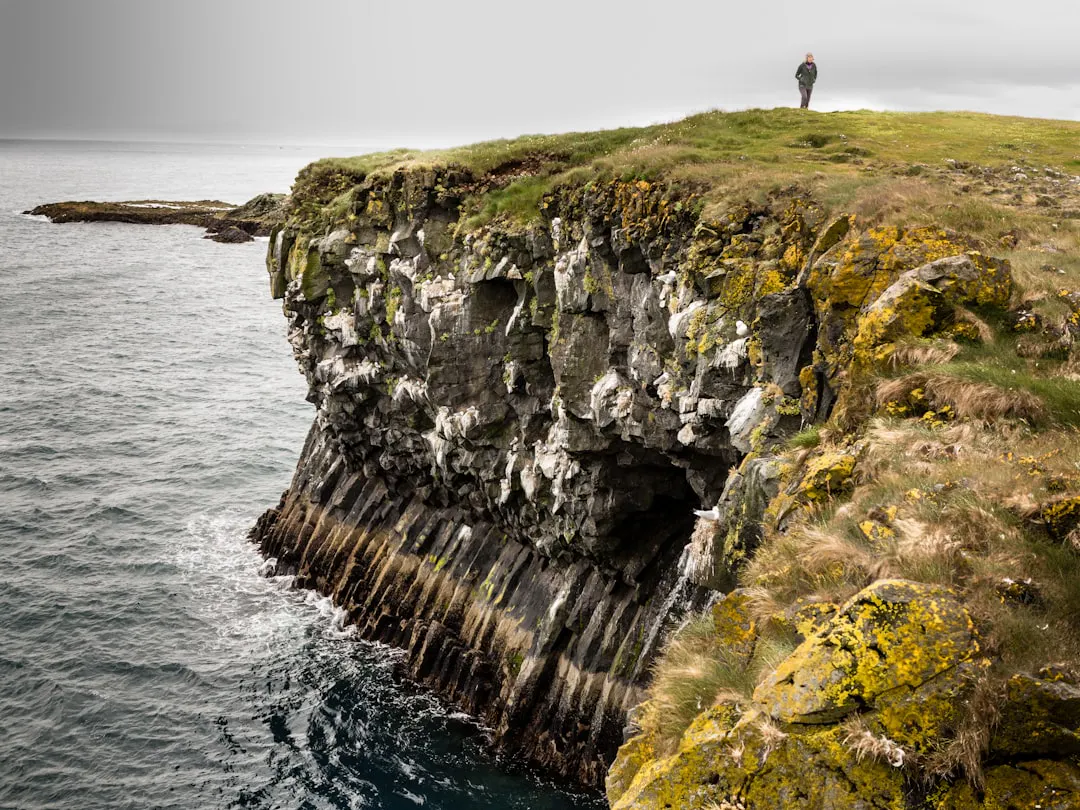
The small fishing hamlets of Arnarstapi and Hellnar sit on the south coast of the peninsula about 2.5 kilometres apart, connected by a well-marked coastal walking path. The walk takes around 45 minutes one way and passes sea arches, nesting seabirds, and lava formations right at the waterline. Both villages have small cafés if you need to warm up.
Arnarstapi also has a large stone sculpture of Bárður Snæfellsás, a half-man, half-troll figure from Icelandic folklore said to be the guardian of the glacier. It's impossible to miss — and worth a photo.
Kirkjufell: The Mountain Everyone Photographed After Game of Thrones
On the north coast near the town of Grundarfjörður sits Kirkjufell, a sharply pointed 463-metre mountain that became internationally recognisable after appearing in Game of Thrones. The roadside viewpoint opposite Kirkjufellsfoss waterfall is where most photographers set up — the waterfall sits in the foreground with the mountain behind it. Parking is right off Route 54 and the viewpoint requires no hiking.
If you want the classic shot with the waterfall, come in winter when there's snow on the peak, or in summer during the midnight sun when you have soft light at almost any hour. It gets crowded, especially with tour buses arriving mid-morning — aim for early or late in the day.
Stykkishólmur: The Best Town on the Peninsula
Stykkishólmur on the north coast is the largest town on Snæfellsnes and the most practical base if you're staying overnight rather than day-tripping. The harbour is photogenic and the Norska Húsið (Norwegian House), built in 1832, now operates as a regional museum. From the harbour, you can also take a boat tour through Breiðafjörður bay, which is dotted with hundreds of small islands and is one of Iceland's most important areas for seabirds and seals.
The Volcano Museum in Stykkishólmur covers Iceland's volcanic history with a solid collection of rock samples and exhibits — worth an hour if the weather turns on you.
When to Visit Snæfellsnes
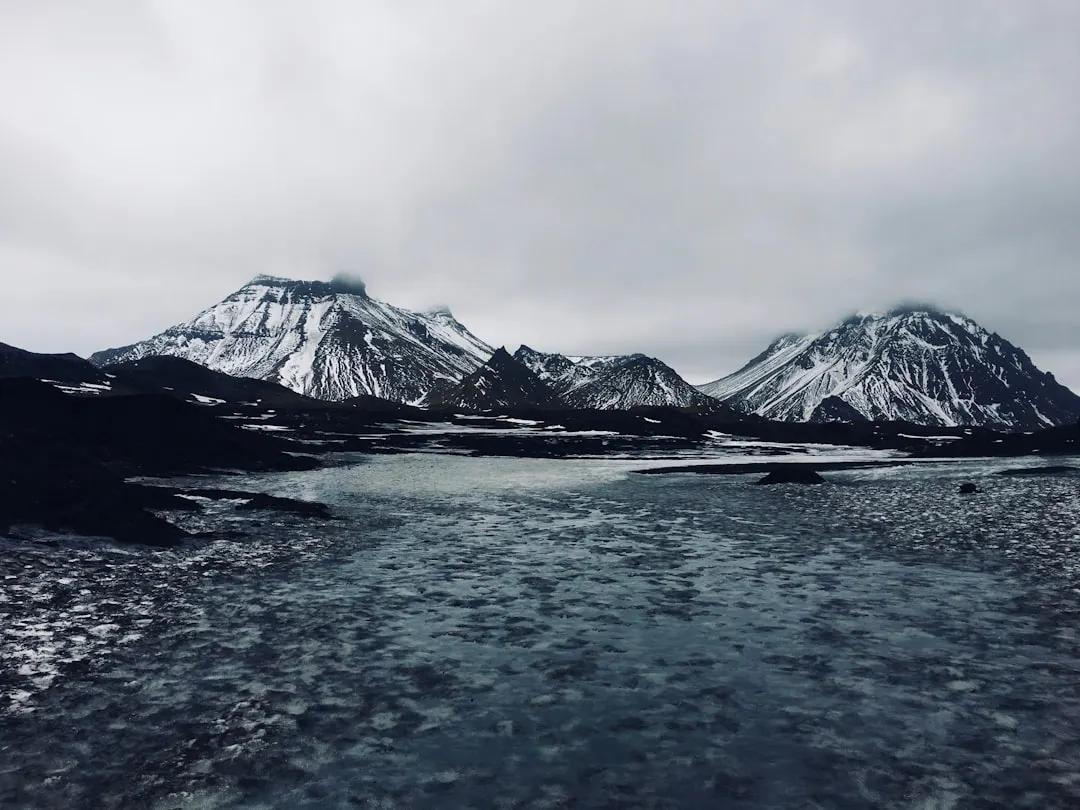
The peninsula is accessible year-round, but the experience changes significantly by season. Summer (June to August) gives you paved roads in better condition, access to higher mountain tracks, and the midnight sun. Winter visits are shorter on daylight but offer a better shot at the northern lights and snow-covered landscapes that make the glacier and Kirkjufell look their best.
One thing worth knowing: Snæfellsnes has its own microclimate. Even when Reykjavík is clear, the peninsula — especially around the glacier — can be clouded in. Check the forecast for Ólafsvík or Hellnar specifically before you go, not just for Reykjavík.
How to Get There and What to Book
Renting a car is the most practical way to do Snæfellsnes, as public transport to most of the sights is limited. If you'd rather not drive, full-day guided tours run from Reykjavík and cover most of the peninsula's main stops. These typically depart early morning and return by evening.
For anyone wanting to get onto the glacier itself, a guided glacier walk from the base of Snæfellsjökull is the way to do it — and it's the one thing on this peninsula that genuinely requires booking in advance during peak season. Everything else you can approach spontaneously, but the glacier fills up.
One practical tip: fuel up in Borgarnes before you head out onto the peninsula. Petrol stations exist in Stykkishólmur and a few other towns, but they're spread out, and the last thing you want is to be watching the gauge on the road back from the glacier.

