Réttir 2026: How to Watch Iceland's Sheep Roundup
Published
Local guide Orri breaks down Iceland's autumn sheep roundup — where to go, what happens in the sorting pen, and how not to be that tourist.

September in Iceland smells like wet wool and cold mud and something faintly electric in the air. It is not a romantic smell. It is the smell of réttir, and if you have never stood inside a sorting pen while a farmer in a rain jacket argues with his cousin about whose sheep is whose, you have missed one of the stranger and more genuinely Icelandic things this country does.
Réttir — the sheep roundup — happens every autumn across Iceland, and it has happened in roughly the same way for over a thousand years. Farmers send their sheep to graze freely in the highlands each summer. In September, they go and get them back. All of them. From the mountains. On foot, on horseback, sometimes on quad bikes now, which the older farmers pretend not to like but definitely use. The sheep come down, they go into a large circular pen called a rétt, and then the sorting begins — each farmer identifying and separating their own animals from the communal mass. It is organised chaos, it is loud, it smells, and it is completely worth seeing.
When réttir actually happens — and why it is not one single date
This is the first thing people get wrong. Réttir is not a festival with a fixed weekend. Different farming communities hold their roundups at different times throughout September and into early October, depending on location, weather, and local tradition. The south and west tend to go earlier in September. More remote areas in the north and east often go later.
There is no central calendar published by the tourism board, because réttir was never designed to be a tourist event. It is a working agricultural event. Some communities publish their dates on local Facebook groups or through their municipality. If you are serious about attending a specific one, your best bet is to ask directly — contact local guesthouses and farmstays in the area you plan to visit, or check with regional visitor centres once you are in the country. They will know.
Pro Tip: The réttir in Skagafjörður in north Iceland is one of the larger and more well-known ones, and the area has a strong horse culture that makes the whole roundup particularly worth seeing. If you are already planning to visit the north, time it for mid to late September.
Related experiences


What actually happens in the sorting pen
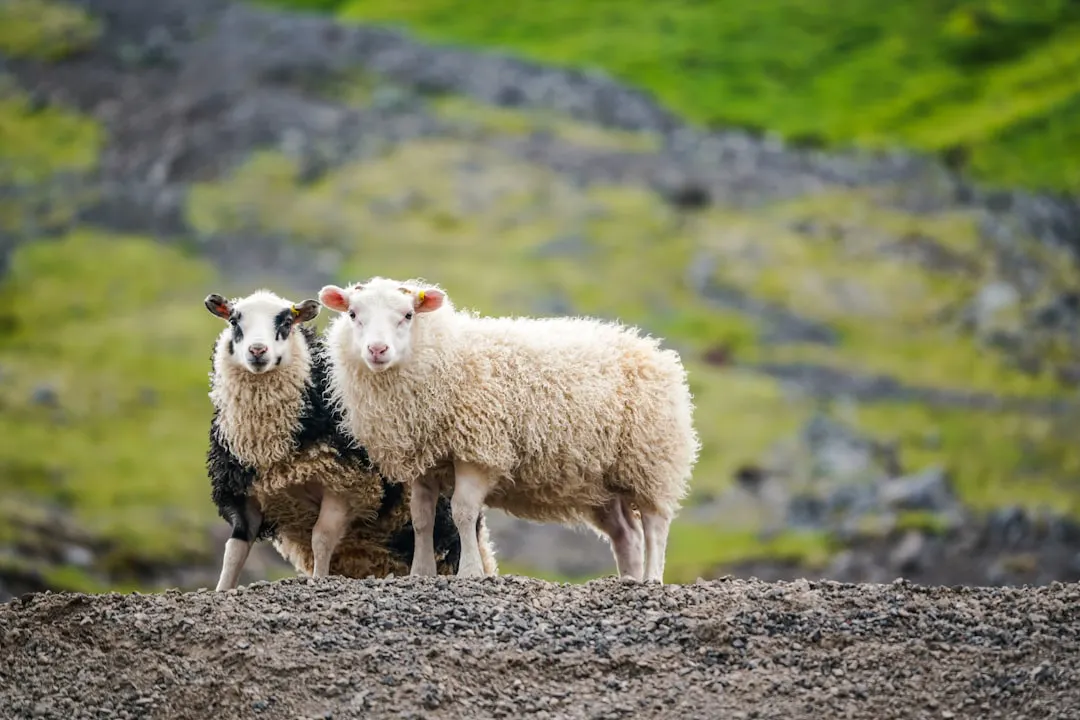
Picture a large circular pen, maybe ten to fifteen metres across, divided into pie-slice sections around the outside. Each section belongs to a different farm or farmer. In the middle is the big communal mass — hundreds of sheep, all moving, all making noise, all convinced the situation is a personal attack on them specifically.
Farmers and their families wade in and start pulling out their animals. They identify them by ear tags, by ear notches cut in traditional patterns, and honestly by just knowing their own sheep the way you know your own dog. There is a lot of grabbing sheep by the wool, a lot of sheep not cooperating, a lot of children being handed a lamb and immediately regretting it.
It is physical, skilled work. People get kicked. The sheep absolutely do not want to be sorted. And underneath all of it there is this social layer — neighbours catching up after summer, arguments about boundary animals, someone's grandmother standing at the edge with coffee in a thermos, watching the whole thing like she has seen it four hundred times. Because she probably has.
If you are a visitor, the best thing you can do is stand near the edge of the pen, not in the middle of it. You are watching a working event. The farmers are not performing for you. Stay out of the way, do not grab any sheep, and if someone hands you something to hold, hold it.
Where to go if you want to actually attend one
A few areas are worth knowing about specifically, not because they are the most photogenic, but because they are accessible and have a culture of welcoming visitors without turning the event into a show.
Þórsmörk is one. The valley is already a destination in itself, and the farms in that area hold réttir in September. If you are going to Þórsmörk, which requires a high-clearance 4WD and river crossings on the F249 and surrounding tracks, you may well stumble into roundup activity without even planning for it. The timing depends on the year.
The Borgarfjörður area in west Iceland, and the Skagafjörður valley in the north, are both accessible and have strong farming traditions. In Skagafjörður particularly, Icelandic horses are still used heavily in the mountain roundup, which changes the atmosphere entirely — there is something different about watching riders bring sheep down off a ridge compared to the quad bike version.
South Iceland farms along the base of the highlands, particularly those with access to the interior via tracks like Landmannaleið or routes off the Þjórsárdalur area, also hold réttir in September. If you are staying at a farmstay in the south and you ask, you will likely get an answer.
Pro Tip: Book a farmstay rather than a hotel if you want real access. Farm families are often willing to let guests come along or at least watch the sorting day. You cannot get that from a hotel in Selfoss.
The driving reality — getting to réttir is not always straightforward
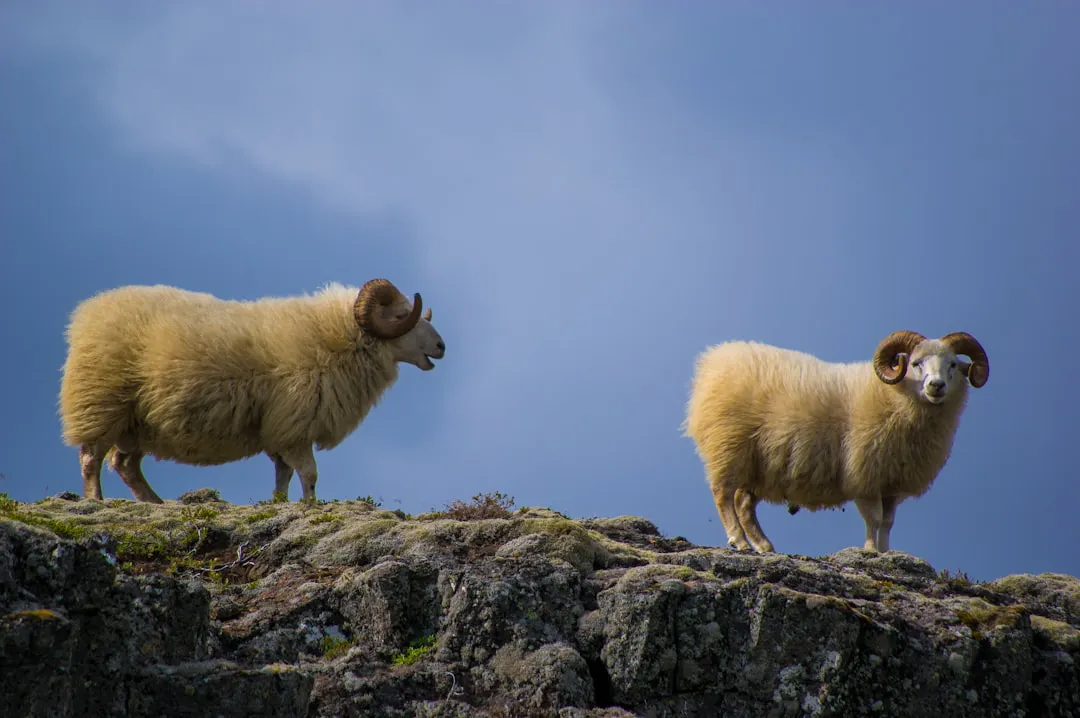
Some réttir locations are on paved roads. Many are not. If you plan to follow the action into the highlands — watching the riders and walkers bring sheep down — you will almost certainly need a 4WD vehicle, and possibly one rated for river crossings. Iceland's F-roads, the highland tracks designated with an F, are legally restricted to 4WD vehicles and are closed for most of the year. They open in summer and typically close again in October, though weather can change that.
Do not take a 2WD rental car onto an F-road. This is not a guidebook disclaimer — it is practical advice because you will get stuck, you will damage the car, and your rental insurance will not cover it. I have seen this happen more than once. The car does not care that you drove carefully.
If you do not have the right vehicle or the confidence for highland driving, that is fine. The sorting pen itself — the rétt — is usually at lower elevation, accessible by normal roads. You can see the whole sorting process without going anywhere near an F-road. The mountain section of the roundup is impressive, but the pen is where most of the action actually is.
How to join respectfully — this is someone's workplace
I want to say this plainly: réttir is not a tourist attraction. It happens to be something tourists can witness, and Icelanders are generally fine with that, but the framing matters. You are a guest at someone's work event, not an audience member at a performance.
Dress for actual weather. September in the highlands or in a valley pen means cold, wind, and rain in some combination. Wear waterproof boots. Wool layers. Do not show up in trainers and a light jacket and then complain. The farmers will not say anything but they will notice.
Ask before photographing people up close. Landscapes and sheep, fine — nobody cares. But a farmer in the middle of separating his flock does not necessarily want a camera in his face. Use some judgment. If you are unsure, ask. Most people will say yes, but the asking matters.
If there is food or coffee being served — and there often is, because réttir is also a social occasion — do not help yourself unless you are invited. Bring something to contribute if you can. A box of kleinur from a bakery in the nearest town will go down well. This is not a rule, it is just how you behave when someone lets you into their day.
Do not try to help unless asked. I know it seems obvious, but every year there are visitors who decide they will grab a sheep and assist. You will make things worse. The sheep do not know you and neither do the dogs. Watch, enjoy, stay out of the way.
If you want to see the highlands during roundup season without driving yourself
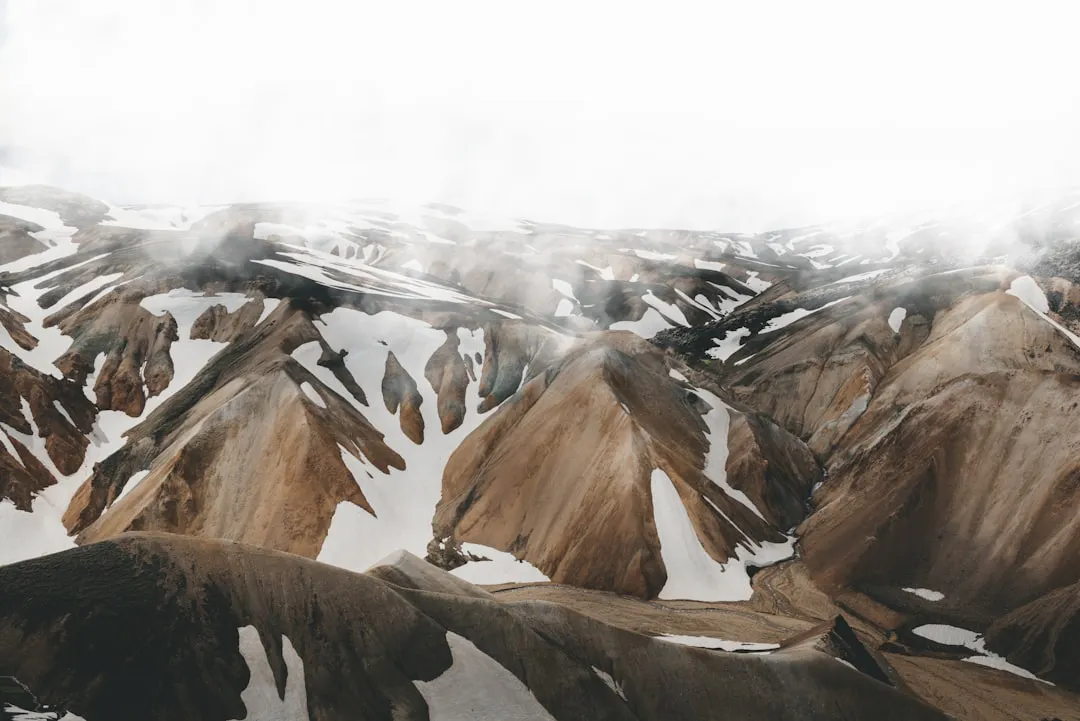
Réttir coincides with some of the best conditions for seeing the Icelandic interior before the F-roads close for winter. We run highland day tours from Reykjavík in September that go into areas like Landmannalaugar, where you can see the landscape the sheep are being rounded up from — the obsidian and rhyolite hills, the rivers, the whole terrain that makes Iceland's interior so different from the coast. It is a good way to understand the geography if you plan to attend a réttir and want context for where these animals actually spend their summer.
If you are already in south Iceland and want to get out toward Þórsmörk, QR Travel runs day excursions into the valley that handle the river crossings and highland tracks. September trips sometimes overlap with roundup activity in the area, which is not guaranteed but is absolutely possible. Worth asking when you book.
Pro Tip: September is genuinely one of the better months to visit Iceland if you are not chasing midnight sun. Crowds drop sharply after August. Prices fall. The light is lower and warmer. The highlands are still open. And if you time it right, you get réttir.
Come in September, dress for the mud
If you want to see something that is not arranged for your benefit, that has not been softened or packaged or put on a sign, réttir is it. It is farmers doing their job the same way their great-grandparents did it, with some quad bikes thrown in now and a few visitors standing at the fence taking photos. The sheep are not cute about it. The weather will not cooperate. Your boots will get ruined.
Come anyway. I will probably be there somewhere, arguing with someone about a sheep that is definitely mine.

