Jökulsárlón Boat Tours 2026: Zodiac or Amphibian?
Stefanía breaks down which Jökulsárlón boat tour suits you best — and why timing your visit matters more than you think.

The first time I brought my daughter Katrín to Jökulsárlón, she was four years old and absolutely convinced the icebergs were sleeping polar bears. She wasn't entirely wrong about the scale of them. I've been back probably a dozen times since — with family, with friends visiting from abroad, and a few times just by myself on a long drive down the ring road — and the lagoon never quite looks the same twice. The light changes it. The season changes it. The ice changes it, because it's always moving.
But here's what I want to talk about today, because I get asked this constantly: which boat tour should you actually do? The amphibian or the zodiac? And before the summer season closes out, does it even matter which one you pick, or should you just book whatever's still available?
Let me give you an honest answer, because I've done both, and they are genuinely different experiences — not just in the boat, but in what you see, where you go, and how it feels.
The amphibian: slower, closer to the family side of things
The amphibian boat — the big, yellow, bus-shaped vessel that drives right off the shore and into the water — is the one most people picture when they think of Jökulsárlón. It holds a good number of passengers, it's stable, and the guides are excellent at pointing out the geological detail of what you're looking at. If you have young children with you, or anyone in your group who is nervous around water, this is the one.
When we took Katrín, we did the amphibian. She sat on my lap, wrapped in a borrowed fleece from the tour desk, and watched a seal pop its head up about three metres from the boat. That moment — her sudden intake of breath, the way she grabbed my arm — I wouldn't trade it for anything. The seals are genuinely curious around the boats and you will almost certainly see them.
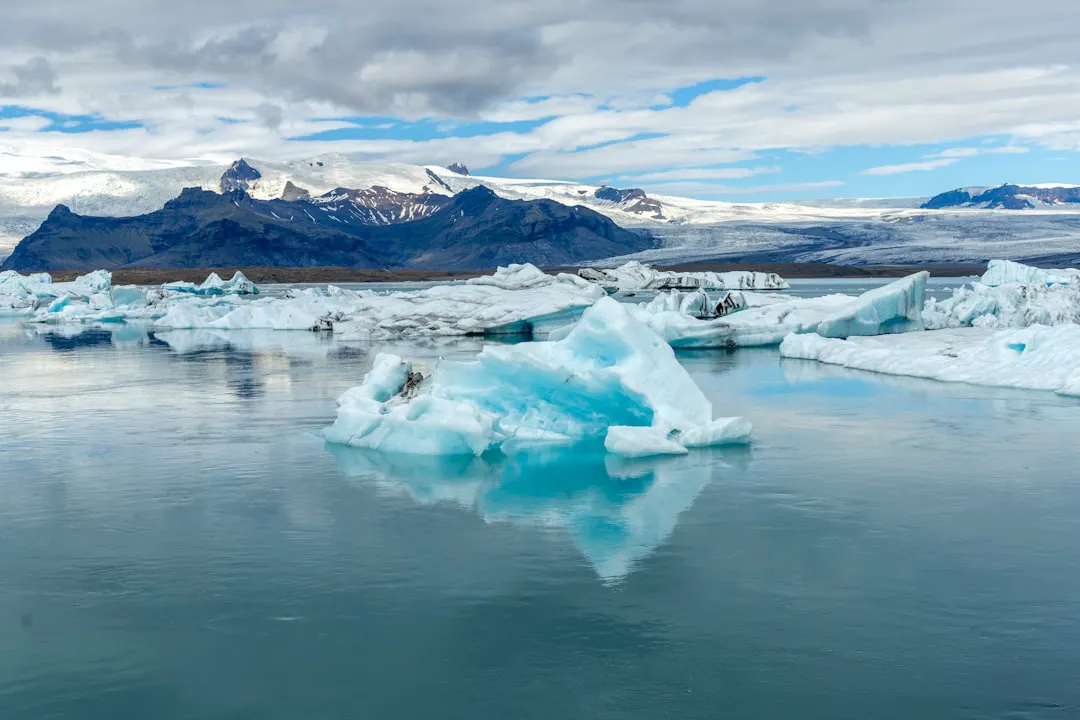
The tour runs in a loop around the accessible part of the lagoon, not out to sea. You get close to the icebergs, you can see the blue ice up close (the compressed, older ice really does turn that extraordinary blue colour — this is real, not a filter), and the guide will explain how Vatnajökull, Europe's largest glacier by volume, feeds the lagoon. The tour itself takes roughly forty minutes.
Pro Tip: Sit on the right side of the boat as you face forward if you want the best angle toward the glacier face. The guides won't always tell you this before boarding.
Related experiences


The zodiac: not for everyone, and that's fine
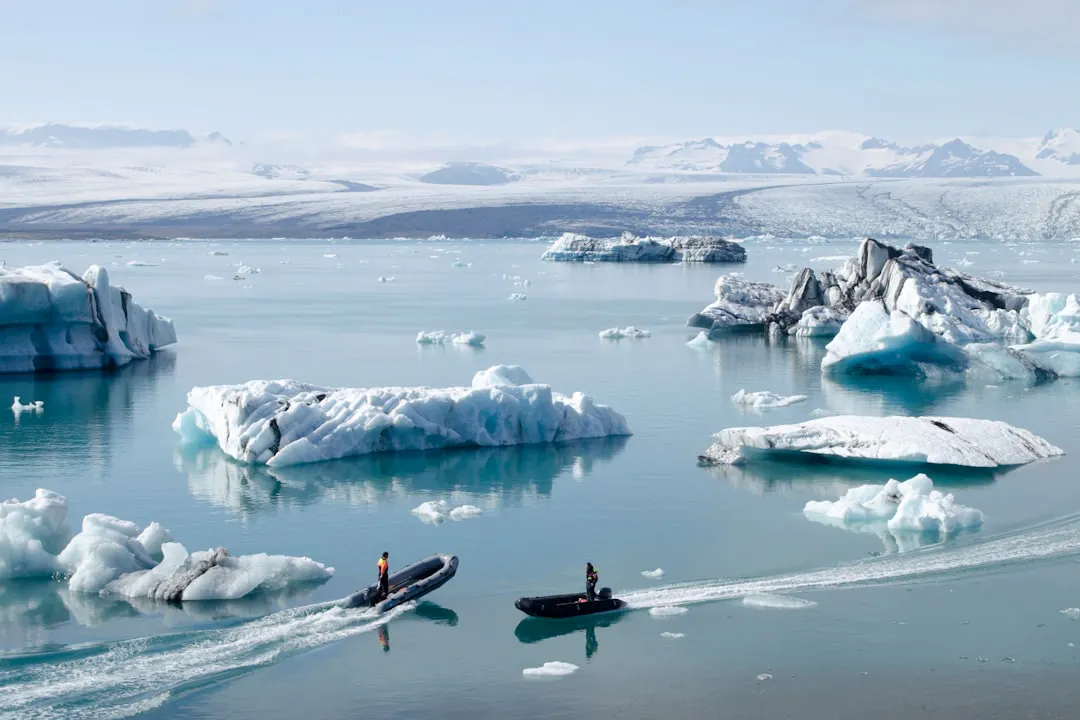
The zodiac is smaller, faster, and gets you into parts of the lagoon the amphibian doesn't reach. You're low to the water — really low — and the inflatable sides of the boat mean you feel every ripple. In summer, when the lagoon is calmer and the light lasts until late evening, this is a genuinely wonderful way to spend an hour. You can reach areas closer to the glacier outlet and the guide can manoeuvre around the larger bergs in ways the amphibian simply cannot.
I'll be honest: I found the zodiac more exciting as an adult experience. It's also considerably wetter. Even in July, the spray from the lagoon is cold in a way that goes straight through your enthusiasm, and the lifejacket you wear over your own jacket adds bulk that makes moving around awkward. If you run warm or you actively enjoy that kind of thing, brilliant. If you're someone who spends the whole trip worrying about your camera getting wet, reconsider.
The zodiac tours are also weather-dependent in a more immediate way. The lagoon sits in a part of Iceland — southeast of Vatnajökull, near the small settlement of Höfn to the east — where the weather can shift inside an hour. I've stood at Jökulsárlón in T-shirt temperatures and watched a wall of cloud come off the glacier and drop the temperature by eight degrees in twenty minutes. On zodiac tours, the operators will cancel or postpone if conditions aren't right, and they're correct to do so.
Why the season question matters more than the boat question
Here's what I think people don't fully reckon with when they're planning: both boat tours operate seasonally, and the zodiac season ends earlier than many visitors expect. By the time September arrives and the days shorten, the zodiac tours are either already finished or running very limited schedules. The amphibian runs a longer season.
If you're travelling in June, July, or August, you have a proper choice. Book the zodiac if you want the more active, up-close experience and you're happy to dress for it. Book the amphibian if you have children, older relatives, or anyone who would rather not feel like they're about to be tipped sideways.
If you're travelling in September or October — and honestly, autumn is a beautiful time to be in the southeast, the tourist pressure drops and the light turns golden — your realistic option is the amphibian, and it is more than enough. Don't feel like you've missed something.
Pro Tip: If you're doing a long day trip from Reykjavík down the south coast and you want to reach Jökulsárlón with enough time for a boat tour, you need to leave Reykjavík early. The lagoon is roughly 378 kilometres from the city along Route 1. Factor in a stop at Skaftafell and you're looking at a full day — this is not a sprint. QR Travel runs a guided south coast tour that covers Skaftafell and Jökulsárlón in a single well-paced day, which genuinely takes the logistics pressure off.
What nobody mentions in the brochure
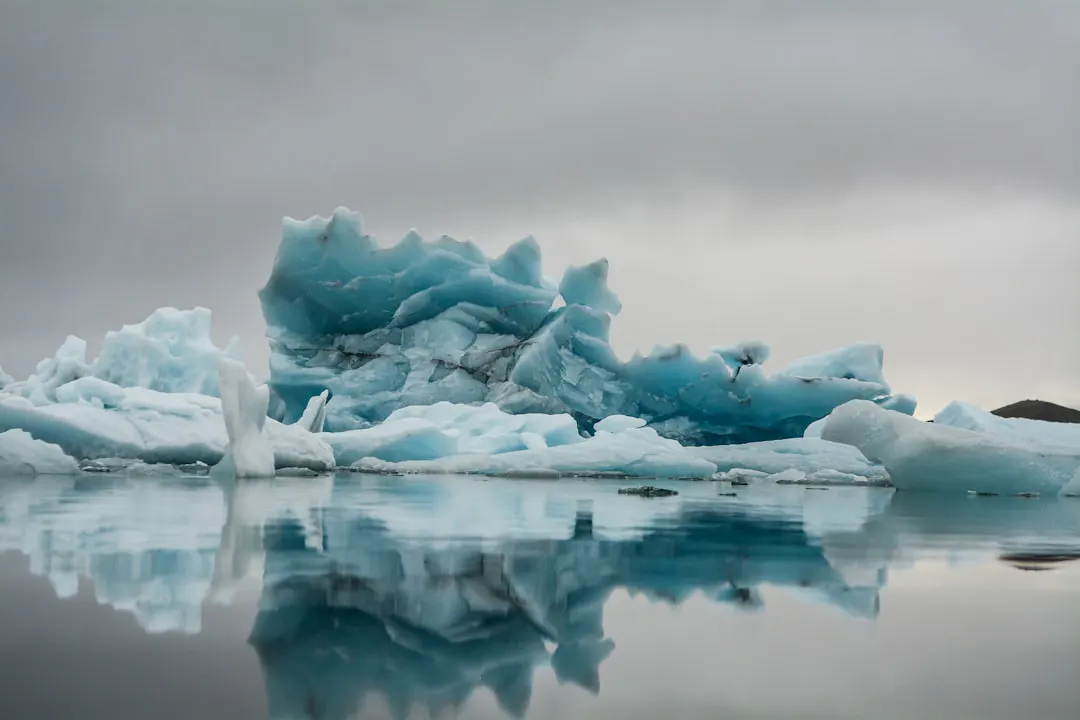
The black sand beach at Diamond Beach, which is directly across the road from the lagoon, is where the icebergs wash up after they drift out through the lagoon mouth and into the Atlantic. You can walk on it, stand next to pieces of ice that have been in Vatnajökull for centuries, and watch the waves drag them around. This costs nothing. It takes twenty minutes. It is, in my view, as powerful as the boat tour itself — and you should do both.
The café at the lagoon does lamb soup. On a cold day, after a boat tour, this is exactly what you want. I'm not going to pretend it's a gastronomic revelation, but it's warm and it's there and it does the job.
The car park gets very full in peak summer, especially midday. If you're self-driving, arrive before ten in the morning or after four in the afternoon. The tour buses tend to cluster around midday and the area around the lagoon edge becomes genuinely crowded. The lagoon itself doesn't care — it's enormous — but the pathways do.
If you're combining this with a glacier walk
Jökulsárlón is roughly forty kilometres west of Höfn along Route 1, and Skaftafell — part of Vatnajökull National Park — is about an hour's drive west from the lagoon. If you want to actually walk on the glacier rather than just look at its output floating in the water, Skaftafell is your base. We run a glacier hike from Skaftafell through QR Travel that covers the ice on foot with crampons and a guide, and it pairs well with a Jökulsárlón boat tour on the same day if you sequence it correctly — glacier walk in the morning, drive to the lagoon in the afternoon.
Don't try to add Reynisfjara black sand beach to this same day unless you enjoy arriving home at midnight. I've done it. I do not recommend it.
Before you book, a few practical things
Both tours must be booked in advance in peak season. Walk-up availability exists but I wouldn't rely on it in July and August, particularly on weekends. The tour operators at Jökulsárlón have their own booking systems, and QR Travel can help you coordinate the boat tour alongside your wider south coast itinerary so you're not juggling multiple tabs and confirmation emails the night before.
Dress warmer than you think you need to. Even if Reykjavík is having a warm week, the lagoon sits at the foot of a glacier. I've been there in summer wearing four layers. Nobody has ever arrived at Jökulsárlón and wished they'd brought fewer clothes.
If you're choosing for 2026 and you want the zodiac, aim for June through August and book well ahead. If you're flexible on timing and the boat type, September gives you fewer crowds, similar scenery, and an atmosphere that feels more like the Iceland I grew up with — quieter, a bit more yours.
Come find me in the café queue by the lamb soup. I'll be the one with three layers too many and a daughter who still, at eleven years old, checks every iceberg for sleeping polar bears.

