Iceland Ring Road: Perfect 7 & 10 Day Itineraries
Published
Plan the ultimate Iceland Ring Road trip with our tried-and-tested 7 and 10 day itineraries. Every stop, every highlight, no fluff.

The Ring Road — or Route 1, as it's officially known — loops around the entire island of Iceland for roughly 1,332 kilometres. It connects volcanoes, waterfalls, fishing villages, and glacier lagoons in a way that makes every driving day feel like its own adventure. Whether you've got a week or ten days, this route is the backbone of any great Iceland road trip.
One thing to know before you start planning: Iceland rewards those who don't rush. The distances between stops look manageable on a map, but gravel detours, unexpected weather, and the very real temptation to pull over every twenty minutes will slow you down — in the best possible way. Budget your driving time generously.
What to Know Before You Go
You'll need a 4WD vehicle if you plan to venture onto any F-roads (Iceland's highland tracks), but for the Ring Road itself, a standard 2WD car will do the job outside of winter. In winter, a 4WD with winter tyres is strongly recommended. Always check road conditions at road.is before setting off each morning — this is non-negotiable in Iceland.
The Ring Road is open year-round, but the experience changes dramatically by season. Summer (June to August) gives you long daylight hours — up to 24 hours of light around the solstice — while winter (November to February) brings shorter days, potential road closures, and your best chance of seeing the northern lights. Both are brilliant for different reasons.
Related experiences


The 7-Day Iceland Ring Road Itinerary
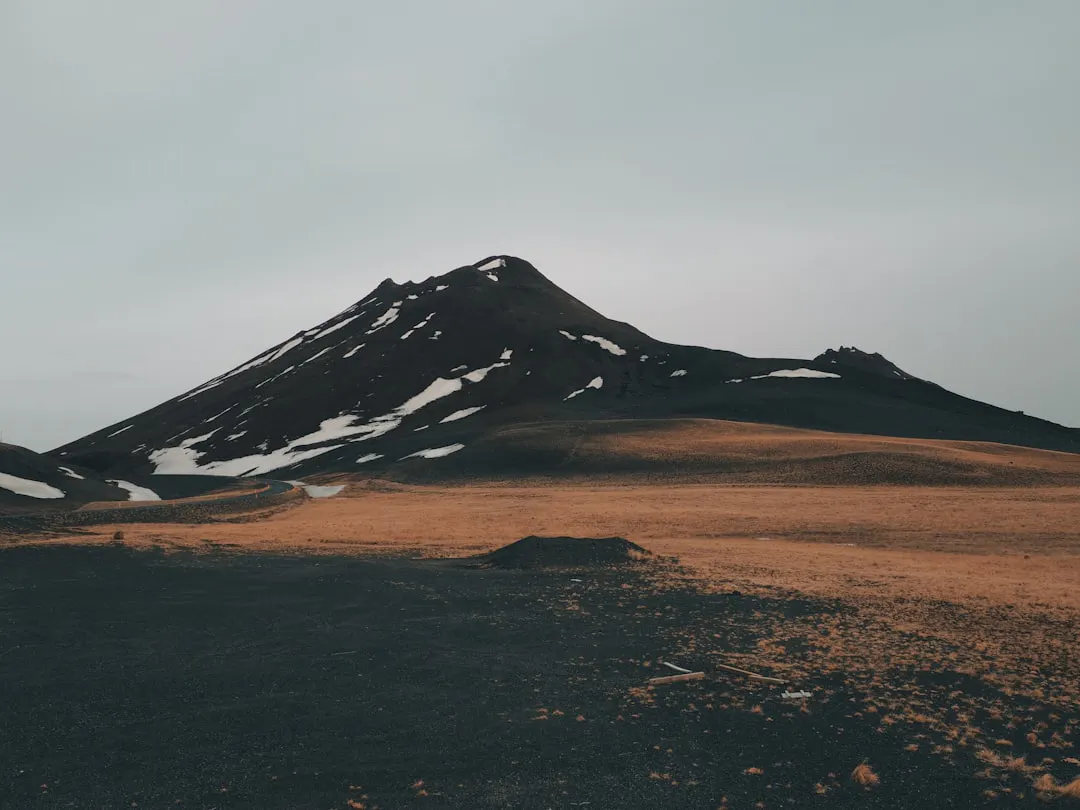
Seven days is enough to cover the Ring Road's greatest hits, particularly the South Coast, Snæfellsnes Peninsula, and the Eastfjords, as long as you're comfortable with full driving days. Here's how I'd structure it.
Day 1 & 2: Reykjavík and the Golden Circle
Start in Reykjavík and spend your first day getting oriented — walk Laugavegur, eat a hot dog from Bæjarins Beztu Pylsur (yes, it's worth the queue), and rest up. On Day 2, head out on the Golden Circle: Þingvellir National Park (pronounced roughly 'Thing-vet-lir'), the geothermal area at Geysir where Strokkur erupts every five to ten minutes, and the powerful Gullfoss waterfall. You can do the full loop and be back in Reykjavík by evening, or book a guided Golden Circle tour if you'd rather not drive.
Day 3: The South Coast
This is one of Iceland's most dramatic driving days. Head east from Reykjavík along Route 1 and stop at Seljalandsfoss — you can walk behind the waterfall itself — then Skógafoss a short distance further on. Continue to the black sand beach at Reynisfjara near Vík, where the basalt columns and sea stacks are genuinely striking. Keep a safe distance from the waves here; they're unpredictable and dangerous. Overnight in or near Vík.
Day 4: Vatnajökull and Jökulsárlón
Drive east towards Vatnajökull, Europe's largest glacier by volume. The glacier lagoon at Jökulsárlón is one of those places that stops you in your tracks — icebergs calved from Breiðamerkurjökull glacier float silently towards the sea. Just across the road, Diamond Beach is where ice washes up on black sand. If you want to get onto the glacier itself, glacier hiking tours depart from various outlets near the lagoon. Overnight somewhere in the Höfn area.
Day 5: The Eastfjords
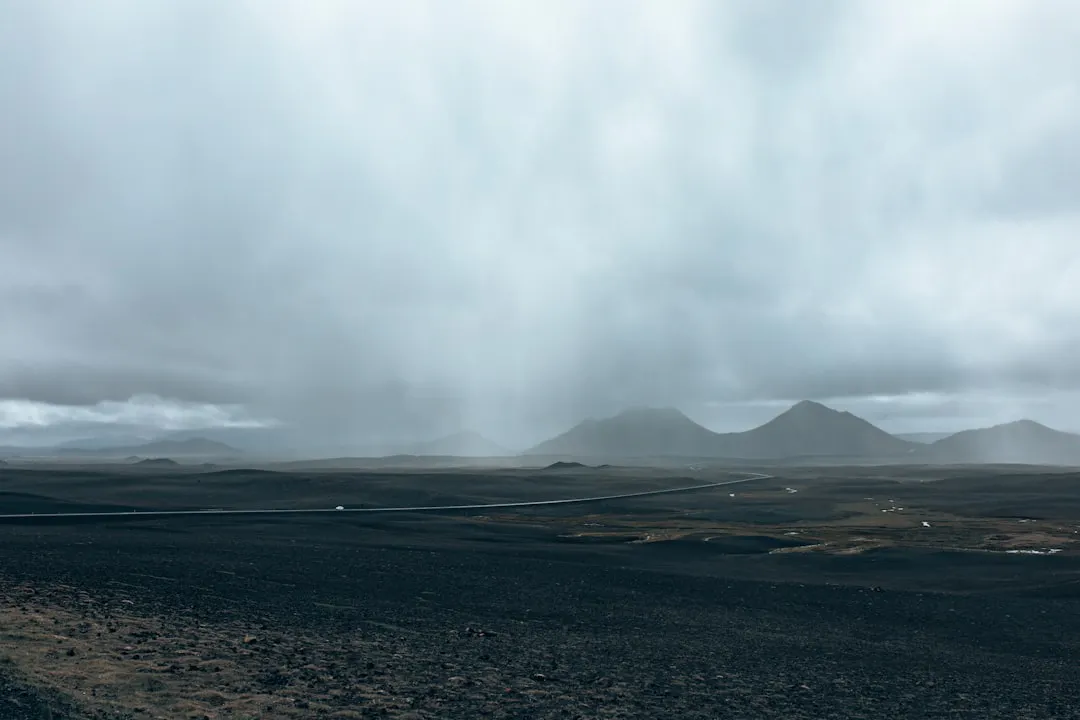
The Eastfjords don't get the same attention as the South Coast, but that's part of their appeal. The drive itself — winding roads above deep fjords with small fishing villages below — is the attraction. Seyðisfjörður (say 'Say-this-fyor-thur') is particularly worth a stop: a charming town at the end of a dramatic mountain pass, with a painted road leading to the famous rainbow-coloured church. Overnight in Egilsstaðir.
Day 6: North Iceland and Mývatn
Head north and inland to the Mývatn region, a geologically restless area of volcanic craters, lava fields, and bubbling mud pools. The Námaskarð geothermal area — also signposted as Hverir — is one of the most otherworldly landscapes in Iceland. The Mývatn Nature Baths offer a quieter alternative to the Blue Lagoon if you fancy a soak. Overnight near Mývatn or push on towards Akureyri.
Day 7: Akureyri and Back to Reykjavík
Akureyri is Iceland's second city and worth a couple of hours — the botanical garden, the church overlooking the harbour, and the excellent coffee shops. From here, you have a long drive back to Reykjavík via the west (around five to six hours without stops), or you can fly back with Air Iceland Connect if time is tight. Either way, the journey through the Snæfellsnes Peninsula can be saved for a future trip — or folded into the 10-day version below.
The 10-Day Iceland Ring Road Itinerary
Three extra days makes a significant difference. You can slow down on the South Coast, actually spend time in the Eastfjords, and add the Snæfellsnes Peninsula — one of the most rewarding detours in the whole country.
Days 1–5: Follow the 7-Day Route
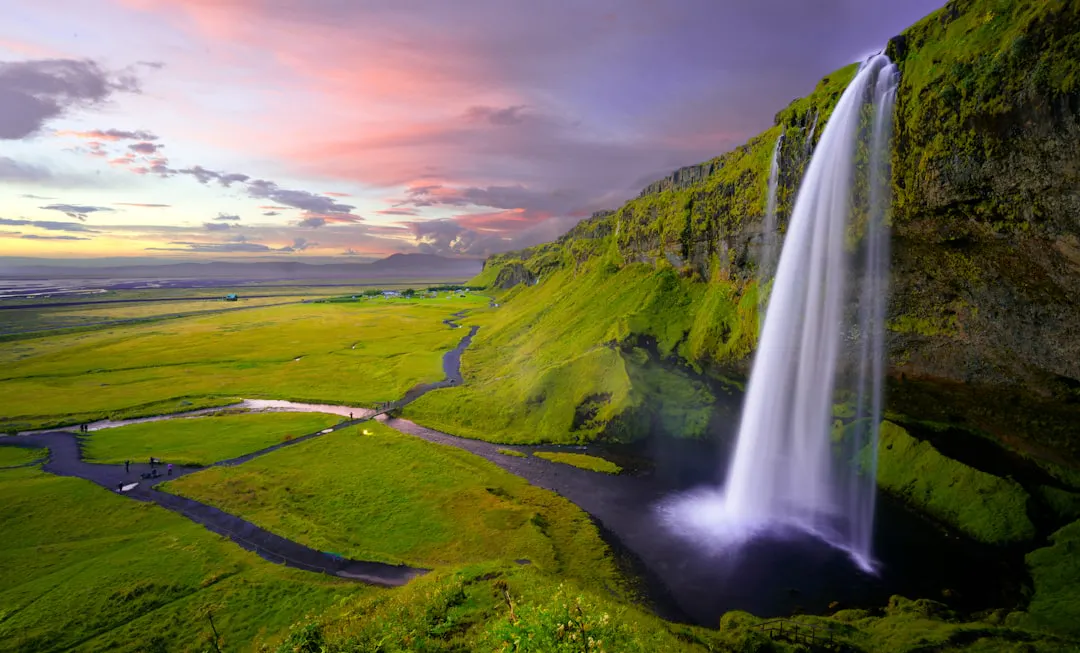
Keep Days 1 through 5 roughly as above, but with less rushing. Add a morning in Skógar to visit the folk museum, linger longer at Jökulsárlón, and take a boat tour on the lagoon if conditions allow. In the Eastfjords, consider adding a night in Seyðisfjörður rather than passing through.
Day 6: North Iceland — Dettifoss and Ásbyrgi
Before heading to Mývatn, take Route 862 to Dettifoss — the most powerful waterfall in Europe by volume. It's a humbling place. Continue north to Ásbyrgi, a horseshoe-shaped canyon that Norse mythology claims was formed by the hoofprint of Odin's eight-legged horse, Sleipnir. Geologists have a different explanation, but the mythology adds something.
Day 7: Mývatn and the North
Spend a full day in the Mývatn area without feeling like you need to rush through it. The Krafla volcanic caldera and the lava field at Dimmuborgir ('dark castles' in Icelandic) are both worth exploring properly. If you're visiting in summer, whale watching tours out of Húsavík — around 60 kilometres from Mývatn — are among the best in Iceland. Húsavík has an excellent whale museum too if you want context before you head out.
Day 8: Akureyri and the Tröllaskagi Peninsula
Rather than bypassing Akureyri, use it as a base and explore the Tröllaskagi Peninsula to the south — a mountainous stretch of road between Akureyri and Varmahlíð with some of the most dramatic scenery in north Iceland. In winter, skiing at Hlíðarfjall near Akureyri is a genuine option.
Days 9–10: Snæfellsnes Peninsula
Loop back towards Reykjavík via the Snæfellsnes Peninsula — this adds roughly three hours of driving from Akureyri, so plan accordingly. The centrepiece is Snæfellsjökull glacier volcano, which caps the western end of the peninsula and featured in Jules Verne's Journey to the Centre of the Earth. Kirkjufell mountain near Grundarfjörður is one of the most photographed peaks in Iceland. Glacier hikes on Snæfellsjökull run from the Snæfellsjökull National Park area. Return to Reykjavík on Day 10 with time for a farewell meal on Laugavegur.
Practical Tips for the Ring Road
Book accommodation well in advance, especially for summer. The South Coast in particular fills up fast — places like Vík and Höfn have limited options. In winter, build flexibility into your schedule for weather delays; a closed road or a storm that pins you somewhere for an extra night isn't a disaster, it's just Iceland.
Fill up your tank whenever you see a petrol station in remote areas — don't rely on finding one when you need it. And if the northern lights forecast is strong (check vedur.is for aurora predictions), set an alarm and get away from any light pollution. That moment is worth losing sleep over. 🌌
Whether you're booking a guided Ring Road tour or hiring a car and going it alone, the route rewards curiosity. Take the detours, talk to locals, and don't skip the swimming pools — every town in Iceland has one, and they're where real life happens.

