Húsavík: Why Iceland's Whale Capital Delivers
Húsavík sees more whale species more reliably than almost anywhere in Europe. Here's what to expect and how to plan your visit.

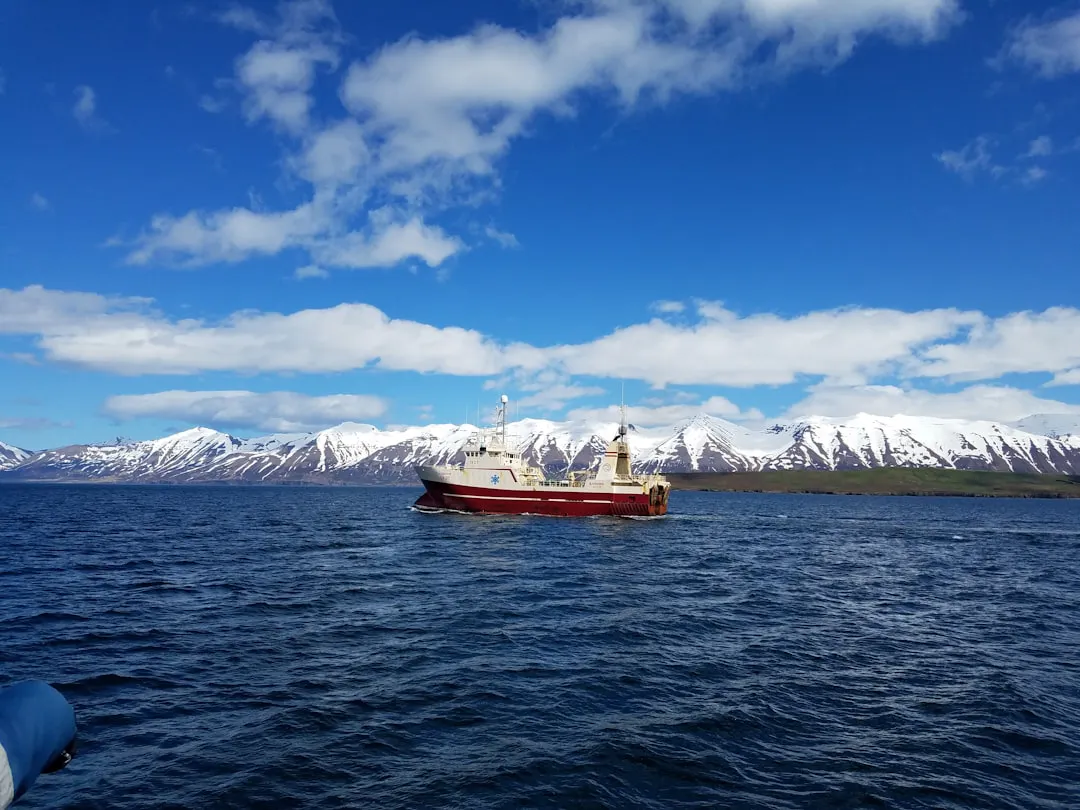
Húsavík has been running whale watching tours since 1995 — longer than anywhere else in Iceland — and the whales have not let it down. Humpbacks are spotted on the vast majority of departures from June through August, and the bay's geography funnels in a reliable supply of capelin and sand eels that keep them coming back. This is not a 'maybe you'll see something' trip.
The town sits on Skjálfandi Bay in northeast Iceland, about 75 kilometres northeast of Akureyri. If you're driving from Reykjavík, that's roughly five hours. It's a long way, but Húsavík works well as part of a Diamond Circle route that also takes in Dettifoss, Ásbyrgi, and Lake Mývatn — so you're not making the journey for one thing.
What You'll Actually See on a Whale Watch
Humpback whales are the headline act, and they show up reliably from May through October. Minke whales are common too. On lucky days you might also see white-beaked dolphins, harbour porpoises, or blue whales — though blues are less predictable. Most tours run two to three hours, and serious operators will offer a free return trip if you don't spot a whale. Check whether the company you book with has that guarantee.
The traditional wooden schooners that several operators use are worth noting — they're slower than RIB boats, but they're quieter and more comfortable for a longer trip. If you get seasick easily, take something before you board. Skjálfandi Bay can get choppy even on clear days.
Related experiences


The Húsavík Whale Museum
The Húsavík Whale Museum (Hvalasafnið) is genuinely worth two hours of your time. It's based in a converted slaughterhouse from 1930 and holds one of the most complete collections of whale skeletons in Europe — including a full blue whale skeleton. It covers the science of whale biology, the history of whaling in Iceland, and the shift to whale watching as an industry. Adults pay a set entry fee; check the current price at the museum's website before you go.
Even if you've done a whale watch before, the museum adds real context. Most people visit after their boat tour rather than before, which makes sense — you'll find you have more questions after being out on the water.
When to Go

June, July, and August give you the best combination of whale activity, calm weather, and long daylight hours. May and September are quieter and cheaper, with decent sighting rates, but tours may run on a reduced schedule. Most operators stop regular departures in October.
One specific tip: morning tours tend to have calmer seas than afternoon ones. Book the first departure of the day if you can, especially if the weather forecast looks mixed.
Getting There and Where to Stay
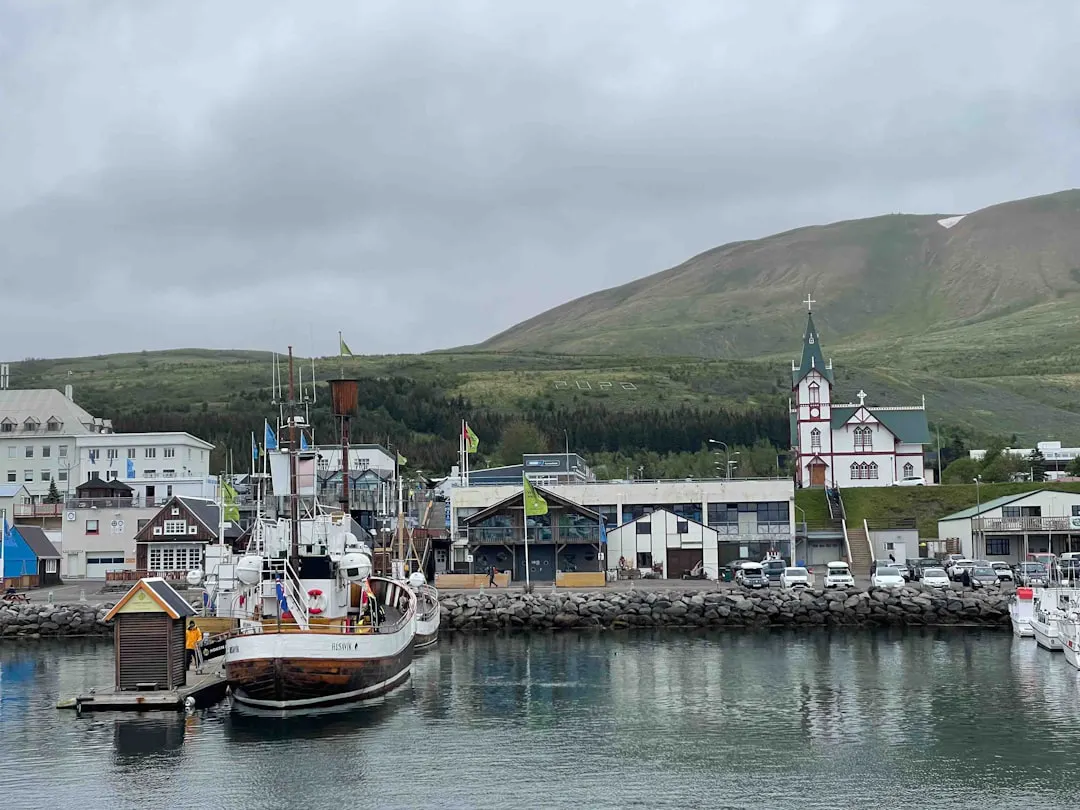
Húsavík has its own domestic airport with connections to Reykjavík, which cuts the travel time significantly if you're short on days. The town itself is small — you can walk from the harbour to most restaurants and the museum in under ten minutes.
Accommodation fills up fast in July, particularly on weekends. Book your guesthouse or hotel at least a few weeks ahead in peak season. The town has enough good food options (fresh fish, obviously) to make an overnight stay worth it rather than treating Húsavík as a day trip from Akureyri.
Booking a Tour
Several operators run from the same harbour, and the experience is broadly similar between them. The main differences are boat type (schooner versus RIB), group size, and whether they include extras like sea angling or puffin spotting. QR Travel lists the main operators so you can compare departures and book directly. If whale watching is your priority — and it probably should be — go with a company that has strong sighting records and a clear policy on re-sailing if you miss out.

