Hot Springs in Iceland Beyond the Blue Lagoon
Published
The Blue Lagoon is great, but Iceland has dozens of hot springs worth your time. Here are the best alternatives, from wild mountain pools to local baths.

The Blue Lagoon is fine. It's well-run, easy to book, and conveniently close to Keflavík Airport. But it costs upwards of 60 EUR per person, requires advance reservations, and on a busy day you're sharing milky blue water with hundreds of strangers. Iceland has geothermal activity almost everywhere you look — which means there are far more interesting places to soak.
Here's where to go instead.
Myvatn Nature Baths (Jarðböðin við Mývatn)
If you want the silica-blue water and the geothermal steam without the Blue Lagoon crowds or price tag, Myvatn Nature Baths in North Iceland is the most direct comparison. The water is alkaline and rich in minerals, sitting at around 36-40°C depending on the area of the pool. The setting is considerably better too — you're surrounded by volcanic landscape on the edge of Lake Myvatn rather than a lava field next to a car park.
It's a long drive from Reykjavík — around 4.5 to 5 hours — so it makes most sense as part of a longer North Iceland itinerary or a trip along the Ring Road. If you're already exploring the Myvatn area (and you should be — the pseudo-craters at Skútustaðagígar and the lava formations at Dimmuborgir are both nearby), factor in an hour or two at the baths in the late afternoon.
Related experiences


Reykjadalur — The Hot River You Hike To
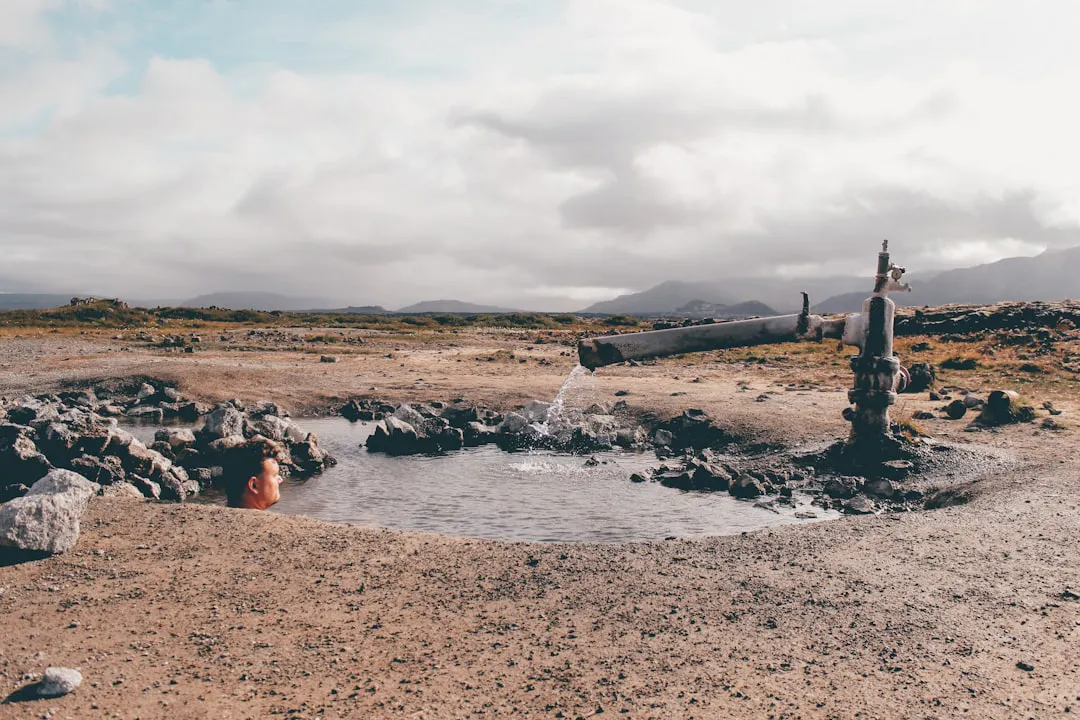
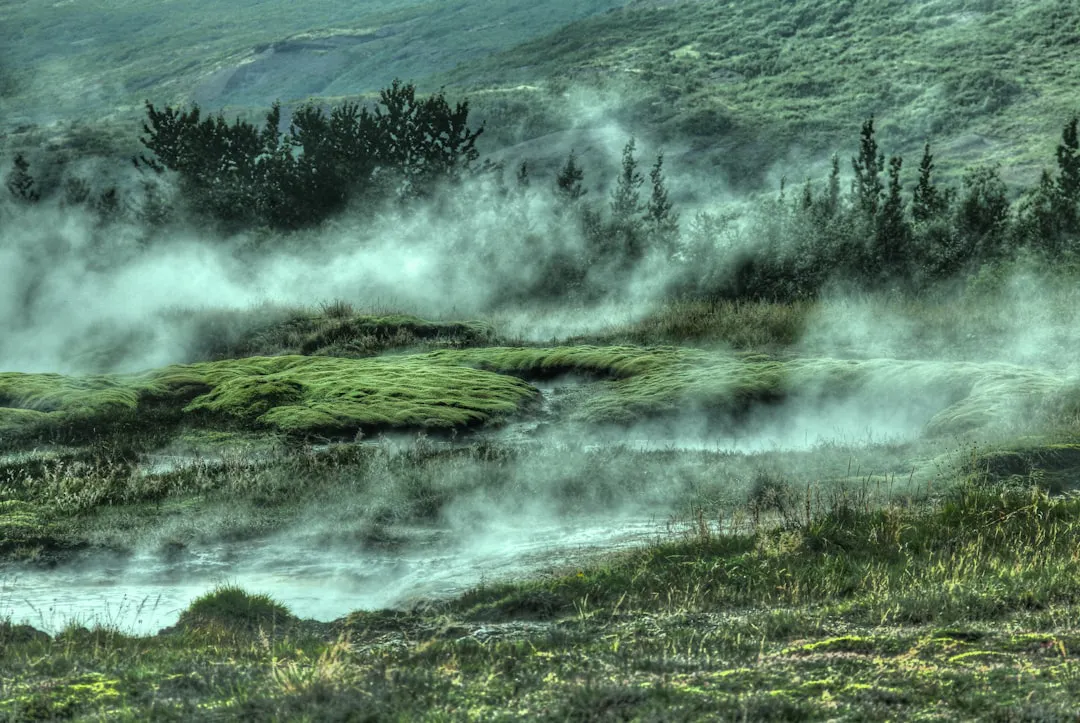
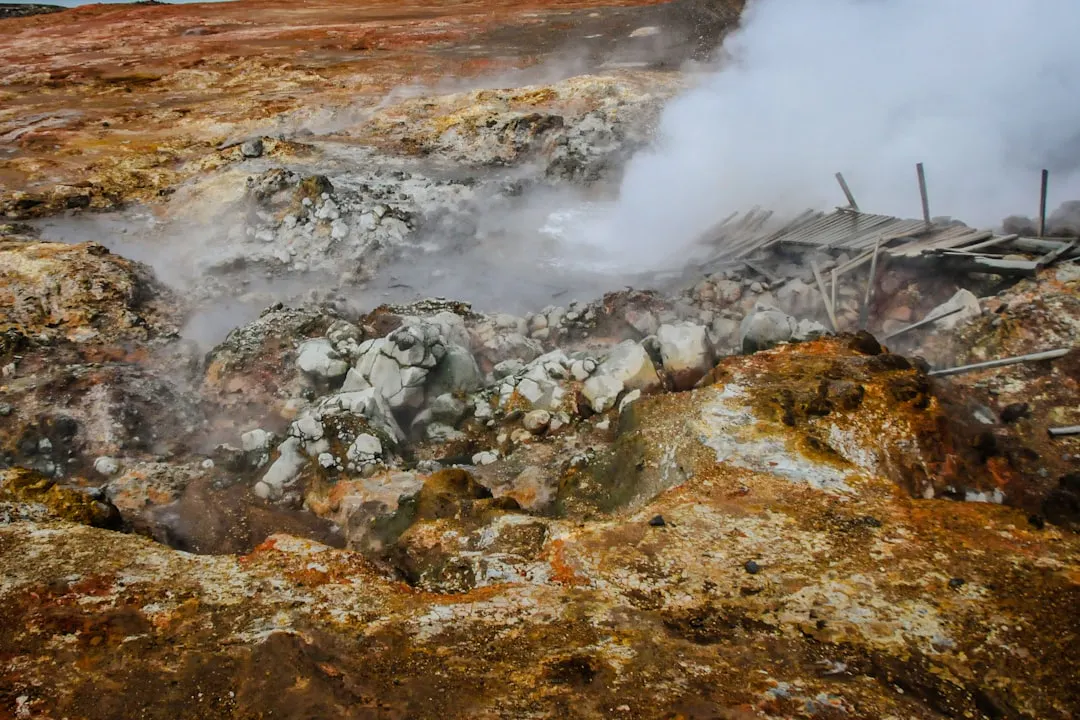
About 45 minutes from Reykjavík, near the town of Hveragerði, there's a geothermally heated river running through a valley where you can actually swim. The hike up to Reykjadalur (roughly translated as Steam Valley) takes around 45 minutes each way at a moderate pace. The trail gains about 250 metres in elevation and passes bubbling mud pools and steaming vents before you reach the river.
The water temperature varies along the river — hotter closer to the source, cooler further downstream. Most people settle in around the middle. There are basic changing screens on site, but bring an old towel you don't mind getting muddy and flip-flops for the rocky riverbank. This one is free, which makes it a genuinely good deal when you factor in that you also get a decent hike out of it.
Go on a weekday if you can. Weekend afternoons in summer get busy, and the narrow valley doesn't absorb crowds well.
Seljavallalaug — Iceland's Oldest Swimming Pool
Built in 1923, Seljavallalaug is a man-made pool fed by natural geothermal water, tucked into a narrow valley near Skógar on the South Coast. Getting there involves a 15-minute walk in along a gravel path that crosses a small stream. The pool itself is roughly 25 metres long and unheated to a precise temperature — it sits around 30°C, which is warm but not hot.
It's free to use, always open, and maintained by volunteers. There are basic changing rooms on site. Because it's close to the popular South Coast route — Seljalandsfoss and Skógafoss waterfalls are both nearby — it's become well known, but it still feels more like a local find than a tourist attraction. Worth 45 minutes of your time if you're already on the South Coast.
Secret Lagoon (Gamla Laugin) in Flúðir
The Secret Lagoon in the small village of Flúðir is one of Iceland's oldest natural bathing pools, dating back to 1891. It sits alongside a small active geyser that erupts every few minutes and a collection of hot springs and bubbling pools around the perimeter. The water is around 38-40°C and the setting is genuinely pleasant — you can watch the geyser from the pool.
Flúðir is about 1 hour 20 minutes from Reykjavík and sits close to the Golden Circle route, which makes it a practical add-on if you're already heading to Þingvellir, Geysir, and Gullfoss. Entry is more affordable than the Blue Lagoon. It's a good option for families or anyone who wants the geothermal experience without the infrastructure of a large spa resort.
Hvammsvik Hot Springs
Hvammsvik opened in 2022 on the shores of Hvalfjörður — the fjord north of Reykjavík that most people drive past on the way to Snæfellsnes. It's about 45 minutes from the capital. There are eight pools of varying temperatures set directly on the fjord coastline, and if the tide and weather cooperate, you can swim out from the pools into the sea.
It's a newer, more design-conscious facility than some of the older pools — expect a higher entry price to match. But the location on the fjord, away from the main tourist routes, means it rarely feels overrun. Book ahead, especially in summer.
A Practical Note on Outdoor Hot Pools
Iceland's natural hot pools vary enormously in how they're managed. Some have entry fees and changing facilities; some are entirely free and wild. For the free, natural ones — Reykjadalur and Seljavallalaug especially — pack out your rubbish, don't bring glass, and follow any posted signs about what's safe to enter. Geothermal water can be extremely hot in some spots and the ground around active thermal areas can be unstable.
If you want a guided experience that takes you to lesser-known geothermal spots alongside the South Coast or Golden Circle, several local tour operators run small-group day trips that include bathing stops. These are worth considering if you're not renting a car or want someone else to handle the route planning.

