The Golden Circle: Iceland's Most Popular Day Trip
Published
Þingvellir, Geysir, and Gullfoss in one day — here's what to actually expect, how long to spend at each stop, and how to beat the crowds.

The Golden Circle covers three of Iceland's most visited sites — Þingvellir National Park, the Geysir geothermal area, and Gullfoss waterfall — all within a roughly 300-kilometre loop from Reykjavík. Most people do it in a day, and it's entirely doable. The route is well-signposted, the roads are paved, and you don't need a 4WD. What you do need is a plan, because the difference between a good day and a frustrating one is almost entirely about timing.
Most organised tours leave Reykjavík between 8 and 9am. If you're self-driving, aim to leave by 8am at the latest — Geysir gets genuinely crowded by mid-morning, and Gullfoss car park fills up fast in summer. The loop can technically be driven in either direction, but the most common route goes Þingvellir first, then Geysir, then Gullfoss.
Þingvellir National Park
Þingvellir (say it roughly like "Thing-vet-lir") is where Iceland's parliament, the Alþingi, was founded in 930 AD — making it one of the oldest parliaments in the world. That alone would make it worth visiting, but the geology adds another layer. You're standing on the Mid-Atlantic Ridge here, where the North American and Eurasian tectonic plates are pulling apart at roughly 2 centimetres per year. The rift valley is visible with your own eyes — you walk along it on the main footpath.
Allow at least 90 minutes here, more if you want to walk the longer trails. The Almannagjá gorge walk is worth doing — it's about 1.5 kilometres and takes you through the main rift. In summer, the park is open around the clock. The visitor centre has useful context if you want background before you walk.
Þingvellir is also home to Silfra, a fissure filled with glacial meltwater where you can snorkel or dive directly between the two tectonic plates. Visibility in the water regularly exceeds 100 metres. It's a separate activity that needs to be booked in advance — if you're interested, it's worth building your day around rather than treating it as an add-on.
Related experiences


Geysir Geothermal Area
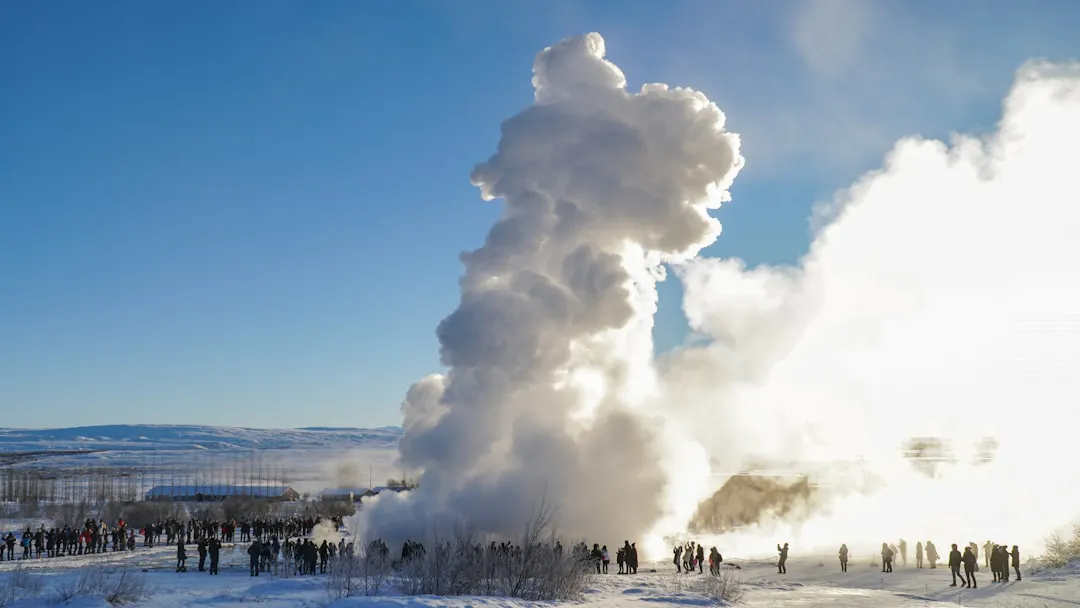
The star here is Strokkur, which erupts every 5-10 minutes and sends boiling water 20-30 metres into the air. You genuinely don't need to time your visit — just stand near the vent, watch for the blue dome of water to form, and it'll go. Keep your distance and stay on the marked paths; the ground around active vents is fragile and the water is scalding.
The original Geysir — the one that gave every geyser in the world its name — is mostly dormant. It occasionally erupts during earthquakes but you won't see it on a normal visit. Worth a look for the history, but don't build expectations around it.
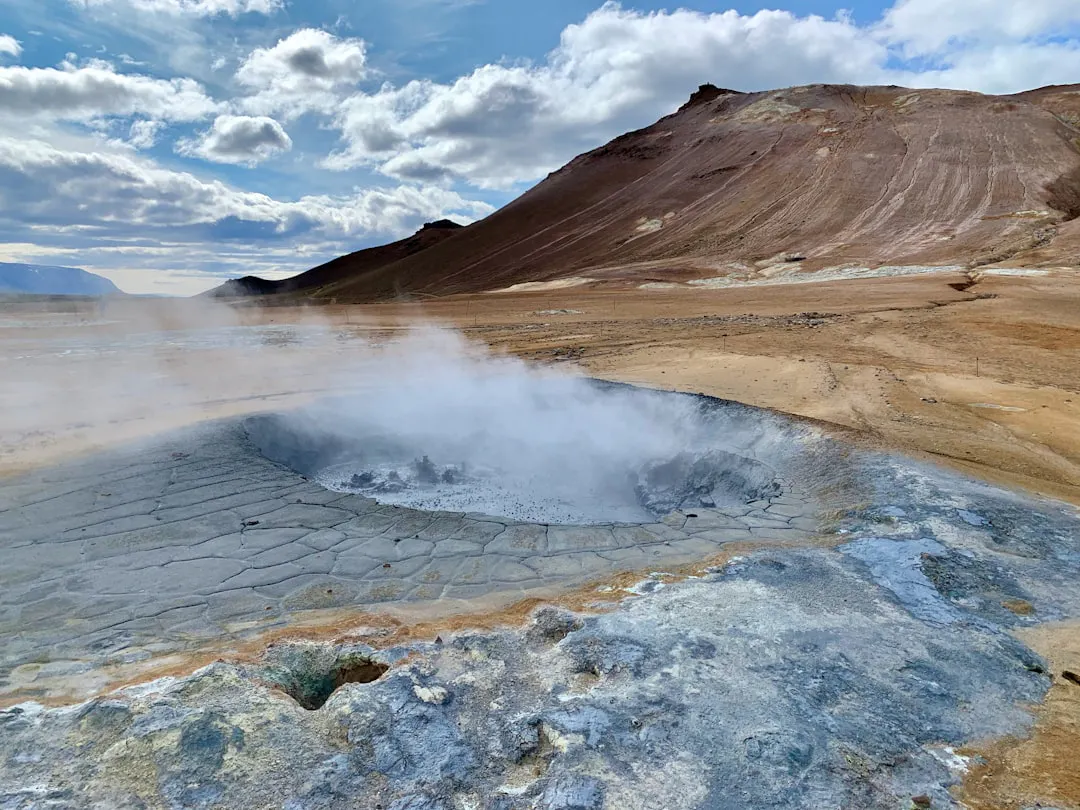
The surrounding area has plenty of smaller hot pools and bubbling mud features. Most people spend 30-45 minutes here, which is enough. There's a large hotel and visitor centre on site with a cafe and restaurant if you need a proper meal mid-day.
Gullfoss
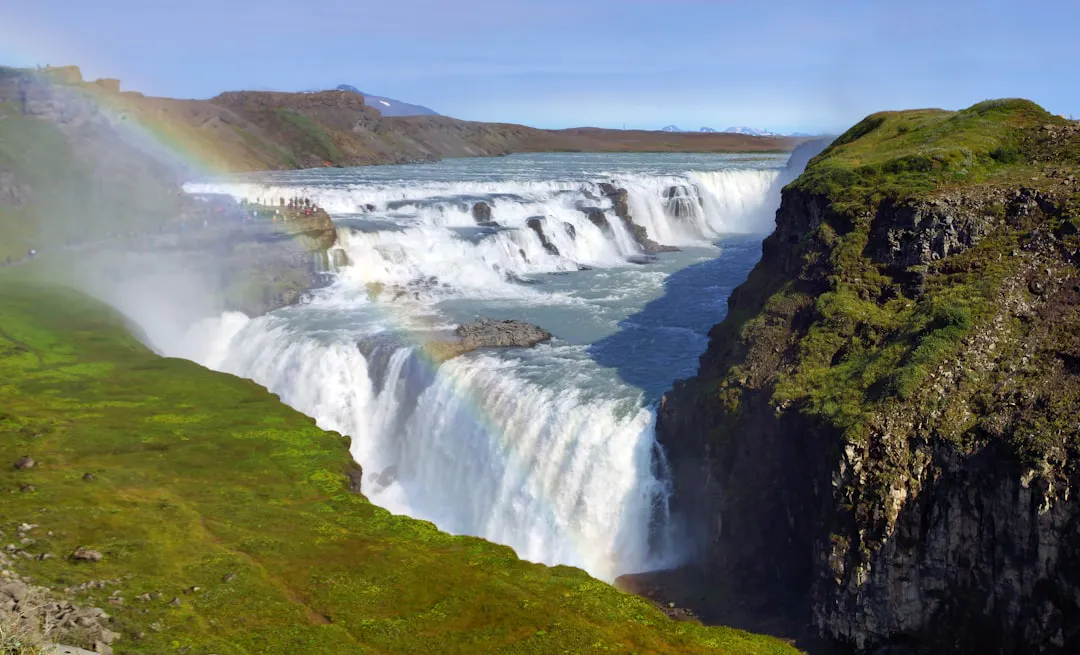
Gullfoss is a two-tiered waterfall on the Hvítá river that drops a total of 32 metres before disappearing into a 70-metre deep canyon. The scale is hard to fully appreciate from the car park — walk down to the lower viewing platform to get close. In wet or windy conditions you will get spray on your face and camera lens, so a waterproof layer is worth having.
Allow around 45 minutes here. There are two main viewing platforms at different heights, and both are worth visiting. In winter, parts of the falls can partially freeze, which changes the look dramatically. The cafe at the top is a reasonable spot to warm up.
A note on the history: in the early 20th century, there were plans to harness Gullfoss for a hydroelectric project. A local farmer's daughter, Sigríður Tómasdóttir, campaigned against it — reportedly threatening to throw herself into the falls if the project went ahead. The plans were eventually abandoned, and she's remembered with a plaque near the viewing area.
How to Do the Golden Circle: Self-Drive vs Guided Tour
Self-driving gives you full control over timing, which matters. Arriving at Geysir before the tour buses is a noticeably better experience. You'll need a standard driving licence, and a basic rental car handles the route without any issues outside winter. In winter, check road conditions at road.is before you leave — snow and ice can affect the route.
Guided tours handle all the logistics and usually include commentary that adds real context to what you're seeing, particularly at Þingvellir. Many tours run year-round and pick up from central Reykjavík hotels. Some combine the Golden Circle with additional stops like the Kerið volcanic crater, a roughly 55-metre deep caldera with a lake at the bottom, which adds about an hour to the day.
Practical Tips Worth Knowing
Entry to Þingvellir National Park requires a parking fee rather than an entrance fee — check the current rate before you go as it has changed in recent years. Geysir and Gullfoss are free to visit. Facilities at all three stops include toilets and some form of food or drink.
Crowds peak between June and August. Shoulder season — May and September — gives you better chances of having Gullfoss viewpoints to yourself and more dramatic skies. In winter, shorter daylight hours mean you'll want to be efficient with your timing, but the landscape looks completely different under snow.
If you're adding the Golden Circle onto a longer Iceland trip, it pairs well with the South Coast — Seljalandsfoss and Skógafoss waterfalls, and Jökulsárlón glacier lagoon — though that's a full second day rather than an extension of the same one. Don't try to combine everything into one marathon drive unless you genuinely don't mind seeing things through a windscreen.

