Driving in Iceland: Everything You Need to Know
Published
Planning to drive in Iceland? Here's what the rental brochure won't tell you — road types, weather rules, F-roads, and how to stay safe.

Driving is by far the best way to see Iceland. Public transport outside Reykjavík is limited, tours don't stop where you want them to, and the country is built for road trips — Ring Road (Route 1) loops the entire island at roughly 1,332 kilometres. But driving here is genuinely different from driving in most of Europe, and getting it wrong can wreck a trip fast.
Licences, Age, and Rental Basics
A full driving licence from the EU, UK, US, Canada, Australia, and most other countries is valid in Iceland. You must be at least 20 years old to rent a car (23 for 4WDs at many companies), and you'll need a credit card in the driver's name for the deposit. Book your rental before you arrive — supply gets tight in summer, and prices are significantly lower when booked in advance.
Iceland drives on the right. If you're coming from the UK, Ireland, or Australia, give yourself 20 minutes in a quiet car park before hitting the road properly.
Related experiences


Understanding Icelandic Road Types
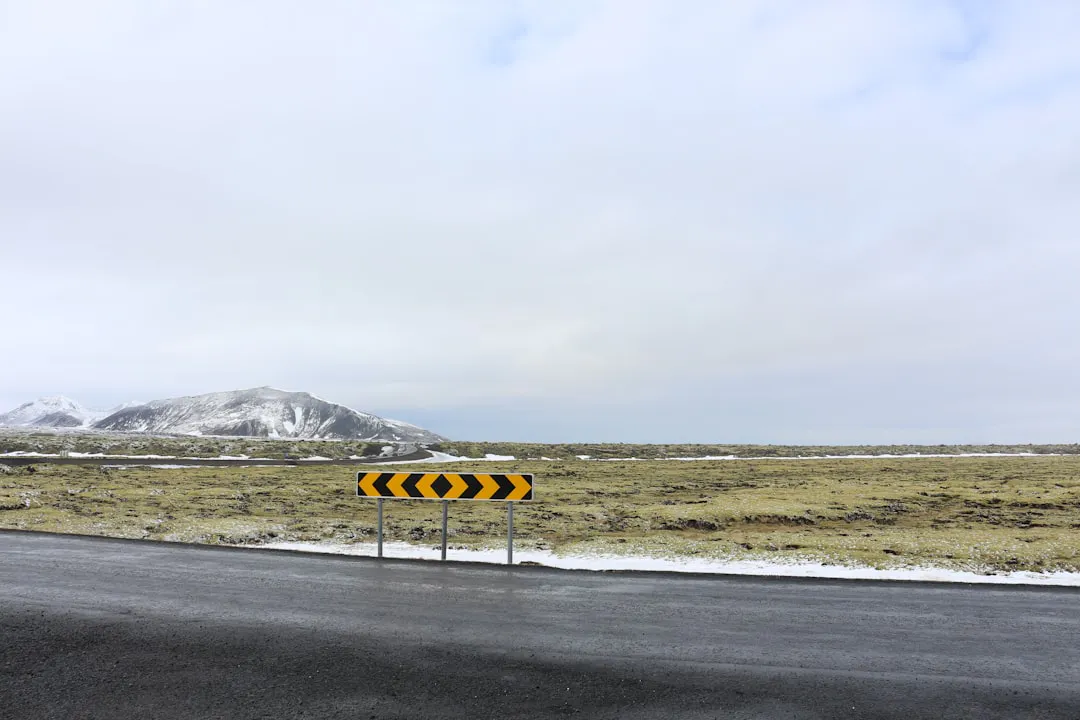
Not all roads in Iceland are equal, and the difference matters legally and practically. Paved roads are straightforward. Gravel roads — common outside the main Ring Road — require slower speeds and more attention, especially on bends. Many rental agreements limit or void your insurance on gravel roads, so check your policy.
F-roads are the highland interior tracks, and they are only open in summer — typically late June to September, though the exact dates vary by road and by year. **F-roads require a 4WD. Taking a standard car onto an F-road voids your insurance entirely and can result in a serious fine.** Routes like the Kjölur (F35) and Sprengisandur (F26) cross remote terrain where you can go hours without seeing another vehicle.
River crossings exist on some F-roads. If you haven't done one before, go with a local guide the first time — the current, depth, and entry angle all matter, and getting it wrong means a flooded engine in the middle of nowhere.
Weather and Road Conditions
The single most useful website for driving in Iceland is road.is — the Icelandic Road and Coastal Administration's live road condition map. Check it every morning before you drive. Roads can be closed, icy, or affected by high winds with very little warning, and the colour-coded system is easy to read even if you don't speak Icelandic.
Wind is a bigger hazard than most visitors expect. Storm-force gusts can push an SUV across a lane. On exposed coastal stretches — particularly in the Westfjords and around the Reykjanes Peninsula — high-sided vehicles like campervans are at greater risk. The weather app vedur.is (the Icelandic Met Office) gives wind forecasts by location and is more reliable than generic apps for Icelandic conditions.
In winter, roads can be icy with no visual warning. Rental cars in Iceland are fitted with studded winter tyres from roughly November to April, which helps — but they're not a substitute for adjusting your speed.
Speed Limits and Icelandic Driving Laws
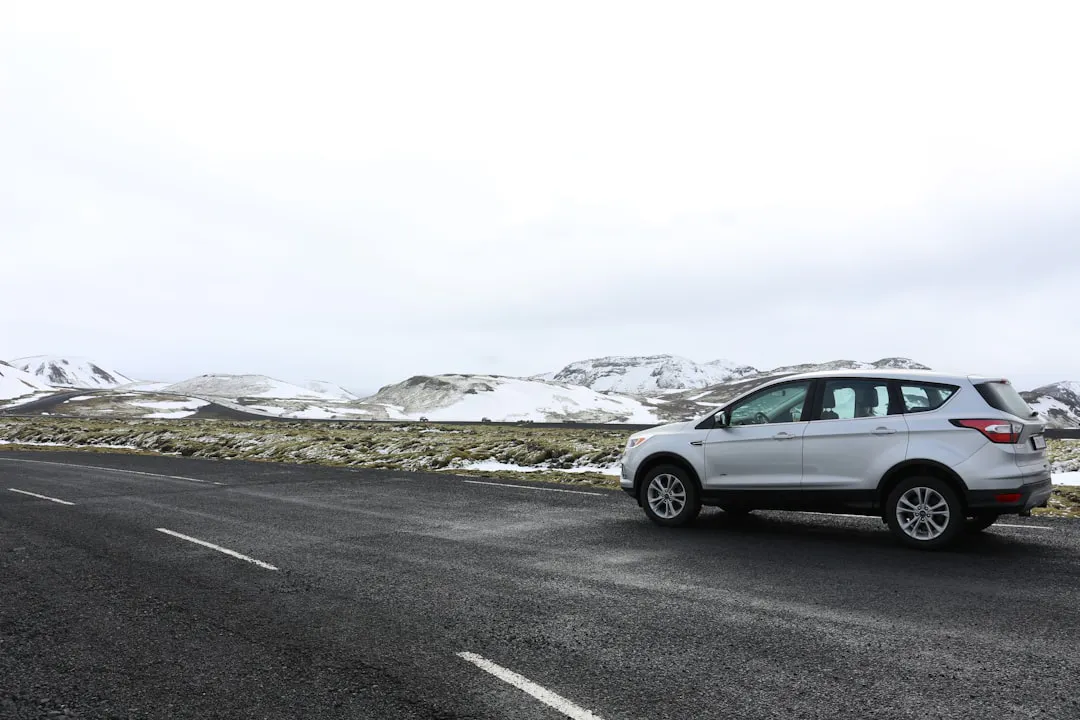
The speed limit is 50 km/h in urban areas, 80 km/h on gravel roads, and 90 km/h on paved roads outside towns. These aren't suggestions — Iceland uses automatic speed cameras, and fines are high. Drink-driving limits are strict: the legal blood alcohol limit is 0.05%, which for most people means one drink is already pushing it. Don't risk it.
One rule that catches visitors off guard: you must drive with headlights on at all times, day and night, year-round. It's the law.
Pulling off the road to photograph a view is fine — but do it properly. Stopping on the road itself, even briefly, is dangerous and illegal. Use designated pull-outs where they exist.
Fuel and Distances
Petrol stations in Reykjavík and along the Ring Road are fairly frequent, but in the highlands and Westfjords they can be far apart. A good rule: never let your tank drop below half in rural areas. Most stations are self-service and accept credit cards at the pump, but you'll need a PIN — contactless often doesn't work at Icelandic fuel pumps.
Driving times in Iceland are longer than the map suggests. The Ring Road is mostly single-lane in each direction, speed limits are lower than mainland Europe, and you'll stop more than you expect. Reykjavík to Vík (the black sand beach village) is about 180 kilometres and takes roughly 2.5 hours on a clear day — longer in winter or with stops.
Driving the Ring Road
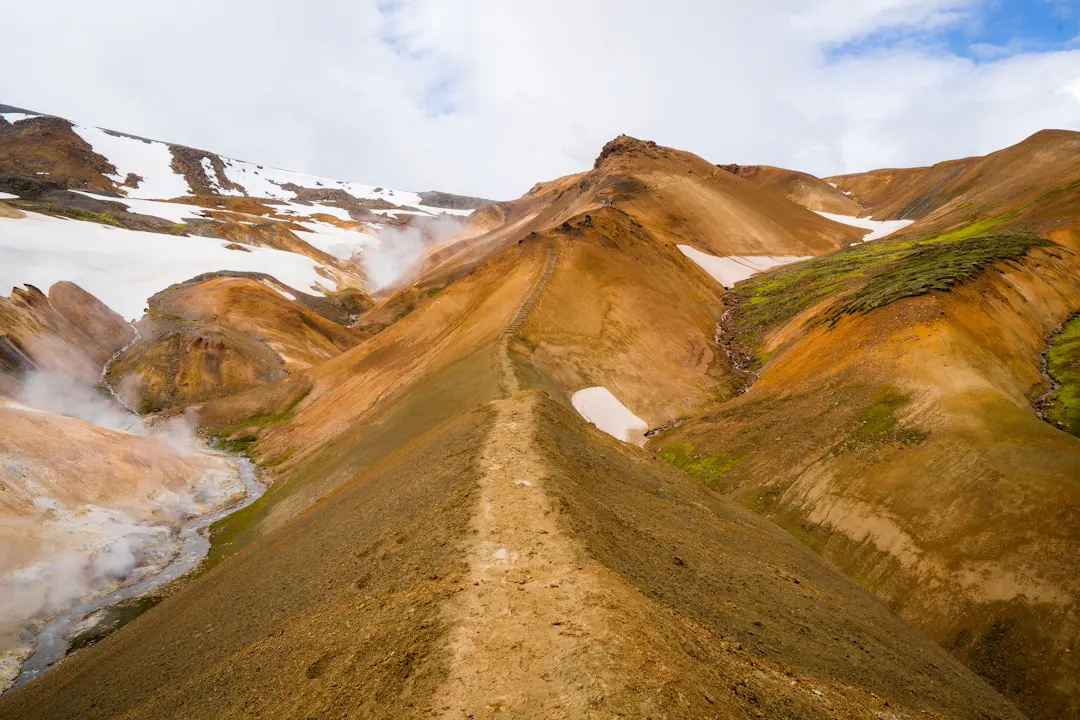
The full Ring Road circuit takes a minimum of seven days if you're pushing it, but ten days is more realistic if you want to stop anywhere properly. The road is paved its entire length and accessible in a standard car. The south coast — from Selfoss to Höfn — is the most visited stretch and for good reason: it packs in Skógafoss, Jökulsárlón glacier lagoon, Vatnajökull National Park, and the Fjaðrárgljúfur canyon into a manageable drive.
The north and east are quieter and rewarded with fewer crowds. Mývatn, Dettifoss (Europe's most powerful waterfall by volume), and the Eastfjords are all worth the extra driving time.
One Practical Rule to Leave You With
Build buffer days into your itinerary. Icelandic weather closes roads, grounds flights, and changes plans. If your schedule is too tight to absorb a lost day, you'll spend the whole trip stressed. Two buffer days in a ten-day trip is not excessive — it's just good planning. The travellers who enjoy Iceland most are the ones who let the road decide, at least occasionally.

