Day Trips from Reykjavík: Top 10 Tours for Every Traveller
From glacier hikes to golden waterfalls, these are the best day trips from Reykjavík — whatever kind of traveller you are.

One of the best things about Reykjavík is its location. You're essentially parked at the centre of Iceland's greatest hits — most of the country's most spectacular natural landmarks are within two to three hours by road. That means even if you've only got a few days, you can see a remarkable amount without ever needing to unpack your suitcase twice.
Whether you're after volcanic drama, whale sightings, geothermal pools, or ice caves glowing blue from the inside, there's a day trip that fits. Here are ten of the best excursions you can take from the capital — and who each one suits best.
1. The Golden Circle
This is the classic for a reason. The Golden Circle route covers three iconic sites: Þingvellir National Park (say it like 'Thing-vet-lir'), where the North American and Eurasian tectonic plates visibly pull apart; the Geysir geothermal area, home to the reliably erupting Strokkur geyser; and Gullfoss, a two-tiered waterfall thundering into a glacial canyon. The whole loop is roughly 300 kilometres from Reykjavík and back, making it an easy full-day trip. **Best for:** first-time visitors who want to tick off Iceland's most famous natural landmarks.
Related experiences


2. South Coast Tour
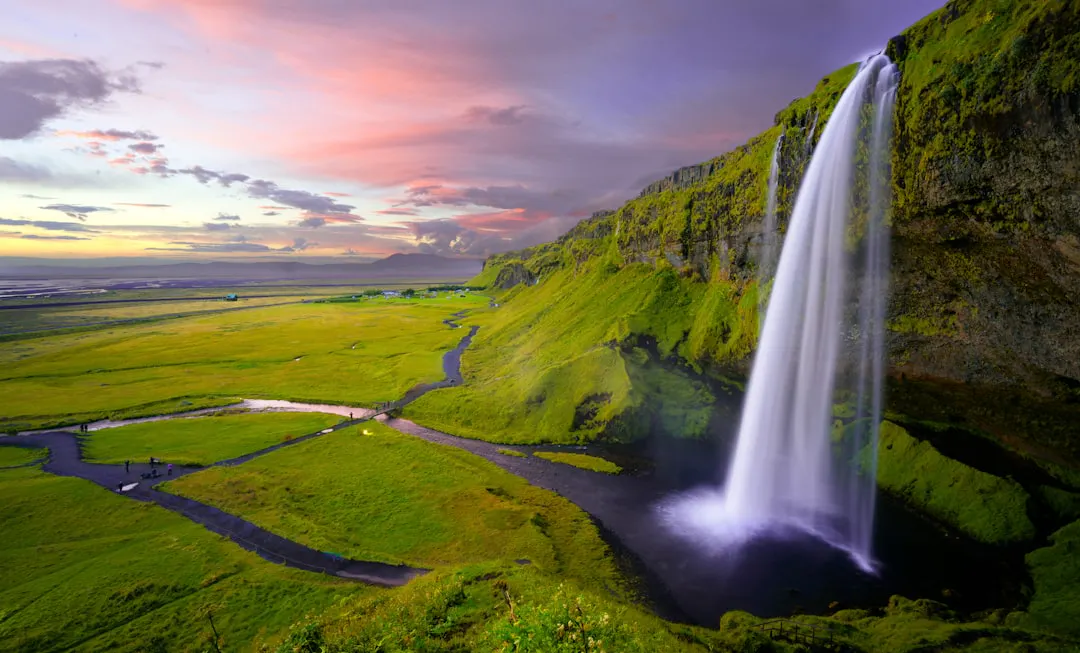
The south coast is where Iceland's drama really turns up. A typical tour takes in the black sand beach at Reynisfjara — known for its basalt column formations and powerful, unpredictable surf — the nearby town of Vík, and the glacier lagoon landscapes around Skógafoss and Seljalandsfoss waterfalls. Seljalandsfoss is the one you can walk behind, and it's every bit as good as it sounds. **Best for:** photographers and anyone who wants raw, moody Icelandic scenery.
3. Snæfellsnes Peninsula
About two hours northwest of Reykjavík, the Snæfellsnes Peninsula ('Snai-fet-nes') is essentially a miniature version of all of Iceland compressed into one long finger of land. The centrepiece is Snæfellsjökull glacier volcano, which Jules Verne used as the entry point to the earth in his 1864 novel. You'll also find dramatic lava fields, sea cliffs, small fishing villages, and the chance to spot seals along the shoreline. **Best for:** travellers who want a quieter, less-touristed alternative to the Golden Circle.
4. Whale Watching from Reykjavík Harbour
You don't need to travel far for this one — tours depart directly from the Old Harbour in central Reykjavík. Minke whales and humpbacks are the most commonly spotted species, and the best months are generally May through September when sightings are most reliable. Some tours also include puffin watching during the summer nesting season. **Best for:** wildlife lovers, families, and anyone short on time who wants a half-day adventure.
5. Glacier Hiking on Sólheimajökull
Sólheimajökull ('Soul-hay-ma-yoe-kul') is a glacier tongue extending from the larger Mýrdalsjökull ice cap, and it's one of the most accessible places in Iceland to actually walk on a glacier. Guided hikes take you across crevasses, ice ridges, and ash-streaked ice left by previous volcanic eruptions — crampons and ice axes are provided. It sits right off the Ring Road on the south coast, roughly two hours from Reykjavík. **Best for:** anyone wanting a proper adventure without needing prior mountaineering experience.
6. Ice Cave Tours in Vatnajökull
Iceland's ice caves are a seasonal experience — they're only safe to enter during winter, typically from around November through March, when the ice is stable. The caves inside Vatnajökull, Europe's largest glacier by volume, glow an extraordinary deep blue due to the density of the ice above. These tours usually involve a drive to the glacier lagoon area at Jökulsárlón, making for a long but genuinely memorable day. **Best for:** winter visitors looking for something that genuinely feels unlike anything else.
7. Northern Lights Tours
The aurora borealis is visible in Iceland from late August through April, though September to March gives you the best combination of long dark nights and reasonable weather. Dedicated northern lights tours take small groups away from Reykjavík's light pollution to locations where the skies are clearer, and experienced guides track forecasts to maximise your chances. Most tours include a re-booking guarantee if conditions aren't right. **Best for:** anyone visiting between autumn and early spring who hasn't seen the aurora before.
8. Reykjanes Peninsula and the Blue Lagoon
The Reykjanes Peninsula — which is where Keflavík Airport sits — has become one of Iceland's most geologically active zones in recent years, with a series of volcanic eruptions in the Grindavík area beginning in 2023. Guided tours of the area let you see fresh lava fields up close in a way that's safe and properly contextualised. Many combine the volcanic landscape with a visit to the Blue Lagoon geothermal spa, though the spa requires advance booking. **Best for:** geology enthusiasts, and anyone who wants to see active volcanic activity in person.
9. Þórsmörk Nature Reserve
Tucked between three glaciers — Tindfjallajökull, Eyjafjallajökull, and Mýrdalsjökull — Þórsmörk ('Thors-mork') is one of Iceland's most dramatic highland landscapes. Getting there requires a river crossing that's only suitable for high-clearance 4x4 vehicles, which makes it a classic case where a guided tour genuinely makes life easier. The valley is full of hiking trails ranging from gentle walks to serious ridgeline routes. **Best for:** hikers and nature lovers who want to go beyond the main tourist trail.
10. Horse Riding on the Lava Fields
Icelandic horses are a breed apart — literally. They've been isolated on the island for over a thousand years and are known for a unique gait called the tölt, which is incredibly smooth to ride even at speed. Several farms within easy reach of Reykjavík offer guided rides across lava fields and open countryside, and no previous riding experience is needed for the introductory tours. **Best for:** families, couples, and anyone who wants a slower, more grounded way to experience the Icelandic landscape.
A Few Practical Things Worth Knowing
Iceland's weather changes fast — what starts as sunshine can turn into a horizontal sleet shower within the hour. Layering is the only sensible strategy, and waterproofs are non-negotiable on any outdoor tour. If you're visiting in summer, pack for very long days; in winter, you'll be working with limited daylight, so prioritise your outdoor activities for midday.
Booking tours in advance is genuinely worth doing, especially for the Golden Circle, ice caves, and the Blue Lagoon — these fill up quickly, particularly from June through August. That said, northern lights tours are best booked flexibly, since you'll want the option to rebook if conditions don't cooperate on your chosen night.
Whatever you've come to Iceland for, the day trips from Reykjavík will likely be the stories you're still telling years later. Start with whatever excites you most — you can always come back for the rest. 🌋

