Campervanning in Iceland: Your Summer Road Trip Guide
Published
Choosing a van, using the Camping Card, navigating F-roads, and understanding wild camping rules — everything you need to plan an Iceland campervan trip.

A campervan is one of the most practical ways to travel Iceland in summer. You move at your own pace, sleep near the places worth waking up early for, and avoid the daily scramble of booking guesthouses along a route that might change three times before you leave home. That said, Iceland campervanning has real rules, real costs, and real pitfalls — so here's what you actually need to know before you pick up the keys.
Choosing the Right Van
The first decision is 2WD versus 4WD, and it matters more than most rental sites let on. For the Ring Road (Route 1) and most popular destinations, a standard 2WD campervan is perfectly fine in summer. You'll cover the south coast, Snæfellsnes, the Westfjords, and the north without any issue. If you want to drive into the interior — the highland F-roads — you legally need a 4WD vehicle with high clearance. More on that below.
Most Iceland campervan rentals fall into a few categories: small campervans built on a car chassis (sleeping two, no standing room), mid-size vans like converted Sprinters or Transits (standing room, small kitchen setup), and larger 4WD campervans for highland access. Smaller vans are significantly cheaper to rent and easier to park at busy sites like Skógafoss or Jökulsárlón. If there are two of you and you're sticking to paved roads, a mid-size 2WD van is usually the sweet spot.
Whatever van you book, confirm it includes a gas cooker, sleeping gear, and a basic kitchen kit. Many rentals do — but check, because buying a sleeping bag in Reykjavík at the last minute is an expensive lesson.
Related experiences


The Icelandic Camping Card

The Camping Card (Tjaldkortið) is worth looking at before you arrive. It's a prepaid card that covers one pitch per night for two adults and up to four children at participating campsites across Iceland. In recent seasons it has covered over 40 campsites nationwide. The card covers consecutive nights at different sites, making it a good fit for a loop route like the Ring Road.
The card costs around 20,900 ISK (prices do change season to season — check the official Camping Card website before booking). For context, individual campsite fees typically run 1,500–2,500 ISK per person per night, so the card pays for itself relatively quickly if you're using it most nights. It does not cover electricity hookups, showers, or laundry — those are paid separately at each site.
Not every campsite in Iceland participates, and the card doesn't cover all facilities at the ones that do. Download the current list of partner sites before your trip so you can plan around it. The card is available to buy online before you travel or at the first participating campsite you visit.
The Campsite Network
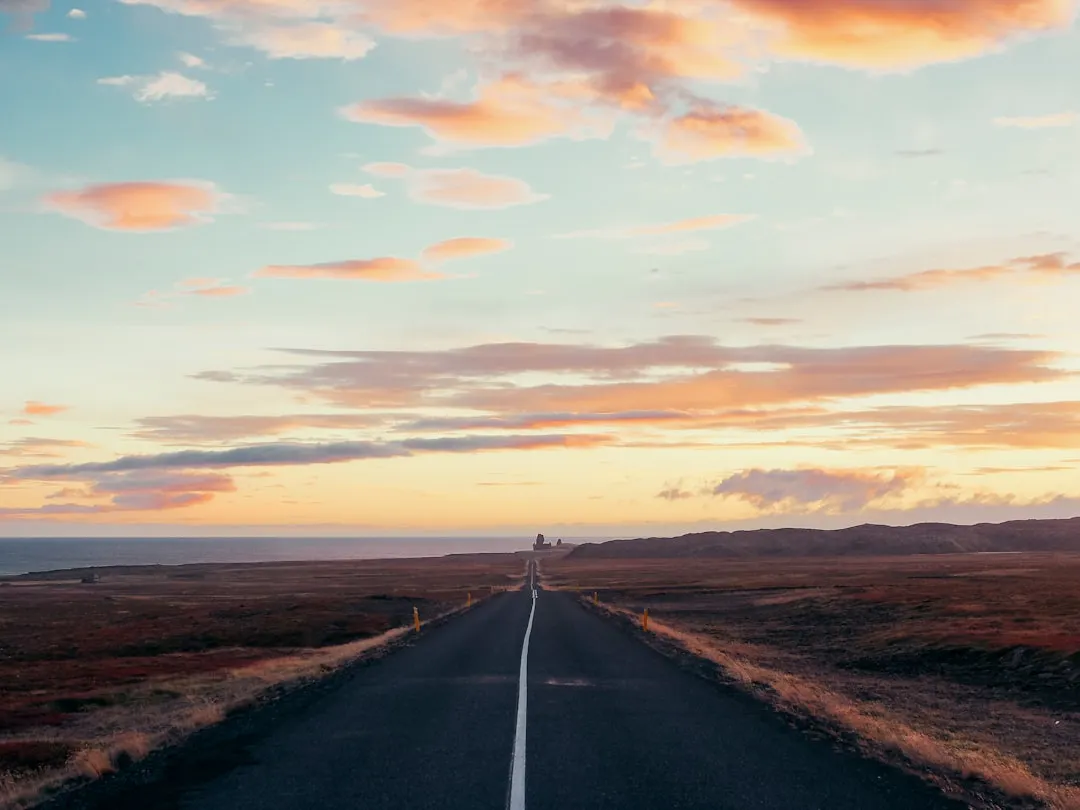
Iceland's campsite network runs primarily from mid-May to mid-September, with exact dates varying by site. Outside those months, many sites close entirely or operate in a reduced capacity. A handful around Reykjavík and the south stay open year-round, but if you're planning a June–August trip, the full network is available to you.
Sites range from basic farmers' fields with a toilet block to well-run facilities with hot showers, communal kitchens, and on-site shops. The Camping in Iceland app and website are both useful for finding sites along your route and checking current facilities. In peak July, popular sites at Skógafoss, Vík, and near Jökulsárlón fill up — arriving before 5pm is sensible at the busiest spots.
Each site has its own check-in process. Some have a warden on-site, others use a self-service post where you fill in a slip and pay by card. Most Icelandic campsites are cashless or strongly prefer card payment.
F-Roads: What You're Not Allowed to Do
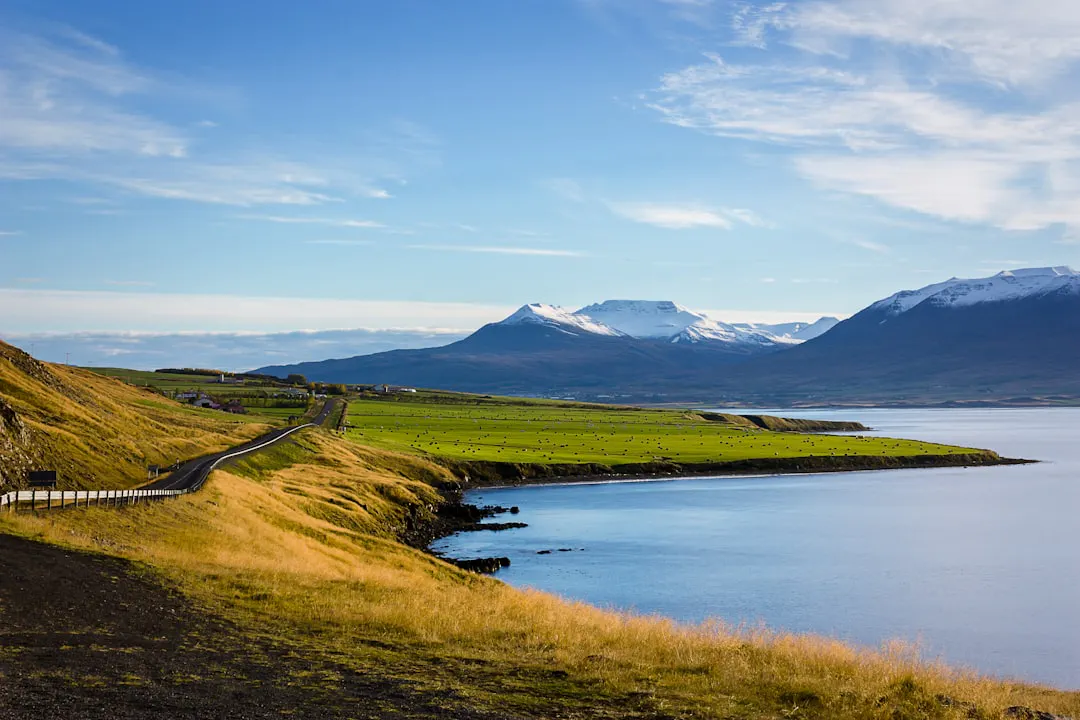
F-roads are Iceland's highland interior tracks, marked with an 'F' before the route number on maps (F26, F35, F210, and so on). They are only open in summer — typically from late June or early July, depending on snowmelt — and they require a 4WD vehicle with sufficient ground clearance. Driving an F-road in a 2WD vehicle is illegal, and your rental insurance is void if you do it. If you get stuck, recovery costs can run to several hundred thousand ISK.
Many F-roads include river crossings with no bridge. Even with a proper 4WD, you need to know how to read a glacial river crossing — depth, current, and entry angle all matter. If you're not experienced with this, joining a guided highland tour is a smarter option than attempting it solo in a rental. The Icelandic Road and Coastal Administration (Vegagerðin) posts real-time road conditions at road.is — check it every morning during an interior trip.
Some areas near F-roads are accessible from paved roads without going onto the tracks themselves. Landmannalaugar, for example, is reached via F-roads, but you can still visit the area with a 4WD. Þórsmörk is similar. Don't assume a destination is off-limits just because it involves an F-road — but do check the specific route and your vehicle's classification before you go.
Wild Camping in Iceland
Iceland changed its wild camping rules in 2015, and they are now significantly stricter than many travellers expect. Wild camping — meaning camping outside a designated campsite — is only permitted in the uninhabited highlands and in certain rural areas where there is no nearby campsite. In populated areas, farmland, and anywhere within 500 metres of a farmhouse, you need the landowner's permission.
In practice, this means wild camping in the popular coastal and southern parts of Iceland is largely off the table without permission. The rules exist because unregulated camping was causing serious erosion and waste problems in fragile areas. Fines are issued, and rangers do patrol popular spots.
The highlands — above the treeline, away from farms and settlements — are a different story. If you're deep in the interior on an F-road trip and well away from any campsite, dispersed camping is generally accepted in the spirit of the law, but you're expected to leave no trace: no campfires, no waste, and no damage to vegetation.
Campfires are prohibited almost everywhere in Iceland outside of designated fire pits at certain campsites. The country's vegetation is shallow-rooted and extremely slow to recover. Use your van's gas cooker.
Practical Tips for a Summer Campervan Trip
Pack for four seasons regardless of when you go. Summer in Iceland means temperatures typically between 10°C and 15°C, with wind. Rain is likely on the south coast almost any day of the week. A good waterproof jacket, thermal layers, and proper footwear make or break the trip — no amount of sunshine forecast is reliable enough to leave these behind.
Fuel stations are well spread around the Ring Road, but gaps exist in the north and east. Fill up whenever you drop below half a tank. In the interior, fuel is only available at a handful of highland huts, and not reliably — carry a jerry can if you're doing serious F-road driving.
Most campsites have Wi-Fi, though signal can be patchy. A local SIM card gives you data access for navigation and road condition checks, which you'll use daily. The Vegagerðin road.is website is the single most useful tool for highland driving — bookmark it.
Finally, book your campervan early. Summer availability, particularly for mid-size and 4WD campervans, tightens significantly from March onwards. If you're planning a July trip, locking in your vehicle by February is not overcautious — it's just sensible planning.

