Akureyri and North Iceland: A Complete Travel Guide
Published
North Iceland is more than a detour from Reykjavík. Here's how to plan your time in Akureyri and beyond, from whale watching to volcanic landscapes.

Most visitors to Iceland never make it past the Golden Circle and the South Coast. That's understandable — those areas are spectacular and easy to reach from Reykjavík. But North Iceland rewards the extra effort with fewer crowds, a proper city base in Akureyri, and some of the country's best whale watching, geothermal bathing, and volcanic scenery.
Akureyri (say it roughly: AK-ur-ay-ree) sits at the head of Eyjafjörður, Iceland's longest fjord, about 390 kilometres from Reykjavík by road. Flying from Reykjavík's domestic airport takes around 45 minutes with Icelandair. Driving takes roughly 4.5 to 5 hours along the Ring Road — Route 1 — and is a reasonable option if you're doing a full loop of the island rather than just flying in for a long weekend.
Why Akureyri Is Worth Your Time
Akureyri has a population of around 20,000, which makes it Iceland's second-largest urban area after greater Reykjavík. That's small by most standards, but here it means you get a walkable town centre with decent restaurants, independent coffee shops, a botanical garden, and a strong local culture — without the tourist saturation you'll find in the capital.
The town centre is compact enough to cover on foot in an afternoon. The steps up to Akureyrarkirkja, the landmark church designed by Guðjón Samúelsson, are worth the climb for the view down over the fjord. The Akureyri Botanical Garden — Lystigarðurinn — is one of the northernmost public gardens in the world and free to enter. It's a genuinely pleasant place to spend an hour, particularly in summer when flowers are in bloom despite the latitude.
One local detail worth knowing: the traffic lights in central Akureyri use a heart shape instead of a standard circle. It started as a morale boost during the 2008 financial crisis and became a permanent fixture.
Related experiences


Whale Watching from Akureyri and Húsavík
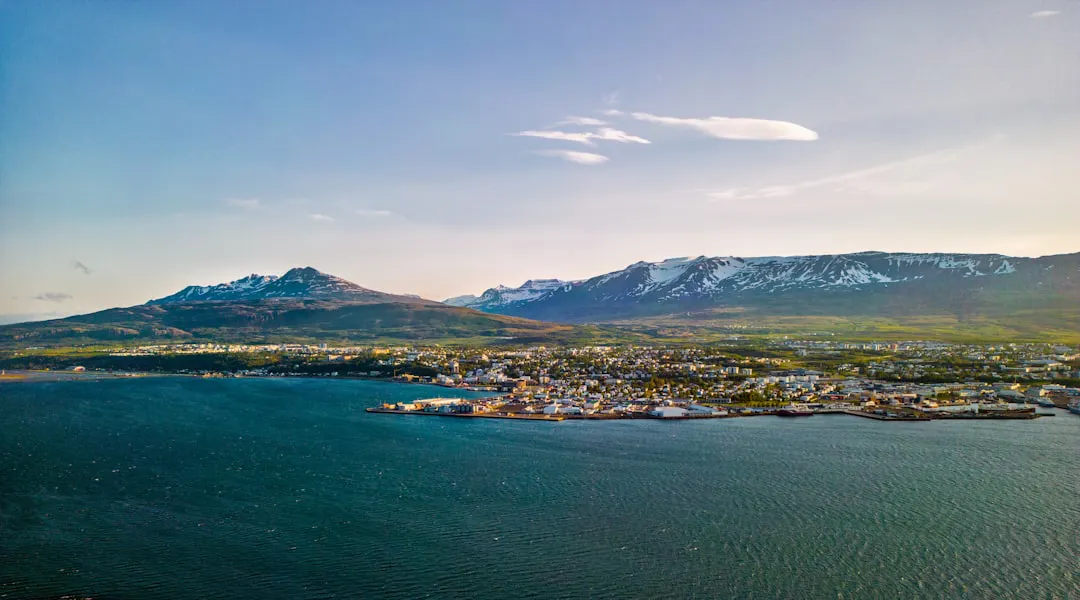
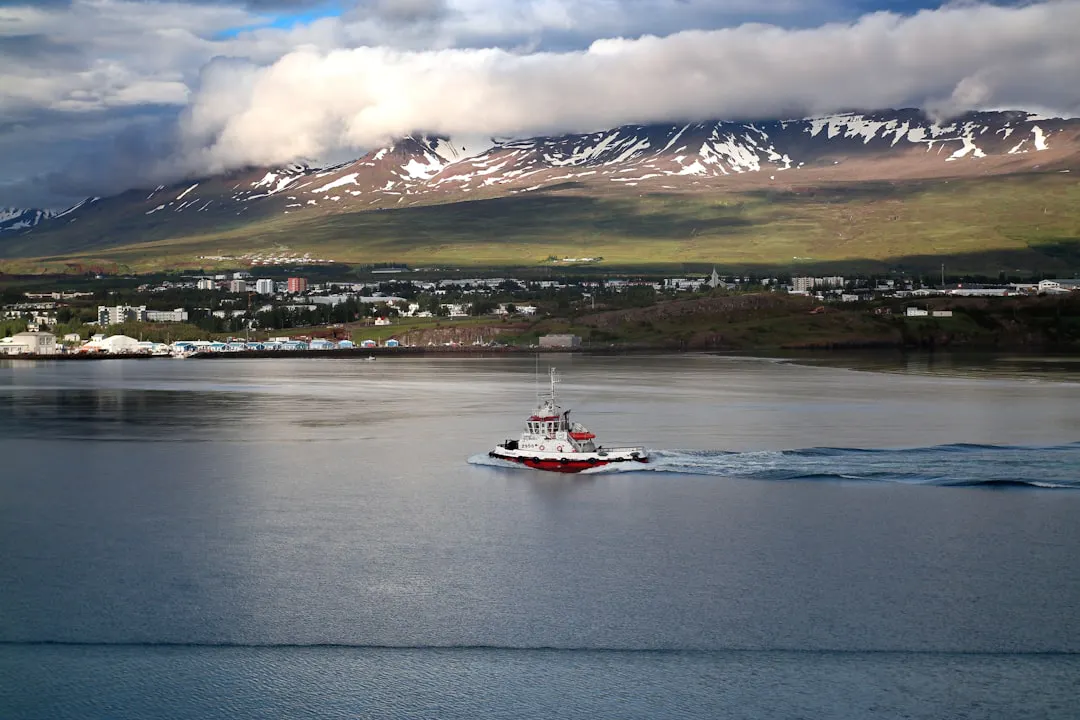
Eyjafjörður is one of the most reliable places in Iceland to see humpback whales, and whale watching tours depart from Akureyri's harbour throughout the summer season. The fjord's sheltered waters and food-rich conditions mean sightings are consistent — operators typically report high success rates from June through August.
That said, if whale watching is the main reason you're heading north, consider basing yourself in Húsavík (HOO-sah-veek) instead, or making it a day trip from Akureyri. Húsavík, about 90 kilometres east of Akureyri, has built a strong reputation as Iceland's whale watching capital. Species spotted here include humpback, minke, and blue whales. The town also has the Húsavík Whale Museum, which gives solid context before or after a boat trip.
Lake Mývatn: Iceland's Volcanic Heartland
About 100 kilometres east of Akureyri, Lake Mývatn (MEE-vah-tn — the name means 'midge lake', and yes, the midges are real in summer) is one of the most geologically active areas you can visit anywhere in Europe. The lake itself sits in a lava field, surrounded by pseudocraters, lava pillars, and hot springs that you can explore largely on foot.
The Mývatn Nature Baths are a less crowded alternative to the Blue Lagoon and use the same principle — geothermally heated water in an outdoor pool — but with a more low-key atmosphere and a striking setting above the lake. Entry fees apply; check the Nature Baths website directly for current pricing before you visit.
Hverfjall is a tephra crater about a kilometre across that you can walk the rim of in under an hour. Dimmuborgir, a field of unusual lava formations, is a short drive away and walkable via marked trails. Krafla, a volcanic caldera system a few kilometres north of the lake, includes the Víti explosion crater — a short walk from the car park — and the Leirhnjúkur lava fields, where the ground is still warm underfoot from the most recent eruptions in the 1980s.
Plan at least a full day at Mývatn if you want to cover the main sites without rushing. Two days is better if you want to do the Nature Baths, hike Hverfjall, and explore the lava fields properly.
Goðafoss: The Waterfall You'll Drive Past Anyway
Between Akureyri and Mývatn on Route 1, Goðafoss (GOH-tha-foss — 'Waterfall of the Gods') is a 12-metre high, roughly 30-metre wide horseshoe-shaped waterfall on the Skjálfandafljót river. The name comes from an event in the year 1000, when the chieftain Þorgeir Ljósvetningagoði reportedly threw his Norse idols into the falls after Iceland's parliament voted to adopt Christianity.
There's a car park and viewing area on both sides of the river. Most people spend 20-30 minutes here, which is enough. If you're driving the Ring Road, it's essentially a free stop on the way — don't skip it.
Siglufjörður: The Town at the End of the Tunnel
About 65 kilometres northwest of Akureyri, Siglufjörður (SIG-lu-fyord-ur) sits at the end of a narrow fjord and was, for a period in the early 20th century, one of the most important herring fishing stations in the world. The Herring Era Museum here has won international museum awards and tells that story genuinely well across three buildings on the old harbour.
The town itself is small and quietly charming, with colourful houses backed by steep mountains. Getting there means driving through a pair of single-lane mountain tunnels — the kind where you pull into a passing bay and wait for oncoming traffic. It's an experience in itself. Allow about 3-4 hours for a return trip from Akureyri, including time at the museum.
When to Visit North Iceland
Summer (June to August) is the most straightforward time to visit. Days are long — in June you effectively get 24-hour daylight — roads are open, whale watching is running, and all attractions are accessible. Temperatures in Akureyri regularly reach the mid-teens Celsius and occasionally higher, making it one of the warmer parts of Iceland in summer.
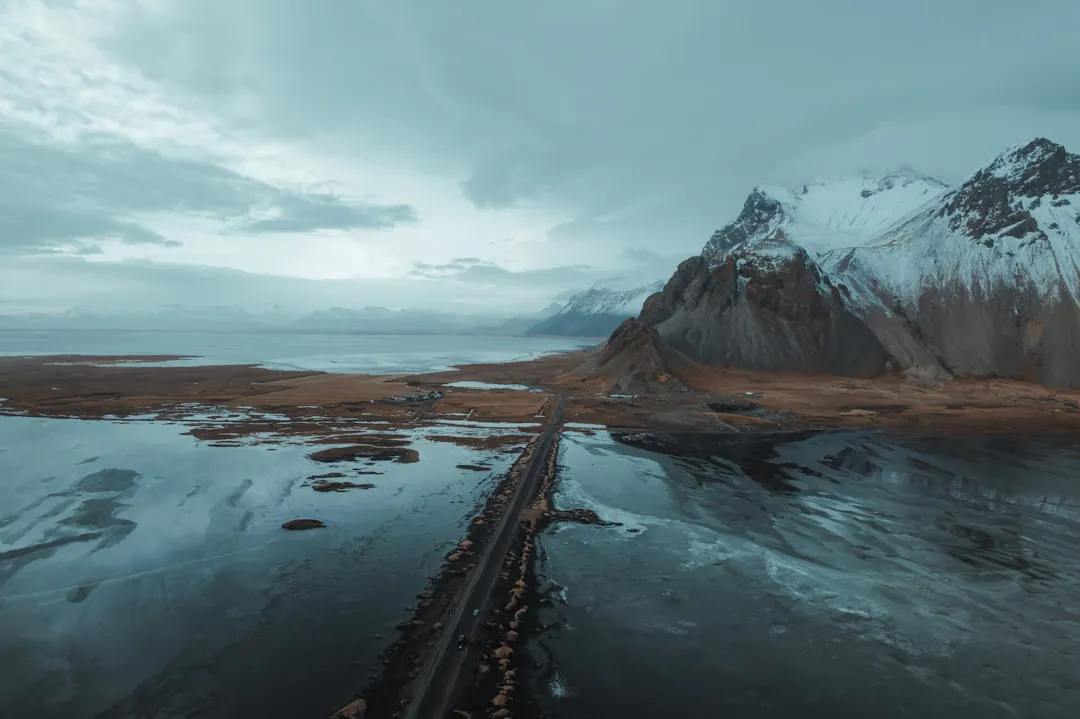
Winter is worth considering if northern lights are your priority. The region north of Reykjavík often has clearer skies than the south and west. However, mountain roads including Route 1 in some sections can close in severe weather, so check road.is daily and build flexibility into your itinerary.
Getting Around the North
Renting a car is the most practical way to cover this region. Public buses do connect Akureyri to Reykjavík and some surrounding areas, but frequency is low and schedules won't suit most itineraries. If you're not driving yourself, joining a guided tour from Akureyri is the most reliable way to reach Mývatn, Húsavík, and the surrounding area in a day.
If you're flying in rather than driving the Ring Road, Akureyri Airport handles domestic flights year-round and some international seasonal routes — worth checking before you default to driving.
A practical tip to finish: book accommodation in Akureyri and Húsavík well ahead if you're visiting in July or August. The north has fewer beds than the south, and the best options fill up faster than people expect.

