Volcanic Iceland: Lava Fields, Geysers and Eruptions
Published
Iceland sits on one of the most active volcanic systems on Earth. Here's where to see it up close — safely and on your own schedule.

Iceland has around 30 active volcanic systems and averages a significant eruption every four to five years. That's not trivia — it's the reason the landscape looks the way it does, and why visiting here feels different from anywhere else in Europe. If you want to understand what makes Iceland tick, start with the geology.
The Reykjanes Peninsula: Iceland's Most Active Eruption Zone Right Now
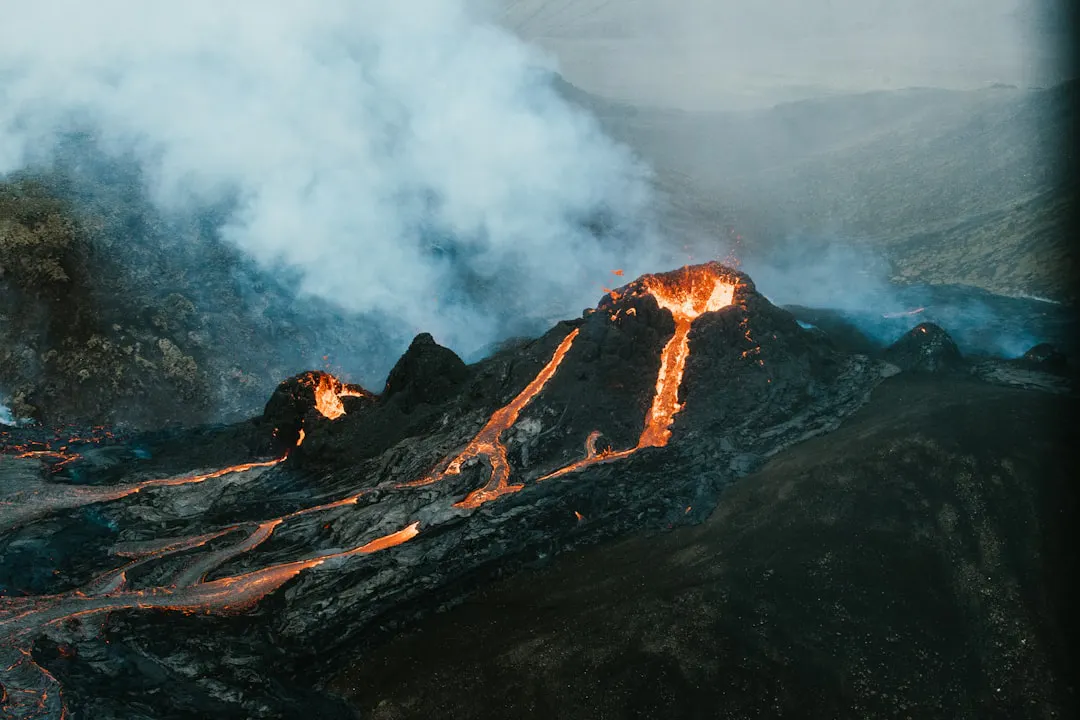
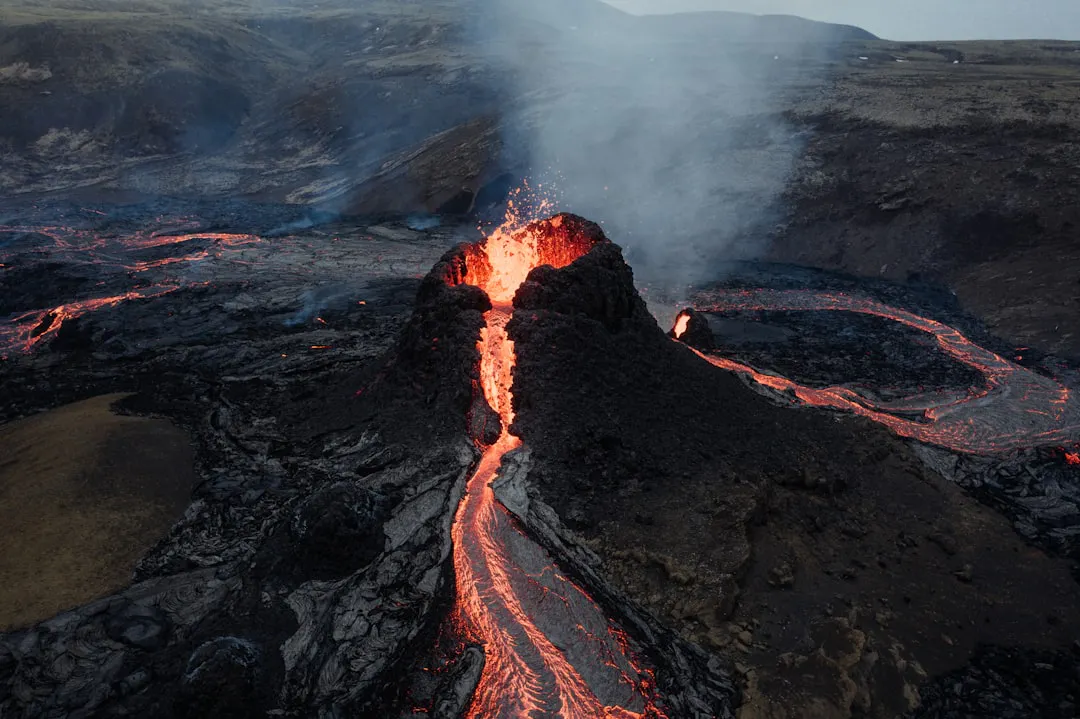
Since 2021, the Reykjanes Peninsula has been going through a period of volcanic unrest after nearly 800 years of quiet. Several eruptions have occurred in the Fagradalsfjall and Svartsengi volcanic systems, with lava flows reshaping the landscape each time. This is a genuinely rare thing to witness — a volcanic system waking up after centuries of dormancy.
The eruption sites are roughly 40 kilometres from Reykjavík, making them accessible as a day trip. That said, conditions change fast. Before you go, check the Icelandic Meteorological Office (vedur.is) and the Department of Civil Protection and Emergency Management (almannavarnir.is) for real-time safety alerts. Roads and access points open and close depending on activity levels.
If an eruption is active during your visit, guided tours operate from Reykjavík and give you a safety briefing, appropriate footwear advice, and a local guide who knows which viewing distances are actually safe. Going solo is possible when sites are officially open, but a guide adds real context to what you're looking at.
Related experiences


Þingvellir: Where Two Continents Pull Apart
Þingvellir (roughly pronounced 'Thing-vet-lir') National Park, about 45 kilometres east of Reykjavík, sits directly on the Mid-Atlantic Ridge — the boundary where the North American and Eurasian tectonic plates are slowly pulling apart at roughly 2 centimetres per year. You can walk through Almannagjá, a rift valley canyon that makes the plate boundary visible at ground level. It's about 7.7 kilometres long and up to 32 metres deep in places.
Þingvellir is also where Iceland's parliament, the Alþingi, was founded in 930 AD — one of the world's oldest parliaments. The site is a UNESCO World Heritage Site. Entry to the national park is free, though there's a parking fee.
Geysir: The Geyser That Named All Geysers
The Geysir geothermal area in the Haukadalur valley is about 115 kilometres from Reykjavík and sits within the popular Golden Circle route. The original Geysir — which gave its name to every geyser on Earth — is largely dormant now. Its neighbour, Strokkur, is not.
Strokkur erupts every 5 to 10 minutes, consistently blasting boiling water 20 to 30 metres into the air. You don't need to time your visit or wait long — just stand back from the edge (the warning signs are there for a reason) and it'll go off while you're watching. Most people spend 20 to 30 minutes here, but the surrounding hot spring field has smaller pools worth walking around.
Krýsuvík and the Reykjanes Geothermal Fields
For geothermal activity without the tourist crowds of the Golden Circle, the Krýsuvík area on the Reykjanes Peninsula is worth the detour. The Seltún geothermal field has boardwalked paths through bubbling mud pools, steaming vents, and sulphur-stained earth in yellows, oranges, and reds. It's free to visit and takes about 30 to 45 minutes to walk properly.
Nearby, Kleifarvatn is Iceland's largest lake on the peninsula and sits on an active fault line. After the 2000 earthquakes, the lake actually shrank noticeably as water drained through fissures in the lakebed — it has since partially recovered.
Landmannalaugar: Lava Fields and Geothermal Pools Together
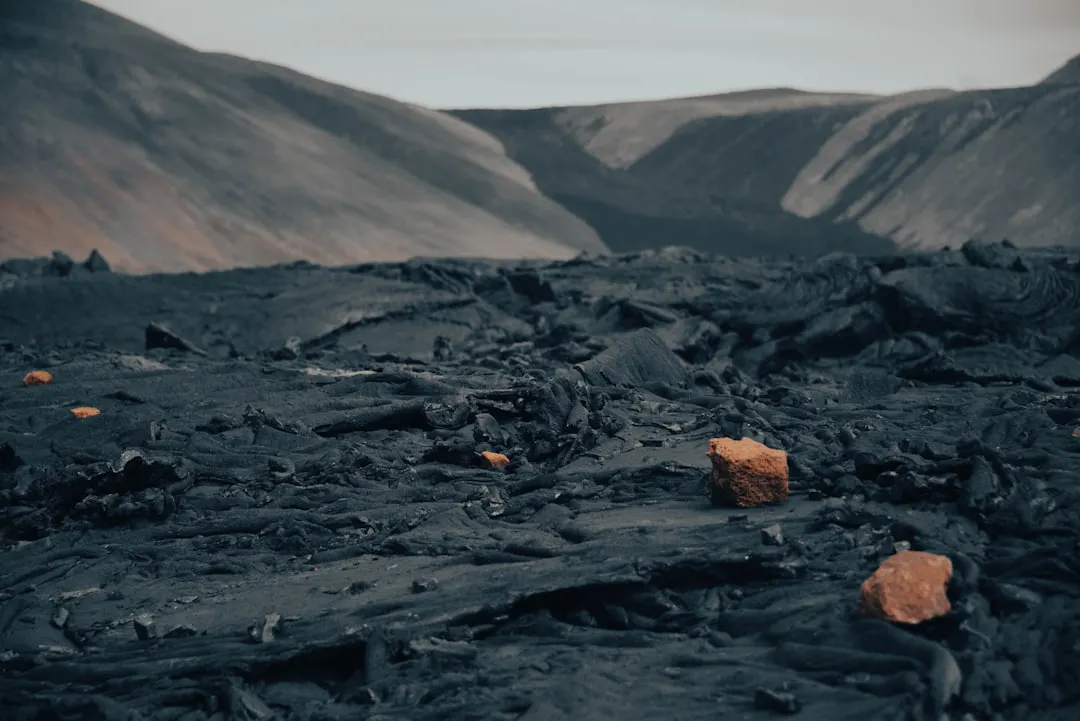
Landmannalaugar, in the highlands of southern Iceland, sits at the edge of the Laugahraun lava field — formed in an eruption around 1477. The landscape here is stark: black and grey lava contrasted with rhyolite mountains in shades of green, pink, and brown. It's one of the few places in Iceland where you get that full visual contrast of volcanic geology.
The area also has a natural geothermal bathing pool where hot spring water mixes with a cold stream to a comfortable temperature. It's free to use and genuinely worth the trip. Landmannalaugar is only accessible in summer (roughly June to September) via F-roads, which require a 4WD vehicle. Scheduled bus services run from Reykjavík during the summer season if you're not driving a suitable vehicle.
Landmannalaugar is also the starting point of the Laugavegur hiking trail — a 55-kilometre multi-day route to Þórsmörk considered one of the best hikes in Europe.
Practical Tips for Volcanic Iceland
Always check current conditions before visiting any volcanic or geothermal area — the Icelandic Meteorological Office updates hazard maps regularly. Wear sturdy, closed-toe shoes on lava fields; the surface is sharp and unstable in places. Keep to marked paths around geothermal areas — the ground crust near hot springs can be thin.
If you want to cover the geothermal highlights efficiently, Golden Circle tours from Reykjavík typically include Geysir, Þingvellir, and Gullfoss waterfall in a single day. For the volcanic eruption sites on Reykjanes, look for small-group guided tours that include transport from Reykjavík — these are the most practical option if you don't have a 4WD or want local guidance on safety. Landmannalaugar is best visited as part of a dedicated day tour or as the start of a multi-day hiking trip.

