The Ultimate Guide to Iceland's South Coast
Published
Black sand beaches, glacier lagoons, and some of Iceland's most accessible waterfalls — here's how to do the South Coast properly.

Iceland's South Coast is the country's most visited driving route, and for good reason. You can cover the major stops in a single long day from Reykjavík, or spread it over two days if you want to actually enjoy it rather than just photograph it. The Ring Road (Route 1) runs the entire length, so navigation is straightforward — but don't underestimate the distances.
Most people treat this as a day trip. That's doable, but you'll be rushed. Staying overnight in Vík or near Jökulsárlón means you get the landmarks at quieter times, which makes a real difference at places like Reynisfjara beach.
Getting There and How Long You Need
Reykjavík to Vík is roughly 180 kilometres, which takes about 2.5 hours without stops. Jökulsárlón glacier lagoon is another 80 kilometres east of Vík — budget 4 hours of driving from Reykjavík just to reach it. If you're doing the full South Coast in one day, leave by 8am and expect to get back late. Two days is more realistic if Jökulsárlón is on your list.
A rental car is the only practical option. Public buses exist but run infrequently and won't get you to smaller stops like Skógafoss or Reynisfjara on a tight schedule. If you'd rather not drive, several operators run guided South Coast day tours from Reykjavík that cover the main highlights.
Related experiences


Seljalandsfoss and Skógafoss
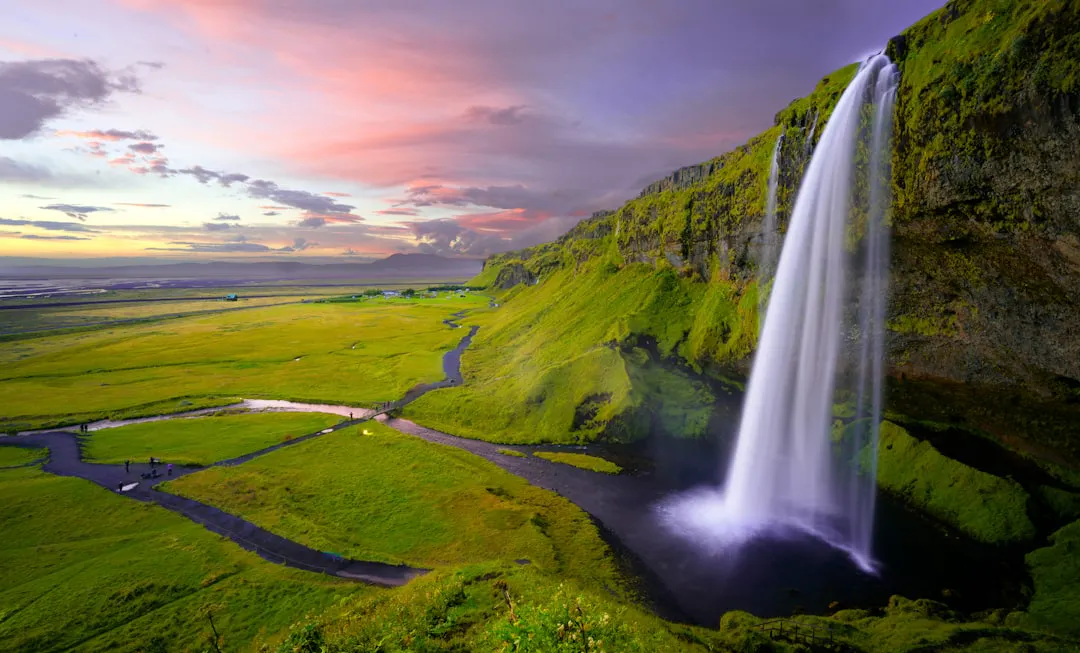
These two waterfalls sit roughly 30 kilometres apart and are almost always visited together. Seljalandsfoss drops about 60 metres and has a path that loops behind the curtain of water — wear waterproofs, you will get soaked. The path is open in summer but can be icy and closed in winter. Allow 30-45 minutes here including the walk.
Skógafoss, about 25 kilometres further east, drops 60 metres and is wider than Seljalandsfoss. There are 370-odd steps up the cliff to the right of the falls, which takes you to the top and connects to the Fimmvörðuháls hiking trail if you want to keep going. The viewpoint at the top is worth the climb. Budget 45 minutes to an hour at Skógafoss.
Both waterfalls have car parks and basic facilities. Entry to both is free, though parking fees apply.
Reynisfjara Black Sand Beach
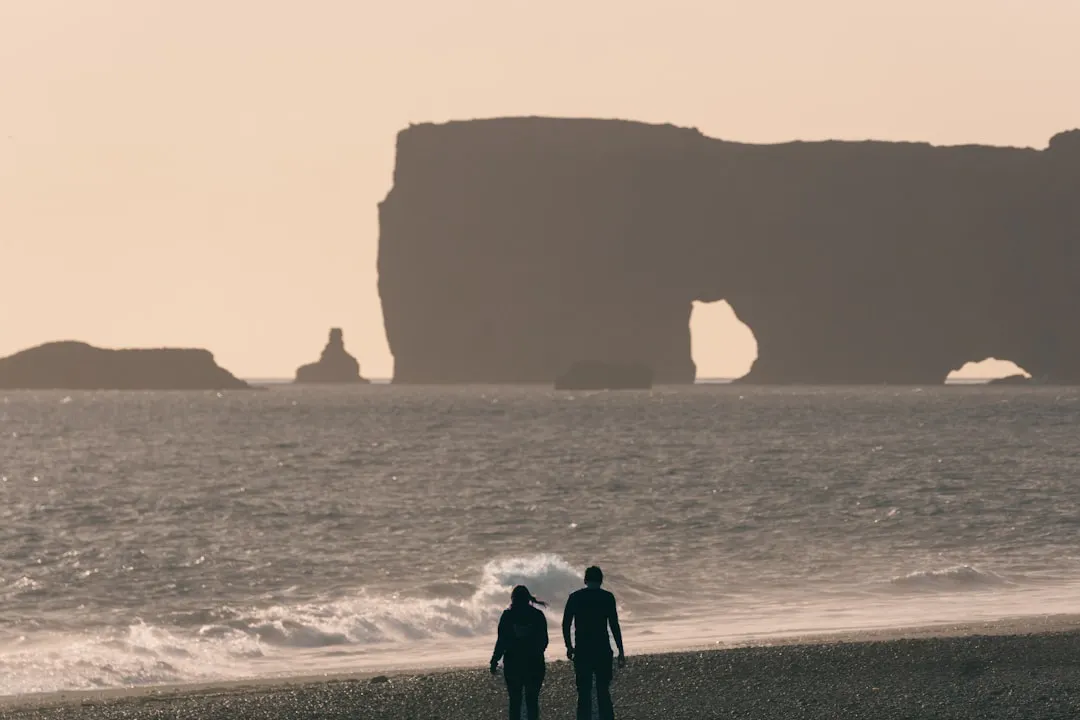
Reynisfjara (roughly pronounced Ray-nis-fyar-dra) is the black sand beach most people picture when they think of Iceland. The basalt column formations at Reynisdrangar, the cave at the northern end of the beach, and the hexagonal rock stacks at Hálsanefshellir are all within a short walk of the car park. Allow at least an hour.
The sneaker waves here are genuinely dangerous. Signs at the beach warn visitors to stay back from the waterline — these warnings are not theatre. Every year people are caught by waves that surge much further up the shore than expected. Keep your distance from the water, especially in winter when seas are rougher.
The village of Vík is about 10 minutes from the beach and a good overnight base. It has a handful of guesthouses, a supermarket, and a petrol station.
The Glacier Tongue at Sólheimajökull
Sólheimajökull is an outlet glacier of the Mýrdalsjökull ice cap, and it's one of the most accessible places in Iceland to walk on a glacier. The car park is about 30 kilometres east of Skógafoss, with a short walk down to the glacier's edge. You can stand at the snout for free, but to go onto the ice you need a guided glacier walk — crampons and ice axes are provided. Tours typically run 3 hours and no prior experience is required.
The glacier has retreated noticeably over recent decades, and the walk from the car park to the ice edge is longer than it used to be. Going with a guide means you'll also learn what you're looking at, which is worth it.
Jökulsárlón Glacier Lagoon
Jökulsárlón is where icebergs calve off the Breiðamerkurjökull glacier and float slowly out to sea. The lagoon sits right beside the Ring Road, about 375 kilometres from Reykjavík, and you can watch icebergs drift past from the shoreline at no cost. The scale is harder to judge from land than you'd expect — some of those blocks are the size of houses.
Amphibious boat tours run on the lagoon from spring through autumn, taking you in among the icebergs for about 40 minutes. Book in advance in summer — they fill up quickly.
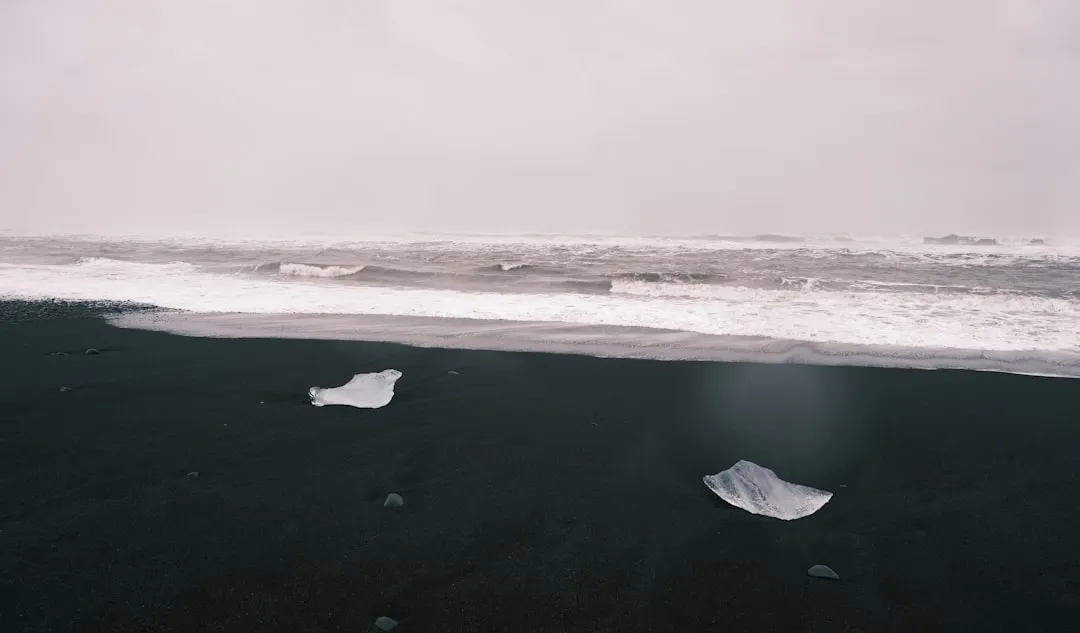
Walk across the road bridge to Diamond Beach, where ice chunks wash up on black sand and catch the light. It's about a 5-minute walk from the main lagoon car park. Early morning or late evening gives you the best light and far fewer people.
South Coast in Winter vs Summer
Summer (June to August) gives you long daylight hours — up to 24 hours of light in June — which means more flexibility. The F-roads (highland tracks) open up, waterfalls are at full flow, and temperatures are mild. The trade-off is that Reynisfjara and Jökulsárlón are noticeably busier.
Winter visits mean shorter days (as few as 5 hours of usable light in December), potential road closures, and more challenging driving conditions. The upside: fewer tourists at every stop, snow on the mountains, and a real chance of the Northern Lights after dark. Check road conditions at road.is before every winter drive — the South Coast can close with little warning.
Practical Tips
Fill your tank before leaving Reykjavík and top up in Vík — petrol stations thin out east of there. The South Coast has few petrol options between Vík and Höfn.
Accommodation books out fast in summer, especially in Vík. If you're planning an overnight stay, book at least a month ahead for July and August.
Most visitors try to cram Þórsmörk (a highland valley north of Vík) into a South Coast itinerary. That's a separate trip — it requires a 4WD and river crossings, and adds hours to your day. Save it for its own dedicated day if you're serious about it.
If you want the South Coast without the driving stress, guided day tours from Reykjavík are a solid option. They typically cover Seljalandsfoss, Skógafoss, Reynisfjara, and sometimes Sólheimajökull in one day. They won't get you to Jökulsárlón — that's too far for a single day return — but for the western highlights, a tour works well.

