Total Solar Eclipse Iceland 2026: Your Complete Guide
Published · Updated
The 2026 total solar eclipse crosses Iceland on August 12th. Here's everything you need to know to witness totality in the Land of Fire and Ice.

Mark your calendars, because August 12, 2026 is shaping up to be one of the most extraordinary days Iceland has ever seen. A total solar eclipse — one of nature's most jaw-dropping spectacles — will sweep across the country, and I genuinely cannot think of a more dramatic backdrop for it. Imagine the moon swallowing the sun whole while you're standing on a black lava field, a glacier glittering on the horizon, and the Atlantic crashing against sea cliffs behind you. Iceland doesn't do anything halfway, and neither does this eclipse.
I've been obsessed with eclipse chasing for years, and I'll tell you straight: this one is special. The path of totality cuts right across Reykjavik and much of the populated south and west of Iceland, meaning you won't have to trek to some remote mountaintop to see it. But — and this is a big but — Iceland's weather is famously unpredictable, and that means your planning has to be smarter than average. This guide will walk you through everything: the best viewing spots, what to book in advance, and how to make an entire trip of it.
When and Where to Watch the 2026 Iceland Solar Eclipse
The total solar eclipse on August 12, 2026 will begin its totality phase over Iceland in the late afternoon, with the maximum eclipse occurring roughly around 17:40 local time (GMT). The path of totality — the narrow band where you'll experience complete darkness — runs across the Reykjanes Peninsula, through Reykjavik, across Snæfellsnes Peninsula, and up toward the Westfjords. Outside this path, viewers will see a partial eclipse, which is still impressive but nothing like the real thing.
Reykjavik itself sits comfortably within the totality path, making it the most accessible viewing point for most travelers. But if you want a truly cinematic experience, I'd push you toward Snæfellsnes Peninsula. Watching totality from the base of Snæfellsjökull — the glacier-capped stratovolcano that Jules Verne immortalized in Journey to the Center of the Earth — is the kind of thing you tell your grandchildren about. The Reykjanes Peninsula is another strong contender, especially around the Bridge Between Continents near Reykjanesbær, where you can literally stand between the Eurasian and North American tectonic plates as day turns to night.
Related experiences


How Long Does Totality Last?
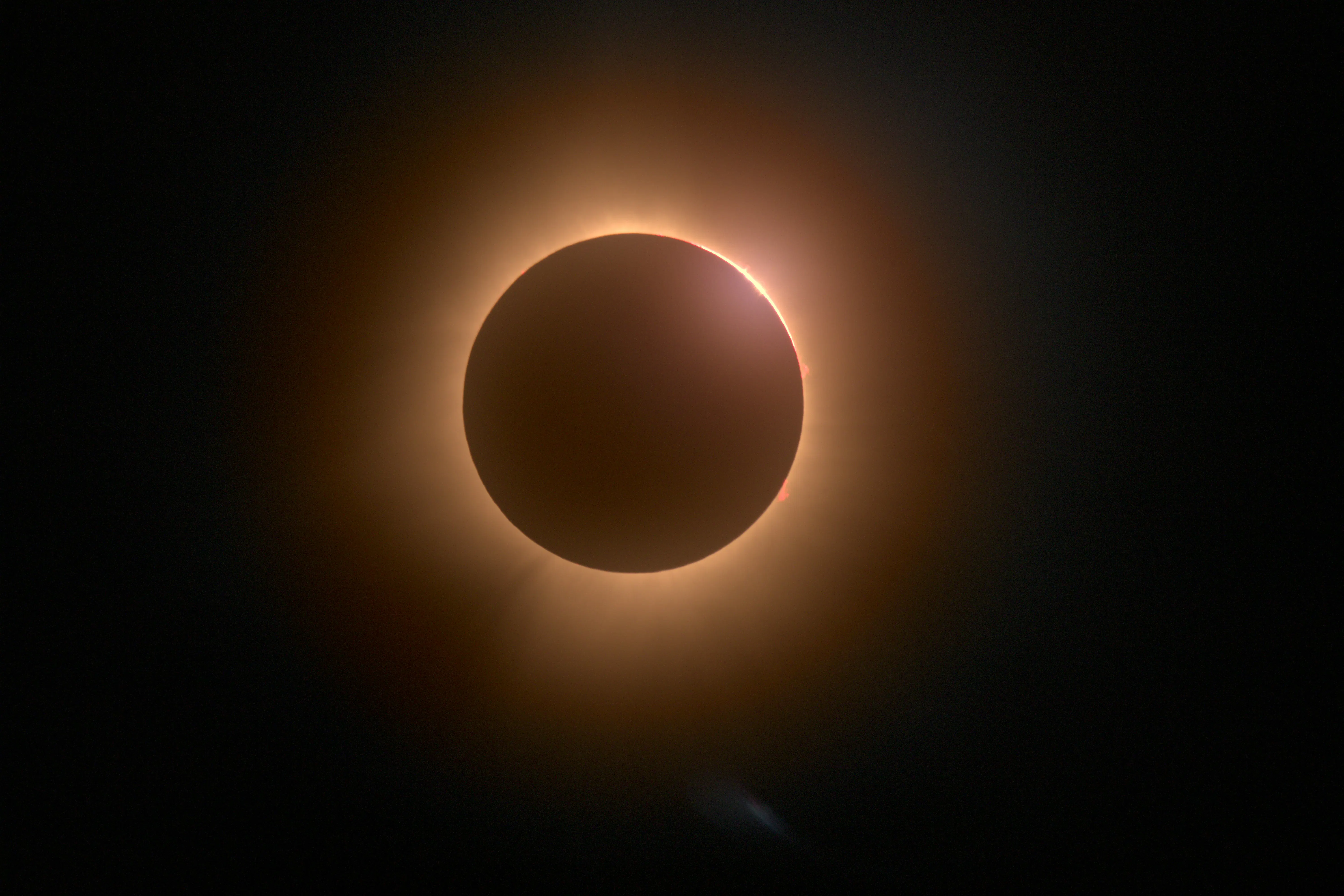
In Iceland, totality will last approximately 2 minutes and 18 seconds depending on your exact location — longer if you're closer to the centerline of the path. Those two minutes will feel like the fastest and most surreal of your life. The temperature will drop noticeably, birds will go quiet, stars will appear in the middle of the afternoon, and the sun's corona — that ethereal, shimmering halo — will be visible to the naked eye. No photograph fully captures it. You simply have to be there.
Iceland's Weather: The Elephant in the Room
Let's be honest about the weather. August is actually Iceland's best month for stable conditions — long daylight hours, relatively mild temperatures around 10–15°C, and lower wind speeds than spring or autumn. But "relatively stable" in Iceland still means clouds can roll in fast. The Reykjanes Peninsula historically gets more clear-sky days than the south coast, which is partly why it's my top pick. The Snæfellsnes Peninsula can be cloud-heavy, but when it's clear, the views are unmatched.
My biggest practical tip: don't fix yourself to one spot and hope for the best. Rent a car. Iceland's Ring Road and the roads around the Reykjanes and Snæfellsnes peninsulas let you chase clear skies in real time. Download a reliable weather app like Veður (the Icelandic Met Office app) and check it obsessively in the 48 hours before the eclipse. Flexibility is your greatest asset.
Building an Epic Eclipse Trip Around It
Here's the thing — you're flying to Iceland for one astronomical event, so you may as well make it a full adventure. August is peak season, which means every iconic experience is fully operational and at its absolute best. Before or after the eclipse, book yourself onto a glacier hike on Sólheimajökull, one of Iceland's most accessible glaciers — crampons on, ice axe in hand, blue ice all around you. It's a visceral reminder of just how wild this country is.
🐋 Whale watching out of Reykjavik or Húsavík is exceptional in August, with humpback whales, minke whales, and even the occasional blue whale spotted in Icelandic waters. The Húsavík whale watching experience in particular has earned a reputation as some of the best in Europe — it's worth the drive north if your itinerary allows.
If you're combining the eclipse with a longer Iceland trip, consider exploring the South Coast. The Jökulsárlón glacier lagoon, where massive icebergs calve off Breiðamerkurjökull glacier and float serenely toward the sea, is one of the most otherworldly places I've ever stood. Nearby Diamond Beach, where ice chunks wash onto black volcanic sand, is equally hypnotic. A boat tour through the lagoon is an absolute must.
Don't Forget the Northern Lights
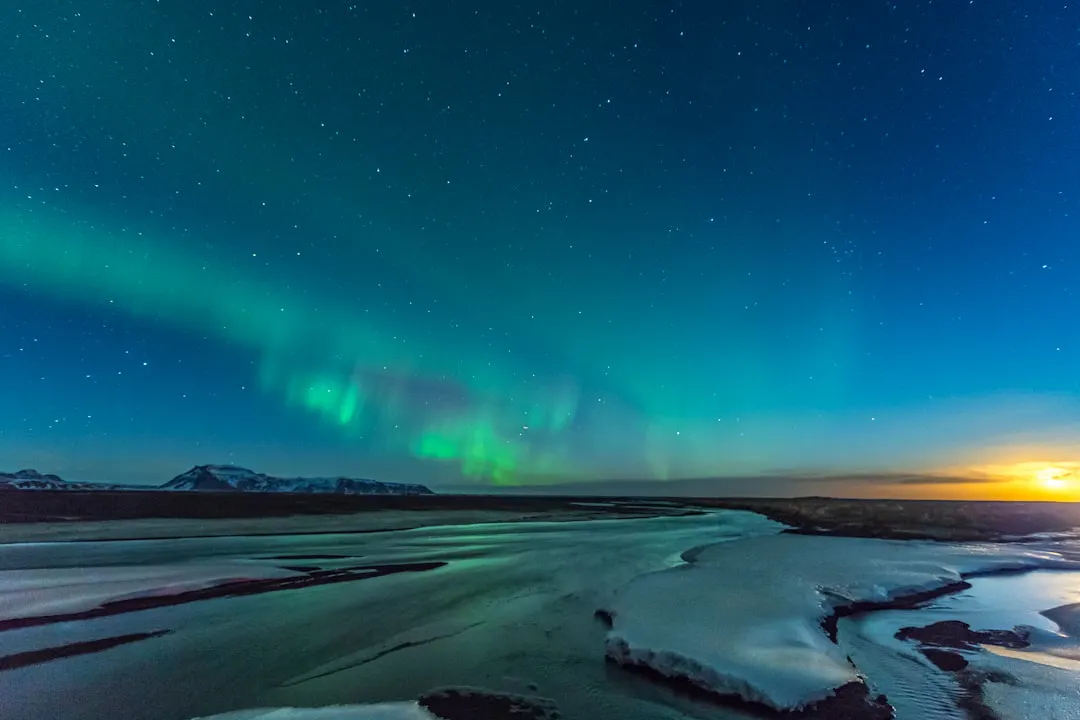
August nights in Iceland aren't fully dark — you're still in the tail end of the midnight sun season — but by late August, darkness returns and the aurora borealis (norðurljós in Icelandic) begins to make appearances. If your trip extends into late August or you're planning a shoulder-season return, a northern lights tour from Reykjavik or the remote Westfjords puts you in prime position for curtains of green and purple dancing overhead. Pair that with the memory of the solar eclipse and you've had two of the rarest sky events imaginable in one country.
Practical Tips for Eclipse Day
Book accommodation along the totality path at least 12–18 months in advance — seriously, don't sleep on this. Eclipse travelers flood popular destinations, and Iceland's guesthouses and boutique hotels fill up fast. Get yourself a pair of ISO-certified eclipse glasses; standard sunglasses will not protect your eyes during the partial phases. During totality itself, you can look directly at the sun without glasses, but the moment the first sliver of sunlight reappears, look away immediately.
Bring layers. Even in August, standing outside in a coastal wind for a few hours as the temperature dips during the eclipse can catch you off guard. And finally — put your phone down, at least for the two minutes of totality. Capture some footage if you must, but make sure you actually experience it with your own eyes. No Instagram post is worth trading for the real thing.
Book Your Iceland Eclipse Experience Now
Whether you're after a guided eclipse viewing tour, a glacier hike, a whale watching excursion, or an ice cave adventure under Vatnajökull, Iceland in August 2026 is going to be utterly unforgettable. The eclipse is the headline act, but Iceland's landscape, culture, and sheer dramatic scale mean every day of your trip will feel like the main event. Start planning early, stay flexible on the day, and get ready for something you will never, ever forget.

