Þingvellir National Park: History, Geology and What to Actually Do There
Þingvellir is Iceland's only UNESCO World Heritage Site and sits on an active tectonic rift. Here's what to see and how long to spend there.

Þingvellir (pronounced 'Thing-vet-lir') is the only place in Iceland — and one of very few places on Earth — where you can stand on dry land directly on the Mid-Atlantic Ridge and see the gap between the North American and Eurasian tectonic plates with your own eyes. That alone makes it worth the 45-minute drive from Reykjavík. The fact that it's also the birthplace of the world's oldest parliament adds another layer that most visitors don't fully appreciate before they arrive.
Iceland's Alþingi — the national parliament — was established at Þingvellir in 930 AD and met here every summer for centuries. This wasn't just a political gathering; it was the social and legal centre of Icelandic society, where disputes were settled, laws were recited aloud from the Lögberg (Law Rock), and traders set up camp for weeks at a time. The site was designated a UNESCO World Heritage Site in 2004, recognising both its cultural significance and its geological importance.
What You'll Actually See at Þingvellir
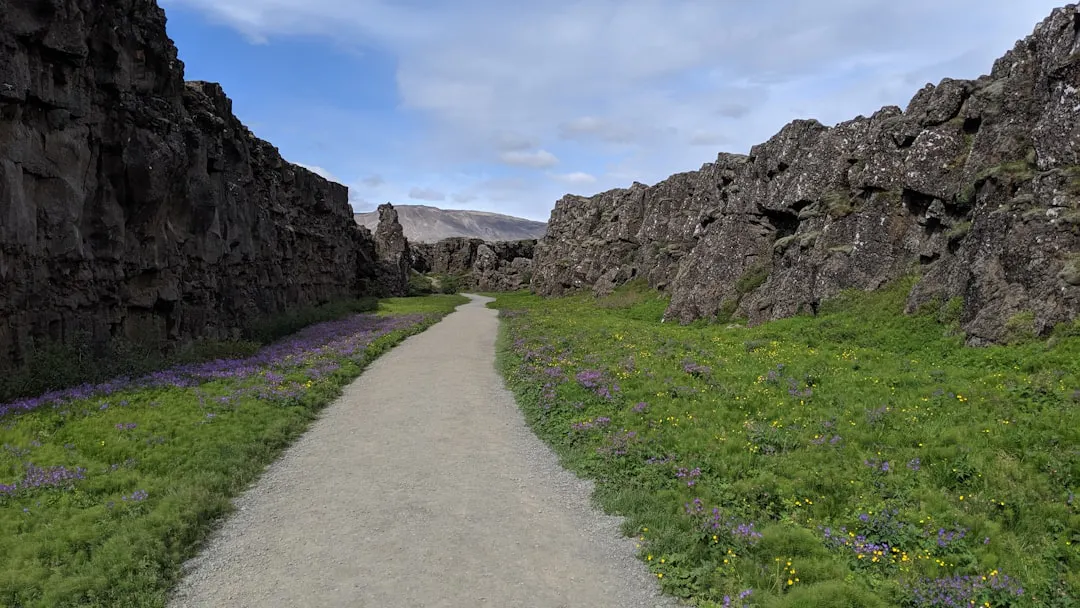
The most visible feature is Almannagjá, a dramatic rift gorge that marks the edge of the North American tectonic plate. You walk along the bottom of it on a paved path, with basalt walls rising on either side. The plates are pulling apart at roughly 2 centimetres per year, and the entire valley floor is slowly sinking as a result — it has dropped around 40 metres over the past 10,000 years. There are information boards along the path that explain what you're looking at, which genuinely help.
The Öxará river runs through the site and feeds into Þingvallavatn, Iceland's largest natural lake at 84 square kilometres. The lake is exceptionally clear — visibility underwater can reach over 100 metres in places — which is why Silfra, a fissure that fills with glacial meltwater filtered through lava rock for decades, is one of Iceland's most popular snorkelling and diving spots. You can book snorkelling tours directly from the national park visitor centre area, or through operators based in Reykjavík.
The Lögberg, where the Law Speaker would recite the law each year, is marked with an Icelandic flag. It's not a dramatic ruin or monument — just a rocky outcrop — but standing there knowing what happened on that spot for over 300 years is genuinely interesting if you've read a little about it beforehand.
Related experiences


Snorkelling Silfra: What to Know Before You Book
Silfra is one of the few places in the world where you can snorkel or dive directly in the crack between two tectonic plates. The water temperature stays between 2°C and 4°C year-round, so you'll wear a drysuit regardless of when you visit. Tours typically last around 3 hours in total, with around 30-45 minutes in the water. No diving certification is required for snorkelling, though scuba diving tours do require an open water qualification.
Visibility in Silfra is extraordinary — often cited as over 100 metres — and the water comes from Langjökull glacier, filtered through porous lava rock for an estimated 30 to 100 years before reaching the fissure. It's some of the clearest fresh water on Earth. Book in advance, especially in summer; spots fill up weeks ahead.
How Long to Spend at Þingvellir
If you're walking Almannagjá, visiting the church and the historical assembly area, and spending time at the lake viewpoint, allow at least 2 hours. If you're adding a snorkelling tour, that's a full half-day minimum. Most people visit Þingvellir as the first stop on the Golden Circle route, which also takes in Geysir and Gullfoss — in that case, don't rush here to squeeze in more time at the waterfall. Þingvellir rewards a slower pace.
The visitor centre has good facilities including toilets, a café, and an exhibition on the park's history and geology. Parking requires a fee (currently managed through a parking app or on-site payment — check current rates before you go, as these are updated periodically). Entry to the national park itself is free.
When to Visit
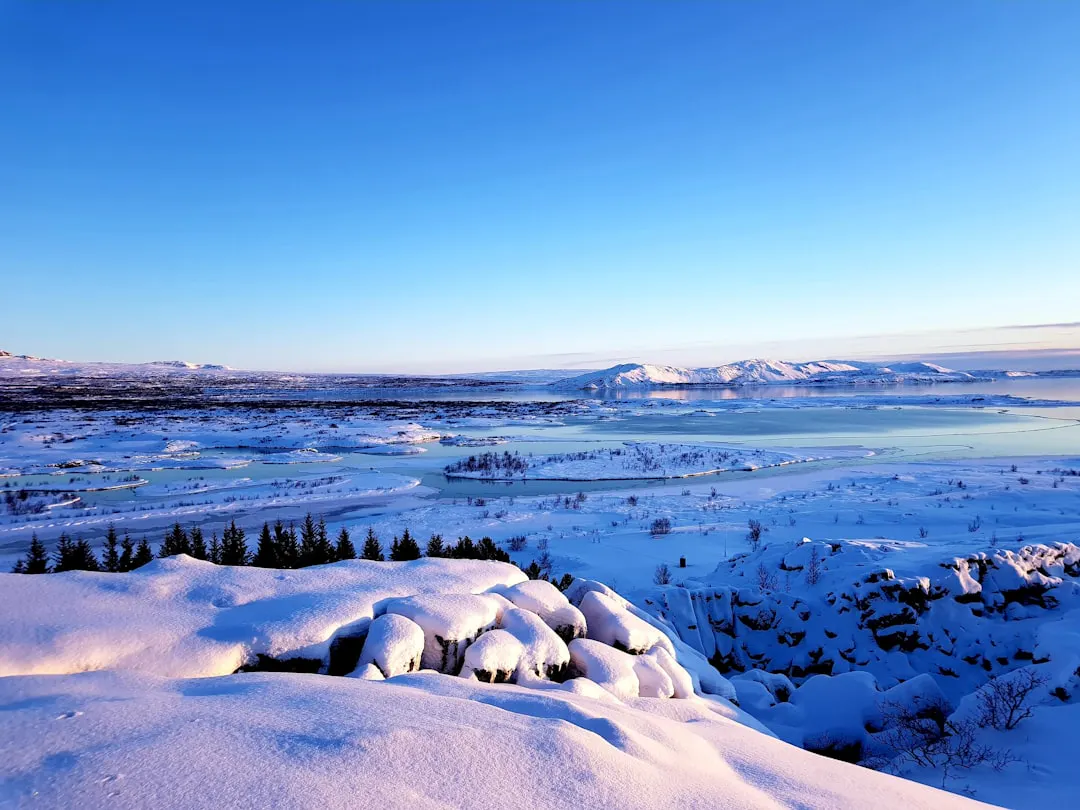
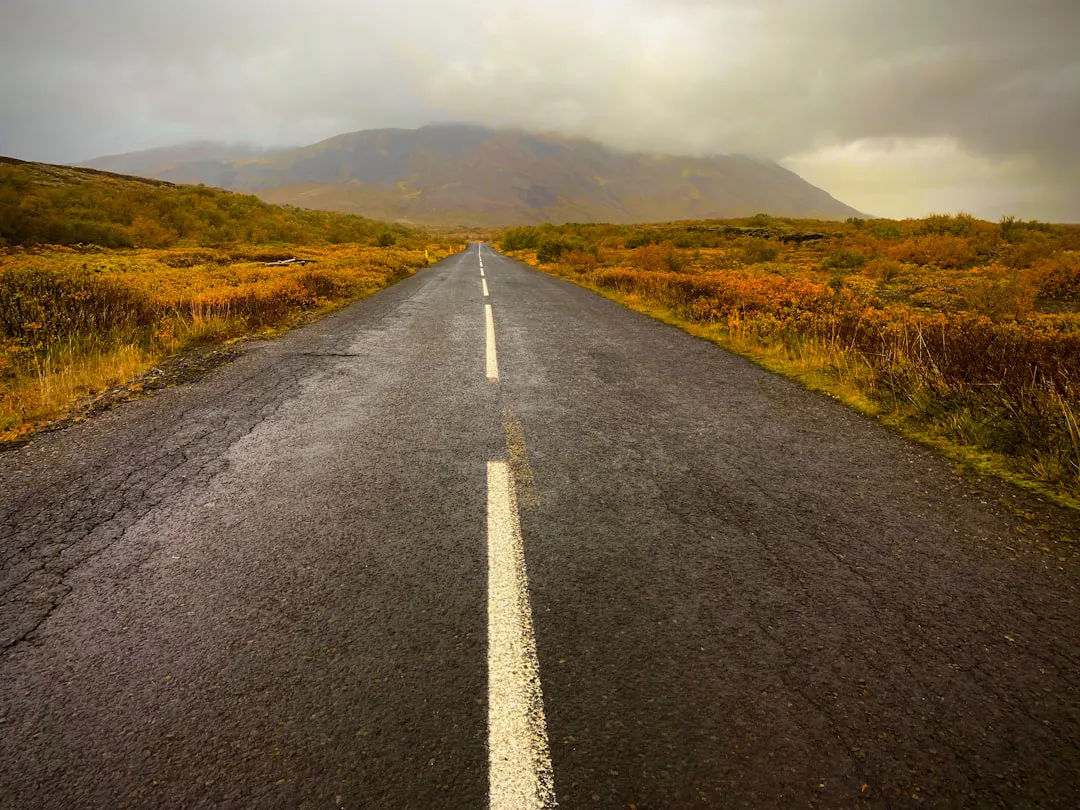
Þingvellir is open year-round, and each season has a genuine case for it. Summer gives you the midnight sun and lush green scenery along the rift. Autumn turns the low shrubs and birch trees rust and gold — the colours along Almannagjá in late September are worth timing a trip around. Winter brings snow and the possibility of seeing the northern lights over the lake, and the site is significantly quieter. Spring is unpredictable but the park starts to green up from late April.
For snorkelling, summer is more comfortable (slightly warmer air temperature, even if the water never changes), but the experience itself is the same year-round. Winter snorkelling tours do run, and some people prefer the quieter conditions.
Getting There and Practical Tips
Þingvellir is about 45 kilometres northeast of Reykjavík, around a 45-minute drive via Route 36. It's the standard first stop on Golden Circle day trips, and most guided Golden Circle tours from Reykjavík will stop here for 45 minutes to an hour. If you're self-driving, you'll have more flexibility to linger.
One thing most visitors miss: the viewpoint at the top of the rift, above Almannagjá, gives you a completely different perspective on the scale of the geological rift and the valley below. It's a short walk from the main car park and worth doing before you descend into the gorge. The view down the full length of the rift towards the lake is one of the clearest illustrations of just how large this landscape actually is.

