Reynisfjara Black Sand Beach: Everything You Need to Know
Published
Reynisfjara is Iceland's most dramatic coastline — but it's also one of its most dangerous. Here's how to visit safely and make the most of it.

Reynisfjara, near the town of Vík í Mýrdal on Iceland's South Coast, is one of the most visited beaches in the country — and one of the most genuinely hazardous. The waves here can kill. That's not alarmism; several tourists have died at Reynisfjara due to what locals call 'sneaker waves' — sudden, powerful surges that travel much further up the beach than expected. Before anything else, know the rule: never turn your back on the water, and stay well back from the shoreline.
Now that's clear, here's why it's worth the trip. The beach sits about 180 kilometres from Reykjavík, roughly a 2.5-hour drive along the Ring Road. Most people visit as part of a South Coast day tour, which also takes in Seljalandsfoss and Skógafoss waterfalls, making for a full and very manageable day out.
What You'll Actually See
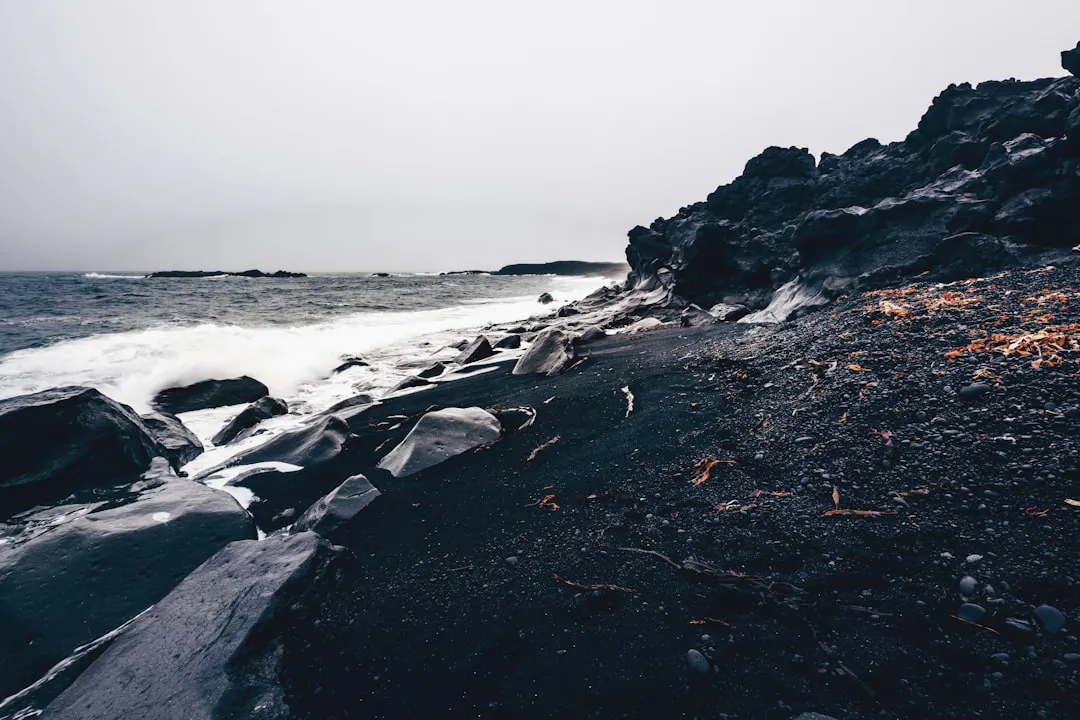
The beach is made up of dark volcanic sand and pebbles, backed by a cave called Hálsanefshellir and a wall of hexagonal basalt columns. The columns form when lava cools slowly and evenly — the geometry is a natural result of the process, not a coincidence. They're stackable-looking and genuinely impressive up close. Plan to spend some time in and around the cave, where the columns are at their most photogenic.
Offshore, you'll see the Reynisdrangar sea stacks — three basalt columns rising from the water. According to Icelandic folklore, they're the remains of trolls caught by sunrise while trying to drag a ship ashore. Whether you buy the legend or not, they make for a strong focal point, especially in low light.
In summer, the cliffs above the beach are home to puffins. They nest in burrows in the cliff face and are easiest to spot between June and mid-August. Bring binoculars if you have them — they're small and fast.
Related experiences


When to Visit
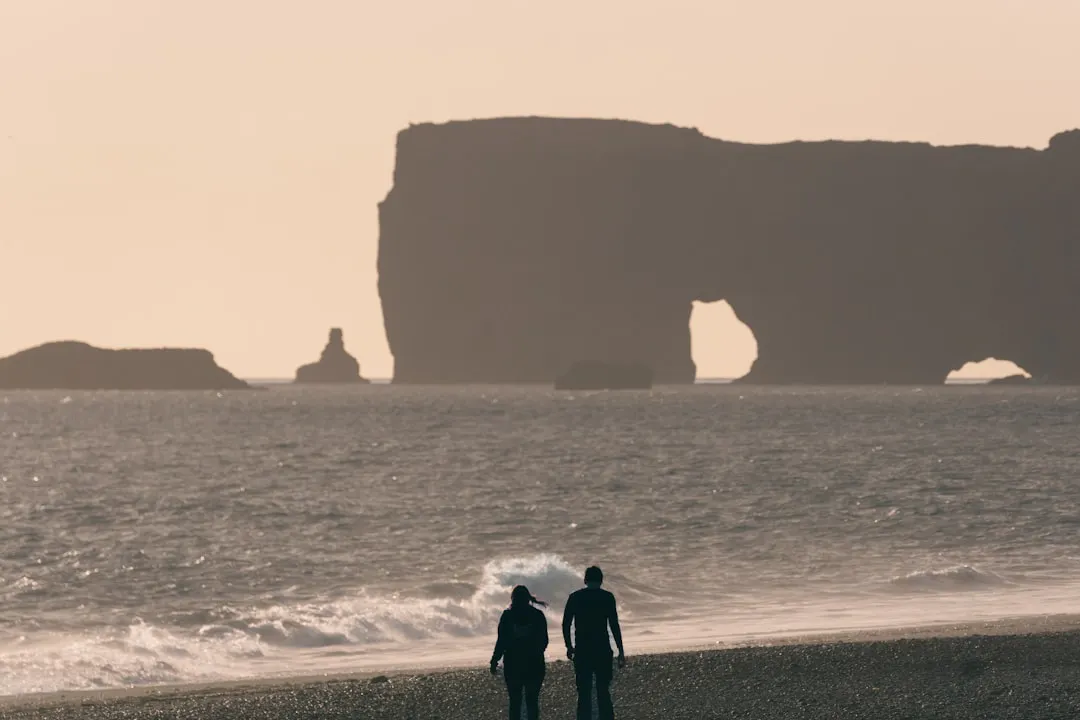
Reynisfjara is accessible year-round. Summer gives you long daylight hours and the puffins. Winter visits are shorter on light but often more dramatic — rough seas, moody skies, and far fewer people. The car park and facilities (there's a small café and toilets on site) are open regardless of season, though hours vary.
If you're visiting in summer and want to avoid the busiest periods, aim to arrive early morning or later in the evening. The beach stays light well past 10pm in June and July, and the crowds thin out considerably after 6pm.
The Wave Risk — Take It Seriously
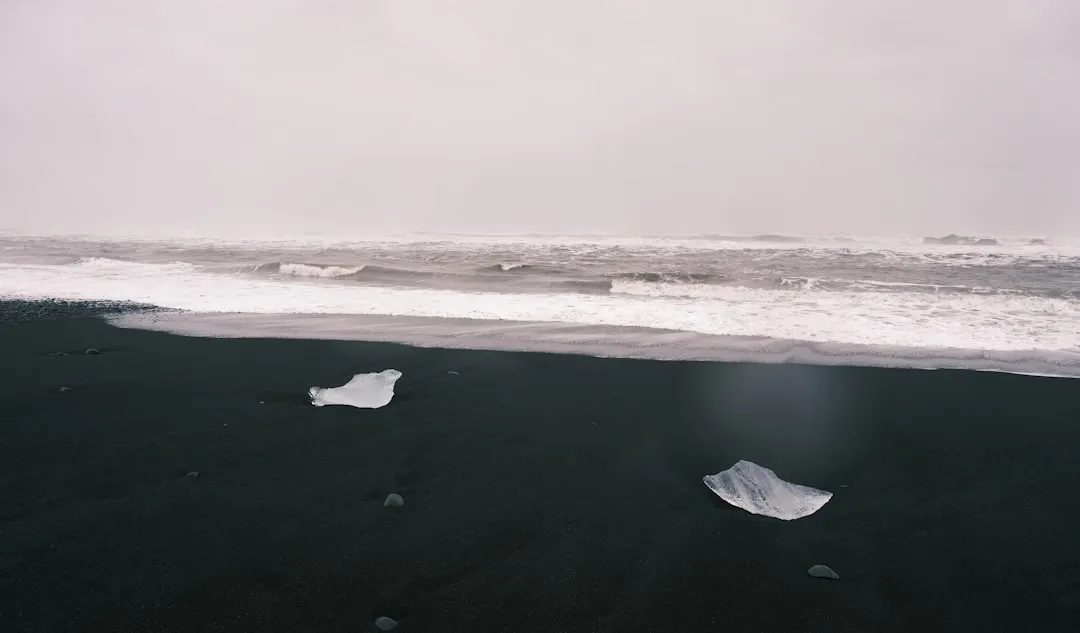
Sneaker waves at Reynisfjara are not a remote possibility. Warning signs are posted throughout the beach, and there's a colour-coded flag system indicating daily sea conditions. Green means calmer seas; red means stay well back. Even on green flag days, the advice is the same: keep at least 30 metres from the waterline and never walk down towards the waves.
The sand slopes steeply into the water, which means waves retract fast and can pull you off your feet. Children should be kept close and away from the water's edge entirely. This is non-negotiable.
Getting There
Reynisfjara is signposted off Route 1 (the Ring Road), just before you reach Vík coming from Reykjavík. The turn takes you down Route 215 to a large, free car park. It's an easy drive with no off-road sections required — a standard rental car is fine in most conditions, though winter driving on Icelandic roads always warrants extra caution.
If you'd rather not drive, South Coast day tours from Reykjavík stop here as a matter of course. It's one of the most reliably included stops on any tour covering the area.
Practical Tips
The café at the car park serves hot food and drinks, which you'll want in any season — the wind off the Atlantic is cold even in July. Dress in layers, bring a waterproof jacket, and wear shoes you don't mind getting sandy.
Spend at least an hour here, more if you're into photography or want to properly explore the cave and columns. Most tour groups rush through in 30-40 minutes. If you're self-driving, you have the flexibility to linger — use it. The light changes fast, and the beach looks completely different in sun versus cloud cover.
If Reynisfjara is on your itinerary, consider booking a guided South Coast tour that gives you more time at each stop rather than a whistle-stop overview. A good guide will also keep an eye on sea conditions and steer the group accordingly, which is worth more than it sounds.

