Midnight Sun in Iceland: What to Expect and When to Go
Published
Iceland's midnight sun means daylight around the clock from late May to late July. Here's what it actually feels like — and how to make the most of it.

Around the summer solstice on 21 June, Reykjavík gets roughly 24 hours of daylight. The sun doesn't set — it dips toward the horizon around midnight, turns everything a deep amber, then climbs straight back up. If you've never experienced it, the first night will mess with your head in the best possible way.
When Does the Midnight Sun Happen in Iceland?
The midnight sun season runs roughly from late May through late July. Reykjavík sits just south of the Arctic Circle, so the sun technically does set — but only for an hour or two, and civil twilight means it never gets fully dark. In the north of Iceland, particularly around Grímsey island, which straddles the Arctic Circle, the sun genuinely doesn't set at all for a few weeks around the solstice.
The peak window most visitors aim for is mid-June to early July. You'll have maximum daylight, plus the weather tends to be drier and warmer than shoulder months. June averages around 11-13°C in Reykjavík, which isn't warm by most standards, but it's the best Iceland reliably offers.
Related experiences


What It Actually Does to You
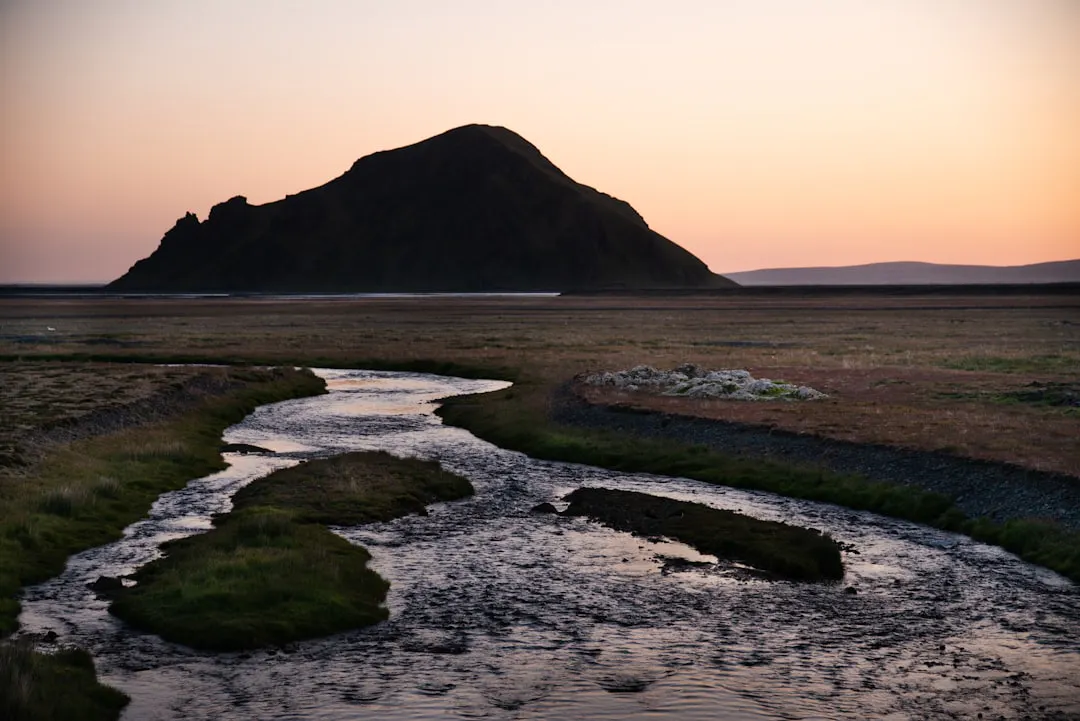
Your body runs on light cues. When it's bright at 1am, your brain doesn't want to sleep, and most first-timers underestimate how much this affects them. By day three, plenty of travellers find themselves hiking at midnight simply because it looks like 5pm outside and there's no reason not to.
Bring a proper sleep mask. Hotels and guesthouses in Iceland are used to this — many rooms have blackout curtains — but if you're camping or staying somewhere without them, a sleep mask is non-negotiable. Don't assume you'll just adjust naturally; some people don't.
The Best Places to Watch the Midnight Sun
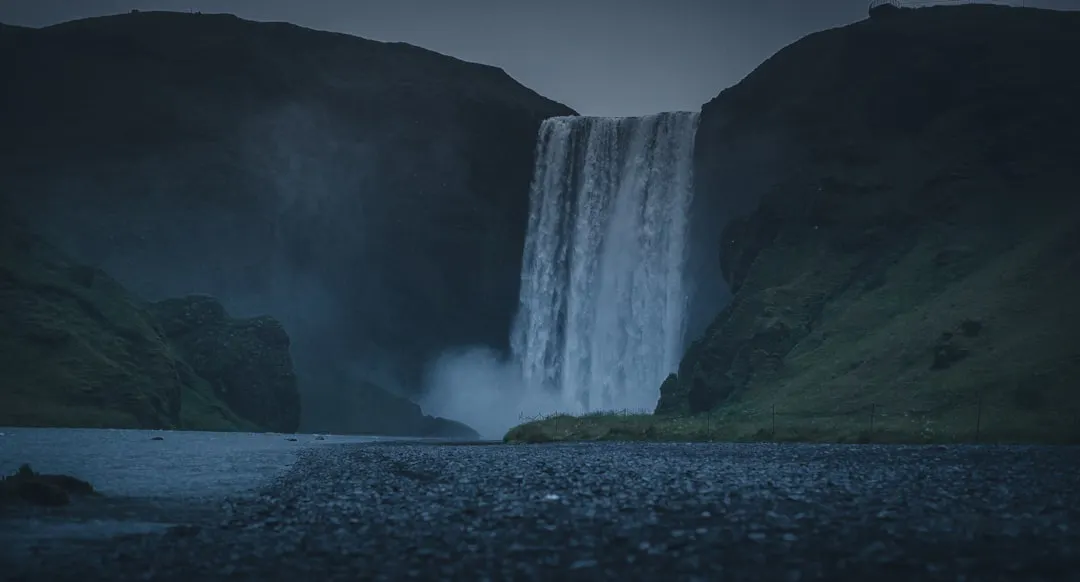
You can watch the midnight sun from anywhere in Iceland, but some spots are worth going out of your way for. The Snæfellsnes Peninsula, about 2.5 hours from Reykjavík by car, offers dramatic coastal scenery with Snæfellsjökull glacier as a backdrop — the light around 11pm-1am there is genuinely unlike what you'd get mid-afternoon.
The highlands around Landmannalaugar are another strong option if you're visiting in July when the F-roads are open. The coloured rhyolite mountains look completely different under midnight light, and the area is far enough from Reykjavík that you'll have real quiet. That said, Landmannalaugar requires a 4WD — don't attempt the F-roads in a standard rental car.
Closer to the capital, the Reykjanes Peninsula and the cliffs at Hafnarberg are accessible without a 4WD and give you unobstructed views over the Atlantic. It's about a 40-minute drive from Reykjavík.
Þingvellir at Midnight
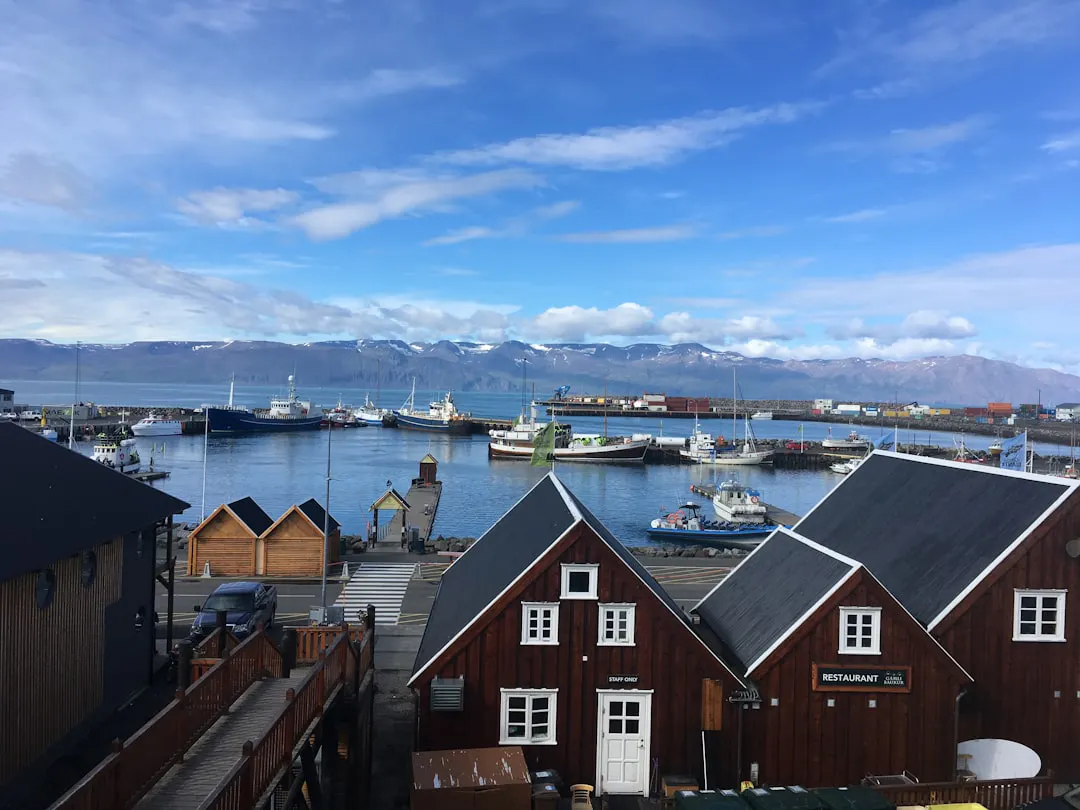
Þingvellir (roughly pronounced 'Thing-vet-lir') National Park is 45 minutes from Reykjavík and part of the Golden Circle route. During summer it stays light all night, and because most tour buses clear out by early evening, you'll often have the rift valley almost to yourself after 9pm. The walking paths along the Almannagjá rift are open continuously.
Touring During Midnight Sun Season
One real advantage of the midnight sun is that tour operators run later slots than you'd find anywhere else. Whale watching departures out of Reykjavík and Húsavík push into the evening hours during summer, and the light makes spotting easier. Puffin tours on Lundey island, just a short boat ride from the old harbour in Reykjavík, also run late — puffins are active in the evenings and the soft light makes for better photos than midday.
Golden Circle day tours run throughout summer, but if you can book a late afternoon departure, you'll hit Geysir and Gullfoss as the crowds thin and the light turns golden. Strokkur erupts every 5-10 minutes regardless of time of day, but the angle of the midnight sun can put a real backlit glow on the water column.
One Practical Thing Most People Get Wrong
Time management falls apart during midnight sun. Because it never looks late, people routinely push plans by two or three hours without noticing. If you have a morning activity — a glacier hike, a whale watching tour, a flight — set an alarm and stick to it. It sounds obvious, but plenty of travellers have missed early departures because they were still outside at 2am convinced it was only 10pm.
The flip side is that the extended light genuinely gives you more usable hours than a normal summer trip elsewhere. You can finish dinner at 9pm and still have time for a long evening hike before bed. Use that — it's the one thing Iceland in June does better than anywhere else.

