Hiking the Laugavegur Trail: A Hut-to-Hut Guide
Published
The 55 km Laugavegur Trail runs from Landmannalaugar to Þórsmörk over 4 days. Here's everything you need to plan it properly.

The Laugavegur Trail is 55 kilometres of volcanic ridges, geothermal fields, glacial rivers, and black obsidian desert. Most trekkers walk it in four days, staying in mountain huts each night — no tent required, though you can bring one. The trail runs from Landmannalaugar in the highlands south to Þórsmörk, and the elevation changes enough that you'll earn every kilometre.
This guide is written for people walking it on foot. If you're hoping to drive the F-roads to each trailhead, that's a separate conversation. For everyone else, here's how to plan it.
When to Go
The trail is open from late June to mid-September. The Ferðafélag Íslands (Icelandic Touring Association, known as FÍ) and Útivistur run the huts, and they only open for this window. Outside it, weather and snowpack make the trail genuinely dangerous. Mid-July to mid-August is the busiest period — the huts fill up fast and the river crossings are at their lowest. Early June openings can mean significant snowfields on the higher sections. September is quieter and the autumn colours on the rhyolite hills are worth it, but check conditions carefully.
Related experiences


Booking Huts in Advance
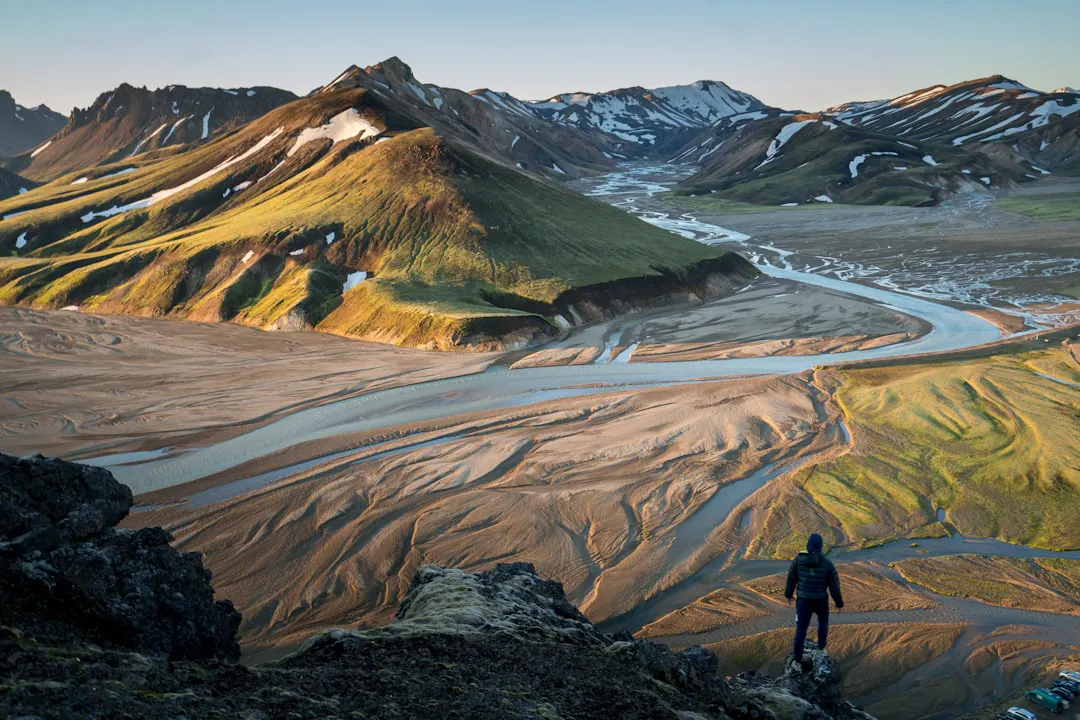
This is the single most important logistical step. FÍ hut bookings open in January each year and the popular dates sell out within hours. Do not show up without a reservation hoping for space — the huts are small and the wardens will not bump other guests. Book at fi.is as soon as reservations open.
The main huts along the route are at Landmannalaugar, Hrafntinnusker, Álftavatn, Emstrur (Botnar), and Þórsmörk (Básar or Langidalur). Each stage ends at one of these huts. Sleeping bag space in dormitory-style huts is the standard option; some locations have limited private rooms. Cooking facilities are available at all huts, so you can carry food and use the kitchens rather than paying for meals.
The Four Daily Stages
Day 1: Landmannalaugar to Hrafntinnusker — 12 km
This is the shortest stage in distance but one of the most demanding. You gain significant altitude and spend most of the day above 1,000 metres on snow and ice — even in July, there are permanent snowfields here. Hrafntinnusker sits at around 1,100 metres and is surrounded by steaming fumaroles. The hut is basic but the setting is unlike anything else on the trail. Allow 4-5 hours.
Day 2: Hrafntinnusker to Álftavatn — 12 km
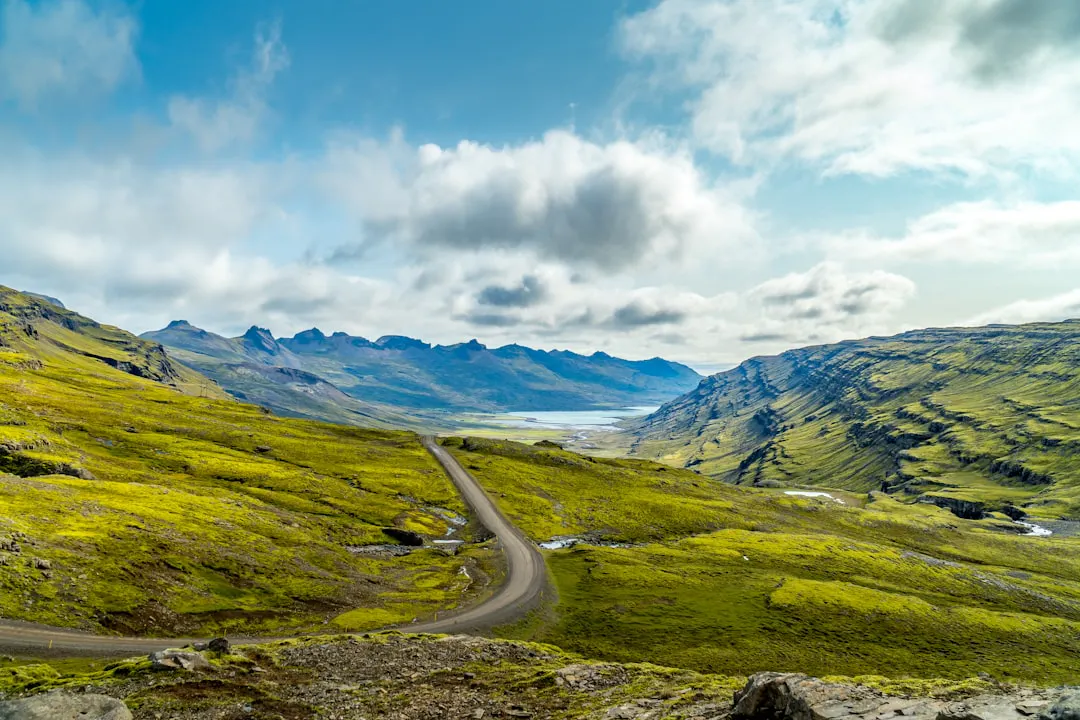
The trail drops off the plateau and the landscape shifts dramatically from black and white to green valley. You'll pass the Jökultungur ridge with views of several glaciers, then descend to Álftavatn, a small lake where the hut sits right on the shore. This is most people's favourite camp. Allow 4-5 hours.
Day 3: Álftavatn to Emstrur — 15 km
The longest stage. You cross the Blautakvísl river early on — this is a proper wade, not a stepping-stone crossing. Trekking poles and a dry bag for your phone are sensible. The trail then crosses the Mælifellssandur, a black sand and gravel desert that feels completely different from the lush valley you left. Emstrur (also called Botnar) sits near a dramatic canyon called Markarfljótsgljúfur — worth the short detour to the viewpoint before dinner. Allow 5-7 hours.
Day 4: Emstrur to Þórsmörk — 15 km
The final day brings you down into the birch woodland of Þórsmörk, one of the few naturally forested areas in Iceland. There are more river crossings on this stage. The trail ends at either Básar or Langidalur hut — both are in Þórsmörk, about 2 km apart. From Þórsmörk, you leave by bus, not on foot — private vehicles cannot cross the Krossá river without a specialised 4WD.
River Crossings
Several crossings on the trail are unbridged. Water levels vary by day and by season, and a crossing that was knee-deep in the morning can be thigh-deep by afternoon due to glacial melt. The standard advice is to cross in the morning, unbuckle your pack's hip belt and chest strap before entering the water, use a trekking pole on your upstream side, and face slightly downstream as you wade. Never cross alone if you can avoid it — groups can link arms for stability. If a crossing looks wrong to you, wait it out or turn back.
Gear You Actually Need
Waterproof boots are non-negotiable — your feet will be wet on crossing days regardless, but the trail between crossings is rough and wet enough that trail runners will leave you miserable. Bring gaiters for the snowfields on Day 1. Layers matter more than a single heavy jacket: temperature can drop quickly on the plateau even in August. Trekking poles earn their weight on descents and river crossings. A dry bag or waterproof liner for your pack is worth carrying for crossings.
The huts provide mattresses, pillows, and blankets at some locations, but check when you book — many require you to bring a sleeping bag liner or lightweight sleeping bag.
Getting to Landmannalaugar and Out of Þórsmörk
There are no paved roads to either end of the trail. Reykjavík Excursions and Trex both run scheduled highland buses from Reykjavík and BSÍ bus terminal to Landmannalaugar and Þórsmörk during the summer season. Book your bus at the same time as your huts — seats fill up. The journey from Reykjavík to Landmannalaugar takes roughly 3-4 hours depending on the route.
One Practical Tip
Most people walk south — Landmannalaugar to Þórsmörk — because it's logistically easier with the bus connections and the elevation profile works slightly better in that direction. If you want a quieter experience on the trail, walk north. You'll pass the crowds heading the other way, but the hut bookings are the same either direction. Either way, the crossing of Hrafntinnusker on your first or last day is the section people talk about most — give yourself time to walk slowly through it.

