Jökulsárlón Glacier Lagoon: A Complete Visitor Guide
Published
Everything you need to know before visiting Iceland's most magical glacier lagoon — from ice cave tours to the famous Diamond Beach.

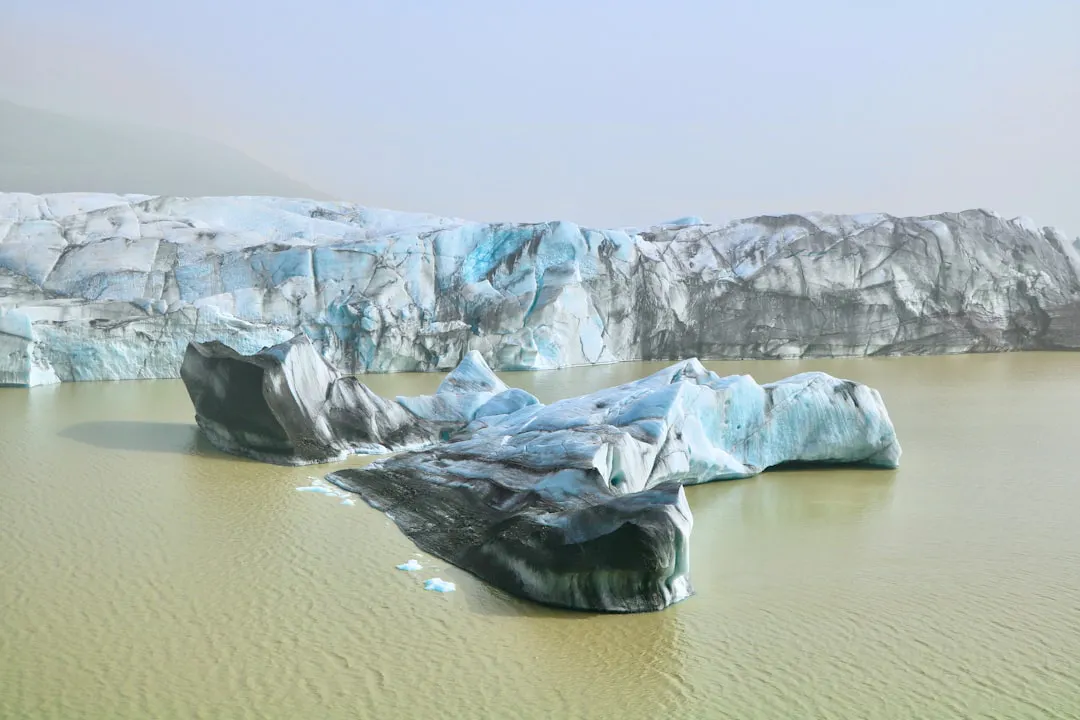
I'll be honest with you — I thought I was prepared for Jökulsárlón. I'd seen the photos, watched the YouTube vlogs, even studied the GPS coordinates. But nothing — and I mean nothing — prepares you for the moment you actually pull over on the Ring Road and see hundreds of ancient blue icebergs drifting silently across a jet-black lagoon toward the open Atlantic. It's one of those places that makes you forget to breathe.
Jökulsárlón (pronounced something like 'yo-kul-sar-lon', and yes, it took me three days to say it right) translates roughly to 'glacial river lagoon.' It sits in southeast Iceland at the edge of Vatnajökull, Europe's largest glacier, and it has been growing rapidly since the 1970s as climate change accelerates the calving of Breiðamerkurjökull glacier. At roughly 250 metres deep in places, it's also the deepest lake in Iceland. So when people call it a natural wonder, they're not being dramatic.
Getting There: Your Base for Exploring
Jökulsárlón is located about 378 km from Reykjavík along Route 1, the famous Ring Road. Most visitors do it as part of a South Coast road trip, stopping at Skaftafell, Svartifoss waterfall, and the basalt columns at Reynisfjara black sand beach along the way. The drive from Reykjavík takes roughly 4.5 to 5 hours without stops, so if you want to do it properly — and you do — plan for at least two days in the area. The nearest village is Höfn, about 80 km to the east, which has solid accommodation options and the best langoustine soup you'll ever eat. Don't skip dinner there.
Related experiences


What to Actually Do at Jökulsárlón
Walk Diamond Beach (Absolutely Non-Negotiable)
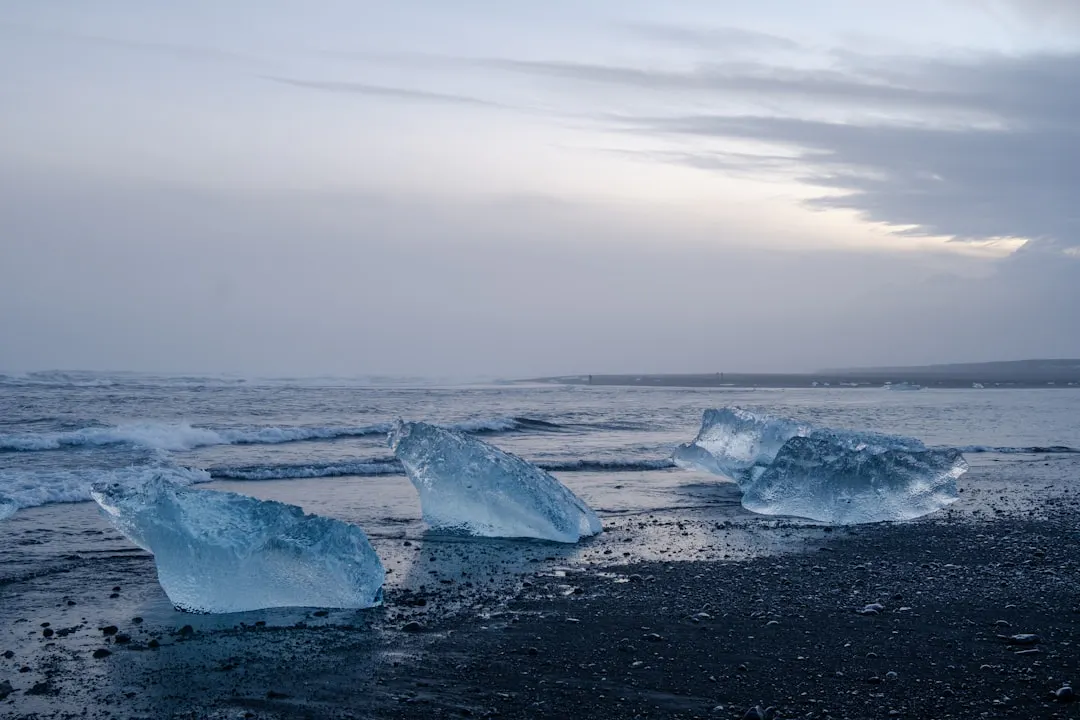
Just across the Ring Road from the lagoon, icebergs that have drifted out to sea wash back up onto a black sand beach, where they sit gleaming like scattered diamonds — which is exactly why locals call it Djúpalónssandur's more famous cousin, Diamond Beach. Early morning is magical here when the light is low and the ice catches the sunrise. Late afternoon can be just as stunning. Honestly, I spent two hours here and it felt like ten minutes.
Take an Amphibious Boat Tour
The boat tours that navigate directly among the icebergs are genuinely one of the best things you can do in Iceland. The amphibious vessels (called hjólabátar locally) drive right off the shore and into the water, letting you get right up close to ice that has been frozen for hundreds — sometimes thousands — of years. Guides chip off small pieces for you to taste, which sounds gimmicky until you're holding 1,000-year-old glacier ice in your hand. Book this in advance, especially in peak summer season, as spots fill up fast.
Go on a Glacier Hike on Vatnajökull
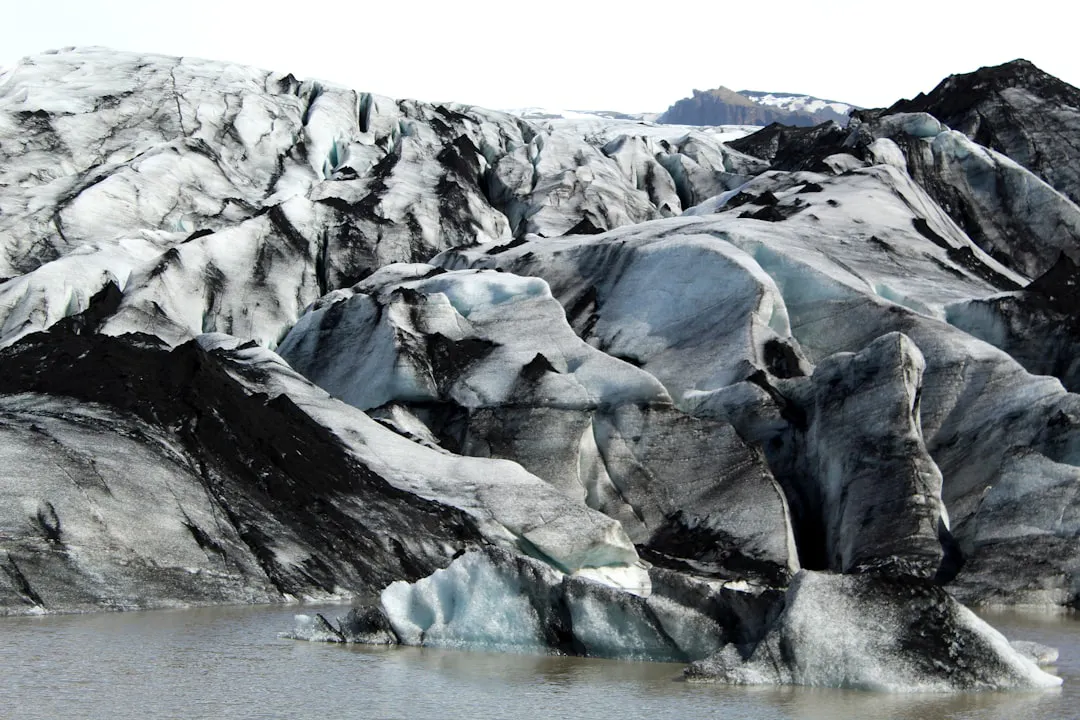
The Vatnajökull glacier itself is just a short drive from the lagoon, and glacier hiking here is unlike anything else. You strap crampons to your boots, grab an ice axe, and walk across a landscape that looks genuinely alien — deep blue crevasses, jagged ice ridges, and views that stretch forever. Guided glacier hikes range from short 2-hour introductory walks to full-day mountaineering adventures. If you have even a mild sense of adventure, do not skip this. It's the kind of experience that ends up being the centrepiece of your entire Iceland trip.
Explore an Ice Cave
Between roughly October and March, glacier guides lead tours into natural ice caves that form inside Vatnajökull. These aren't tourist-built tunnels — they're living, shifting caverns of deep blue and turquoise ice that form differently every single year. The most famous access point is near the Breiðamerkurjökull outlet glacier, and tours typically depart from the lagoon area. Ice cave tours book out weeks in advance during winter, so if this is on your list (and it should be), plan ahead and secure your spot before you even book your flights.
Timing Your Visit: What Nobody Tells You
Summer (June–August) gives you the midnight sun, calmer lagoon conditions, and easier access to glacier hikes. The lagoon is dazzlingly blue and the icebergs are at their most photogenic with 24 hours of soft golden light. Winter (November–February) trades the midnight sun for a shot at the northern lights dancing above the icebergs — an image so surreal it barely looks real in photos. Both seasons are spectacular in completely different ways. If your schedule is flexible and you can only go once, I'd say late September to early October gives you a bit of both: some lingering light, early season ice caves, and genuine northern lights possibilities without the full January cold.
Practical Tips Worth Knowing
Layers are your best friend. Even in July, the wind off the glacier can be biting, and standing on Diamond Beach for two hours means you'll be grateful for that extra fleece. Waterproof boots are essential — the beach and lagoon shore can be wet and slippery. The car park at Jökulsárlón fills up quickly in peak season, so aim to arrive before 9am or after 6pm if you want space and fewer crowds. There's a small café on site that serves lamb soup and hot drinks, which tastes like the greatest food you've ever eaten after a cold morning on the ice.
Don't Just Stop at Jökulsárlón
While you're in the area, the nearby Skaftafell Nature Reserve (part of Vatnajökull National Park) is absolutely worth a detour. The hike to Svartifoss — the waterfall framed by dramatic black basalt columns — takes about 1.5 hours return and is genuinely beautiful. Further east, the Stokksnes headland near Höfn gives you sweeping views of Vestrahorn mountain reflected in black sand pools, especially at low tide. It's one of Iceland's most photographed landscapes and wildly underrated compared to the crowds further west.
Book Your Jökulsárlón Experience the Smart Way
The honest truth about Jökulsárlón is that you could spend a single afternoon here and feel like you've seen it. But if you pair it with a glacier hike, an ice cave tour, and a proper night in Höfn, it becomes the anchor of one of the most memorable travel experiences of your life. 🧊 Whether you're planning a self-drive Ring Road adventure or want a guided tour that handles everything for you, QRTours has a range of Iceland experiences that'll get you up close to the ice, under the northern lights, and onto the glacier itself. The lagoon is waiting — and trust me, it's even better in person.

