Iceland Self-Drive vs Guided Tour: Which Is Right for You?
Published
Can't decide between renting a car or joining a guided tour in Iceland? Here's an honest breakdown to help you choose.

There's no single right way to see Iceland — but there is a right way for *you*. Whether you're a spontaneous road-tripper who wants to pull over whenever a waterfall catches your eye, or someone who'd rather hand the logistics to an expert and just enjoy the ride, Iceland works brilliantly both ways. The trick is knowing which style fits your trip.
I've spoken to hundreds of travellers who've done it both ways, and the honest truth is: both options have real strengths and real trade-offs. Let's dig into them.
The Case for a Self-Drive Trip
Freedom is the big one. On a self-drive trip, you set the pace. You can spend three hours at Skógafoss because the light is perfect, or skip a stop entirely if the weather turns. The Ring Road — Route 1 — circles the entire island and is well-maintained for most of the year, making Iceland one of the more accessible self-drive destinations in the world.
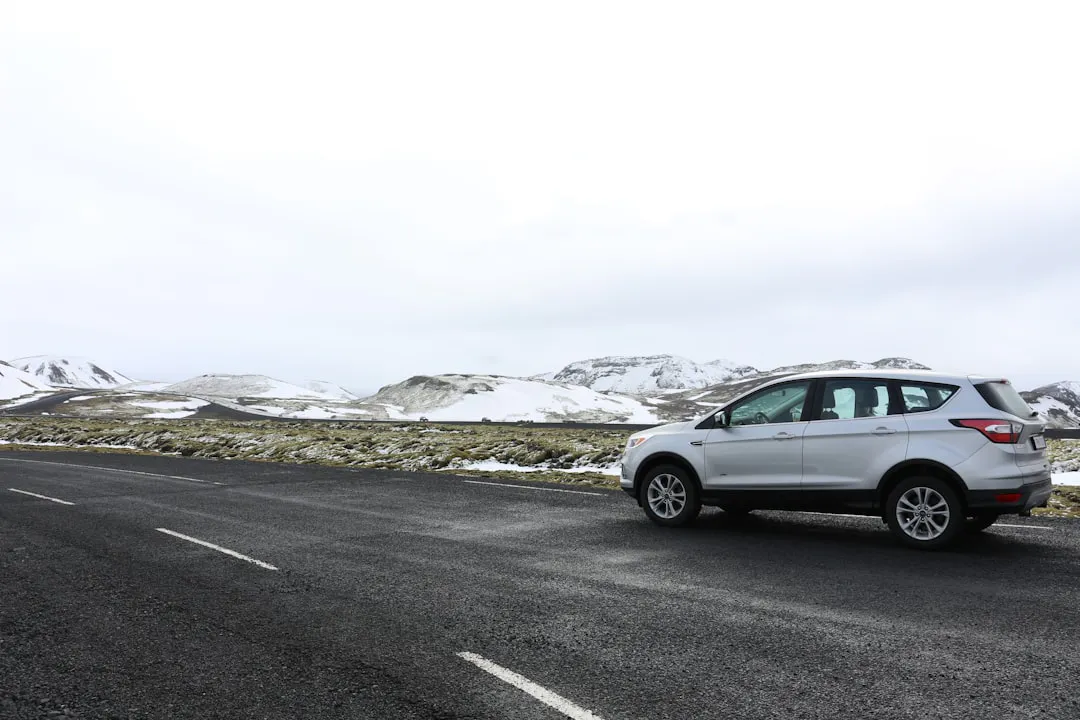
Iceland's road signage is clear and GPS works reliably across most of the country. Hiring a car is straightforward, and you'll find rental options ranging from compact cars for summer trips to serious 4WD vehicles for F-road highland driving in summer and autumn.
Self-driving is particularly good value if you're travelling as a group of three or four. Split between you, a rental car and accommodation often works out cheaper per person than a guided group tour — and you get far more flexibility.
Related experiences


Where self-drive works best
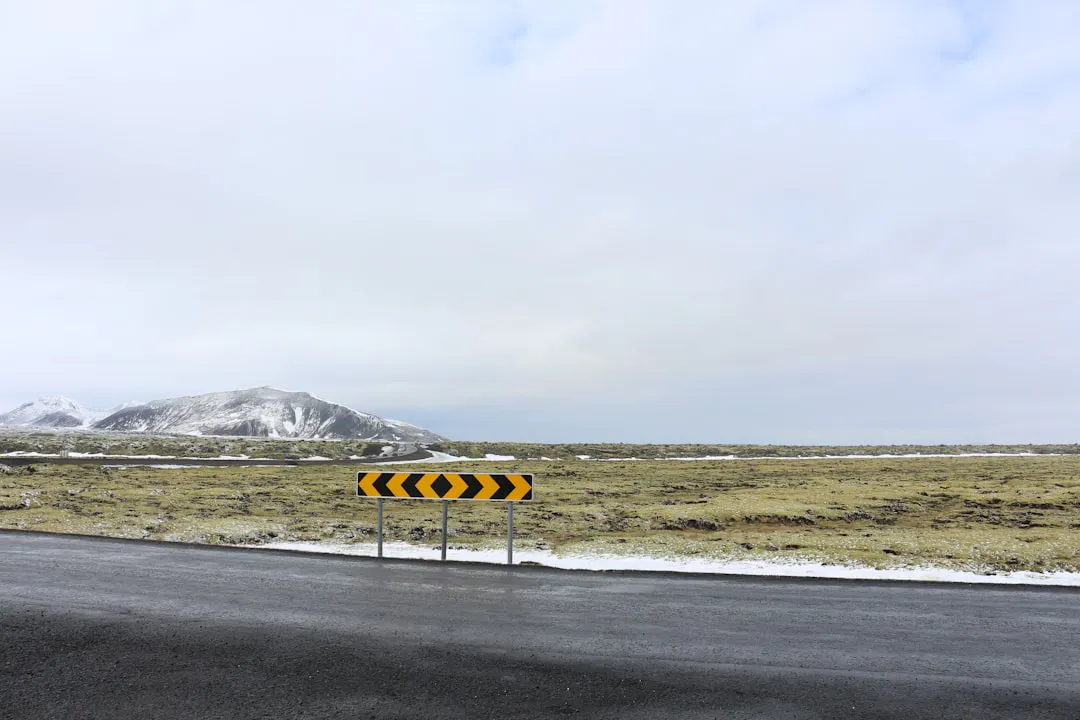
The South Coast is tailor-made for self-drive. Seljalandsfoss, Skógafoss, Reynisfjara black sand beach, and the Jökulsárlón glacier lagoon are all right off Route 1, so you're never navigating anything complicated. The Snæfellsnes Peninsula is another fantastic self-drive circuit — compact enough to do in a day or two, with dramatic scenery around every corner.
Where it gets trickier
Winter driving in Iceland is genuinely challenging. Ice, snow, and sudden weather changes are real hazards, and road closures happen fast. If you're visiting between November and March, you need to be comfortable driving in those conditions — and you need to check road.is obsessively. The Icelandic Met Office and Safetravel.is are your best friends if you're behind the wheel in winter.
The highlands are another consideration. F-roads (mountain tracks) are only open in summer, require a 4WD, and can be seriously remote. They're incredible, but not for the unprepared.
The Case for a Guided Tour
A good guide doesn't just drive you places — they tell you *why* those places matter. Iceland's geology, history, and folklore are genuinely fascinating, and having someone explain the tectonic forces behind Þingvellir (say: Thing-vet-lir) or the Norse roots of a local legend adds a whole layer to the experience.
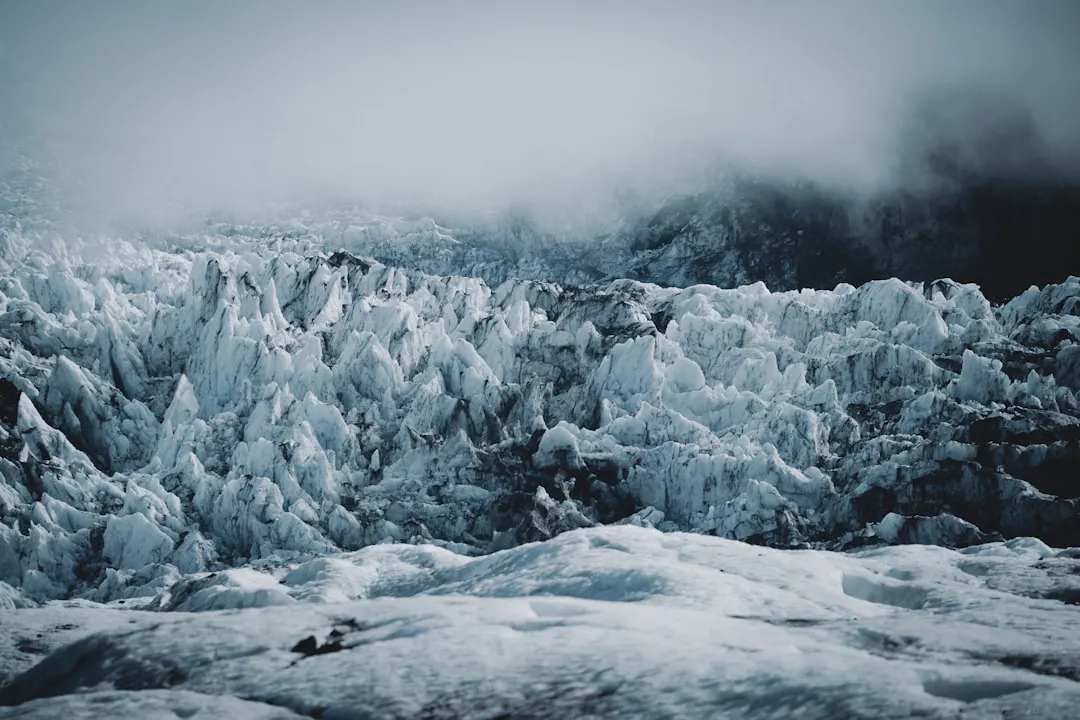
Guided tours also take the stress out of winter travel entirely. Ice cave tours in Vatnajökull, for example, are only accessible with a certified guide — the caves shift and change seasonally, and going without local expertise isn't just ill-advised, it's not permitted. The same goes for glacier hikes on Sólheimajökull or Skaftafell: crampons, ropes, and a knowledgeable guide aren't optional extras.
For solo travellers especially, joining a small group tour is a great way to meet people and share costs. Many of QR Travel's tours are small-group, which means you still get a personal feel without the isolation of going it alone.
Where guided tours really shine
Northern lights tours are a standout. Guides track forecasts and cloud cover in real time and know where to drive to find clear skies — something that's genuinely hard to replicate on your own when you're new to the country. Whale watching out of Húsavík or Reykjavík is another experience that's simply better with expert narration on board.
Multi-day guided tours along the Ring Road are also worth considering if your time is limited. A well-designed seven or eight-day tour covers an enormous amount of ground efficiently, without you having to research every overnight stop or worry about booking accommodation in peak season.
Cost: What's the Real Difference?
This depends heavily on how you travel. A self-drive trip gives you control over your budget — you can camp, cook some of your own meals, and choose when to splash out. But factor in car hire, fuel (petrol is expensive in Iceland), insurance, and accommodation, and the costs add up quickly.
Guided tours bundle most of that together, which makes budgeting easier. You know what you're paying upfront. The per-day cost of a guided tour can look steep at first glance, but when you account for accommodation, transport, and activities, it's often more competitive than people expect.
So, Which Should You Choose?
Go self-drive if you're travelling in summer, you're confident behind the wheel, and you want total flexibility. It's the best way to find your own rhythm in Iceland and venture beyond the well-worn tourist trail at your own pace.
Choose a guided tour if you're visiting in winter, if this is your first time in Iceland, or if there are specific experiences — ice caves, glacier hikes, northern lights — where expert guidance genuinely transforms the trip. You can also mix both: spend a few days on a guided tour to get your bearings, then hire a car for the rest of your trip.
My practical tip: whatever you decide, book accommodation early if you're visiting between June and August. Iceland's most popular spots fill up fast, and turning up without a reservation in high season is a gamble you probably don't want to take. 🗺️

