Iceland on a Budget: How to See More and Spend Less
Published
Iceland doesn't have to cost a fortune. Here's how savvy travellers explore volcanoes, waterfalls, and hot springs without blowing the budget.

Let's be honest — Iceland has a reputation for being expensive, and it's not entirely undeserved. But after years of exploring this country, I can tell you that the gap between a costly trip and an affordable one often comes down to timing, planning, and knowing where the locals actually go.
The good news? Most of Iceland's best experiences are completely free. The landscapes, the hot springs, the midnight sun — none of that charges an entry fee. Here's how to make the most of your króna.
Travel in the Shoulder Season
If you can travel in May, early June, or September, you'll find significantly lower prices on flights and accommodation compared to peak July and August. The weather is still very manageable, the roads are largely open, and you'll share popular spots with far fewer people.
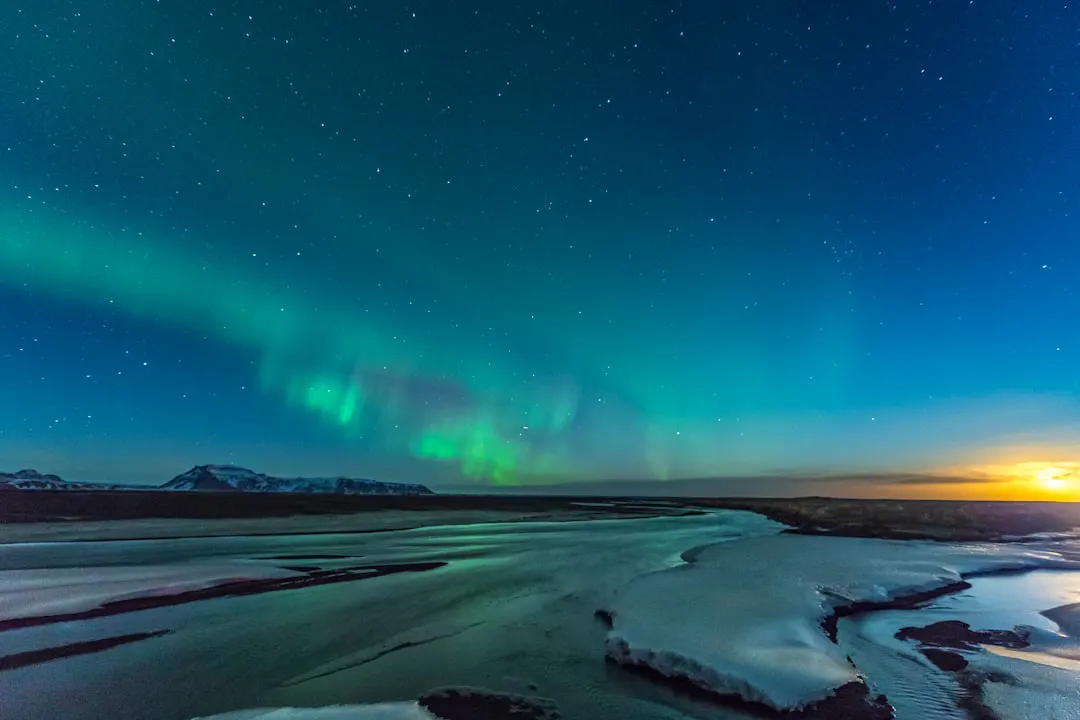
September is a personal favourite — you get the first real chance of northern lights after the bright summer nights, autumn colours on the highlands, and noticeably quieter car parks at places like Seljalandsfoss and Skógafoss. It's one of the best-value months to visit.
Related experiences


Sleep Smart: Guesthouses, Hostels, and Camping
Reykjavík hotels can be expensive, but the city has solid hostel options and guesthouses that are far more reasonable. If you're comfortable with a shared bathroom and a social atmosphere, hostels are a genuinely good option — and many offer private rooms too.
Camping is arguably the best budget move in Iceland. The country has a well-maintained network of campsites, and from roughly June through August the conditions are suitable for tents. A camping pass — available through Camping Card Iceland — can cover multiple campsites across the country for a flat fee, which works out significantly cheaper than booking individual pitches each night. Always check current pricing and availability directly with the provider before booking.
If you're hiring a campervan, compare the all-in cost against flights plus hostel beds. For groups of two or three, a campervan often works out cheaper than you'd expect, and it eliminates the need to book accommodation every night.
The Supermarket Is Your Best Friend
Eating out in Iceland adds up fast. A sit-down dinner in Reykjavík can easily run to 4,000–6,000 ISK or more per person, and that's before drinks. Picking up groceries from Bónus (the budget supermarket with the pink pig logo) or Krónan makes a massive difference over the course of a week.
I usually do a big shop on the day I arrive — bread, cheese, skyr, fruit, instant oats, and a few easy dinner options. Skyr, Iceland's thick dairy product similar to yoghurt, is cheap, filling, and genuinely delicious. It's a staple for a reason.
Most petrol stations along the Ring Road have hot food counters and decent soup options at reasonable prices if you need a proper warm meal without restaurant prices. The pylsur (Icelandic hot dog) from Bæjarins Beztu Pylsur in Reykjavík is an institution — and costs only a few hundred króna.
Free and Low-Cost Things to Do
A huge amount of what makes Iceland special costs nothing at all. Driving the Golden Circle — which takes in Þingvellir (think-vet-lir) National Park, the Geysir geothermal area, and Gullfoss waterfall — is free apart from petrol. The South Coast waterfalls at Seljalandsfoss and Skógafoss are free to visit, though Seljalandsfoss charges a small parking fee.
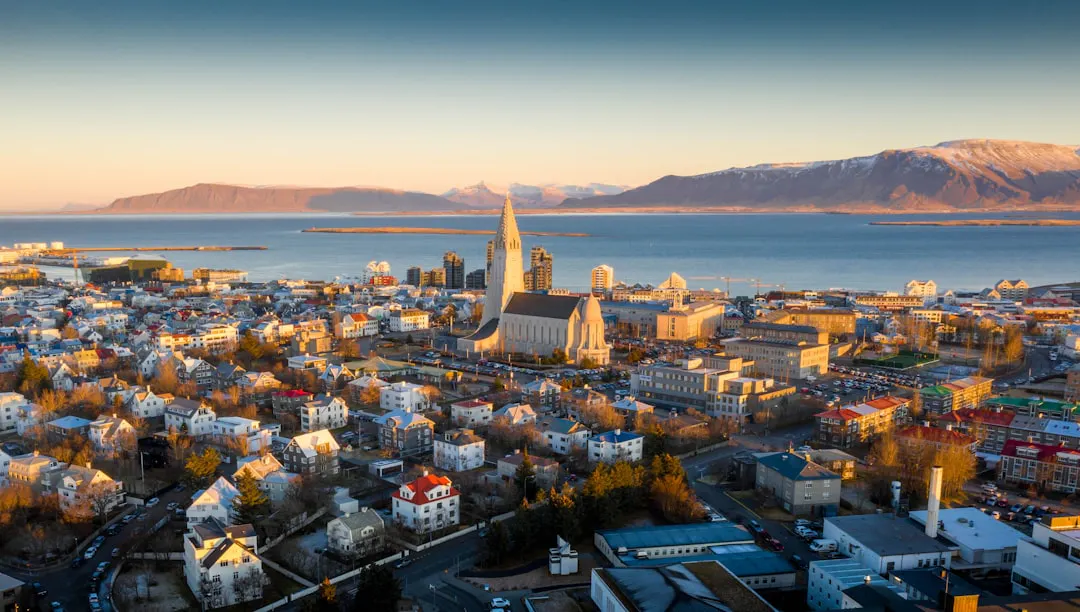
Reykjavík itself is very walkable. The old harbour area, Hallgrímskirkja church (free to enter the building, small fee for the tower), the Tjörnin pond, and the streets around Laugavegur are all worth exploring without spending anything.
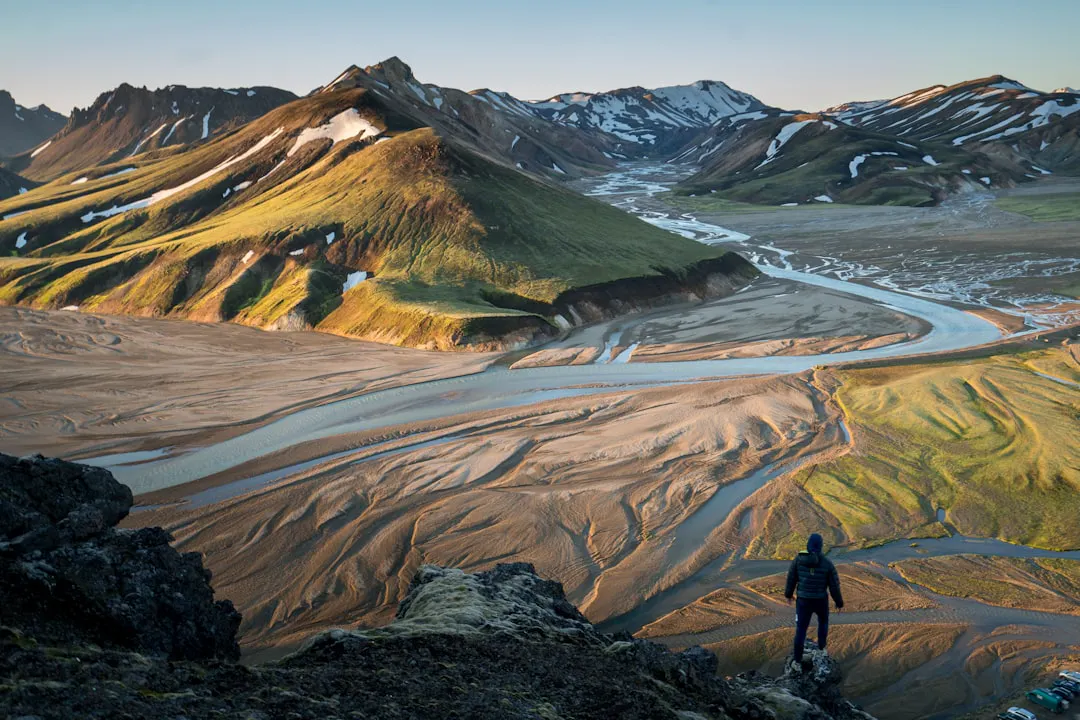
Wild swimming in Iceland's natural hot springs is free in many places. Landmannalaugar in the highlands has a natural geothermal pool that costs nothing to use — though you'll need a capable vehicle or a bus to get there. The famous Blue Lagoon, by contrast, is a premium paid experience and best booked well in advance if it's on your list.
Choose Tours Wisely
Tours aren't something to skip entirely — some of Iceland's best experiences genuinely require a guide. Glacier hiking on Sólheimajökull or Skaftafell, ice cave tours in winter, and whale watching from Húsavík or Reykjavík are all worth budgeting for because they take you somewhere you simply can't go alone.
The trick is to be selective. Pick one or two guided experiences that really matter to you and book them in advance (prices are usually better, and popular tours sell out). For everything else — waterfalls, lava fields, geysers — you can explore independently.
Group tours are almost always more affordable than private ones, and the shared experience often makes them more fun anyway. Look for small-group options where a local guide can share knowledge you'd miss on your own.
Petrol and Getting Around
Hiring a car is almost essential outside Reykjavík, and petrol in Iceland is not cheap. Prices fluctuate, but filling up at N1 or Orkan stations — and downloading their apps for member discounts — can save a noticeable amount over a week-long road trip.
Plan your daily driving routes efficiently rather than backtracking. If you're on the Ring Road, keeping a logical direction (clockwise or anti-clockwise) helps. Also note that mountain roads marked 'F' (highland roads) legally require a 4WD vehicle — attempting them in a standard car can void your hire insurance and is genuinely dangerous.
One Last Tip
Book your flights and car hire as early as possible — Iceland is a popular destination and last-minute prices reflect that. Travelling mid-week is generally cheaper than flying on Fridays or Sundays. And always, always get proper travel insurance that covers outdoor activities, because the Icelandic landscape is stunning but it demands respect. 🧭
Iceland rewards travellers who plan ahead. Do that, stay flexible, and this country will give you more than you ever expected — without costing you more than you can afford.

