Ice Cave Tours in Iceland: What to Expect
Thinking about exploring an ice cave in Iceland? Here's everything you need to know before you go, from what to wear to which caves are worth it.

I'll be honest — when I first signed up for an ice cave tour in Iceland, I had no idea what I was getting into. I pictured something like a theme park walkthrough: a short tunnel, some blue ice, a few photos, done. What I actually experienced inside Vatnajökull glacier was one of the most surreal, jaw-dropping moments of my entire life. If you're considering booking an ice cave tour in Iceland, let me walk you through everything you need to know — the practical stuff, the surprising stuff, and the bits the brochures never mention.
What Exactly Is an Ice Cave?
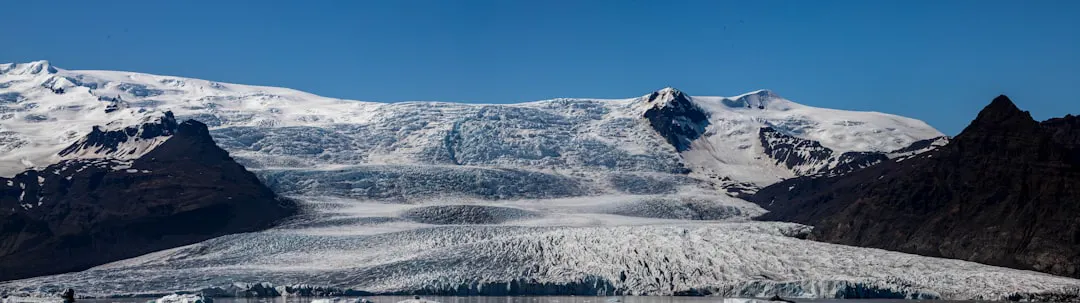
Ice caves in Iceland are natural tunnels and chambers that form inside glaciers, carved out by meltwater over thousands of years. Unlike man-made ice hotels or constructed ice sculptures, these are living, breathing geological formations — which means they change every single year. The most famous ones are found beneath Vatnajökull, Europe's largest glacier, located in southeast Iceland near the town of Höfn. The ice inside these caves isn't white. It's a deep, otherworldly blue, because the dense glacier ice absorbs red light and lets blue light pass through. Standing inside one feels like being suspended inside a sapphire.
Related experiences


When Is the Best Time to Visit an Ice Cave?
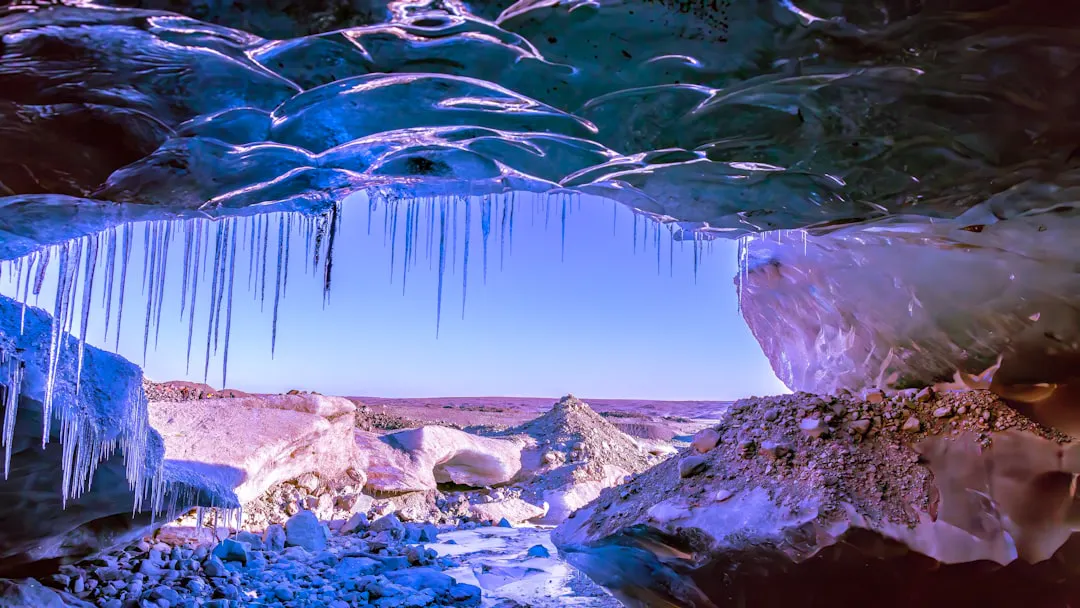
Ice cave tours in Iceland run from approximately November through March, and that window is non-negotiable for good reason. During summer, warmer temperatures make the glacier unstable and the caves genuinely dangerous. Winter ice is compact and safe — but it also means you're visiting Iceland in the dark season, which is honestly part of the magic. Your tour guide will tell you that no two visits to the same cave are identical, and they're right. I visited Katla ice cave on the south coast in December and the formations looked completely different from photos taken just weeks earlier.
Crystal Ice Cave vs. Katla Ice Cave — Which Should You Book?
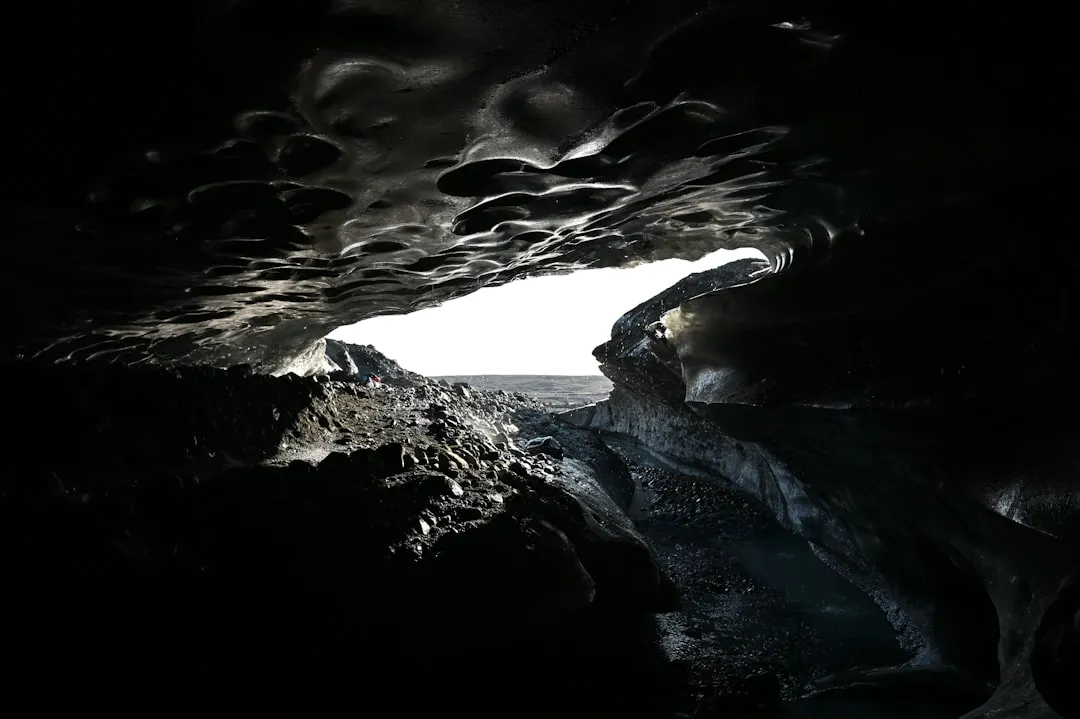
This is the question I get asked most often. The Crystal Ice Cave inside Vatnajökull (accessed from the Jökulsárlón glacier lagoon area) is the classic, the one you've seen in every Instagram post. It's stunning, but it's also popular, so you'll want to book well in advance — ideally 2-3 months ahead if you're traveling in peak winter season. Katla ice cave, located near Vík on the south coast, is accessible year-round because it sits inside a volcanic glacier, giving the ice a dramatic black-and-white marbled appearance from volcanic ash. It's a completely different aesthetic and a shorter drive from Reykjavík, making it ideal if you're short on time.
What to Wear and Bring
Layering is everything. I wore a moisture-wicking base layer, a fleece mid-layer, and a waterproof outer shell, and I was comfortable throughout. Your tour operator will almost always provide crampons (the metal spikes that attach to your boots for grip on ice) and a helmet, but double-check this when booking. Sturdy waterproof hiking boots are essential — do not show up in sneakers. Thin gloves are better than thick mittens inside the cave because you'll want to touch the ice walls (yes, you absolutely will). Bring a headlamp if you have one, even if your guide carries lighting — it adds to the experience.
What Actually Happens on the Tour
Most ice cave tours last between 2 and 4 hours total, including the hike or snowmobile ride to reach the cave entrance. Certified glacier guides lead every group, and Icelandic safety regulations around glacier tourism are genuinely strict — this isn't an area where operators cut corners. Once inside, your guide will explain how the cave formed, what the different colors and layers of ice mean, and the geology of Vatnajökull itself. You'll have time to photograph, explore the chamber, and just stand there quietly listening to the ice creak around you. That sound, by the way, is unforgettable.
Combining Ice Caves with Other Iceland Experiences
If you're spending a week in Iceland, an ice cave tour pairs beautifully with a full-day glacier hike on Sólheimajökull, a whale watching tour out of Húsavík or Reykjavík harbor, and a northern lights tour in the evening. Many visitors book a Golden Circle day trip first to see Þingvellir National Park, Geysir, and Gullfoss waterfall, then head south for the ice cave experience on day two or three. QRTours makes it easy to bundle these experiences so you're not scrambling to coordinate logistics on your own — a genuine lifesaver when you're navigating a foreign country in winter darkness.
Practical Tips Nobody Tells You
First: don't eat a huge meal right before. The glacier walk to the cave entrance involves uneven terrain and the crampons take a little getting used to — a full stomach doesn't help. Second: your phone battery will drain significantly faster in the cold. Keep it inside your jacket between shots. Third: the cave entrance often looks unimpressive from the outside. Don't panic. The moment you duck inside and your eyes adjust to the blue glow, you'll understand why people book this trip twice. Finally, if your guide says conditions have changed and you're visiting a different section of the cave than advertised, trust them — glacier guides read ice like sailors read weather, and they're always making decisions in your best interest. 🧊
How to Book an Ice Cave Tour in Iceland
When booking, look for tours that explicitly state they use certified glacier guides registered with the Association of Icelandic Mountain Guides (UIAGM-certified guides carry this credential). Group sizes matter too — smaller groups of 8 to 12 people mean more time inside the cave and a better experience overall. On QRTours, you can filter ice cave tours by departure point (Reykjavík, Jökulsárlón, or Vík), group size, and whether transport from your accommodation is included. Most tours depart early morning to catch the best light filtering through the ice — the difference between 9am and 1pm light inside the cave is genuinely dramatic.
Iceland in winter is cold, dark, and occasionally chaotic with weather. It's also one of the most extraordinary places on earth, and an ice cave tour is the single experience I recommend above everything else. Book it, dress for it, and let yourself be completely amazed by it. You won't regret a single second. ❄️

