Hot Springs in Iceland Beyond the Blue Lagoon
Iceland has dozens of hot springs worth visiting. Here are the best alternatives to the Blue Lagoon — cheaper, quieter, and just as good.

The Blue Lagoon is genuinely worth doing once. But at around 50–120 EUR per person depending on the package, it's an expensive once — and in peak season, you're sharing milky blue water with hundreds of other people. Iceland has dozens of geothermal pools that cost a fraction of the price, require no advance booking, and give you something the Blue Lagoon can't: the feeling that you've actually found somewhere.
Myvatn Nature Baths (Jarðböðin við Mývatn)
If you're doing the Ring Road, Mývatn Nature Baths in North Iceland is the obvious stop. The water is a similar silica-rich blue to the Blue Lagoon, the setting is volcanic and dramatic, and the crowds are much more manageable. It sits near Lake Mývatn, about 500 km from Reykjavík — so this is very much a northern itinerary stop, not a day trip from the capital. Admission is around 6,500 ISK for adults. Budget about 1.5 to 2 hours here.
Related experiences


Seljavallalaug
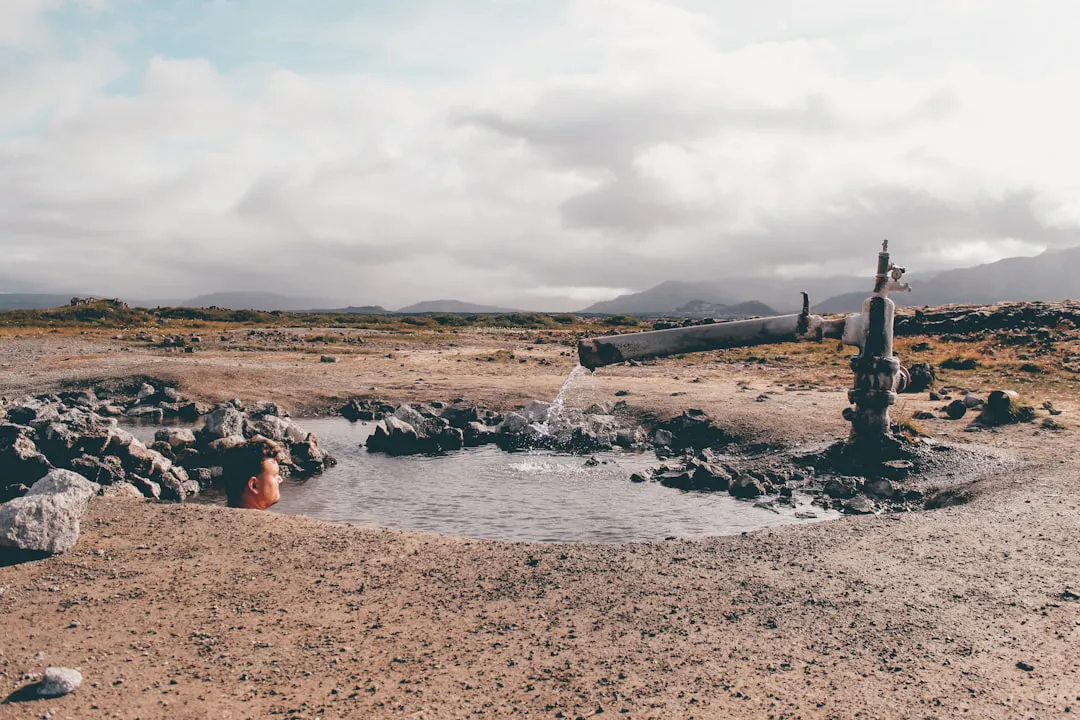
Seljavallalaug is one of Iceland's oldest swimming pools, built in 1923 into a hillside in South Iceland. It's about 170 km from Reykjavík, roughly 2.5 hours by car. The pool itself is fed by a natural hot spring and sits at around 25–30°C — warm rather than hot. Getting there involves a 15-minute walk along a river valley, and the facilities are basic (a small changing room, nothing else). It's free to use. The pool can get weedy and isn't always pristine, but it's genuinely beautiful and quiet on weekday mornings.
Reykjadalur Hot River
Reykjadalur — pronounced roughly 'rake-ya-dal-ur' — is a geothermal river in the hills above the town of Hveragerði, about 45 km east of Reykjavík. You hike 3 km uphill to reach the bathing area, which takes around 45 minutes to an hour. The river runs at different temperatures along its length, so you can find a spot that suits you. There are wooden changing platforms on site. This one is free and very popular with locals. Go early or on a weekday to avoid the biggest crowds.
Landmannalaugar
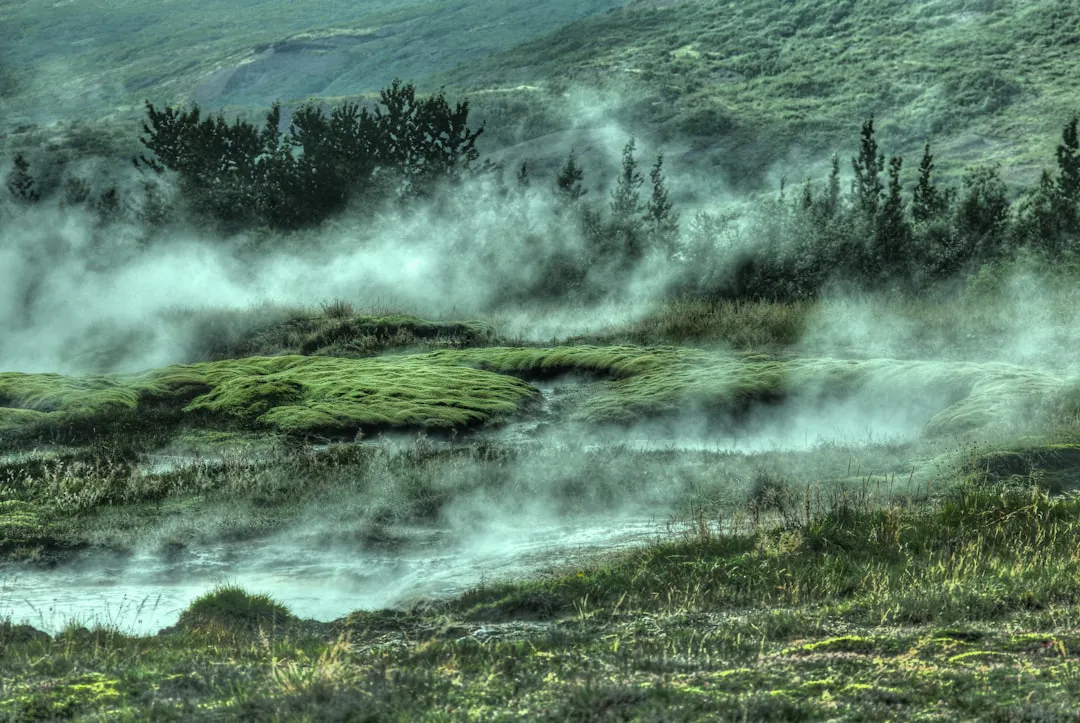
Landmannalaugar is best known for being the starting point of the Laugavegur hiking trail, but there's also a natural hot spring right at the campsite where a warm stream meets a cold river. It's free to use and sits in the middle of a rhyolite landscape that looks like someone turned the saturation up too high — green, orange, pink, and grey mountains in every direction. Getting there requires a 4WD vehicle and river crossings, and the road is only open in summer. It's roughly 4 hours from Reykjavík depending on conditions. Worth building a full day or overnight trip around.
Hrunalaug
Hrunalaug is a small natural hot pot near Flúðir in South Iceland, about 100 km from Reykjavík. It's on private land and technically requires permission from the landowner — there's usually a small fee of around 1,000 ISK collected on-site. It fits maybe 8 people comfortably, so if another group is already there, you'll either wait or share. The pool itself is simple and small, but the setting in a green valley is quiet in a way most tourist sites aren't. Go early morning or late evening.
Krauma Geothermal Baths
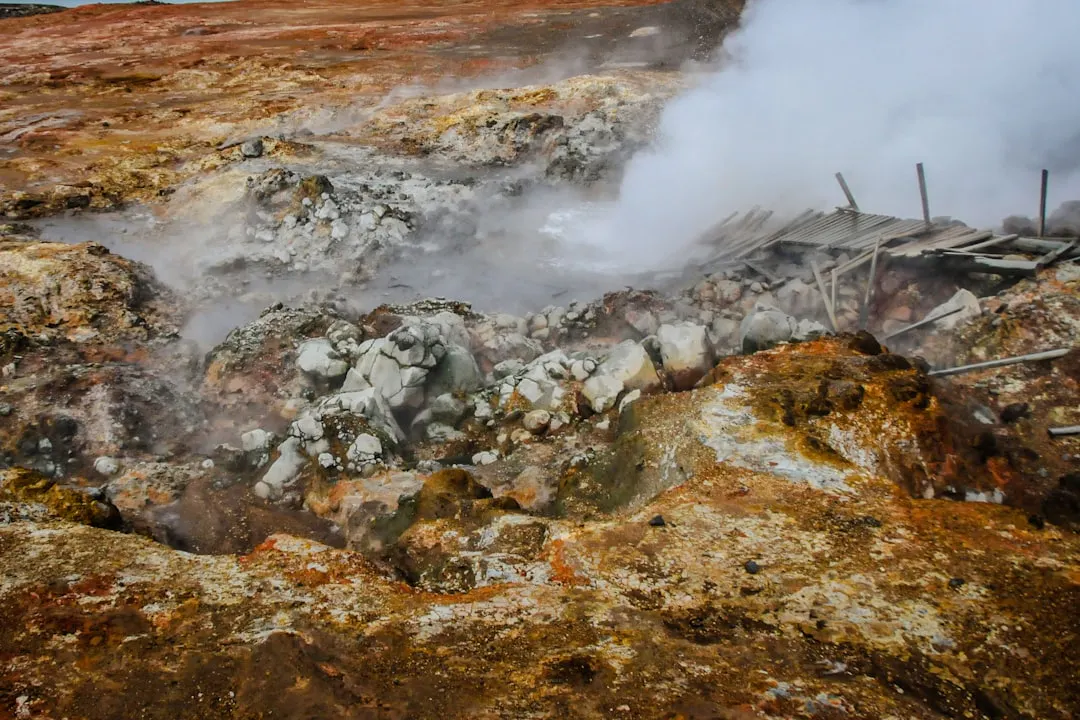
Krauma is a private geothermal facility near Reykholt in West Iceland, about 120 km from Reykjavík. It draws water from Deildartunguhver, which is one of Europe's highest-flow hot springs. The baths are well-maintained, with five pools at different temperatures and a cold pool. Admission is around 3,990 ISK for adults. It's quieter than the Blue Lagoon and noticeably less touristy, partly because it takes a bit more effort to get to. If you're heading out to Snæfellsnes Peninsula, this fits naturally into the route.
A few practical notes
Most natural pools in Iceland don't have lifeguards. Showering before entering is mandatory at official facilities and expected everywhere else. Water temperatures vary — some natural pools run cooler than you'd expect, especially after heavy rain dilutes the geothermal flow. If you're visiting Seljavallalaug or Reykjadalur, bring a towel you don't mind getting muddy and footwear you can get wet. And for any of the Highlands spots like Landmannalaugar, check road conditions at road.is before you go — F-roads can close with little notice.
The Blue Lagoon has its place, but it's one option in a country full of them. Most of the pools above cost nothing or next to nothing, and several of them you'll share with a handful of other people rather than a few hundred.

