Horse Riding in Iceland: What to Expect on the Trail
Published
The Icelandic horse is unlike any breed you've ridden before. Here's what makes them special and how to plan a ride in Iceland.

The Icelandic horse has a fifth gait that most horse breeds don't have. Called the tölt, it's a smooth, four-beat running walk that lets the horse move fast without the bouncing trot that rattles your spine on a long ride. If you've ridden before and found trotting uncomfortable, the tölt will change your opinion entirely. If you've never ridden at all, it makes learning far easier.
What Makes the Icelandic Horse Different
Icelandic horses have been bred in isolation for over a thousand years — no outside breeds have been introduced to the island since the Althing (Iceland's parliament) banned horse imports in the 10th century. That isolation produced a remarkably consistent animal: compact, thick-coated, sure-footed on lava fields and river crossings, and famously calm around beginners.
They're also smaller than most horses you'll encounter elsewhere, typically standing around 13 to 14 hands high. Don't call them ponies, though — Icelanders will correct you on that. Despite their size, they comfortably carry adult riders.
The breed also expresses the tölt more naturally than anything trained into it. Some horses also have a fifth gait called the flugskeið (flying pace), used in racing — though you won't encounter that on a leisure ride.
Related experiences


What a Horse Riding Tour Actually Looks Like
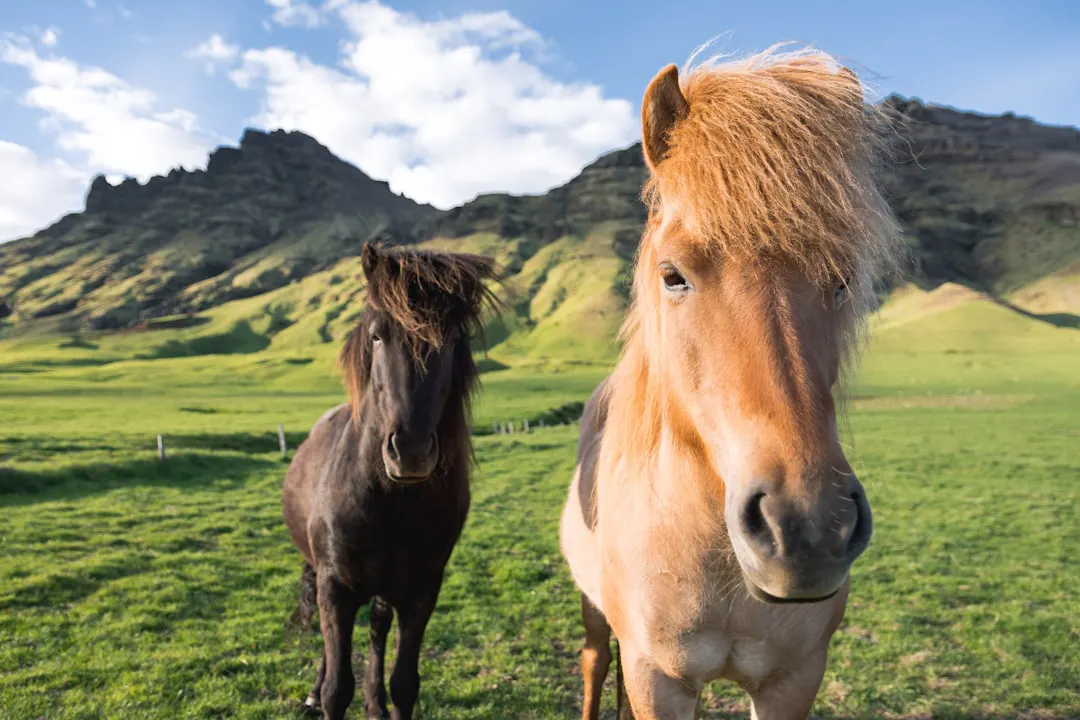
Most beginner-friendly rides last one to two hours and stay on marked trails across lava fields, along riverbanks, or through farmland. Guides match you to a horse based on your experience level, and helmets are always provided. You don't need riding experience to join most tours — the horses are used to first-timers.
Longer multi-hour or full-day rides are available for those with some riding background. A handful of operators also run multi-day trail rides with overnight stays, which cover more remote terrain in the interior and highlands.
Dress for cold and wind, even in summer. Layers underneath and a windproof outer layer are more useful than anything specifically equestrian. Most stables are outside Reykjavík — many are within 30 to 45 minutes of the city, making a half-day horse riding trip a realistic add-on to any Golden Circle or South Coast itinerary.
Where to Go Horse Riding in Iceland
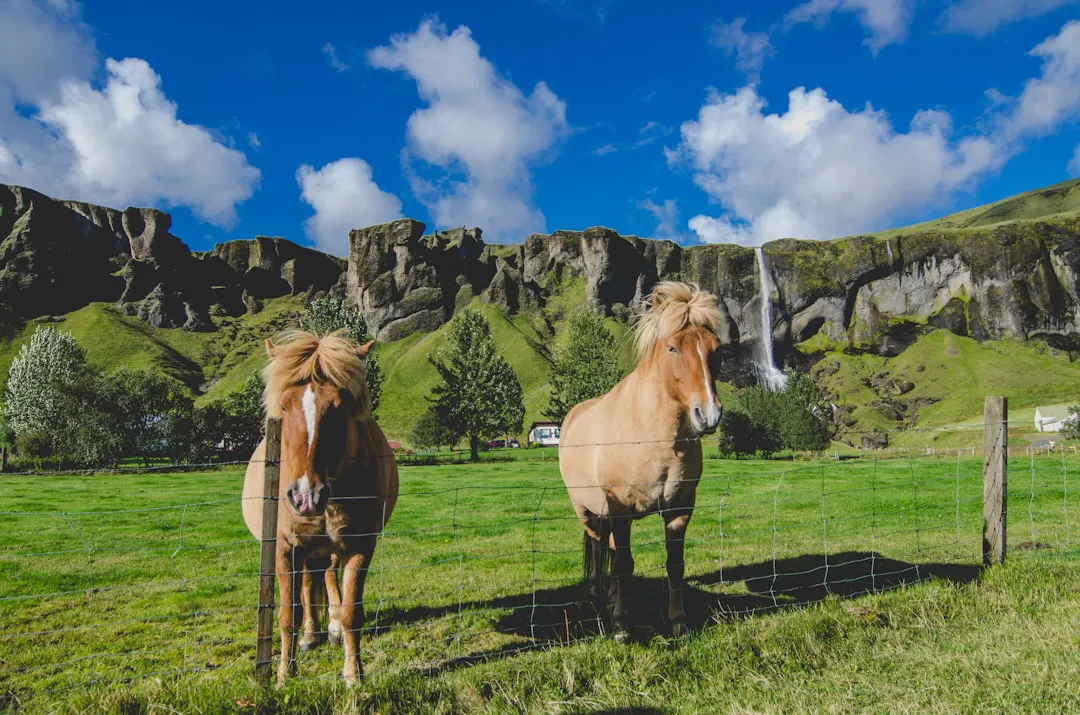
There are riding stables dotted across the country, but the area around Selfoss, the Snæfellsnes Peninsula, and the valleys north of Reykjavík (particularly around Hveragerði and Mosfellsdalur) have a high concentration of reputable operators. Several stables also sit along the South Coast, which means you can combine a ride with visits to Seljalandsfoss or Skógafoss on the same day.
If you're based in Reykjavík and want to keep it simple, operators like Íshestar and Laxnes Horse Farm run tours within easy reach of the city. Both have long track records with international visitors.
When to Go
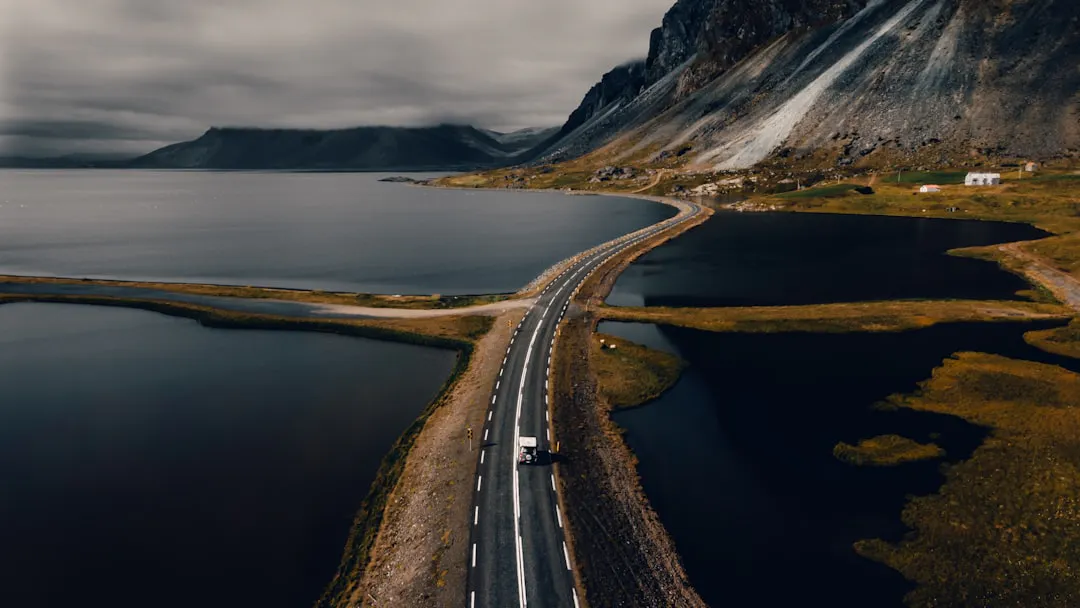
Horse riding runs year-round in Iceland. Summer offers the longest daylight and the best trail conditions, but winter rides — particularly in fresh snow — give you an entirely different experience. The horses grow a thick double coat in winter and cope with cold far better than their riders do.
Spring and autumn are quieter, which often means more personal attention from guides and smaller group sizes. Avoid booking right after heavy rain if you're particular about getting muddy — lava field trails drain reasonably well, but farmland routes can get boggy.
A Few Things Worth Knowing Before You Book
Weight limits apply at most stables, typically around 100 to 110 kg, though this varies by operator — check before you book if it's relevant. Children are welcome at most stables, usually from around six years old, though again, this differs by tour.
If you have any riding experience at all, mention it when booking. Guides use that information to choose your horse and decide whether to let you experience the tölt at speed, which is worth it if you're comfortable in the saddle.
One practical tip: book in advance during June, July, and August. Horse riding is one of Iceland's most popular activities and slots fill up faster than most people expect. A midweek morning slot will always be quieter than a weekend afternoon if you have flexibility.

