Horse Riding in Iceland: Meet the Icelandic Horse
The Icelandic horse is unlike any breed you've ridden before. Here's what to expect from a horse riding tour in Iceland.

The Icelandic horse has a fifth gait that most horse breeds don't have. It's called the tölt, and once you've experienced it — a smooth, four-beat running walk that feels almost like gliding — you'll understand why riders come to Iceland specifically to try it. Most beginner-friendly tours will get you into the tölt within an hour.
What Makes the Icelandic Horse Different
Icelandic horses are small — typically 13 to 14 hands high — but they're not classified as ponies. Icelanders are particular about this. The breed has been isolated in Iceland for over 1,000 years, which means no crossbreeding and no outside diseases. Icelandic law actually prohibits horses from being imported into the country, and any horse that leaves Iceland can never return.
Because of that isolation, Icelandic horses have almost no natural predators in their history and tend to be calm, confident, and curious around people. They're also surprisingly strong for their size — fully capable of carrying adults across rough lava fields and river crossings.
The five gaits are: walk, trot, canter, tölt, and flying pace. The flying pace is a two-beat lateral gait used in racing, reaching speeds up to 48 km/h. You won't be doing that on a beginner tour, but it's worth watching if you visit a breeding farm.
Related experiences


What to Expect on a Horse Riding Tour
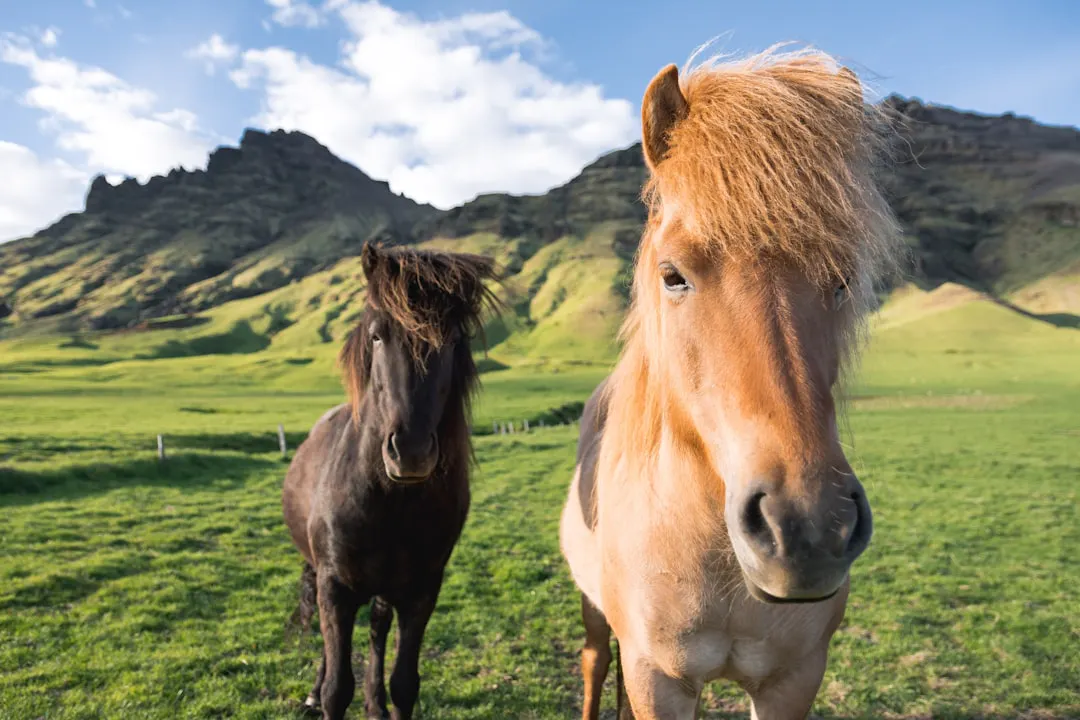
Most tours in Iceland are designed for complete beginners. You'll get a safety briefing, a helmet, and a horse matched to your experience level. Rides typically range from one hour to a full day, and the horses do most of the work — your job is mainly to stay relaxed and follow the guide's instructions.
Shorter one-hour tours are available near Reykjavík, some as close as 30 minutes from the city centre. These are a good option if you're short on time or just want a taste. If you want a proper ride through open lava fields or along a black sand beach, look for tours in the south or west of Iceland that run two to three hours minimum.
Multi-day horse trekking tours also exist for more experienced riders. These follow old routes across the interior highlands, covering terrain you simply can't reach by car. These trips run mainly in summer when highland tracks are passable.
When to Go
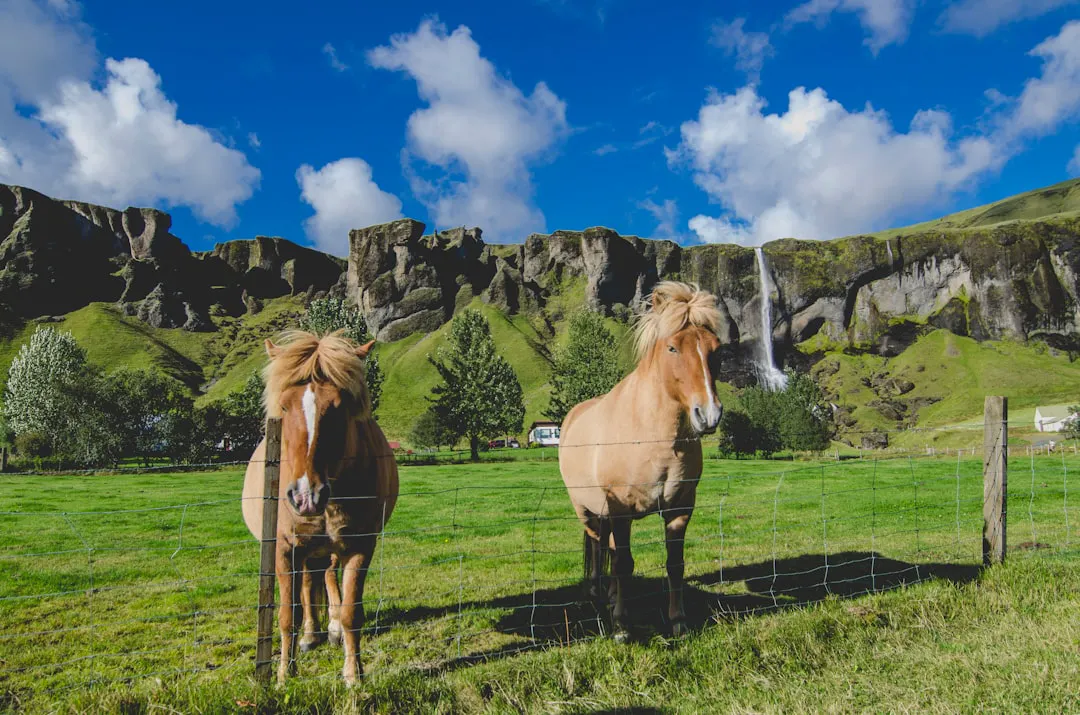
Horse riding tours run year-round in Iceland, but the experience is very different depending on the season. Summer rides (June to August) give you long daylight hours, green pastures, and usually the best weather. Autumn brings dramatic colours and fewer crowds. Winter rides are shorter and colder, but riding through a snowy landscape on an Icelandic horse is genuinely worth doing if you're dressed for it — most tour operators provide overalls.
Spring can be muddy and unpredictable, but it's also foaling season, so if you visit a farm in April or May you may get to see newborn foals.
Where to Book
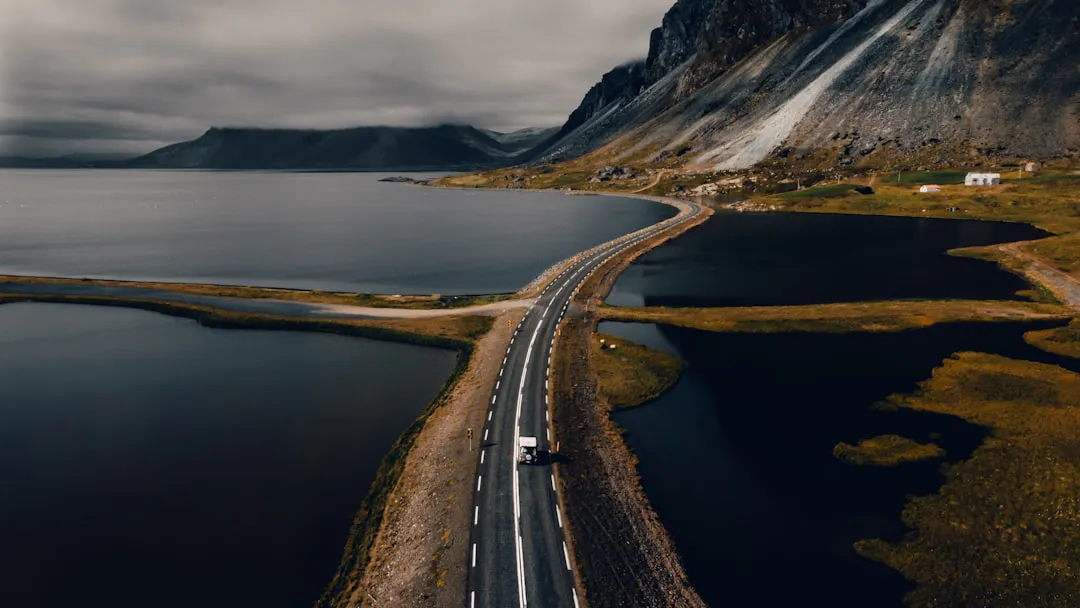
There are reputable riding tour operators across Iceland, with concentrations around the Reykjavík area, the Snæfellsnes peninsula, and the south coast near Vík. When comparing tours, check whether the price includes helmet and riding gear — most reputable operators provide these. Also check the group size: smaller groups (under ten riders) tend to mean more time at pace and less waiting around.
If you've ridden before and want to work specifically on the tölt, mention it when booking. Most guides can adjust the pace and focus of the ride based on your experience.
One practical tip: wear long trousers and sturdy shoes or ankle boots. Trainers work in a pinch, but anything with a slight heel is more comfortable in the stirrups. Most operators will tell you this at booking, but it's worth knowing before you pack.

