Horse Riding in Iceland: Meeting the Icelandic Horse
The Icelandic horse is unlike any breed you've ridden before. Here's what to expect from a horse riding tour in Iceland.

The Icelandic horse has a gait that no other breed in the world has — a smooth, four-beat pace called the tölt. Riders describe it as gliding rather than bouncing. If you've ever come off a horse ride with a sore back, this is genuinely different.
What Makes the Icelandic Horse Unique
Icelandic horses have been bred in isolation for over 1,000 years. Icelandic law actually prohibits horses from being imported into the country, and any horse that leaves Iceland cannot return. That level of selective breeding in a closed gene pool has produced a remarkably pure, hardy, and even-tempered animal.
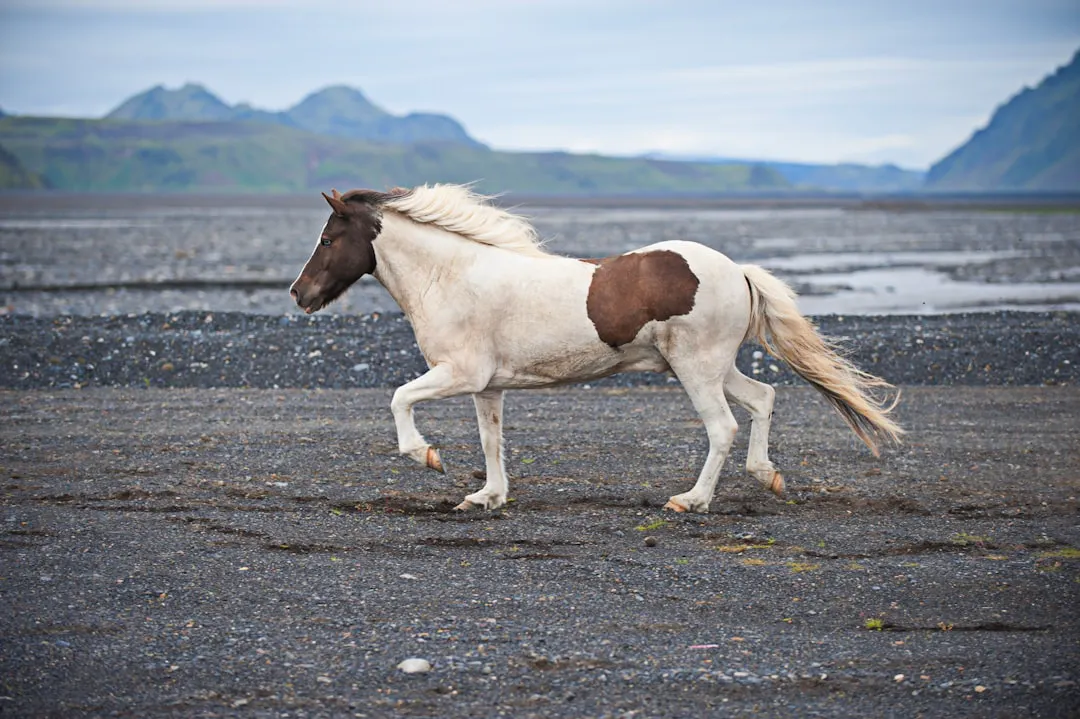
Most horse breeds have three gaits: walk, trot, and canter. Icelandic horses have five. The tölt is the one you'll hear most about — it's smooth enough that riders can carry a full pint of beer without spilling it, which is a common party trick at Icelandic horse shows. Some horses also have a fifth gait called the skeið (or flying pace), used in racing.
They're also small — typically 130 to 145 cm at the shoulder — which leads tourists to call them ponies. Icelanders will politely correct you. They are horses. The stocky build, thick mane, and double-layered coat are all adaptations to Iceland's harsh winters.
Related experiences


What a Horse Riding Tour Actually Looks Like
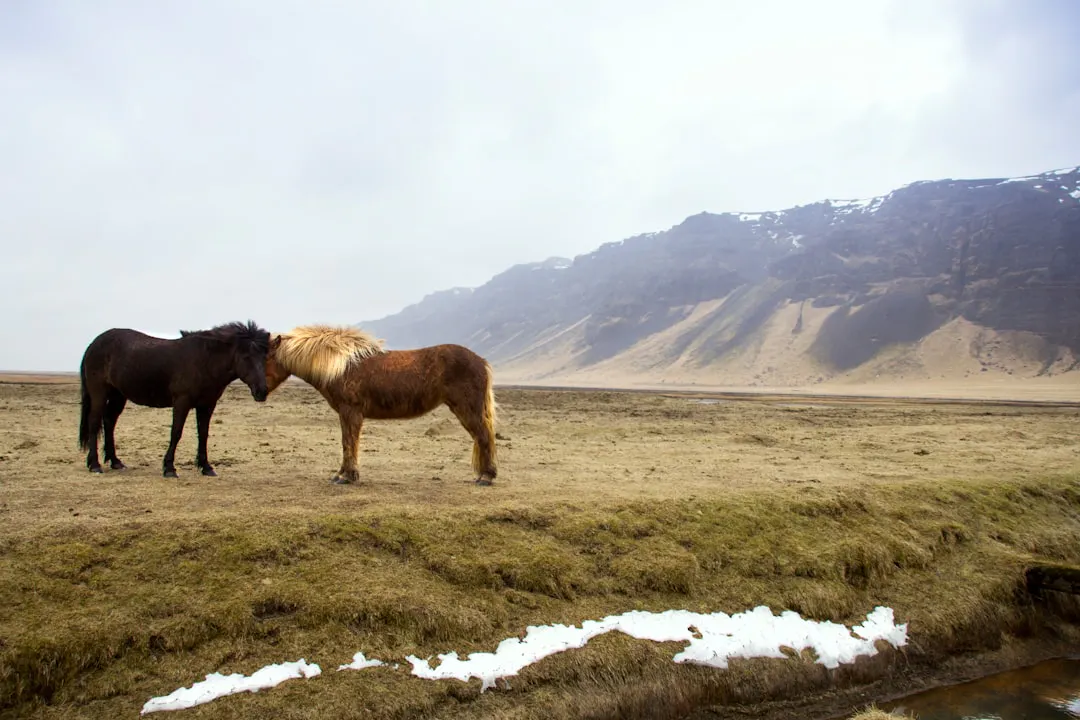
Most beginner-friendly tours run one to two hours and take you through lava fields, along rivers, or across open farmland depending on where you book. You don't need riding experience for these — guides match you to a horse based on your level, and Icelandic horses are calm enough that first-timers feel comfortable quickly.
Longer tours, sometimes half-day or full-day rides, cover more varied terrain and give you a better sense of what the tölt actually feels like at speed. If you want to properly experience the gait rather than just trot around a paddock, book at least a two-hour session.
Tours run year-round. Summer rides give you open landscapes and long daylight hours. Winter rides are shorter and colder, but riding through snow on an Icelandic horse is a genuinely different experience — just dress in proper layers and expect the operator to provide an outer riding suit.
Where to Go Riding
Horse riding tours operate across Iceland, but the most accessible options for visitors are within easy reach of Reykjavík. Several farms and riding centres operate in the Capital Region and along the South Coast, meaning you can combine a riding tour with a Golden Circle or South Shore day.
The Snæfellsnes Peninsula and North Iceland also have riding operators, and if you're travelling the Ring Road, it's worth building a riding stop into your itinerary rather than saving it all for the Reykjavík area.
A Few Things Worth Knowing Before You Go
Helmets are standard and provided by all reputable operators. If you have your own riding boots, bring them — most operators can accommodate, though they'll usually have gear available if not.
Tell the guide your experience level honestly. Icelandic horses are forgiving, but there's no reason to be matched with a more spirited animal if you haven't ridden in years.
One thing people don't always expect: Icelandic horses are herd animals and can be opinionated about staying with the group. If your horse keeps trying to move up the line, that's normal behaviour, not a problem with you.
If you only do one horse riding tour, make sure the route includes some open ground where the guide can demonstrate the tölt at pace. Seeing it — and then feeling it under you — is the whole point.

